Navigating Layoffs: The Power of Mindfulness Meditation for Tech Workers

Dr. Kai Dupe • April 21, 2024

The relentless demands of the tech industry can take a toll on mental health.

In the ever-evolving landscape of the tech industry, job security can often feel like a fleeting concept. Layoffs, unfortunately, are not uncommon occurrences, leaving tech workers grappling with uncertainty, stress, and anxiety. However, amidst the chaos, there lies a powerful tool that can offer solace and resilience: mindfulness meditation.


Mindfulness meditation, rooted in ancient practices, has gained significant traction in modern times for its ability to cultivate present-moment awareness and foster emotional well-being. For tech workers facing the upheaval of a layoff, incorporating mindfulness meditation into their daily routine can yield transformative benefits.


Stress Reduction

The relentless demands of the tech industry can take a toll on mental health, especially during times of transition like a layoff. Mindfulness meditation serves as a refuge from the storm, allowing individuals to anchor themselves in the present moment and alleviate stress. Research published in the journal Psychological Medicine has shown that mindfulness meditation can significantly reduce levels of perceived stress, providing a valuable coping mechanism during challenging times.


Emotional Resilience

The uncertainty surrounding layoffs can trigger a whirlwind of emotions, from fear to anger to sadness. Mindfulness meditation empowers individuals to observe their emotions with equanimity, cultivating emotional resilience in the face of adversity. Studies conducted by researchers at Harvard Medical School have demonstrated that mindfulness meditation can enhance emotional regulation skills, enabling individuals to navigate difficult emotions more effectively.


Improved Mental Clarity and Focus

Amidst the turbulence of a layoff, maintaining clarity of mind and focus is essential for charting the path forward. Mindfulness meditation enhances cognitive function and concentration, enabling tech workers to approach challenges with clarity and composure. A study published in the Journal of Cognitive Enhancement found that regular mindfulness practice can enhance attentional control and cognitive flexibility, bolstering mental clarity and resilience.


Introducing mindfulness meditation to tech workers need not be a daunting task. Employers can offer mindfulness workshops or incorporate mindfulness practices into workplace wellness programs. Additionally, there are numerous apps and online resources available, such as Headspace and Insight Timer, offering guided meditation sessions tailored to beginners. 


In conclusion, amidst the uncertainties of the tech industry, mindfulness meditation stands as a beacon of resilience and empowerment for laid-off workers. By embracing mindfulness, tech workers can cultivate inner peace, emotional strength, and mental clarity, transforming the challenges of a layoff into an opportunity for growth and self-discovery.
By Dr. Kai Dupe September 18, 2026
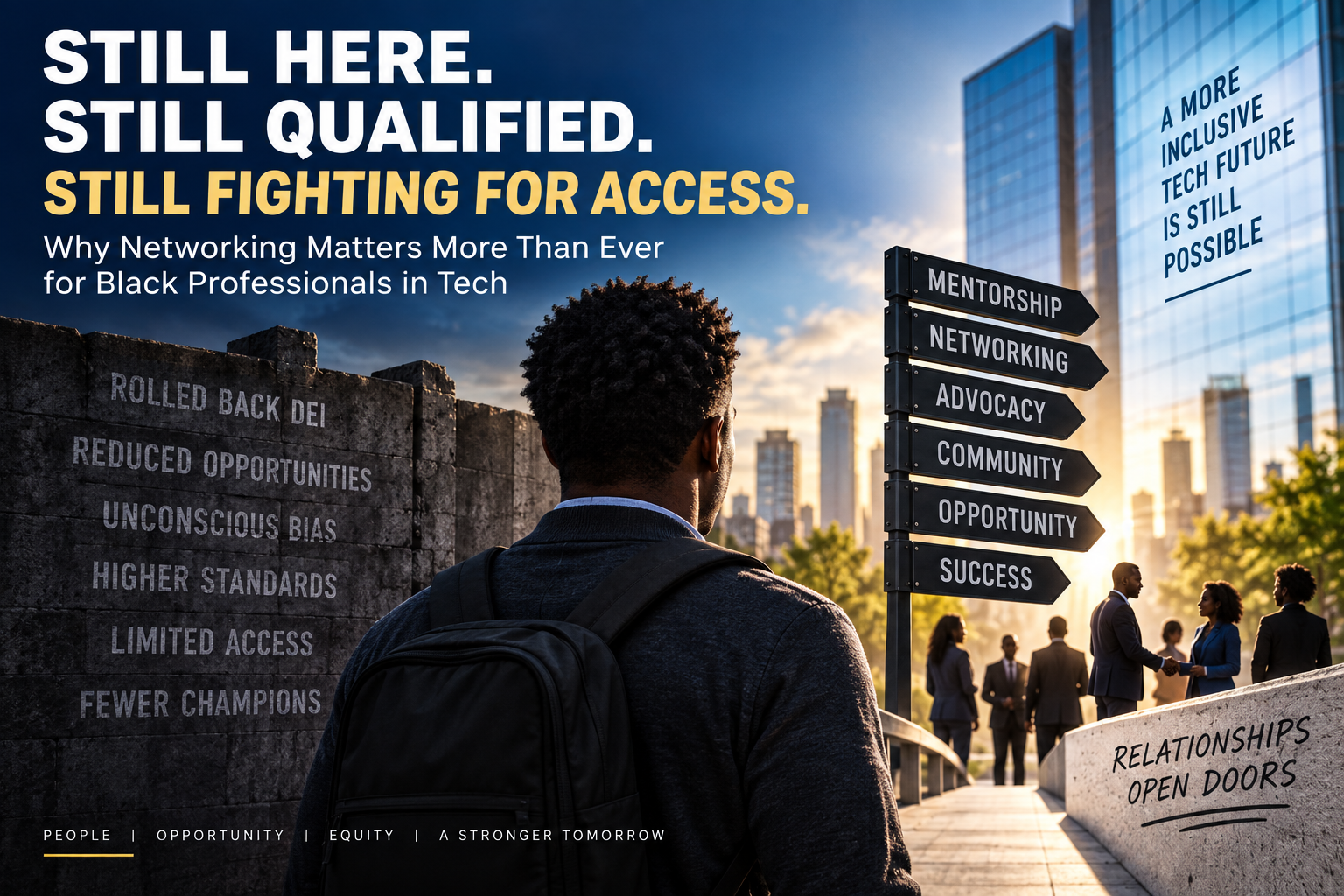
A mentor gives you advice. A sponsor creates opportunities.
By Dr. Kai Dupe August 20, 2026
Representation alone will not solve the persistent racial disparities in computing.
By Dr. Kai Dupe July 28, 2026
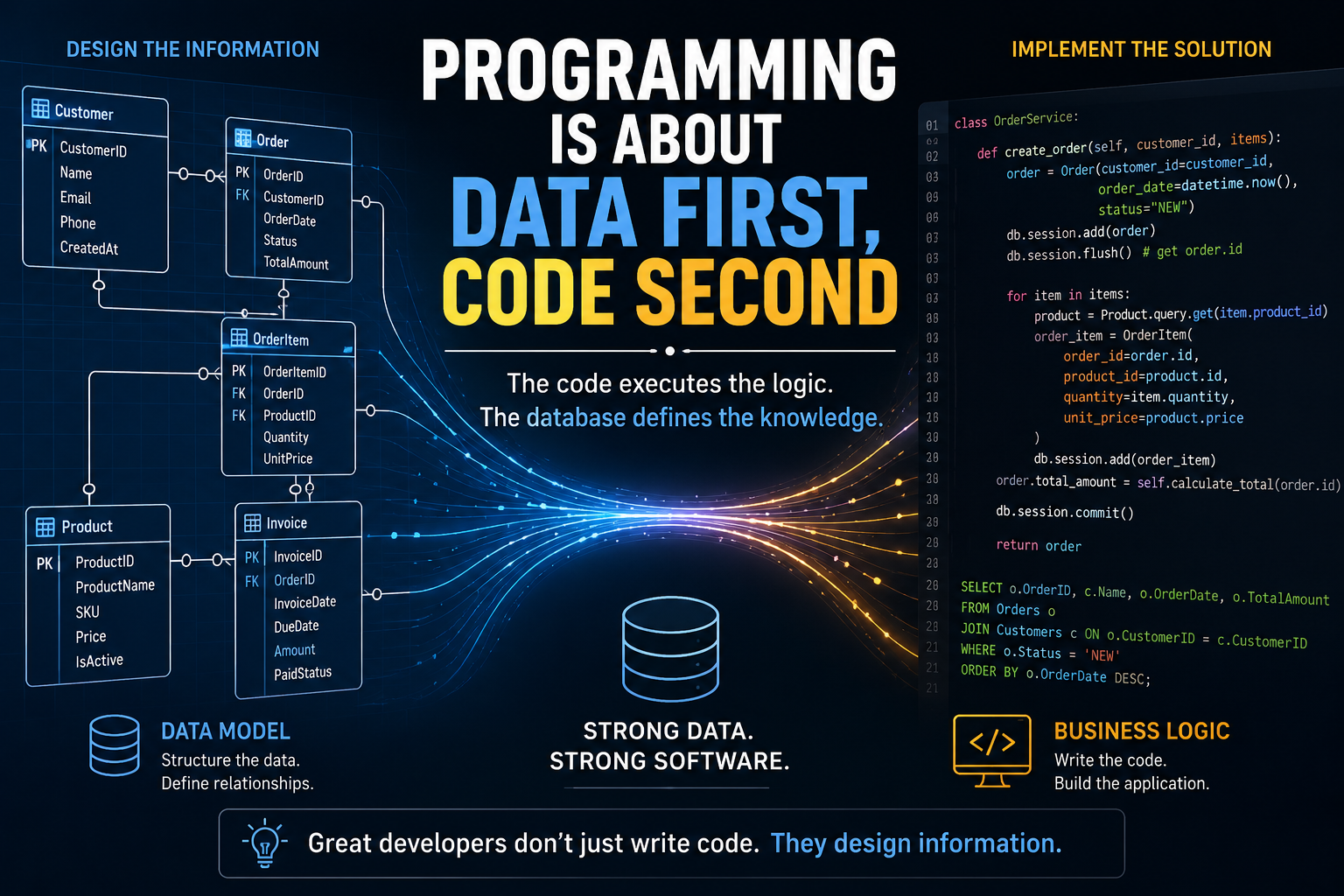
The truth is that most software applications exist to manage information.
By Dr. Kai Dupe July 1, 2026
Artificial intelligence has become the newest member of nearly every software development team.
By Dr. Kai Dupe June 17, 2026
The true promise of computing is not found in the machines we build, but in the human potential we unlock when knowledge becomes accessible to everyone.
By Dr. Kai Dupe June 3, 2026
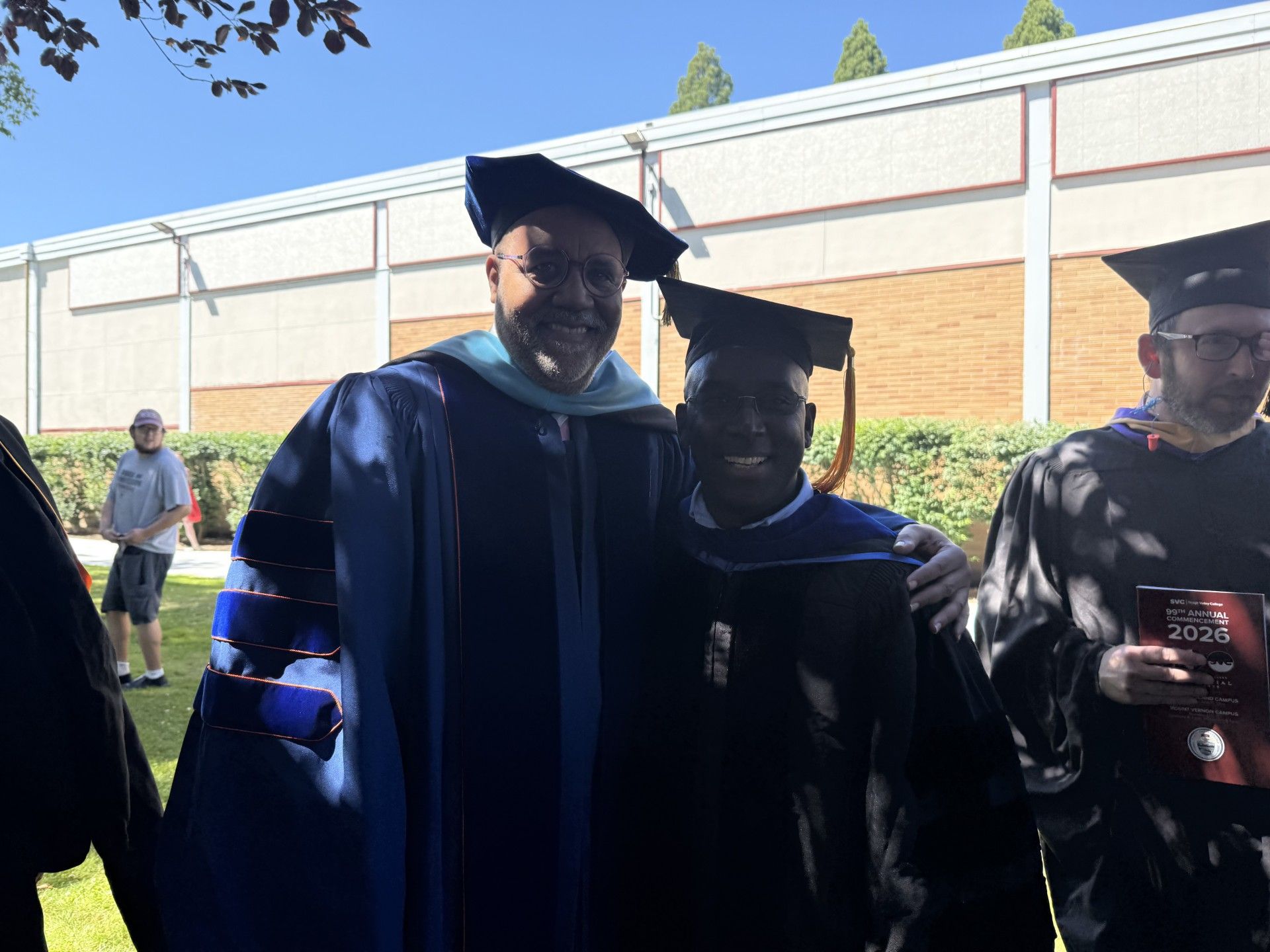
One of the reasons I value the MCT program so highly is that it represents more than technical knowledge.
By Dr. Kai Dupe May 22, 2026
Software engineering is not simply coding.
By Dr. Kai Dupe May 15, 2026
Companies often promote the idea that technical skill alone determines success.
By Dr. Kai Dupe May 3, 2026
Hackathons also strengthen teamwork and communication skills.
By Dr. Kai Dupe April 22, 2026
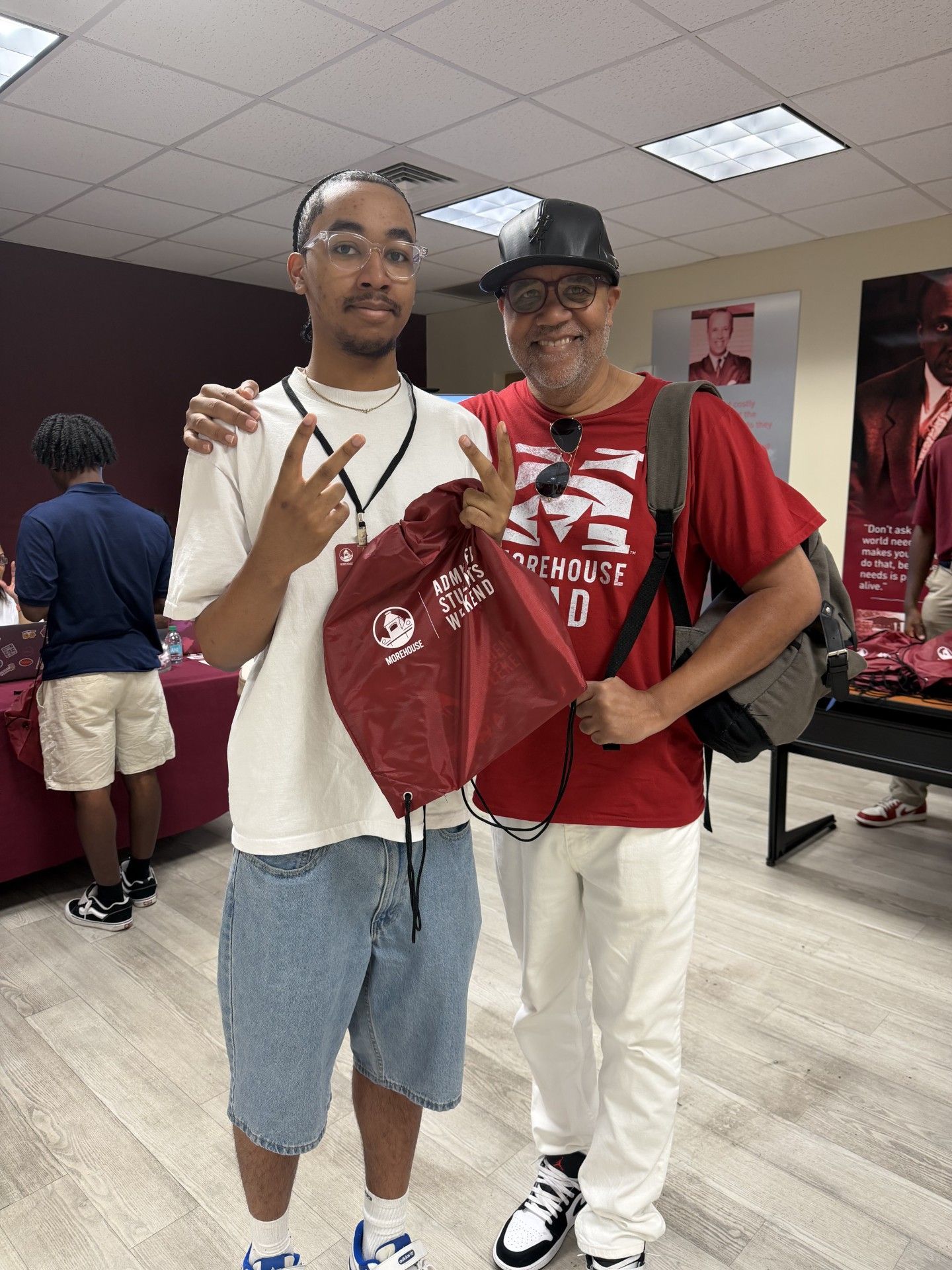
Stepping onto the campus of Morehouse College this past weekend for Admitted Students Day was more than a visit—it was a moment of reflection. As I watched young Black men walk with purpose across the yard, I found myself asking a simple but profound question: What would it have been like for me to study computer science here? My journey into computing was shaped in environments where I was often the only Black man in the room. That reality brings with it an unspoken weight—the need to prove you belong, the awareness of being watched, and sometimes, the quiet isolation that comes with underrepresentation. Standing at Morehouse, I realized that this burden is not a given. It is a condition of the environment. At Morehouse, the environment is different by design. Here, Black men are not anomalies—they are the standard. I imagined what it would feel like to learn algorithms, data structures, and software development in a space where my identity was not questioned but affirmed. Where excellence is expected, not in spite of who you are, but because of it. As a computer science professor, I understand the academic rigor required to succeed in this field. There is no shortcut through recursion, no bypass around debugging, no substitute for disciplined problem-solving. But what struck me during my visit is how much context matters. When students are free from the psychological burden of proving they belong, they can redirect that energy toward mastering the material. They can collaborate more openly, ask questions more freely, and take intellectual risks without fear. I also thought about legacy. At Morehouse, students walk the same grounds as Martin Luther King Jr.. That kind of history does something to a person. It raises the bar—not just academically, but personally. It invites students to see their education not just as a pathway to a career, but as preparation for impact. Leaving campus, I felt inspired—but also reflective. I cannot rewrite my journey, but I can appreciate what spaces like Morehouse offer the next generation. For a Black male pursuing computer science, it is more than a degree. It is an opportunity to develop skill, confidence, and identity in alignment. And that combination is powerful.