
5 Books Every Aspiring African American Software Developer Should Read
Dr. Kai Dupe • May 5, 2025
5 Books Every Aspiring African American Software Developer Should Read
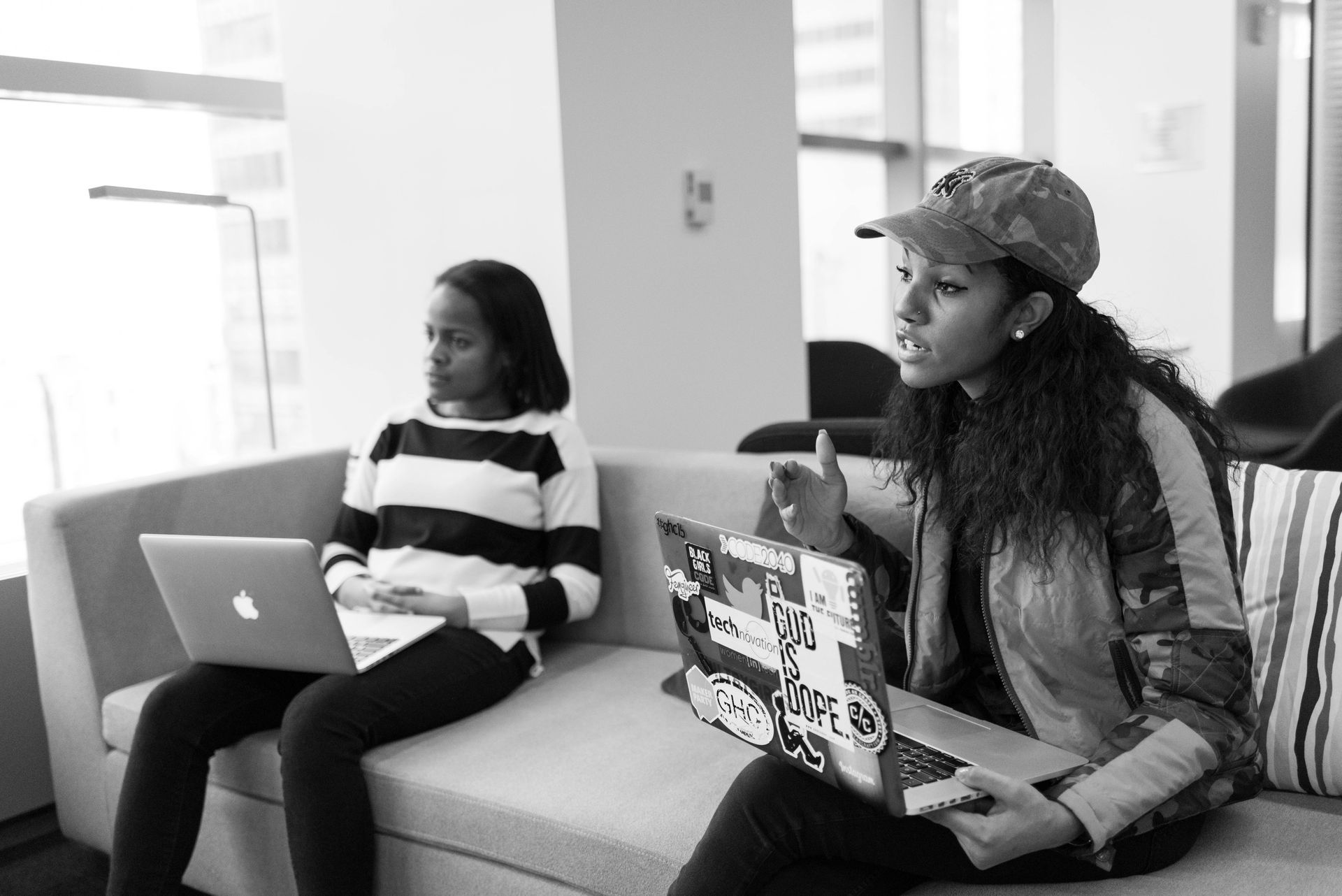
Breaking into the tech industry can be challenging, especially for underrepresented groups. For African American software developers, the journey is often shaped by a unique blend of cultural, social, and systemic factors. These five books offer insight, encouragement, and practical tools to help navigate the path from learning to thriving in tech.
1. The Pragmatic Programmer
by Andrew Hunt and David Thomas
This classic is a must-read for any software developer. It’s packed with practical advice on coding, debugging, and problem-solving that goes beyond any single programming language. For aspiring Black developers, the focus on craftsmanship and lifelong learning can be incredibly empowering when striving for excellence in a competitive field.
2. Black Software
by Charlton D. McIlwain
McIlwain's book is a powerful historical and cultural exploration of how African Americans have shaped—and been shaped by—digital technology. It offers a deep look into Black contributions to computing and online activism. This context can help developers see themselves as part of a long, often overlooked legacy in tech.
3. Clean Code
by Robert C. Martin
Writing clean, maintainable code is a core skill for any developer. This book provides timeless principles that help beginners develop solid coding habits. While technical, it also promotes professionalism and discipline, which are essential in environments where Black developers may feel pressure to outperform to be recognized.
4. So You Want to Talk About Race
by Ijeoma Oluo
Although not a tech book, Oluo’s work is essential reading for understanding the dynamics of race in professional spaces. For Black developers entering largely white-dominated tech teams, this book provides tools to navigate and challenge bias while maintaining mental health and confidence.
5. Cracking the Coding Interview
by Gayle Laakmann McDowell
This is a technical bible for anyone preparing for software engineering interviews. It demystifies the hiring process at top companies and provides hundreds of programming questions with solutions. It's especially useful for African American candidates seeking a competitive edge in a system that often lacks diversity.
Final Thoughts
Knowledge is power. By reading widely—both technically and culturally—African American developers can not only sharpen their skills but also build resilience, find inspiration, and advocate for greater representation in tech.
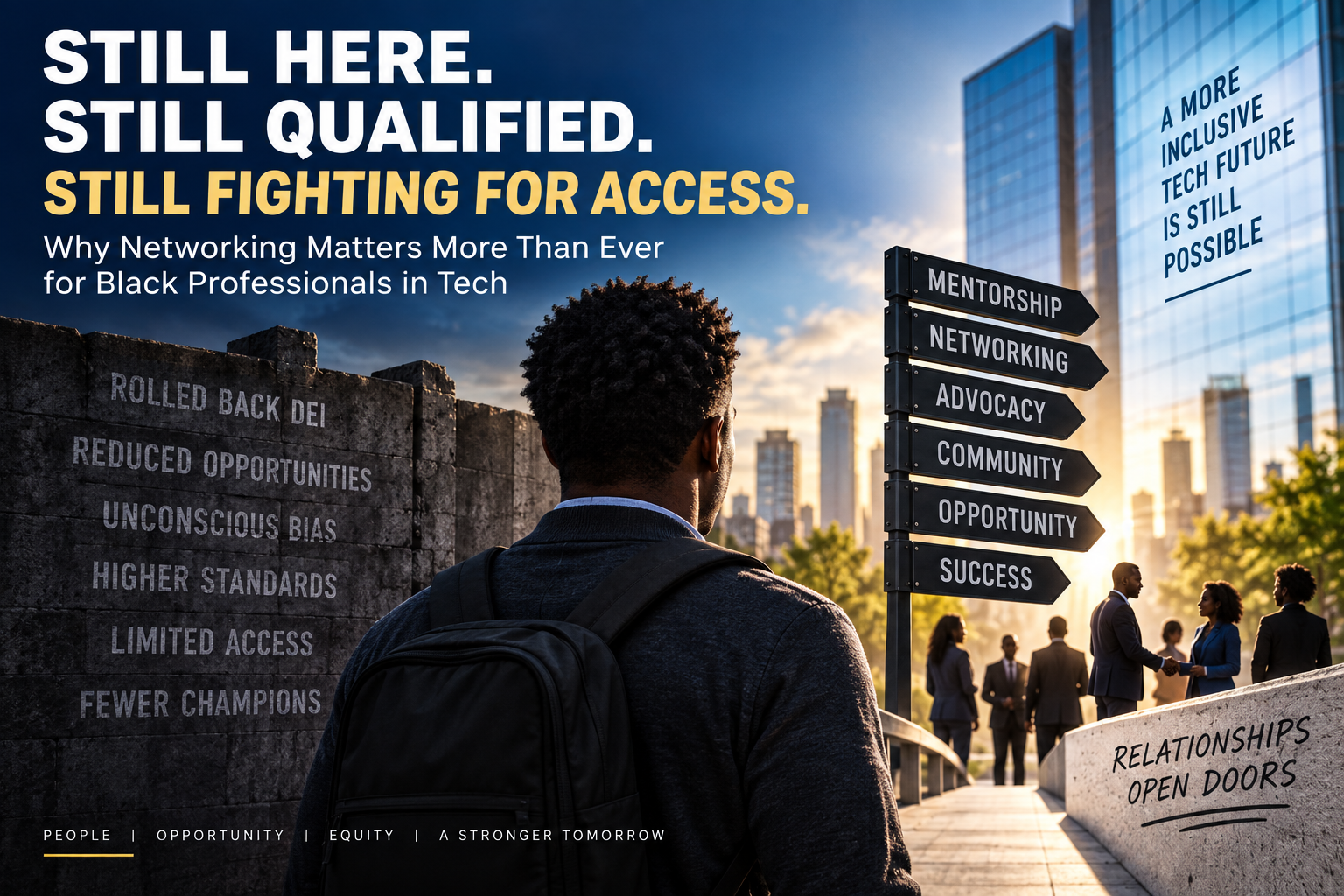
A mentor gives you advice. A sponsor creates opportunities.
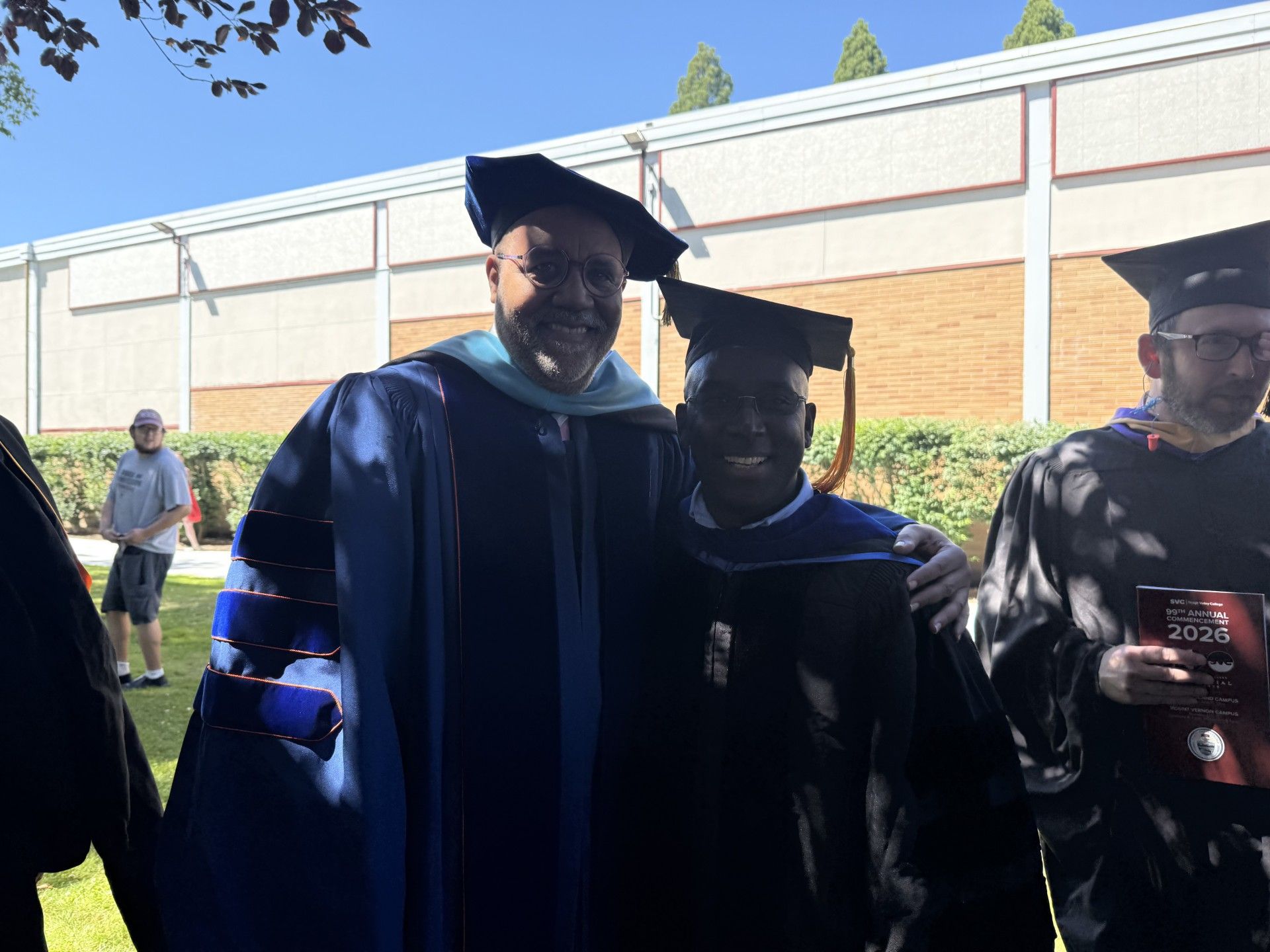
Representation alone will not solve the persistent racial disparities in computing.
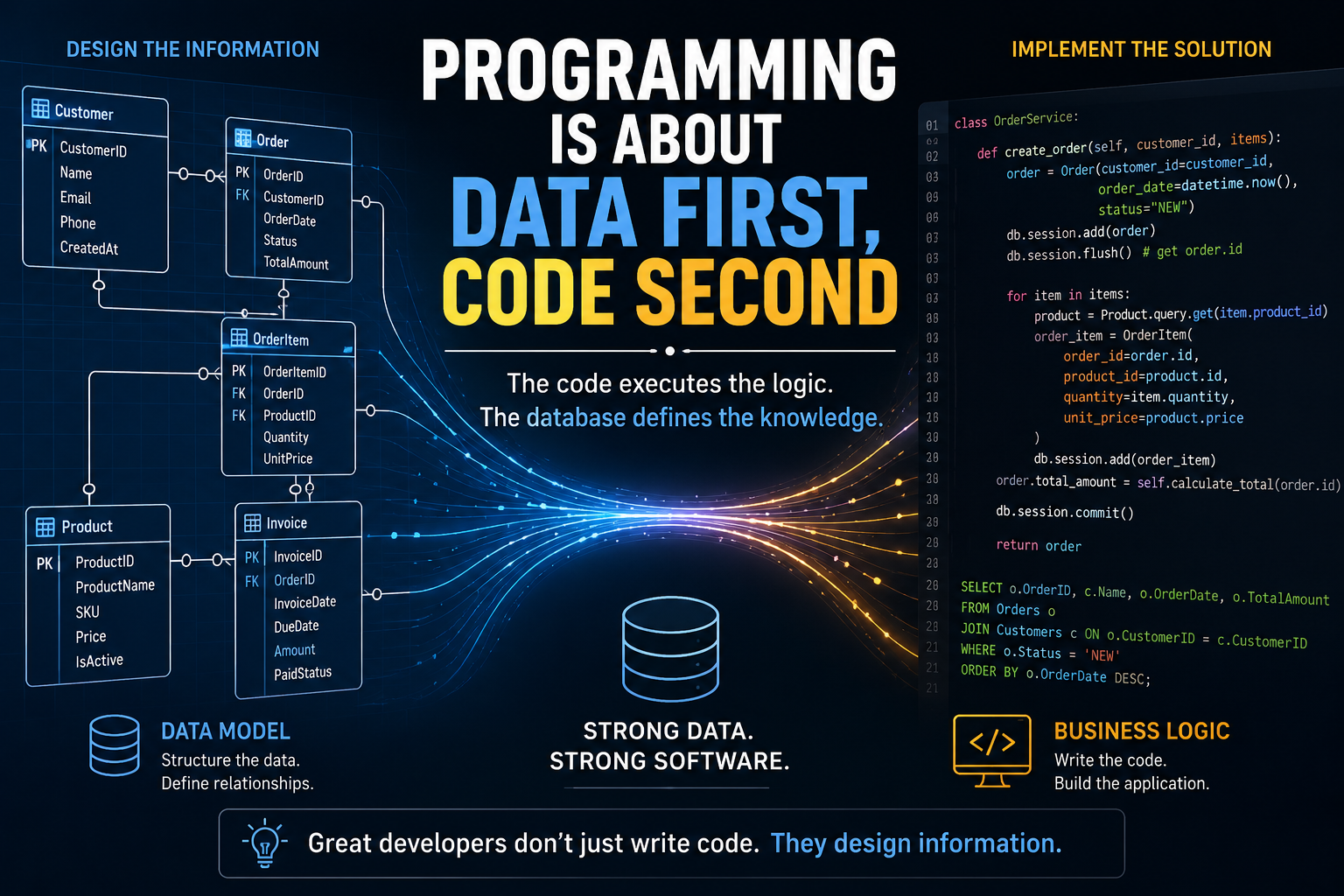
The truth is that most software applications exist to manage information.
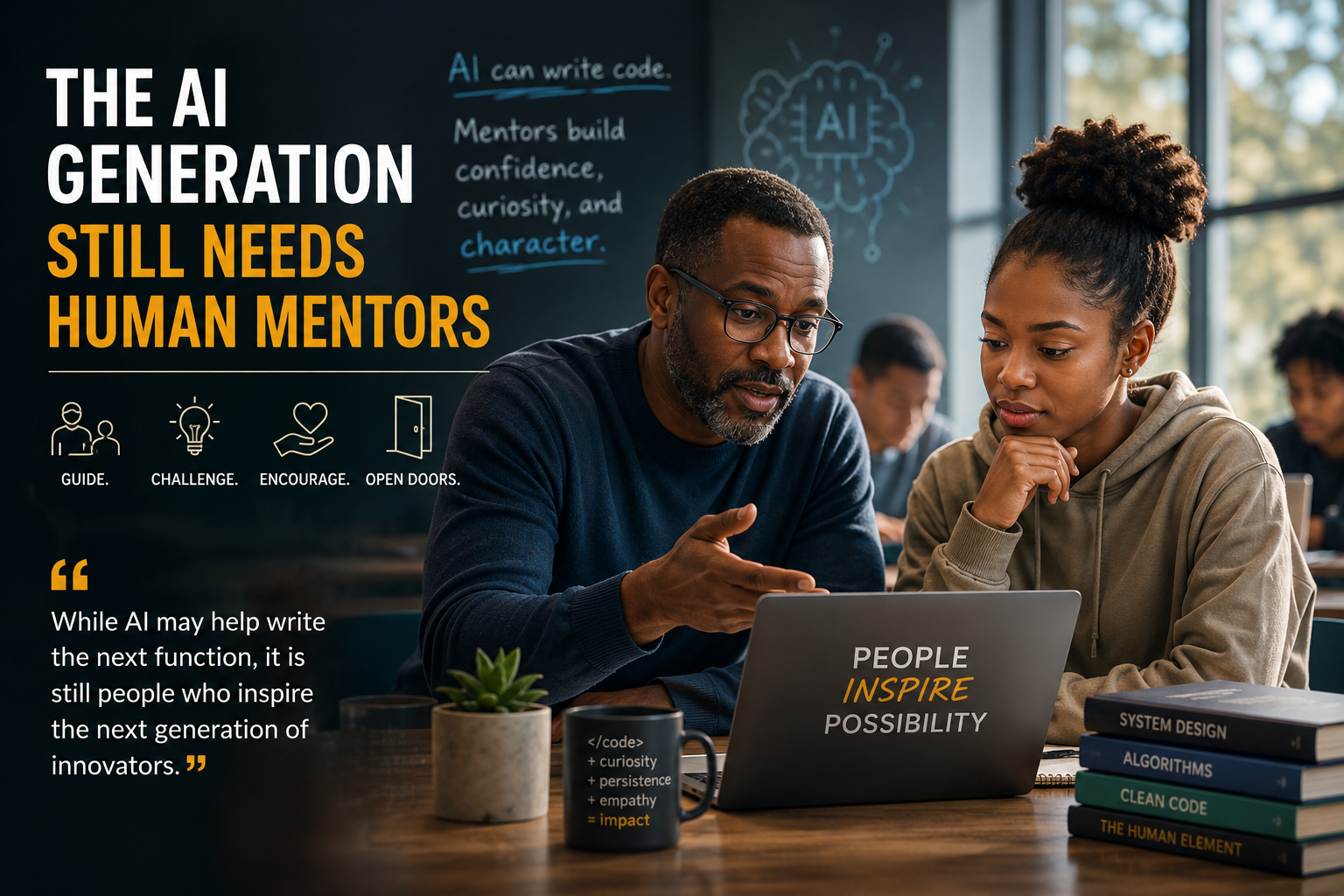
Artificial intelligence has become the newest member of nearly every software development team.

The true promise of computing is not found in the machines we build, but in the human potential we unlock when knowledge becomes accessible to everyone.
One of the reasons I value the MCT program so highly is that it represents more than technical knowledge.
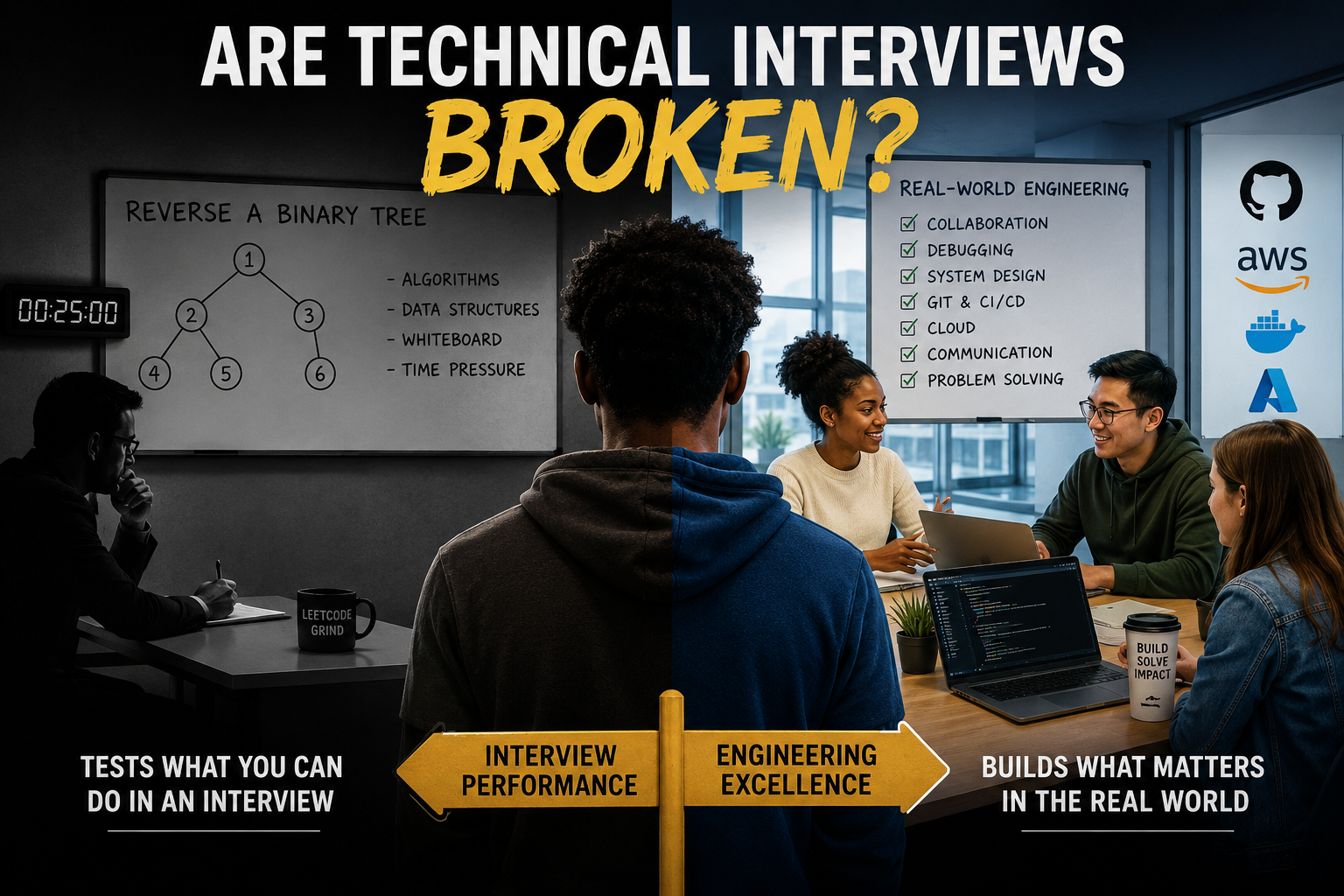
Software engineering is not simply coding.
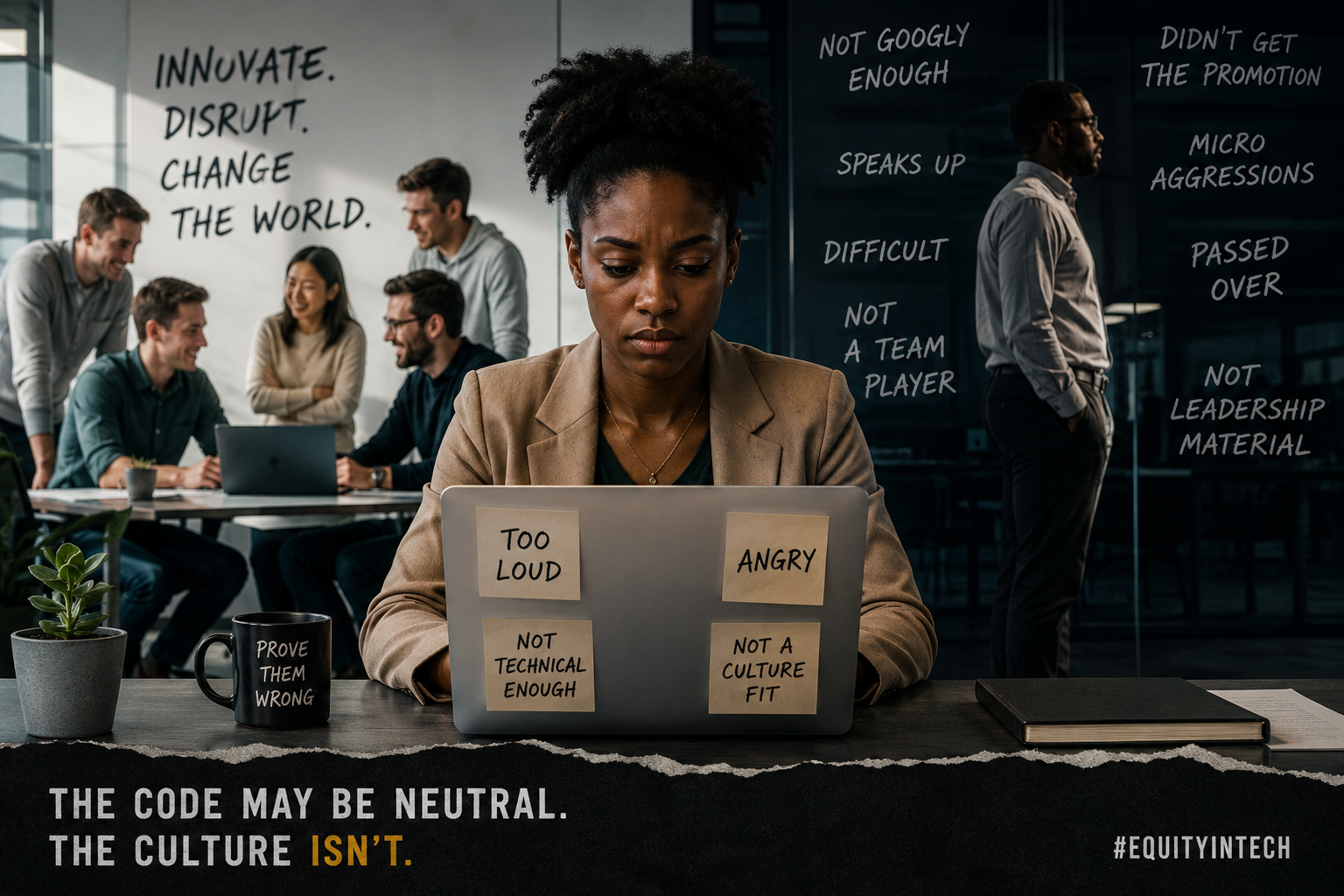
Companies often promote the idea that technical skill alone determines success.
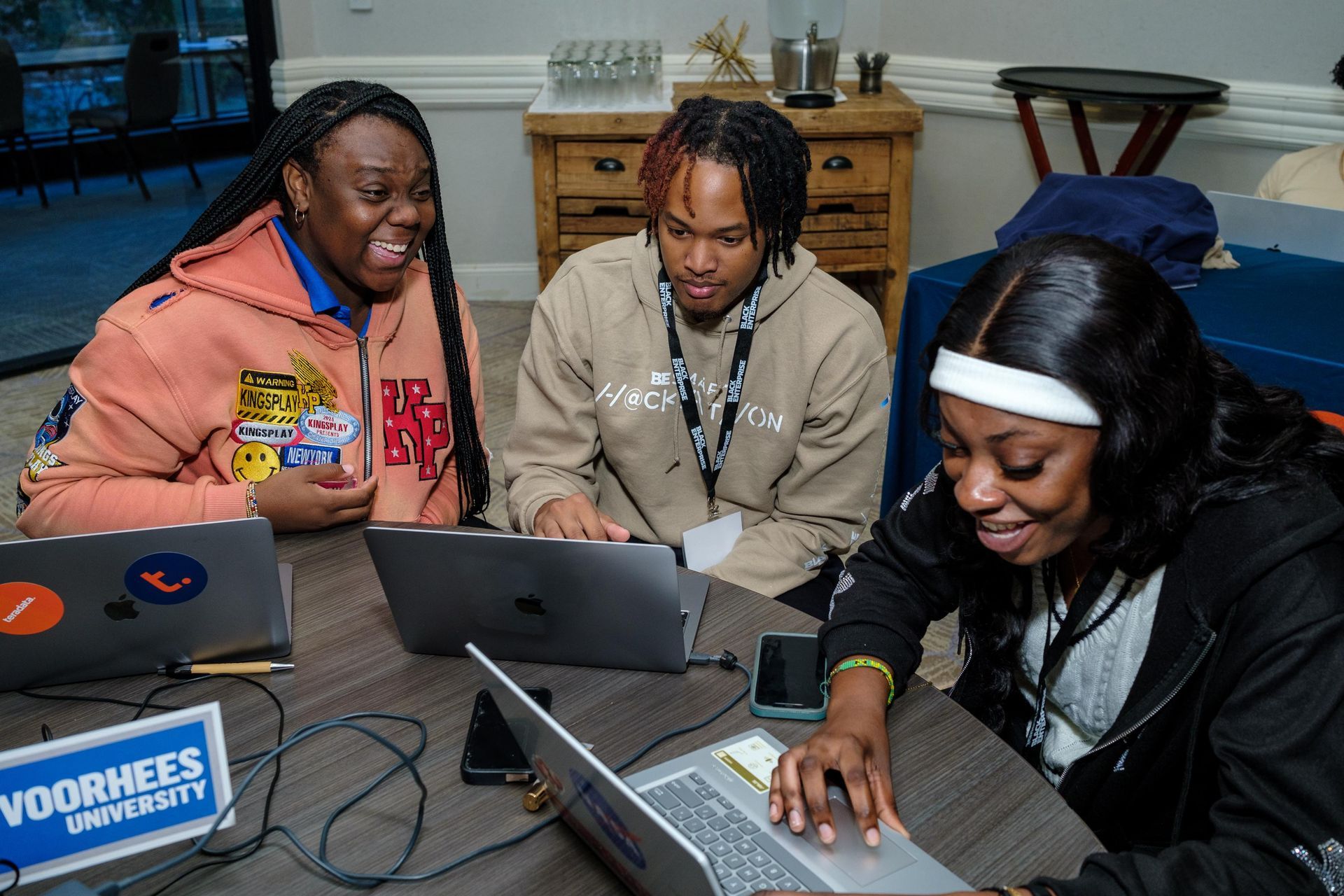
Hackathons also strengthen teamwork and communication skills.
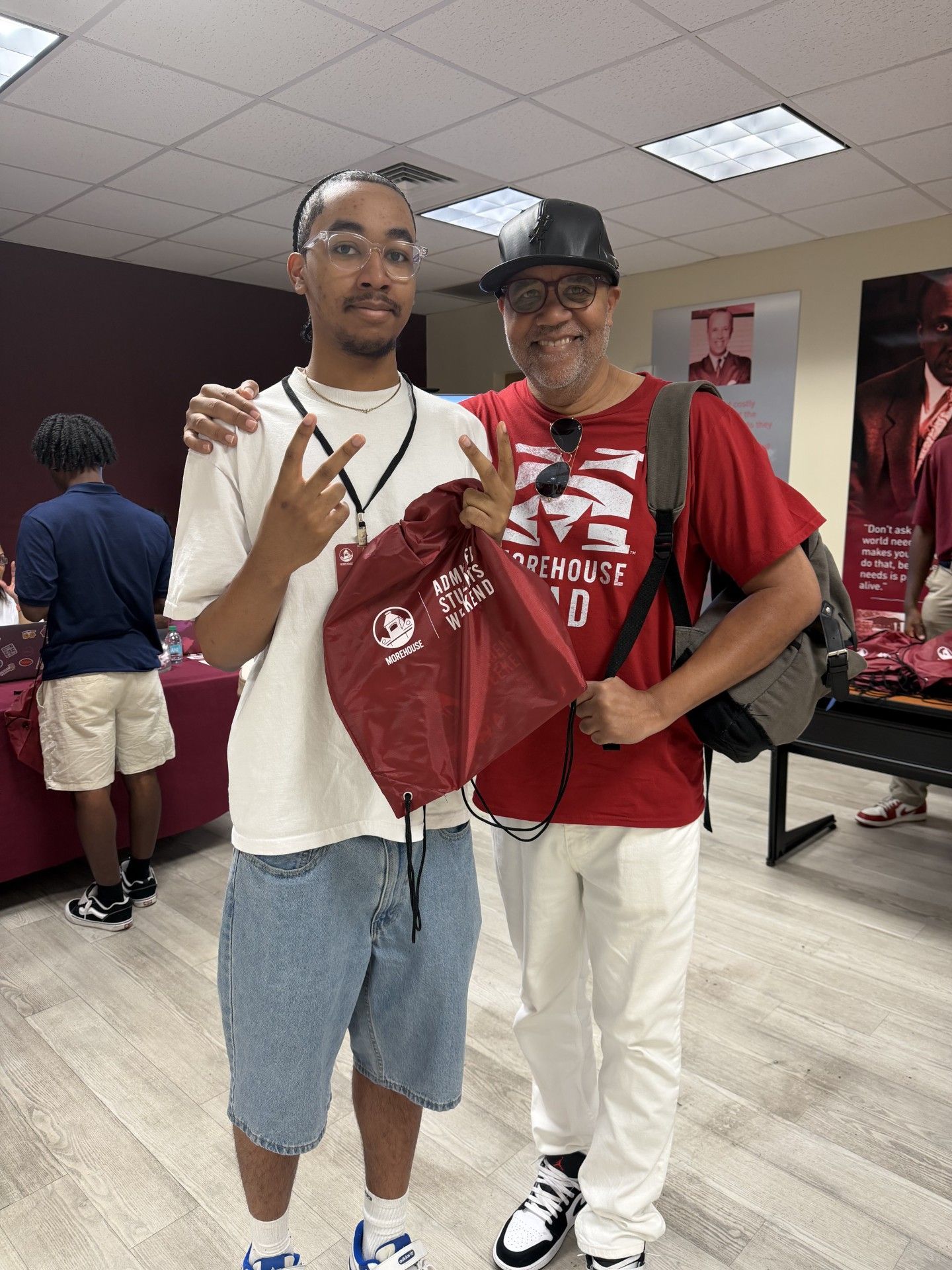
Stepping onto the campus of Morehouse College this past weekend for Admitted Students Day was more than a visit—it was a moment of reflection. As I watched young Black men walk with purpose across the yard, I found myself asking a simple but profound question: What would it have been like for me to study computer science here? My journey into computing was shaped in environments where I was often the only Black man in the room. That reality brings with it an unspoken weight—the need to prove you belong, the awareness of being watched, and sometimes, the quiet isolation that comes with underrepresentation. Standing at Morehouse, I realized that this burden is not a given. It is a condition of the environment. At Morehouse, the environment is different by design. Here, Black men are not anomalies—they are the standard. I imagined what it would feel like to learn algorithms, data structures, and software development in a space where my identity was not questioned but affirmed. Where excellence is expected, not in spite of who you are, but because of it. As a computer science professor, I understand the academic rigor required to succeed in this field. There is no shortcut through recursion, no bypass around debugging, no substitute for disciplined problem-solving. But what struck me during my visit is how much context matters. When students are free from the psychological burden of proving they belong, they can redirect that energy toward mastering the material. They can collaborate more openly, ask questions more freely, and take intellectual risks without fear. I also thought about legacy. At Morehouse, students walk the same grounds as Martin Luther King Jr.. That kind of history does something to a person. It raises the bar—not just academically, but personally. It invites students to see their education not just as a pathway to a career, but as preparation for impact. Leaving campus, I felt inspired—but also reflective. I cannot rewrite my journey, but I can appreciate what spaces like Morehouse offer the next generation. For a Black male pursuing computer science, it is more than a degree. It is an opportunity to develop skill, confidence, and identity in alignment. And that combination is powerful.