From the Ballot Box to the Computer Lab: How Laws Shape Black Participation in Technology
For generations, Black Americans were denied equal educational opportunities through legally enforced segregation and discriminatory practices.
Today, Americans are participating in the 2026 midterm elections. Much of the conversation will focus on political parties, candidates, and control of Congress.
But as a Black computer scientist, educator, and someone who has spent decades in the technology industry, I find myself thinking about a different question:
What does the right to vote have to do with the opportunity to participate in technology?
More than we might think.
The history of Black Americans in computing cannot be separated from the laws and policies that have shaped our access to education, employment, and economic opportunity.
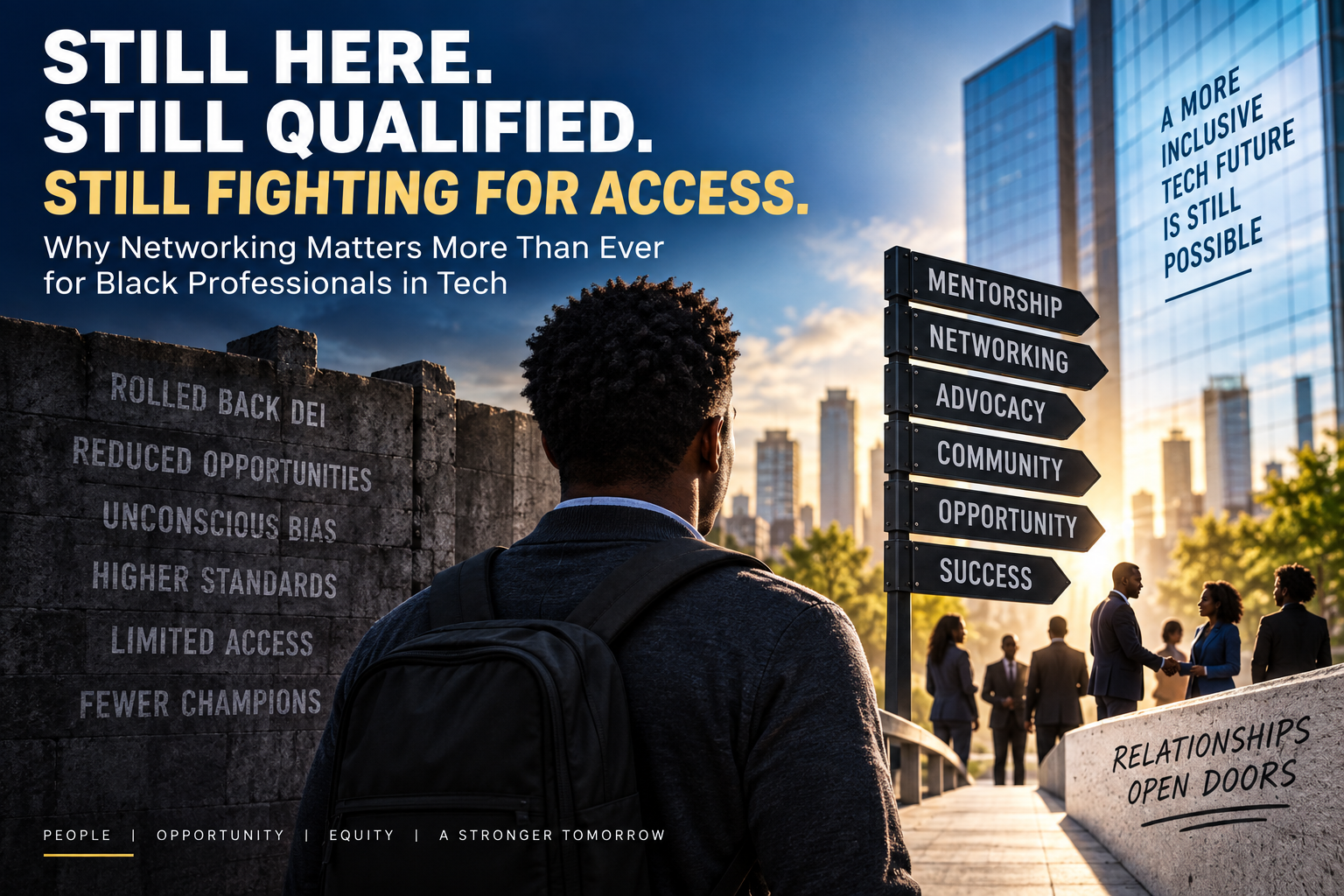
Talent Was Never the Issue. Access Was.
When we discuss the underrepresentation of Black Americans in computer science, we often focus on the need for more STEM programs, scholarships, mentorship, and coding opportunities.
Those efforts matter. But they address only part of the story.
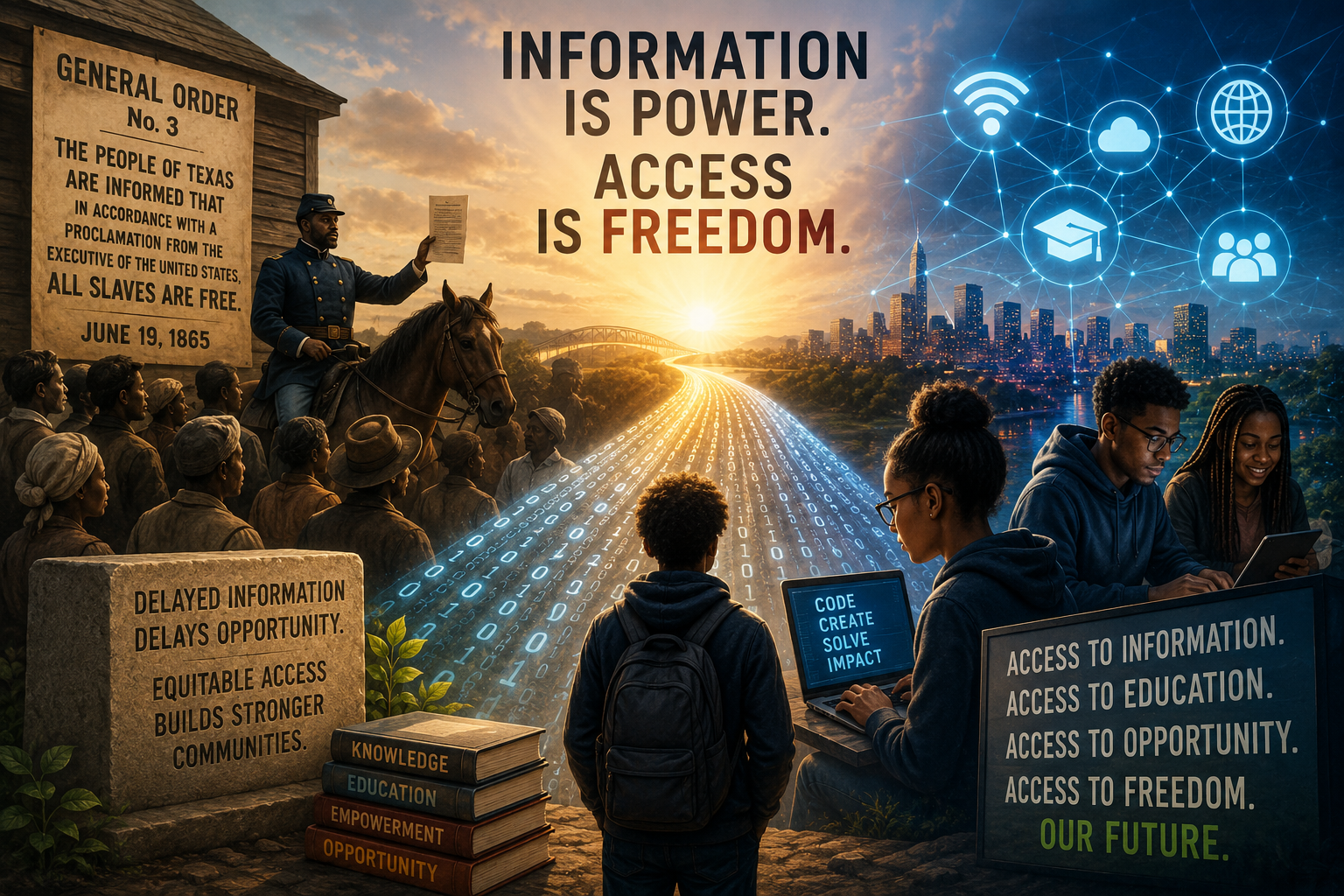
For generations, Black Americans were denied equal educational opportunities through legally enforced segregation and discriminatory practices.
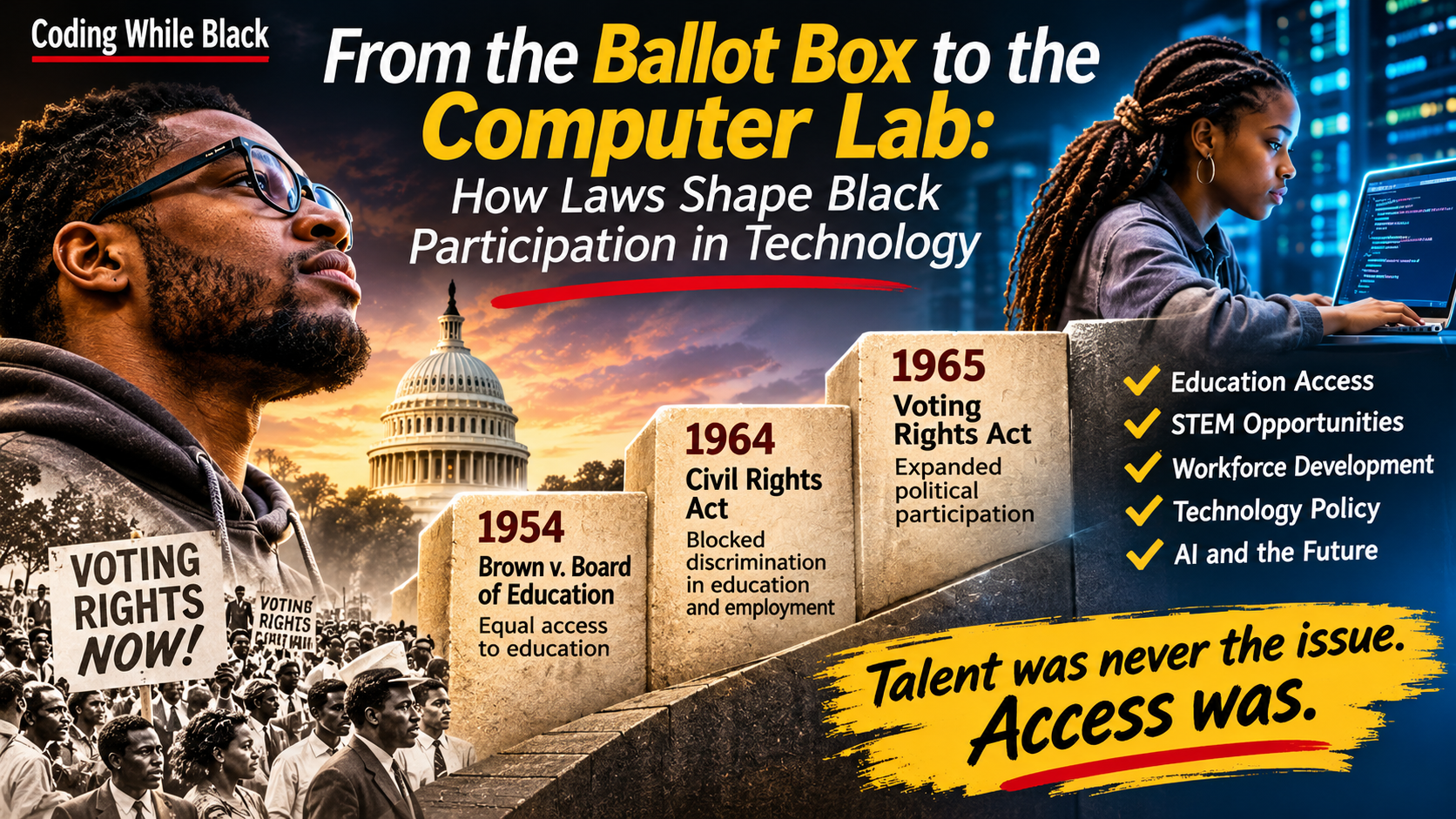
The Supreme Court's 1954 decision in Brown v. Board of Education challenged school segregation. The Civil Rights Act of 1964 established important protections against discrimination in education and employment.
These were not simply milestones in civil rights history. They helped change the legal landscape in which Black Americans pursued careers in science, engineering, mathematics, and computing.
Yet legislation alone could not erase generations of unequal access.
Talent was never the issue. Access was.
The Connection Between Voting and Computing
The Voting Rights Act of 1965 challenged discriminatory practices that had prevented generations of Black Americans from exercising political power.
But what does voting have to do with computer science?
Consider the decisions elected officials make.
They influence funding for public education, investments in technology infrastructure, workforce development programs, and the laws governing discrimination in employment.
These decisions can affect who has access to computer science education, who enters the technology workforce, and who has opportunities to advance.
The relationship is not always direct, and voting alone cannot guarantee equal opportunity. Nevertheless, political representation provides communities with a voice in decisions that influence their educational and economic futures.
The ballot box and the computer lab are more connected than we might realize.
The Next Challenge: Artificial Intelligence
Today, artificial intelligence is transforming the technology industry and society itself.
As someone who has spent years developing software, training technology professionals, and teaching computer science, I believe we must ask an important question:
Will Black Americans help shape the future of artificial intelligence, or will we primarily experience the consequences of technologies developed without our perspectives?
This question goes beyond teaching students to code.
It involves access to quality education, opportunities to develop technical expertise, participation in technology leadership, and representation in decisions about how emerging technologies are governed.
Public policy plays a role in all these areas.
And that brings us back to voting.
Coding While Black Is About More Than Code
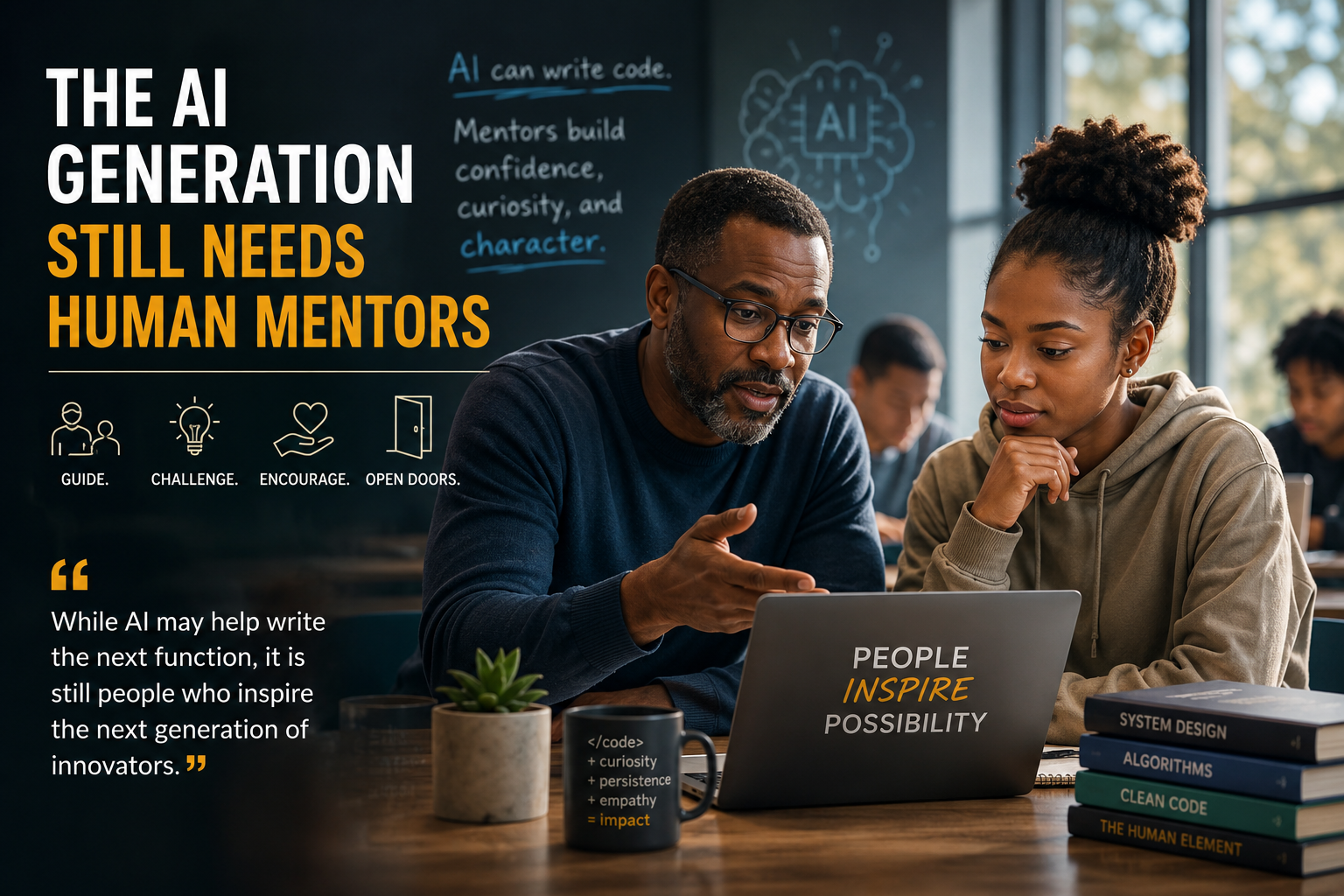
Throughout my career, I have learned that success in technology requires more than technical ability.
It also requires opportunity.
When we examine the history of Black participation in computing, we must consider not only the individuals who succeeded but also the barriers that prevented others from participating.
On this Election Day, I am reminded that political participation and technological participation share something important: both influence who gets to help shape our future.
As we work toward greater Black participation in computing, we cannot ignore the laws, policies, and institutions that influence access to opportunity.
Because the future of Black Americans in technology will not be determined by coding skills alone.
From the ballot box to the computer lab, participation matters.