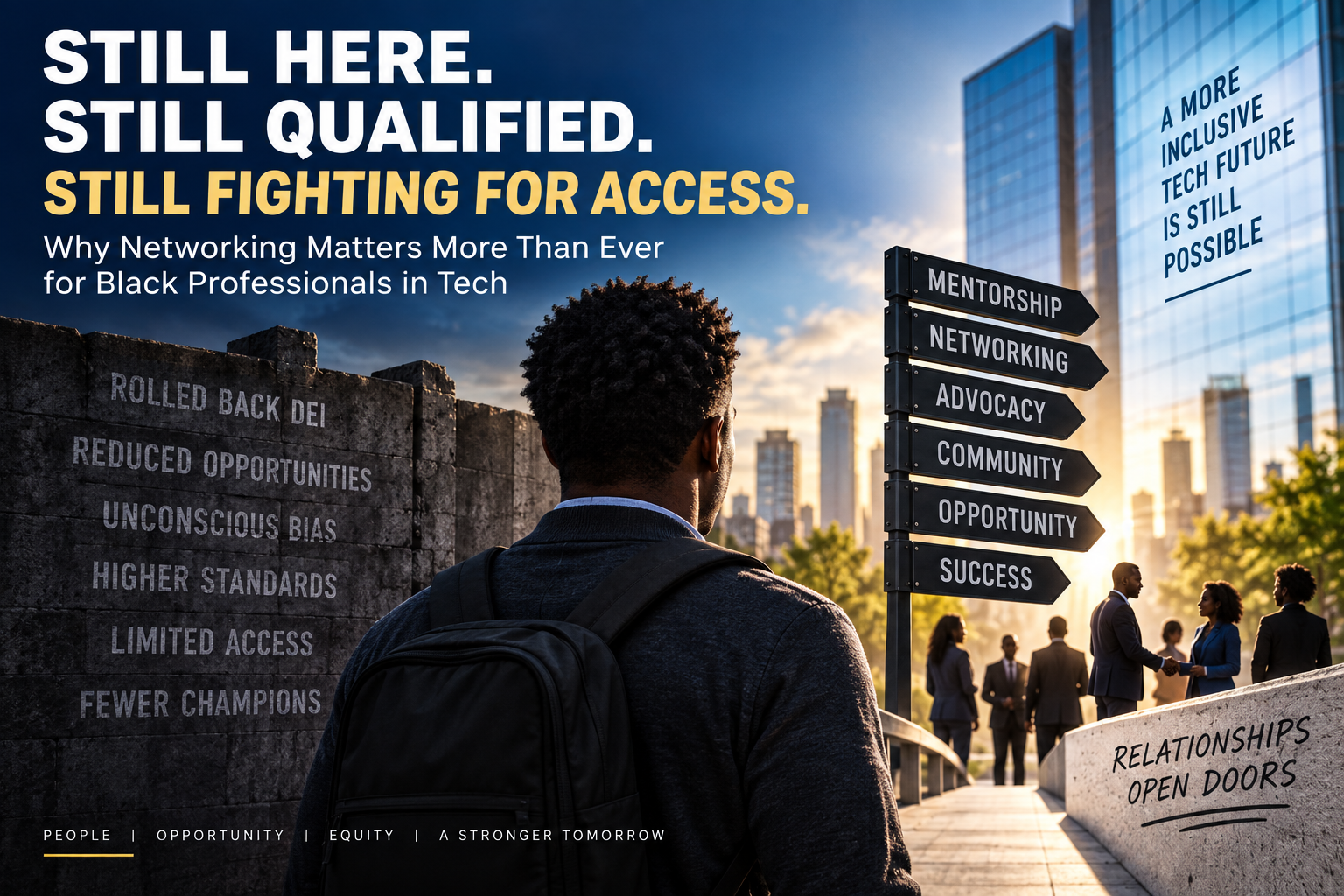
The Tech Industry’s Race Problem Is Bigger Than Google
Companies often promote the idea that technical skill alone determines success.

The recent $50 million settlement involving allegations of racial discrimination against Black employees at Google has once again forced the technology industry to confront a difficult reality: racism in tech is not limited to isolated incidents or individual bad actors. Increasingly, lawsuits and public testimonies suggest that anti-Blackness may be embedded within the culture and power structures of many technology companies.
According to the lawsuit against Google, Black employees alleged they were hired into lower-level positions, denied promotions, paid less than similarly qualified peers, and subjected to biased workplace evaluations. One of the most widely discussed allegations involved the phrase “not Googly enough,” which plaintiffs argued operated as coded language that excluded Black employees from fitting into the company’s culture. Google denied wrongdoing, but the size and visibility of the settlement intensified conversations about race in Silicon Valley.
Unfortunately, Google is not alone.
At Pinterest, former Black employees publicly described experiences involving underpayment, retaliation, and exclusion from advancement opportunities. Some employees claimed that despite strong performance, they were marginalized after raising concerns about racial inequities inside the company. Their stories became nationally significant and helped fuel broader conversations about workplace discrimination and the silencing of employees through nondisclosure agreements.
At Meta, current and former employees have also raised concerns about inequitable treatment and barriers to advancement for Black professionals. Critics described a disconnect between public diversity messaging and internal workplace realities. Some former employees referred to these efforts as “diversity theater” — visible commitments to inclusion that failed to produce meaningful structural change within the organization.
Similar concerns have also surfaced at Amazon. Black corporate employees and former managers have spoken publicly about disparities in promotion opportunities, workplace isolation, and retaliation after raising concerns related to race and equity. Some workers described feeling heavily recruited for diversity initiatives but inadequately supported once inside the organization.
A troubling pattern emerges across these cases. Black professionals are often aggressively recruited as part of diversity initiatives, yet many later describe experiences of exclusion from influential networks, biased evaluations, limited mentorship opportunities, and retaliation for speaking openly about inequities.
What makes these allegations especially important is that the tech industry often presents itself as purely merit-based. Companies frequently suggest that technical ability alone determines who succeeds. Yet these cases reveal how subjective concepts such as “culture fit,” communication style, and leadership presence can shape who is viewed as promotable, collaborative, or worthy of opportunity.
The Google settlement should not be viewed simply as a legal dispute involving one company. It should be understood as part of a broader reckoning within the technology industry itself — one that raises difficult questions about race, power, and belonging in the very institutions shaping our digital future.