
Coding the Future: What Aspiring Software Developers Must Master in 2026
Dr. Kai Dupe • January 2, 2026
At the top of the priority list is AI-driven development.
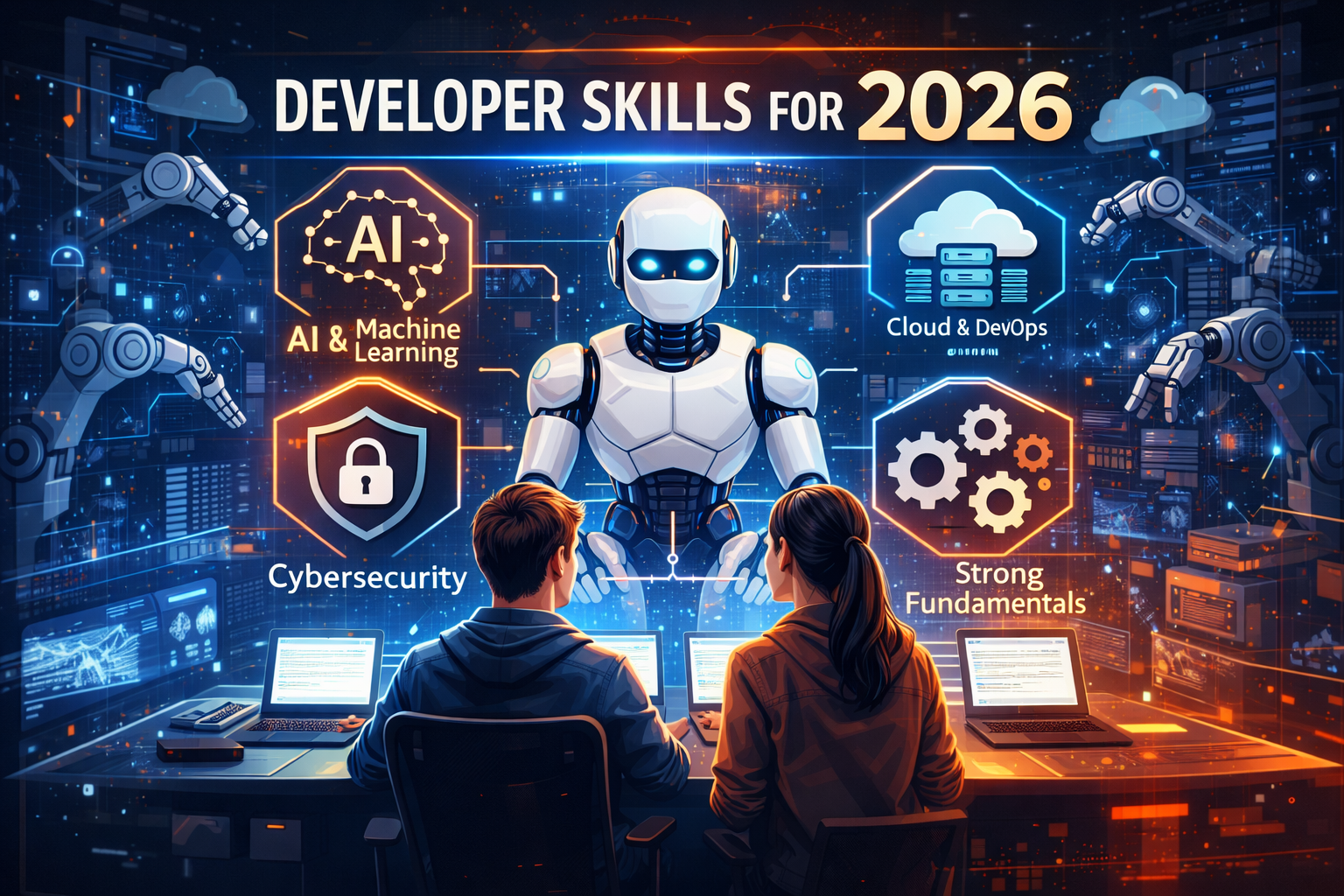
Every few years, the tech industry reinvents itself. New tools appear, old practices fade, and entire job roles evolve. As we move toward 2026, one thing is clear: the definition of “software developer” is expanding. Writing code is still essential — but today’s successful developers must also think like system architects, security analysts, automation engineers, and lifelong learners.
At the top of the priority list is AI-driven development. Artificial intelligence is no longer just a feature inside applications; it is becoming a core collaborator in the development process. Tools like GitHub Copilot and large language models are reshaping how code is written, tested, and maintained. Aspiring developers should focus on learning how to integrate AI into workflows, design prompts effectively, and understand how these systems generate and evaluate code. Those who treat AI as a productivity partner — rather than a shortcut — will move faster and build better software.
Equally important is cloud and automation fluency. In 2026, nearly every serious application will be cloud-based. Developers must be comfortable working with platforms such as AWS, Azure, or Google Cloud, and understand cloud-native design: microservices, serverless computing, containerization, and continuous integration pipelines. Automation is now part of the developer’s job description. Knowing how to deploy, monitor, and scale software is just as important as writing it.
With this growing complexity comes increased risk, making cybersecurity and secure coding
non-negotiable. Modern developers must think about security from the first line of code: managing credentials, protecting APIs, preventing injection attacks, and integrating security checks into development pipelines. Security literacy will increasingly separate entry-level developers from trusted professionals.
Yet for all the new tools and trends, strong fundamentals
remain the backbone of the profession. Algorithms, data structures, debugging, and system design still determine whether software performs well, scales, and remains maintainable. AI may generate code, but it cannot replace sound engineering judgment.
Finally, the developers who thrive in 2026 will possess exceptional human skills: communication, collaboration, adaptability, and curiosity. Technology evolves too quickly for any single skillset to last a career. The most valuable developers are those who learn continuously and translate complex technical ideas into real business solutions.
The future of software development isn’t about chasing every new trend — it’s about building a resilient foundation and learning how to evolve with the industry. That’s the real competitive advantage.
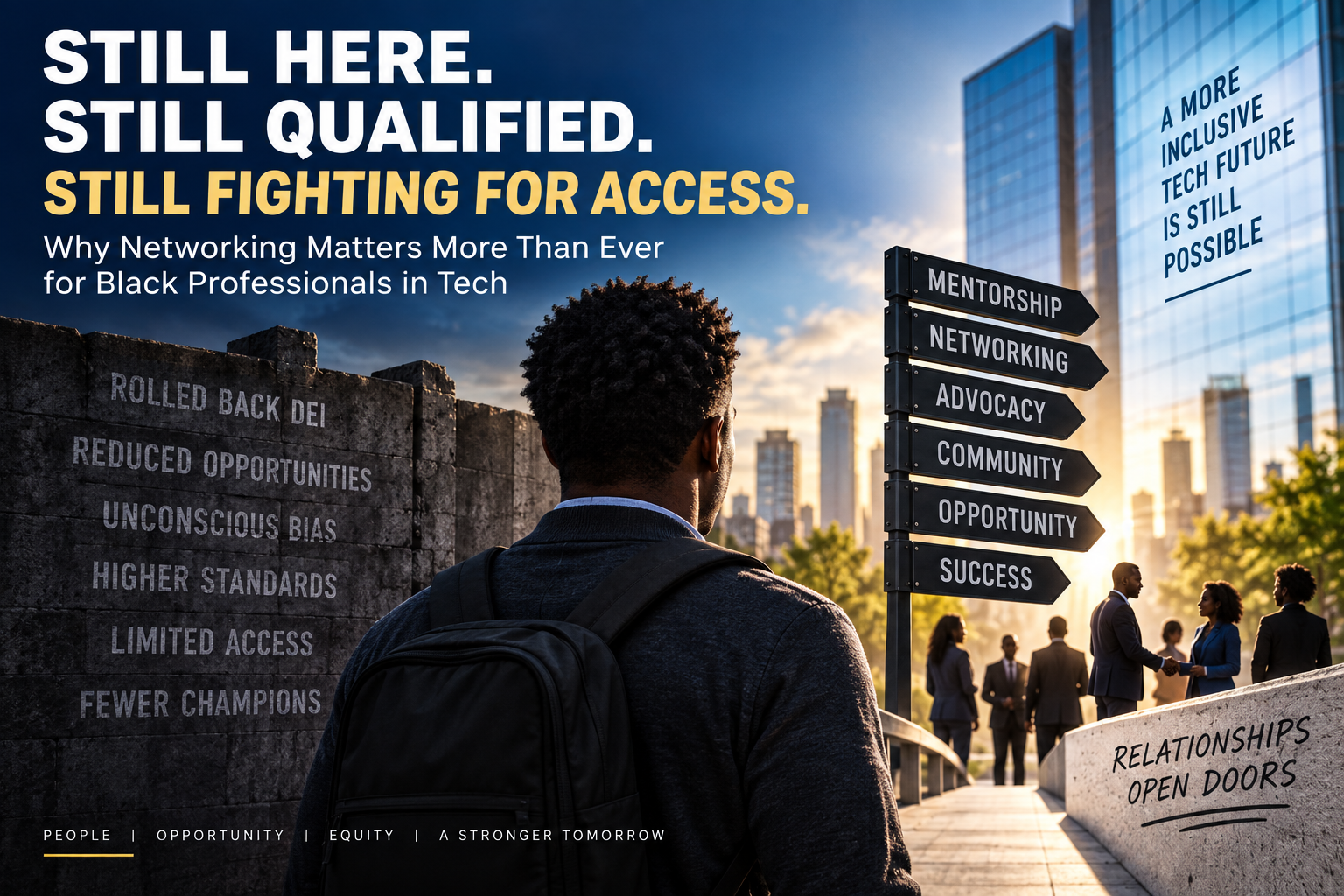
A mentor gives you advice. A sponsor creates opportunities.
Representation alone will not solve the persistent racial disparities in computing.
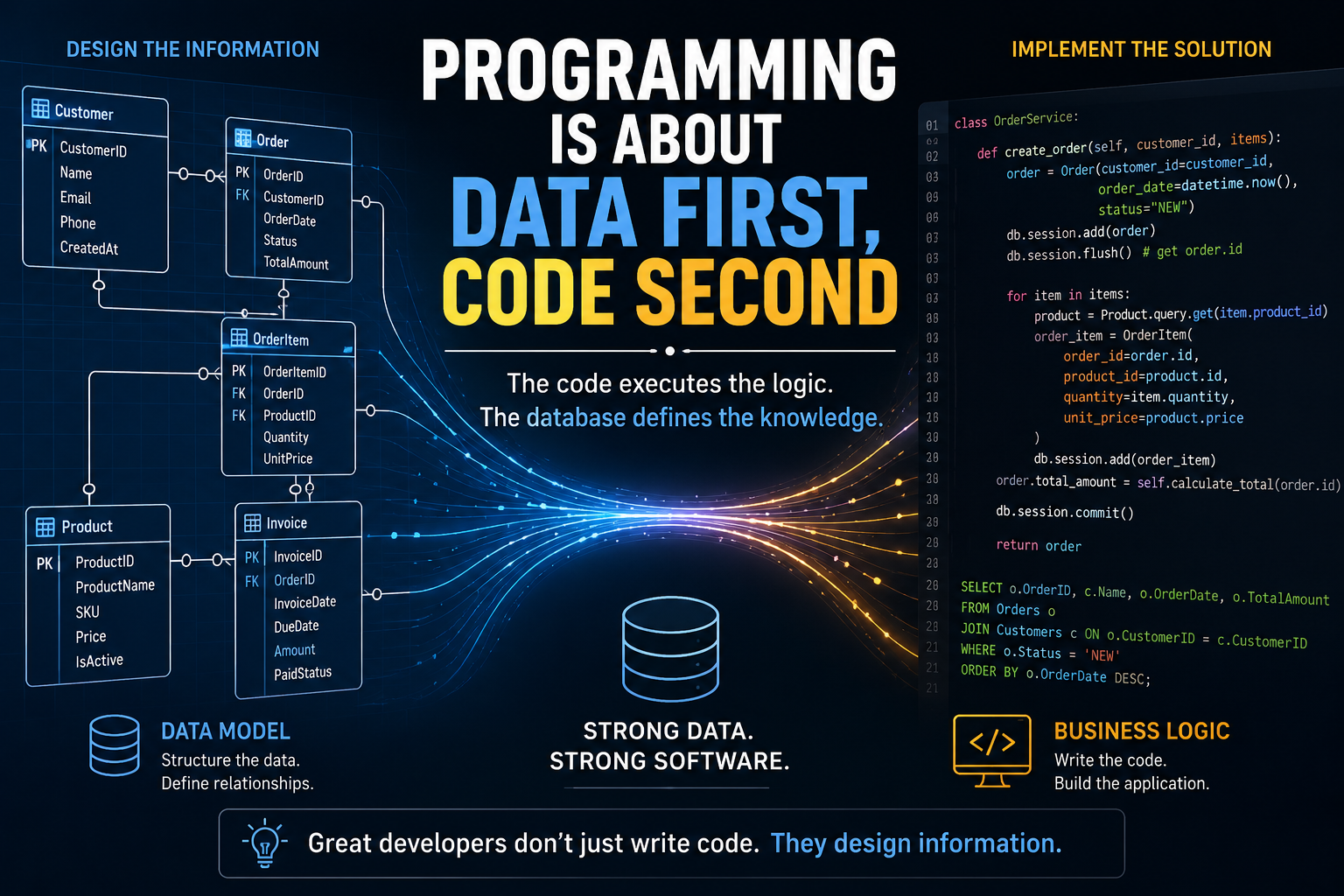
The truth is that most software applications exist to manage information.
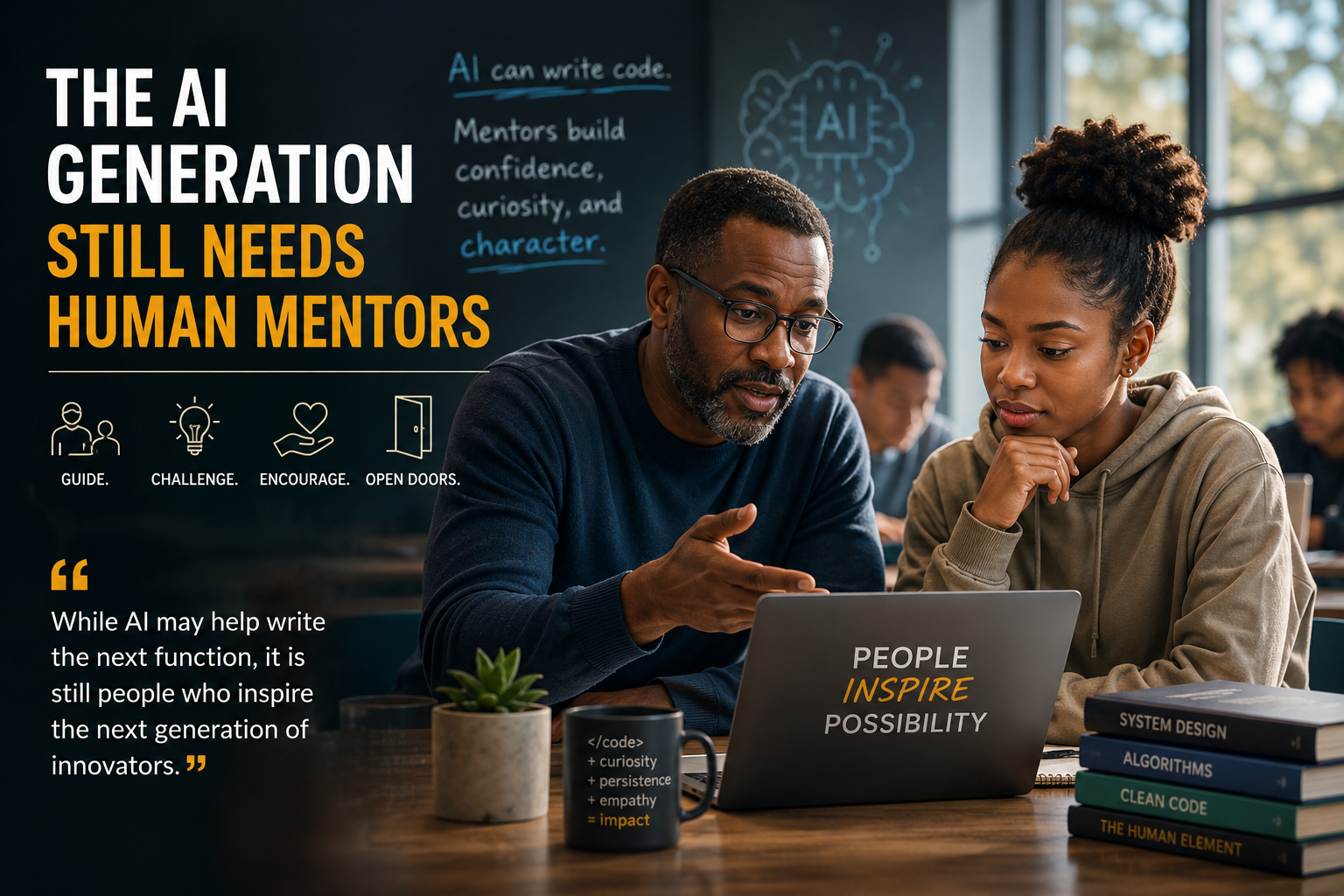
Artificial intelligence has become the newest member of nearly every software development team.

The true promise of computing is not found in the machines we build, but in the human potential we unlock when knowledge becomes accessible to everyone.

One of the reasons I value the MCT program so highly is that it represents more than technical knowledge.
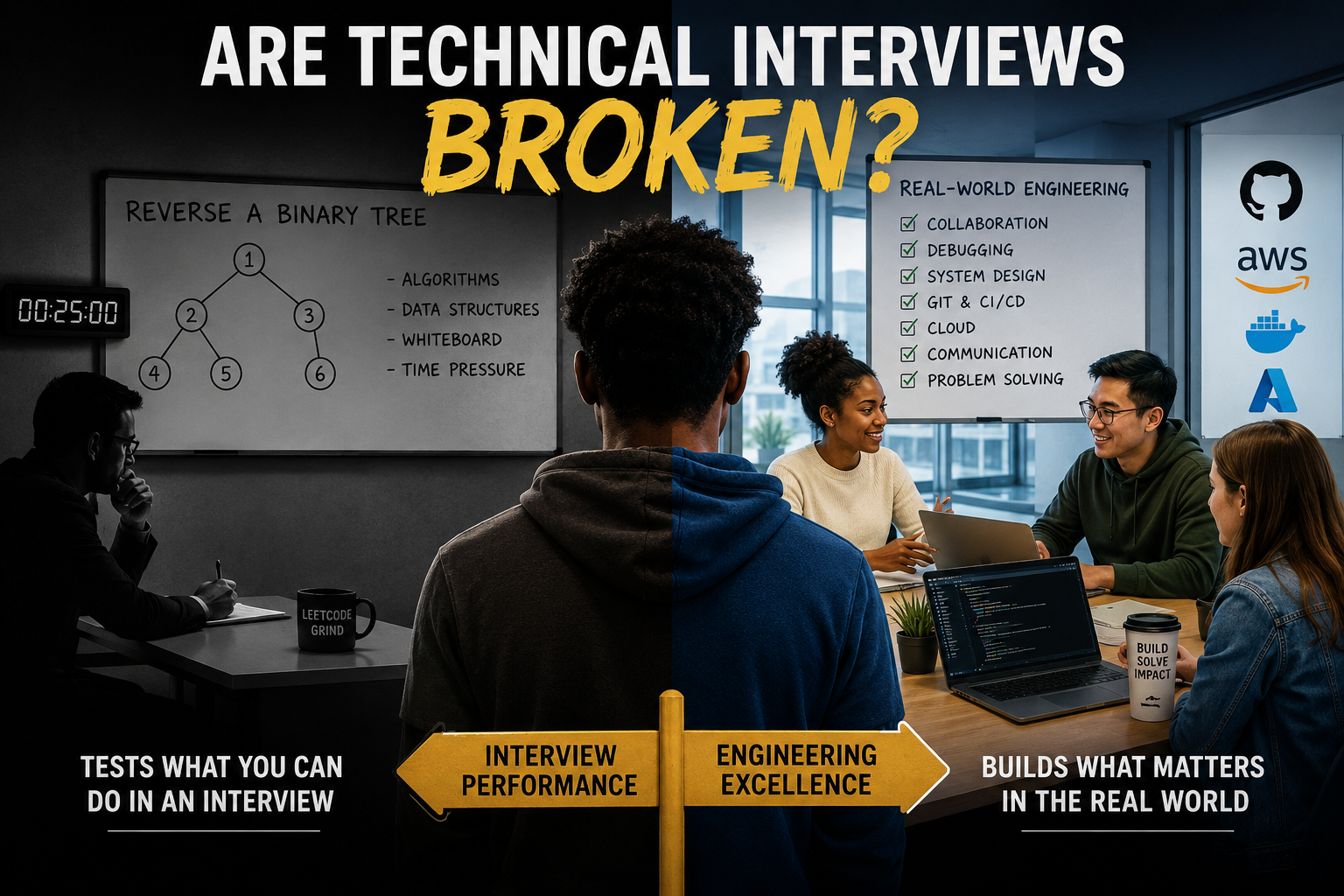
Software engineering is not simply coding.

Companies often promote the idea that technical skill alone determines success.
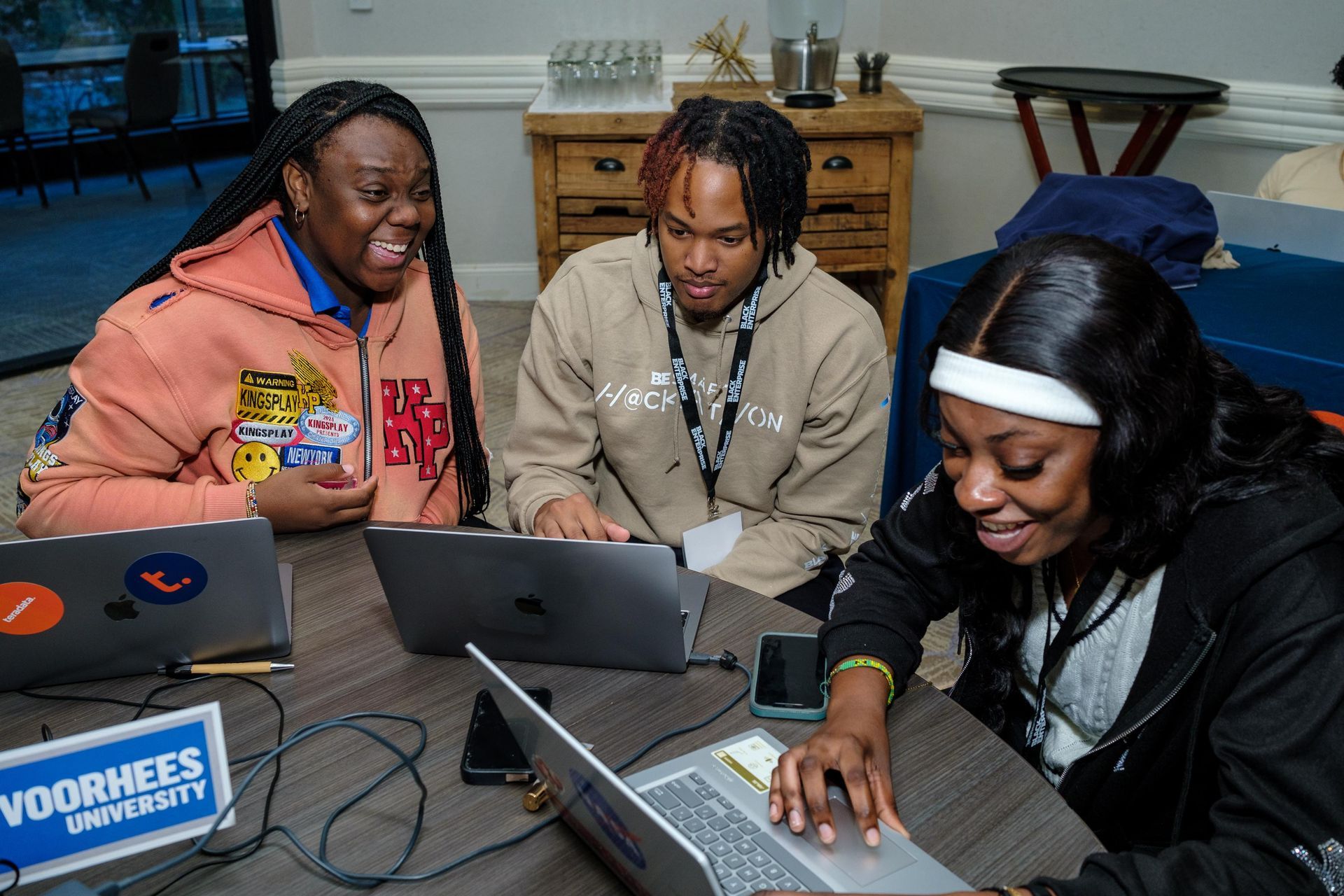
Hackathons also strengthen teamwork and communication skills.
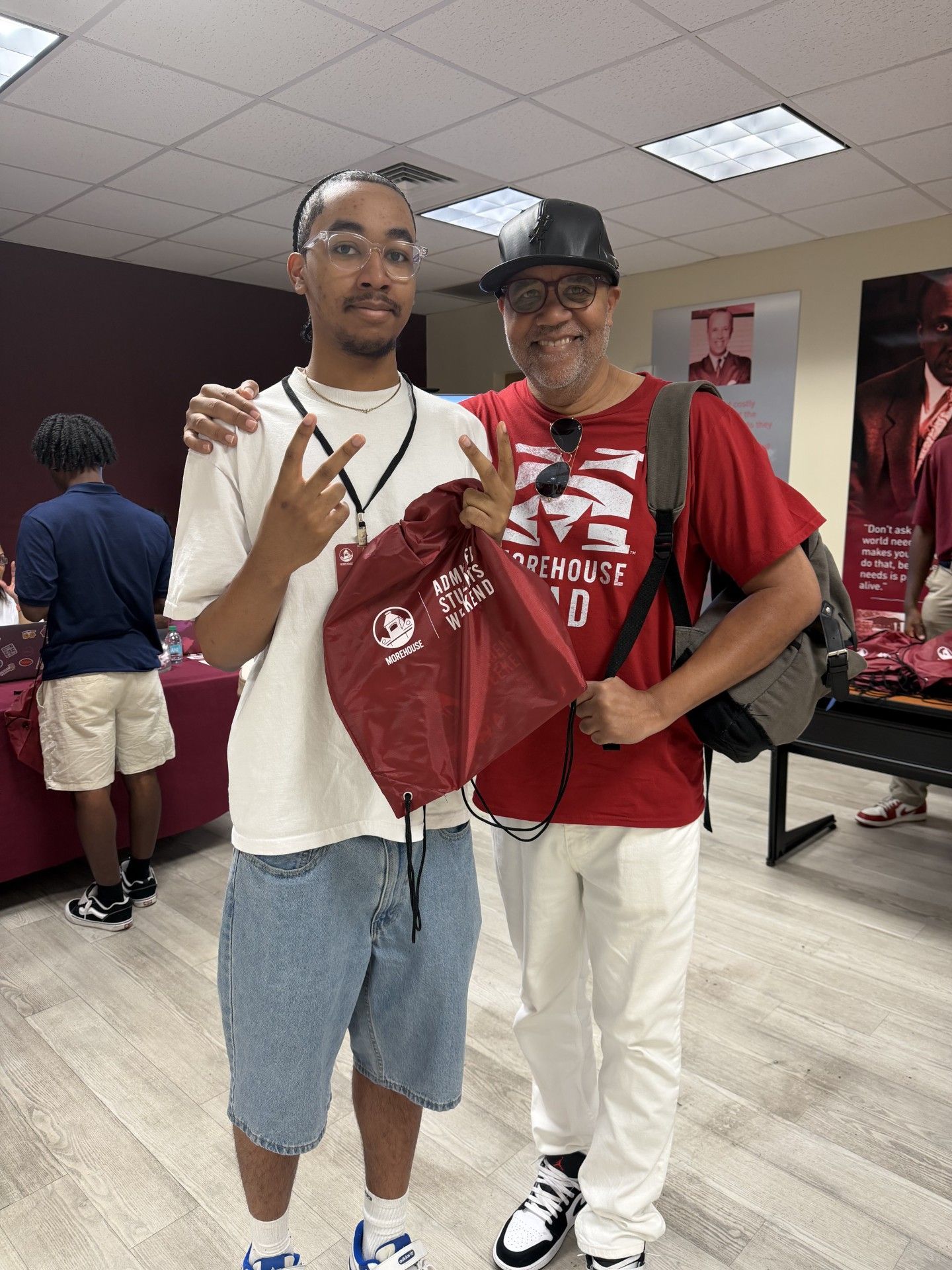
Stepping onto the campus of Morehouse College this past weekend for Admitted Students Day was more than a visit—it was a moment of reflection. As I watched young Black men walk with purpose across the yard, I found myself asking a simple but profound question: What would it have been like for me to study computer science here? My journey into computing was shaped in environments where I was often the only Black man in the room. That reality brings with it an unspoken weight—the need to prove you belong, the awareness of being watched, and sometimes, the quiet isolation that comes with underrepresentation. Standing at Morehouse, I realized that this burden is not a given. It is a condition of the environment. At Morehouse, the environment is different by design. Here, Black men are not anomalies—they are the standard. I imagined what it would feel like to learn algorithms, data structures, and software development in a space where my identity was not questioned but affirmed. Where excellence is expected, not in spite of who you are, but because of it. As a computer science professor, I understand the academic rigor required to succeed in this field. There is no shortcut through recursion, no bypass around debugging, no substitute for disciplined problem-solving. But what struck me during my visit is how much context matters. When students are free from the psychological burden of proving they belong, they can redirect that energy toward mastering the material. They can collaborate more openly, ask questions more freely, and take intellectual risks without fear. I also thought about legacy. At Morehouse, students walk the same grounds as Martin Luther King Jr.. That kind of history does something to a person. It raises the bar—not just academically, but personally. It invites students to see their education not just as a pathway to a career, but as preparation for impact. Leaving campus, I felt inspired—but also reflective. I cannot rewrite my journey, but I can appreciate what spaces like Morehouse offer the next generation. For a Black male pursuing computer science, it is more than a degree. It is an opportunity to develop skill, confidence, and identity in alignment. And that combination is powerful.