
The Cost of Erasure: How Omitted Black Contributions Shape Computing’s Present
Dr. Kai Dupe • February 1, 2026
The underrepresentation of African Americans in computing cannot be solved by recruitment alone.

The field of computing is often portrayed as a neutral, merit-based domain driven solely by innovation and technical brilliance. Yet this narrative obscures a critical truth: the systematic omission of Black contributions from computing history has materially shaped who feels welcome, visible, and valued in the field today. The underrepresentation of African Americans in computing is not an accident of interest or aptitude—it is the cumulative result of historical erasure, structural barriers, and distorted storytelling.
Factor 1: Historical Erasure from Canonical Narratives
Black technologists played foundational roles in early computing—as mathematicians, programmers, systems architects, and trainers—yet their work has been routinely excluded from textbooks, curricula, and popular histories. As documented in Hidden Figures
by Margot Lee Shetterly, Black women were essential to NASA’s computational breakthroughs, but their contributions remained invisible for decades. This erasure sends a powerful signal: computing is framed as a space where Black excellence is anomalous rather than foundational.
Factor 2: Structural Barriers to Access and Credentialing
Beyond storytelling, African Americans were systematically excluded from the institutions that conferred legitimacy in computing—elite universities, corporate research labs, and early tech firms. Historian Joy Lisi Rankin documents how access to early computer systems was tightly controlled, favoring already-privileged institutions and populations. Even when Black technologists contributed, intellectual credit and ownership often flowed elsewhere.
Factor 3: The Myth of the Lone Genius Technologist
Dominant computing narratives emphasize individual genius—often white and male—while minimizing collaborative and community-based labor. Scholar Ruha Benjamin argues that these narratives reinforce racial hierarchies by defining innovation narrowly and excluding socially grounded forms of technical expertise.
Conclusion
The underrepresentation of African Americans in computing cannot be solved by recruitment alone. It requires historical repair—restoring omitted contributions, reframing who computing is for, and teaching students that Black people have always been builders of digital futures.
Sources:
Shetterly, M. L. (2016). Hidden Figures. HarperCollins.
Rankin, J. L. (2018). A People’s History of Computing in the United States. Harvard University Press.
Benjamin, R. (2019). Race After Technology. Polity Press.

A mentor gives you advice. A sponsor creates opportunities.
Representation alone will not solve the persistent racial disparities in computing.
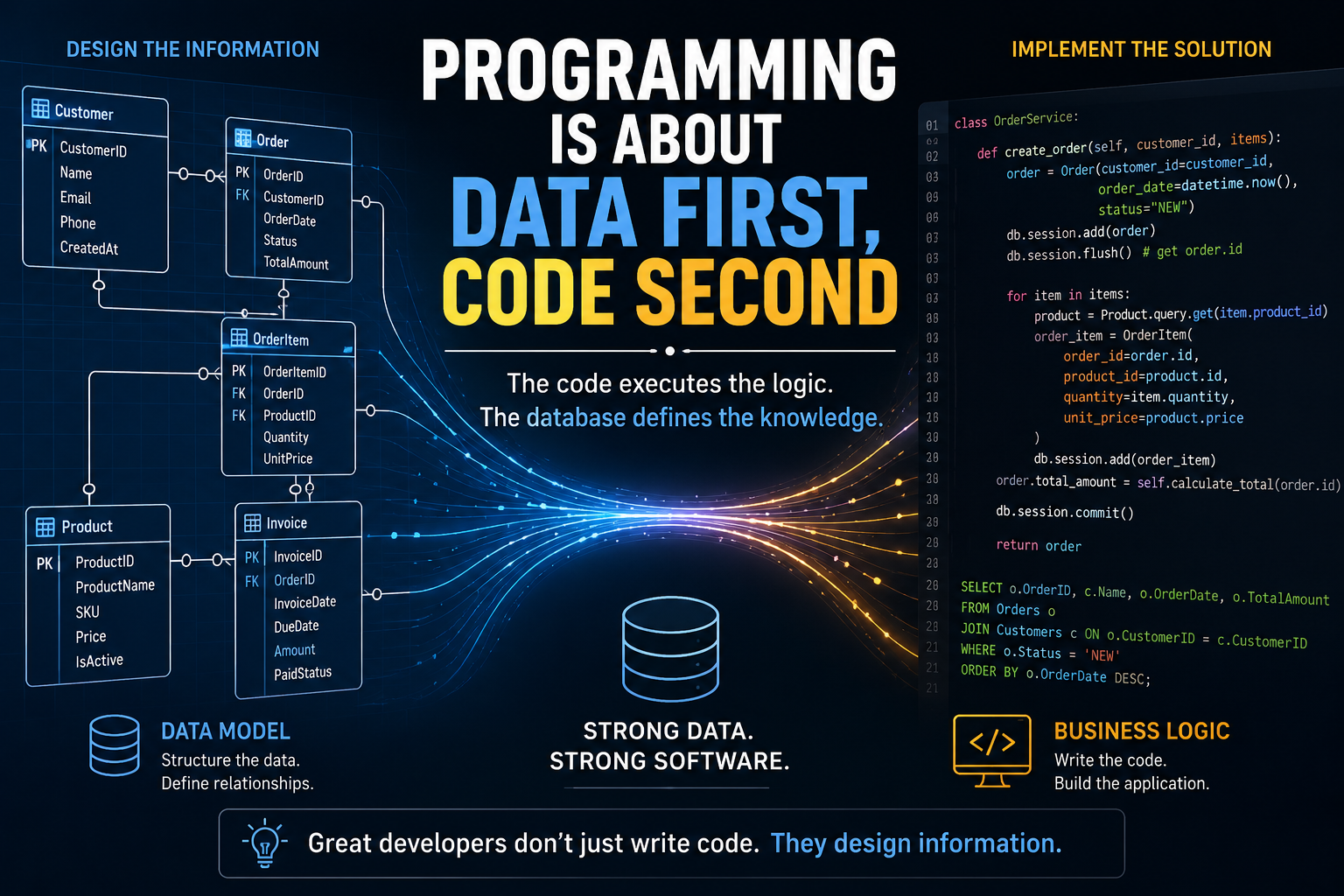
The truth is that most software applications exist to manage information.
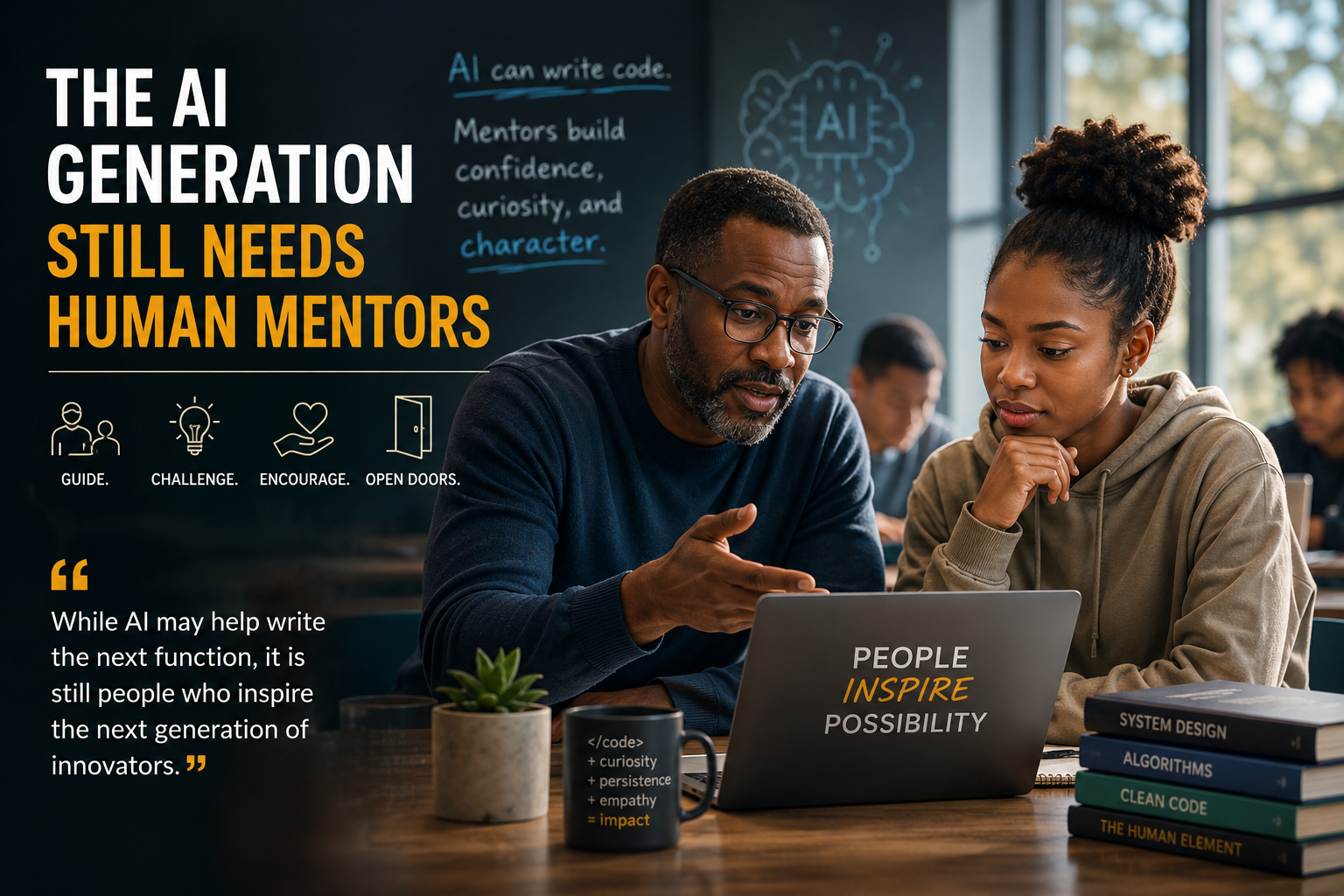
Artificial intelligence has become the newest member of nearly every software development team.

The true promise of computing is not found in the machines we build, but in the human potential we unlock when knowledge becomes accessible to everyone.

One of the reasons I value the MCT program so highly is that it represents more than technical knowledge.

Software engineering is not simply coding.
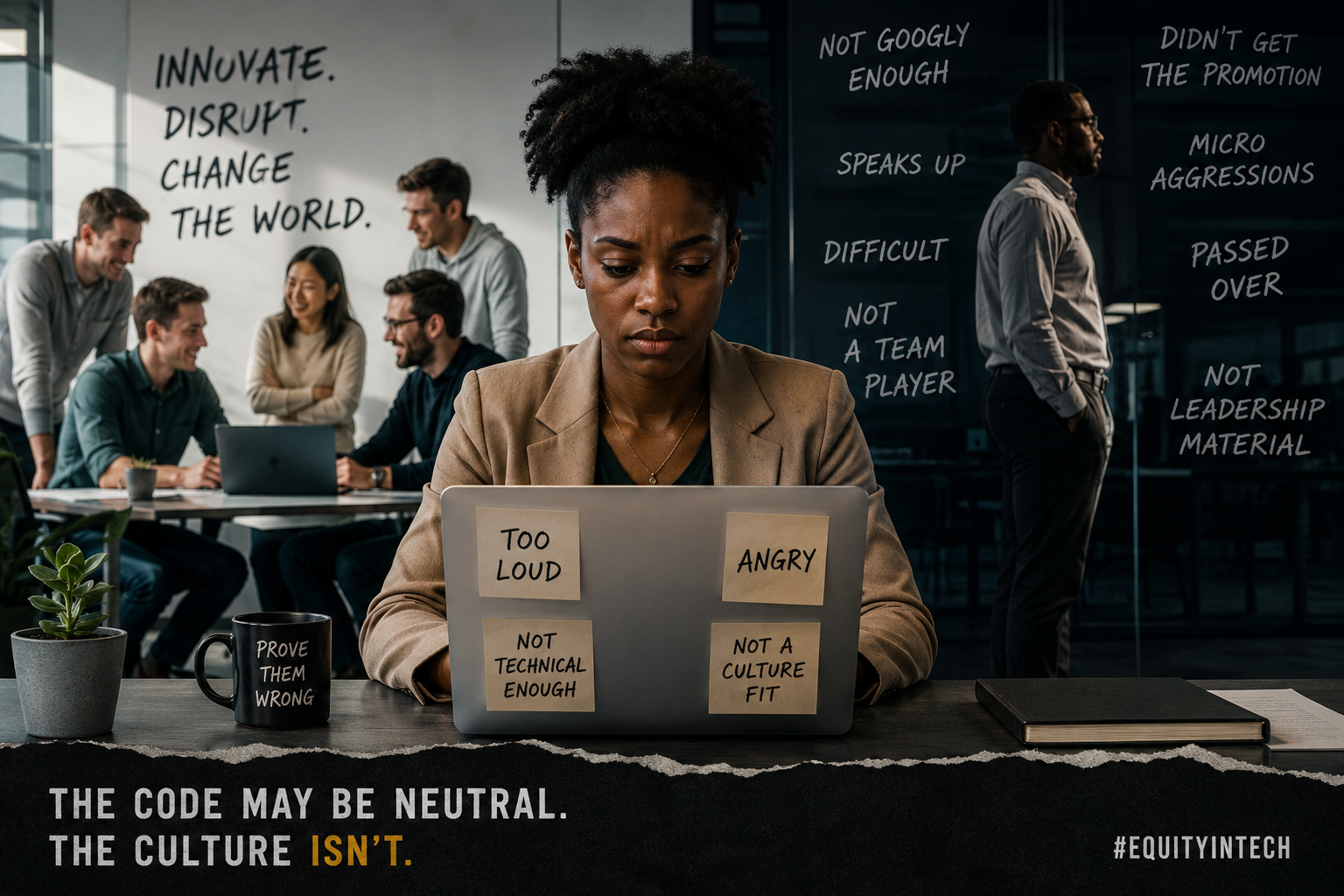
Companies often promote the idea that technical skill alone determines success.
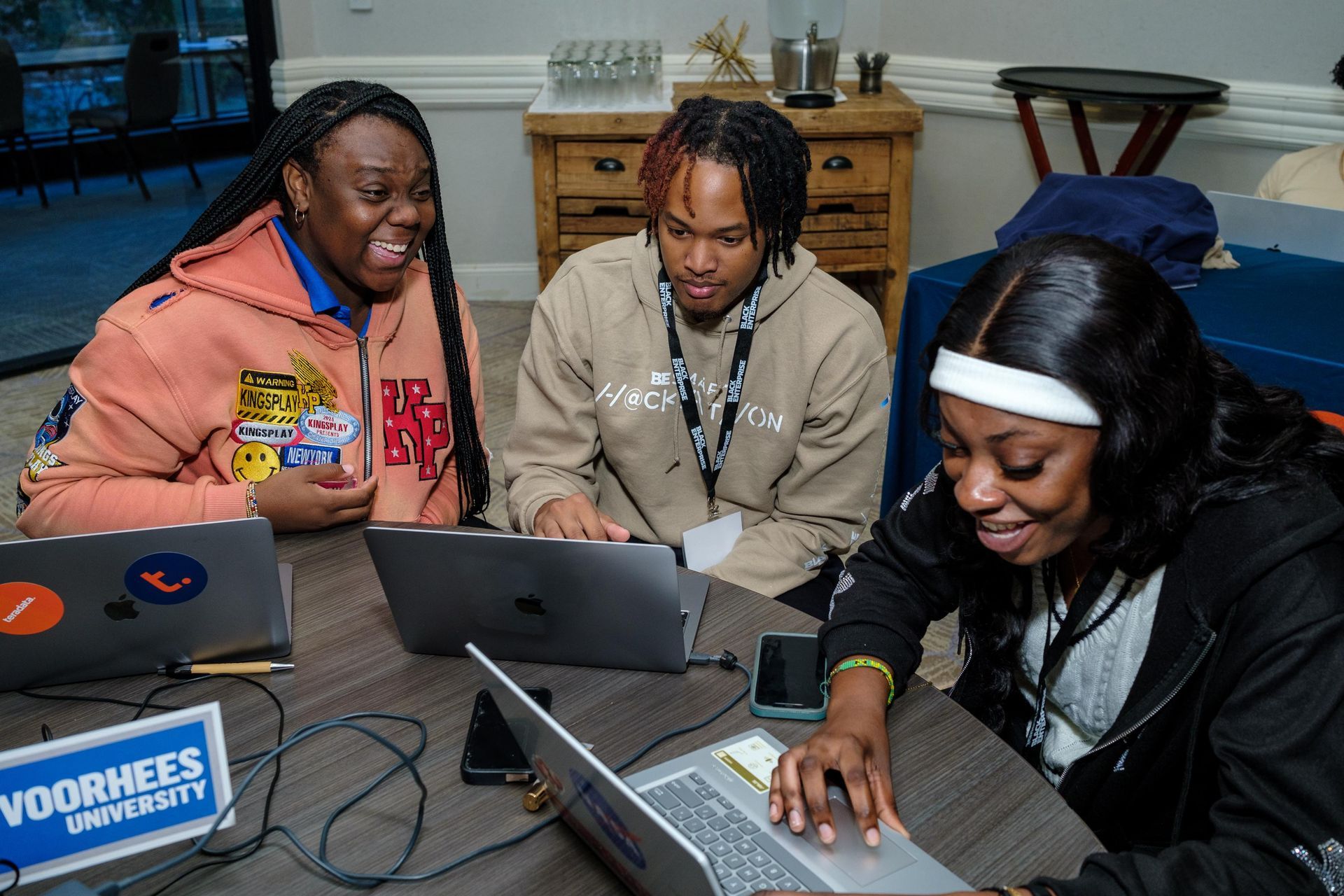
Hackathons also strengthen teamwork and communication skills.
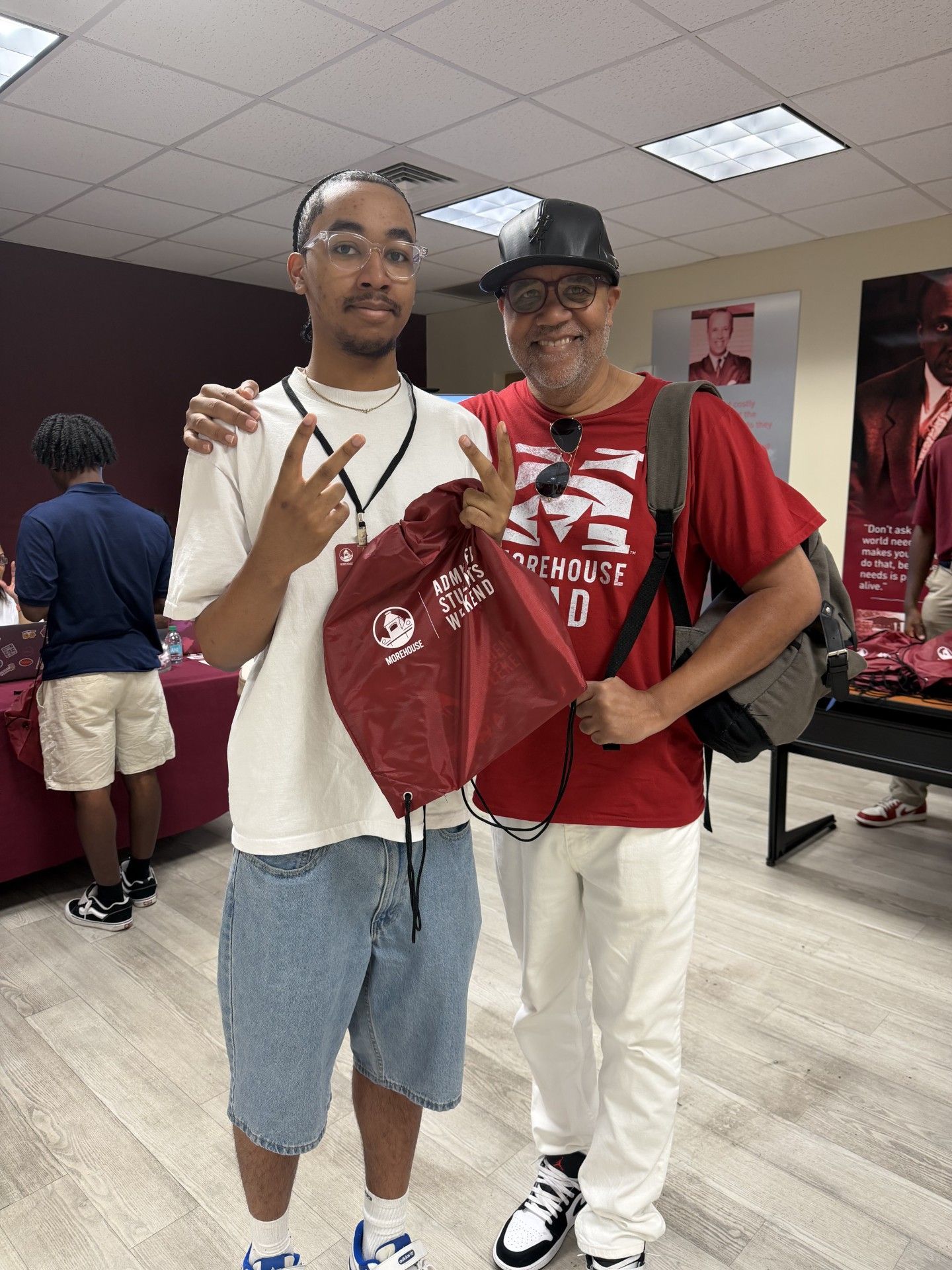
Stepping onto the campus of Morehouse College this past weekend for Admitted Students Day was more than a visit—it was a moment of reflection. As I watched young Black men walk with purpose across the yard, I found myself asking a simple but profound question: What would it have been like for me to study computer science here? My journey into computing was shaped in environments where I was often the only Black man in the room. That reality brings with it an unspoken weight—the need to prove you belong, the awareness of being watched, and sometimes, the quiet isolation that comes with underrepresentation. Standing at Morehouse, I realized that this burden is not a given. It is a condition of the environment. At Morehouse, the environment is different by design. Here, Black men are not anomalies—they are the standard. I imagined what it would feel like to learn algorithms, data structures, and software development in a space where my identity was not questioned but affirmed. Where excellence is expected, not in spite of who you are, but because of it. As a computer science professor, I understand the academic rigor required to succeed in this field. There is no shortcut through recursion, no bypass around debugging, no substitute for disciplined problem-solving. But what struck me during my visit is how much context matters. When students are free from the psychological burden of proving they belong, they can redirect that energy toward mastering the material. They can collaborate more openly, ask questions more freely, and take intellectual risks without fear. I also thought about legacy. At Morehouse, students walk the same grounds as Martin Luther King Jr.. That kind of history does something to a person. It raises the bar—not just academically, but personally. It invites students to see their education not just as a pathway to a career, but as preparation for impact. Leaving campus, I felt inspired—but also reflective. I cannot rewrite my journey, but I can appreciate what spaces like Morehouse offer the next generation. For a Black male pursuing computer science, it is more than a degree. It is an opportunity to develop skill, confidence, and identity in alignment. And that combination is powerful.