
Equity, Innovation, and Experience: A Veteran Technologist Reflects on Jesse Jackson’s Work in Silicon Valley
Dr. Kai Dupe • February 22, 2026
For those of us who have spent decades working in technology, it is easy to forget how different the industry looked thirty years ago.

For those of us who have spent decades working in technology, it is easy to forget how different the industry looked thirty years ago. When I began my career, the tech world was rapidly expanding, but it was also strikingly narrow in who it included. Conversations about equity, representation, and access were often peripheral — if they happened at all. That is why the work of Rev. Jesse Jackson in Silicon Valley stands out to me, not just as a moment in civil rights history, but as a turning point in the culture of technology itself.
Many people know Jesse Jackson for his role in the Civil Rights Movement, but fewer recognize how intentionally he turned his attention toward the tech industry. He understood something early that many of us working in the field were only beginning to realize: technology would shape the future economy. If entire communities were excluded from participation in tech, they would be excluded from opportunity, wealth, and influence in the decades ahead.
Jackson’s approach was practical and strategic. He challenged major technology companies to release diversity data at a time when transparency was uncommon. As someone who has watched the industry evolve over three decades, I can say that this push mattered. Today, annual diversity reports are routine, and companies are expected to discuss representation openly. That shift toward accountability did not happen by accident — it came from sustained public pressure and advocacy.
What impressed me most about his work was that he framed equity as more than a hiring issue. He emphasized supplier diversity, entrepreneurship, and access to capital, arguing that inclusion meant participation in the entire technology ecosystem. That perspective resonates deeply with me as both a technologist and an educator. I have seen firsthand how access to networks, mentorship, and opportunity often matters just as much as technical skill.
The ripple effects of that advocacy are visible today. Conversations about ethical AI, algorithmic bias, and inclusive design reflect a growing understanding that technology is shaped by the people who build it. As someone who has worked through multiple generations of technological change — from early software development practices to cloud computing and now AI — I can say with confidence that the industry now recognizes diversity not only as a social responsibility but as a driver of innovation.
Of course, progress is not linear. The tech industry continues to wrestle with questions of equity, and current debates around DEI show that the work is far from finished. Yet the fact that these conversations are central rather than marginal is itself part of Jackson’s legacy.
From my vantage point after thirty years in technology, I see Jesse Jackson’s Silicon Valley work as a bridge between the civil rights struggles of the past and the innovation challenges of the future. He reminded the industry that technology is not just about code or products — it is about people, access, and who gets to help shape the world we are building together.

For generations, Black Americans were denied equal educational opportunities through legally enforced segregation and discriminatory practices.

I have spent much of my career in technology learning, teaching, and staying current.
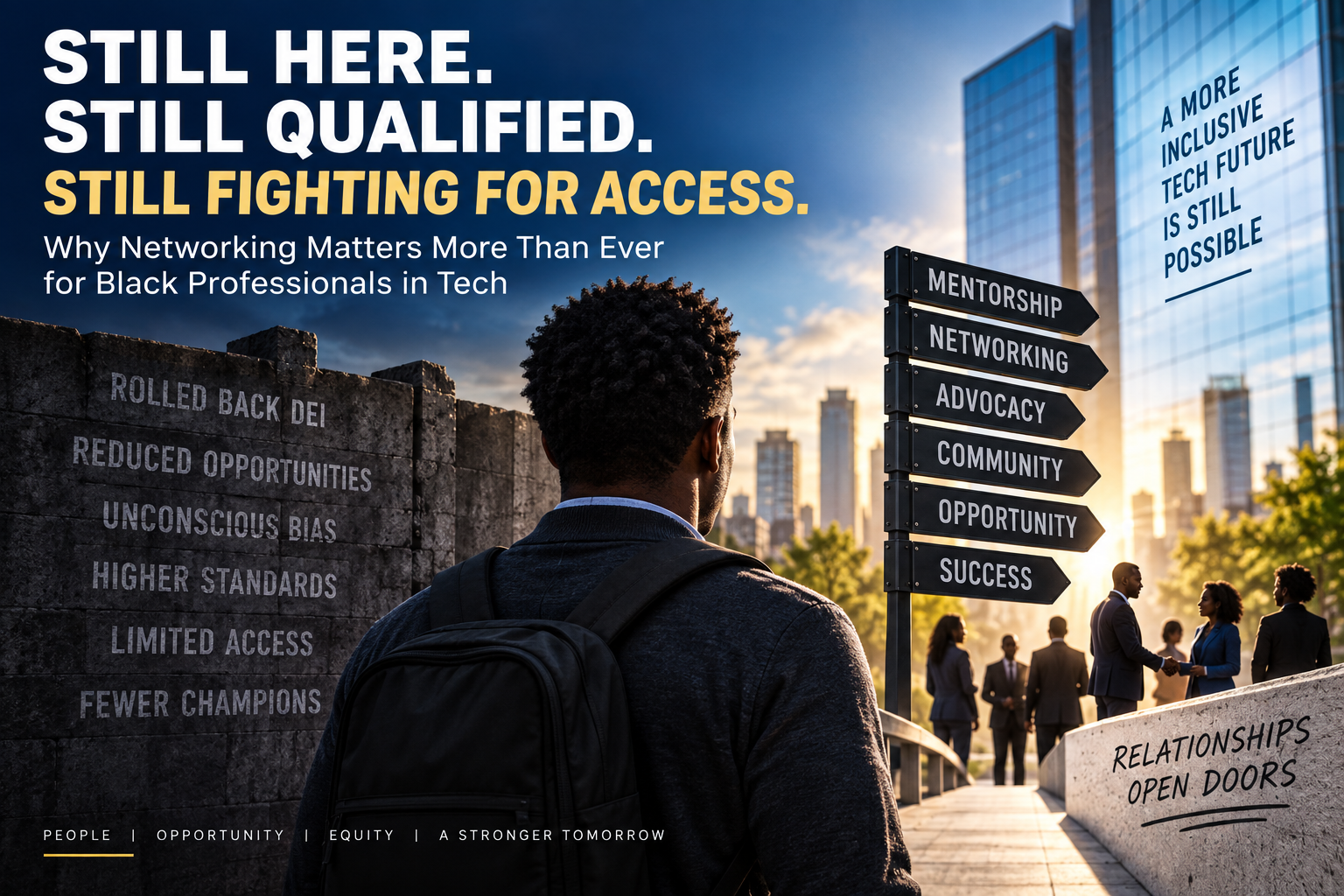
A mentor gives you advice. A sponsor creates opportunities.
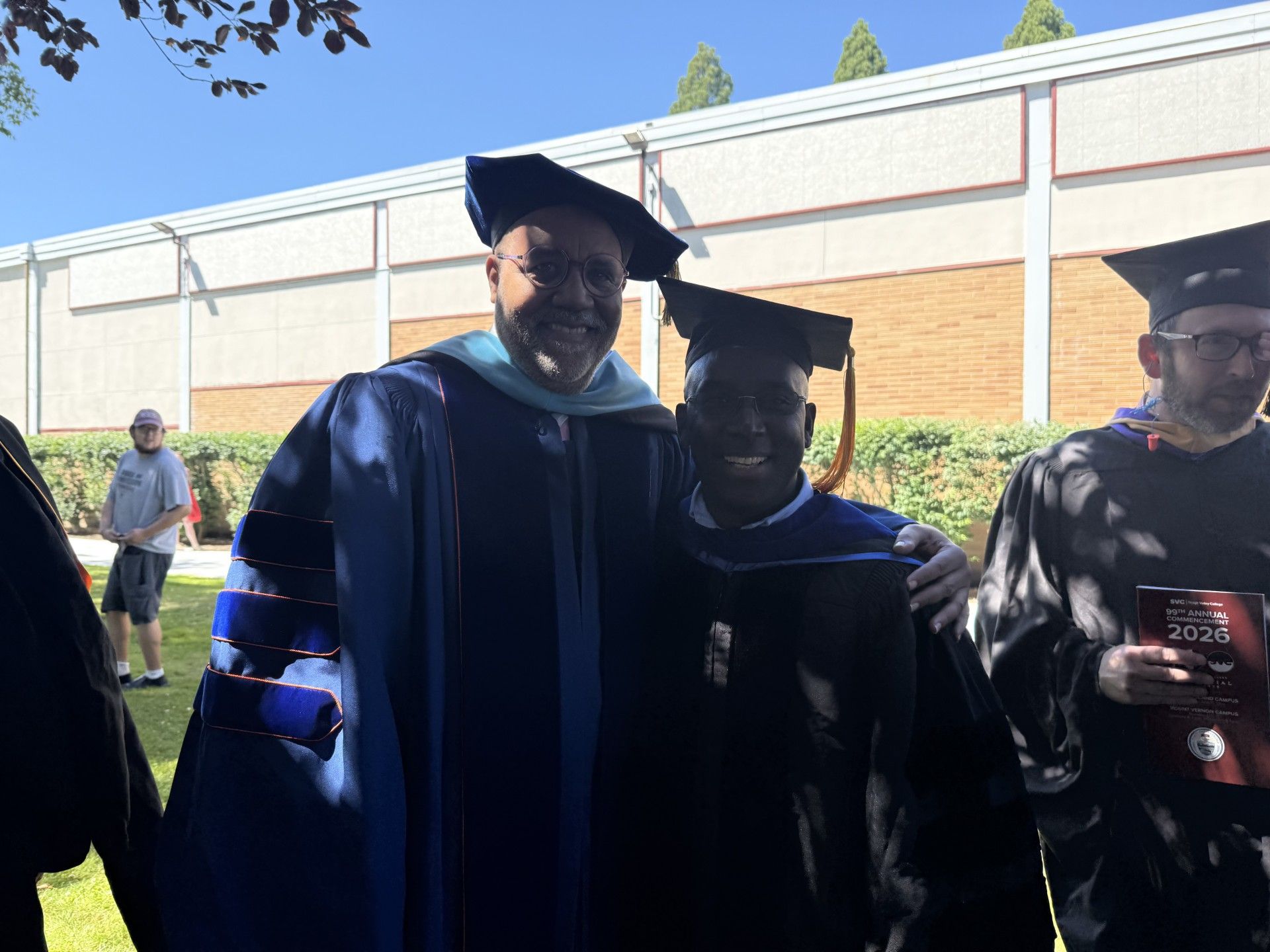
Representation alone will not solve the persistent racial disparities in computing.
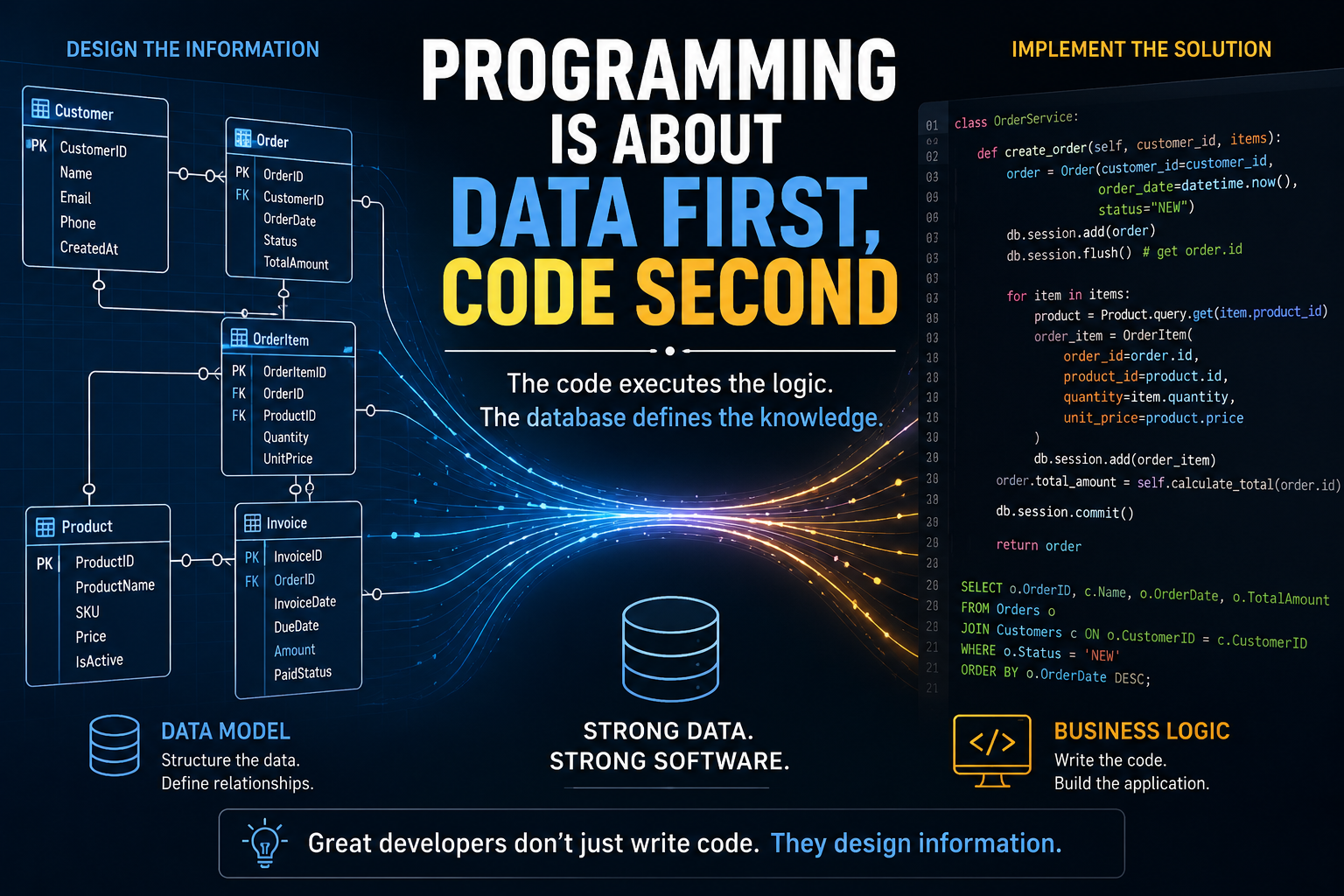
The truth is that most software applications exist to manage information.

Artificial intelligence has become the newest member of nearly every software development team.

The true promise of computing is not found in the machines we build, but in the human potential we unlock when knowledge becomes accessible to everyone.

One of the reasons I value the MCT program so highly is that it represents more than technical knowledge.
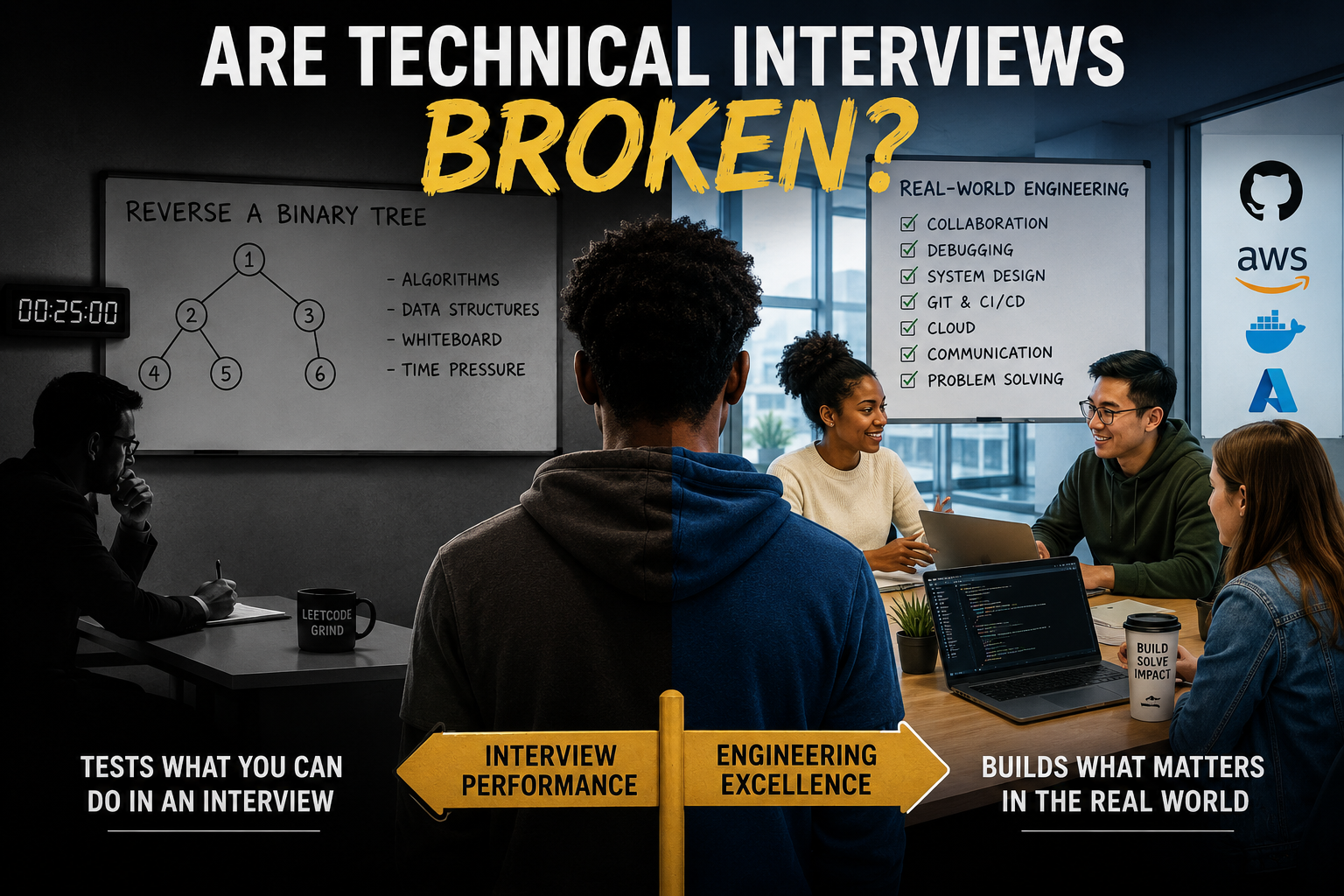
Software engineering is not simply coding.

Companies often promote the idea that technical skill alone determines success.