Qualified Isn’t Enough: Breaking Into Tech in the Trump Era

Dr. Kai Dupe • September 18, 2026

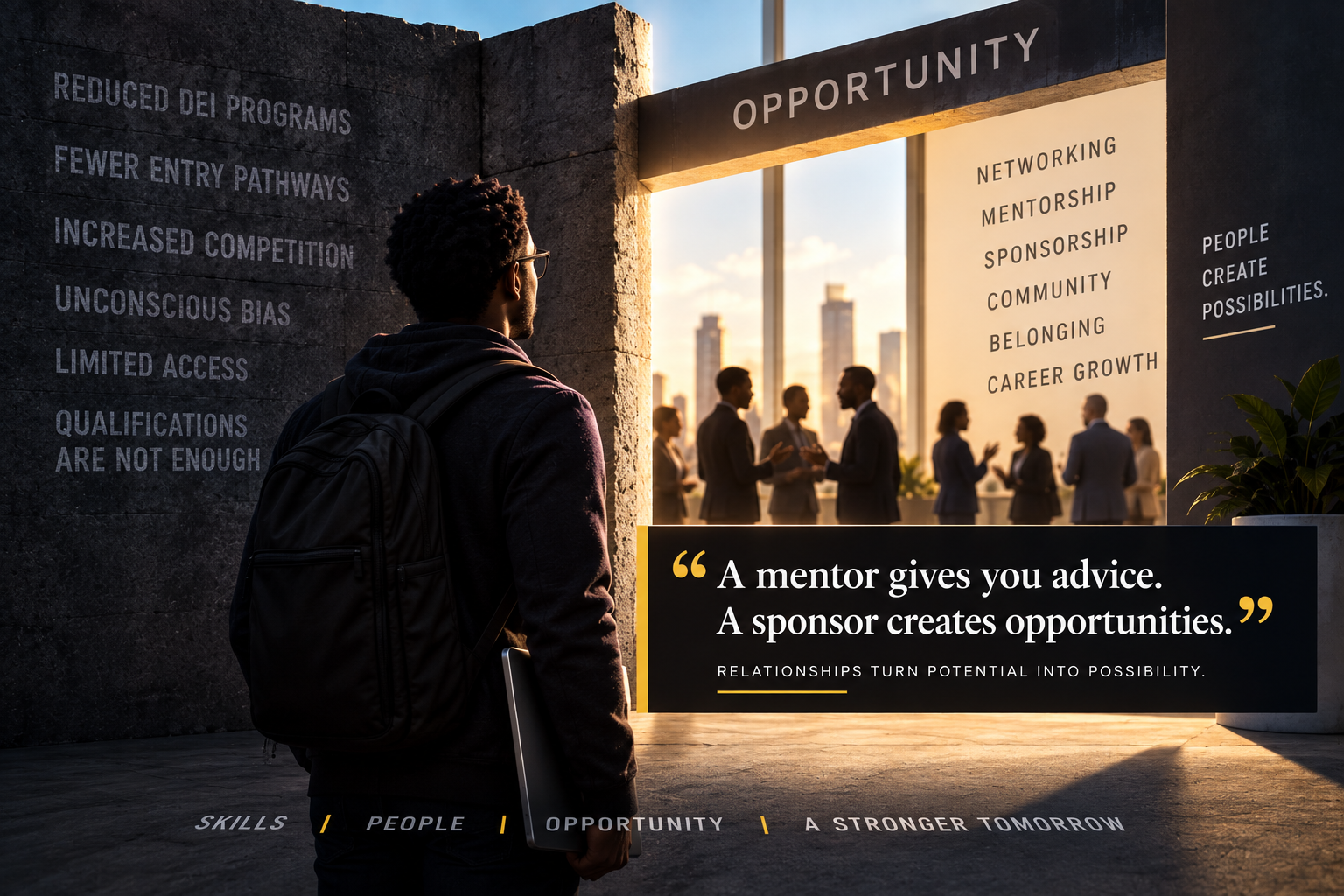
A mentor gives you advice.  A sponsor creates opportunities.
For years, we have told Black students interested in technology to prepare themselves.


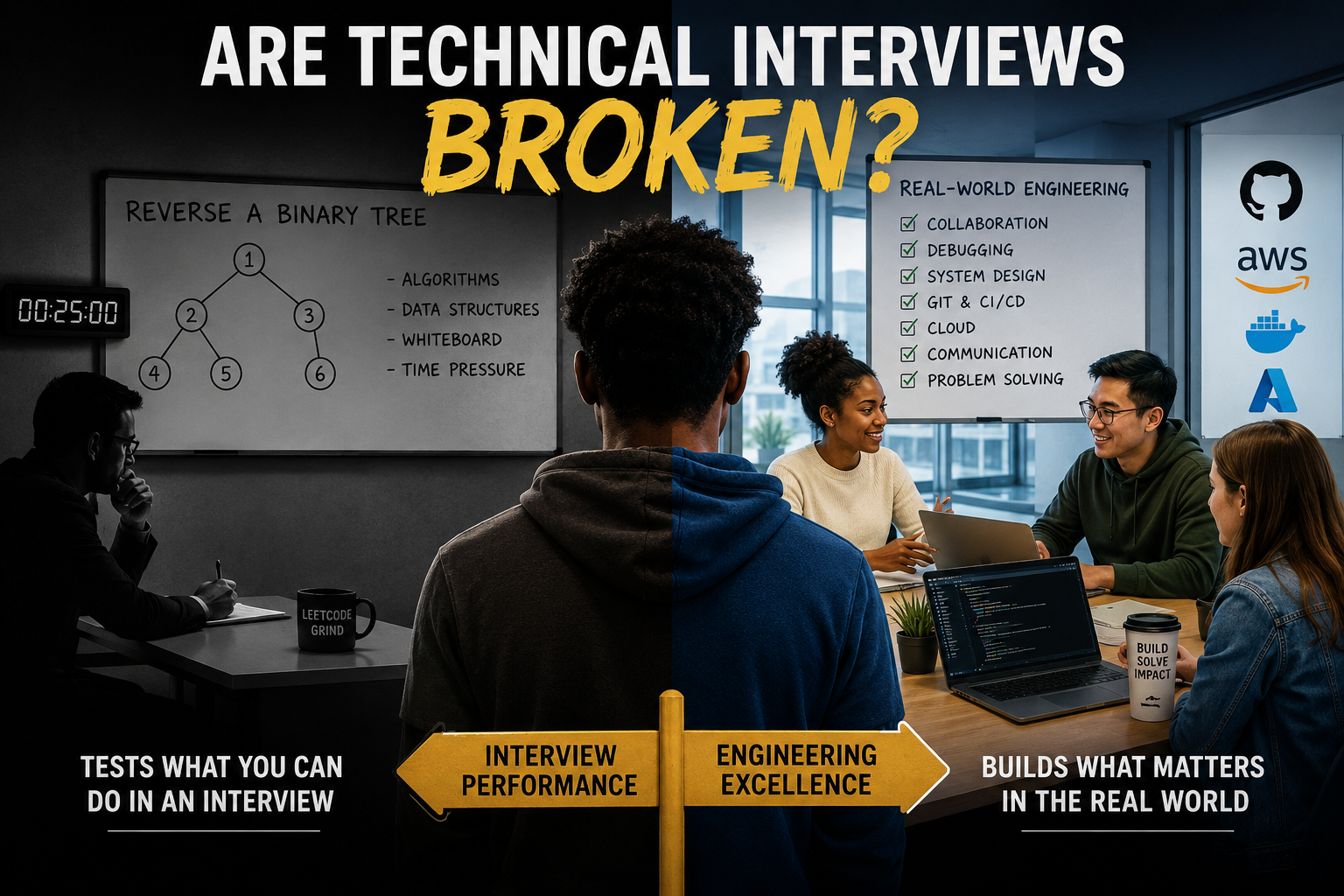
Earn the degree. Learn to code. Get the certifications. Build the GitHub portfolio. Practice the technical interview. Develop the soft skills. Become so qualified that employers cannot ignore you.


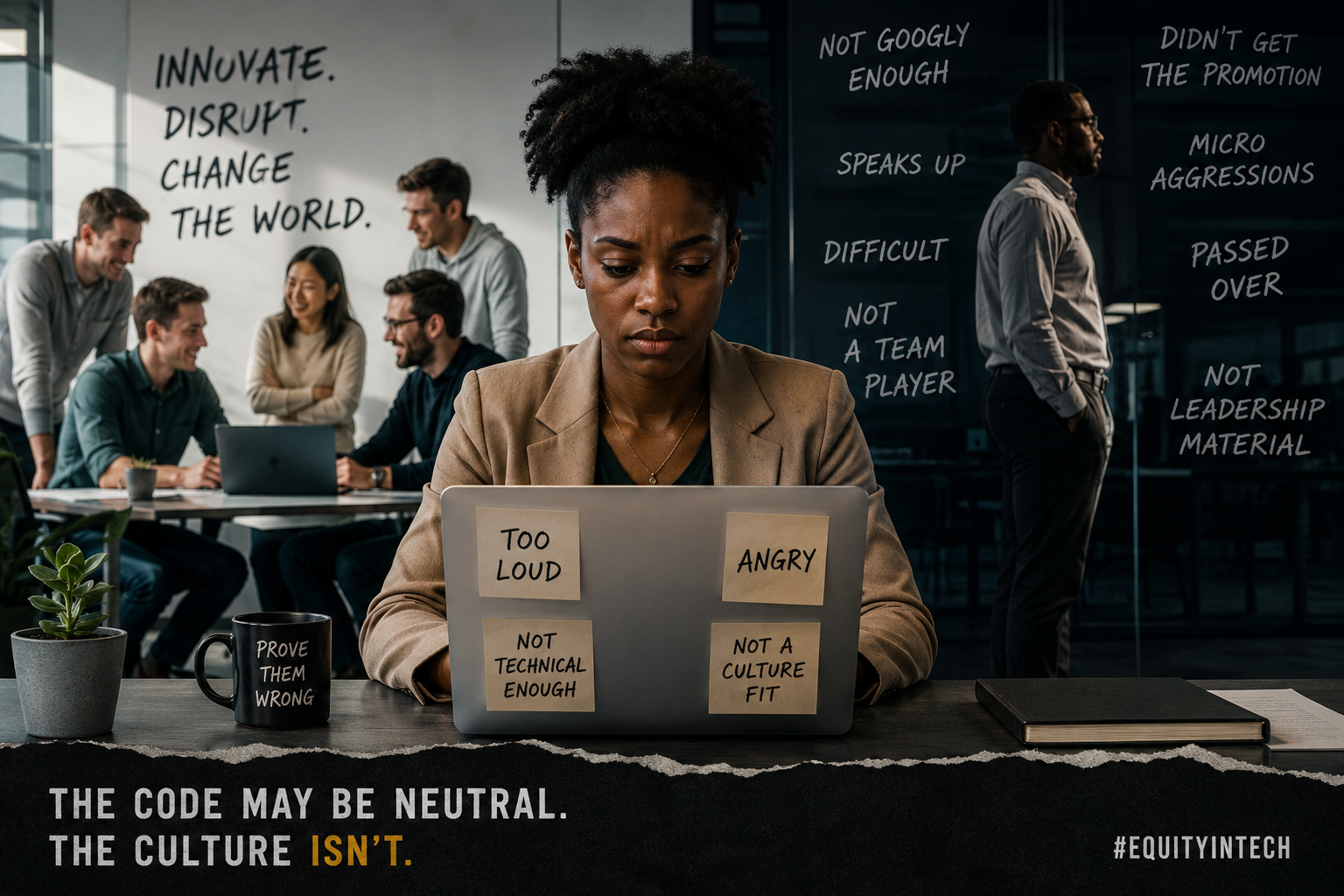
But what happens when being qualified isn’t enough to get you into the room?


That question has become increasingly important in the Trump era. Since returning to office in 2025, President Donald Trump has moved aggressively to eliminate federal diversity, equity, and inclusion programs and DEI requirements associated with federal contracting. The administration describes these actions as a return to merit, individual achievement, and equal treatment.


Whatever one’s political perspective, there is another question worth examining: What happens to qualified Black technology professionals when programs specifically intended to broaden access begin disappearing?


That matters because Black professionals were underrepresented in technology long before the current debate over DEI. McKinsey reported in 2023 that Black Americans represented about 12 percent of the U.S. workforce but only 8 percent of workers in technology jobs. The disparity was even greater in some technical occupations and at senior levels.


The challenge, therefore, has never been simply about developing qualified Black technologists. It has also been about connecting qualified people to opportunities.


That distinction is important.


A computer science degree demonstrates education. A certification demonstrates knowledge. A GitHub repository can demonstrate technical ability. But none of those things guarantees that someone will actually look at your résumé.


That is where networks become crucial.


Someone tells you about an opening before it is widely advertised. Someone introduces you to a hiring manager. Someone recommends you for an internship. Someone says your name in a room you are not in.


And that last example brings us to something even more powerful than networking: sponsorship.

A mentor gives you advice. A sponsor creates opportunities.


Research on Black technology professionals has specifically identified sponsorship as an important component of career advancement. McKinsey has argued that traditional mentoring alone is insufficient and that Black technology professionals benefit from people positioned to create networking, apprenticeship, and advancement opportunities.


This is why the retreat from DEI deserves attention beyond the political arguments surrounding it. Some DEI initiatives involved hiring goals or practices that generated legal and political controversy. But the larger DEI ecosystem also included HBCU recruiting, internships, mentoring, professional-development programs, scholarships, employee networks, and intentional efforts to introduce underrepresented candidates to people already inside the industry.


If some of those pathways shrink, the importance of building professional networks does not shrink with them.


It increases.

For Black students and professionals trying to enter technology today, my message is not to abandon the traditional formula. Quite the opposite.


Become technically excellent. Earn the credentials. Build the portfolio. Learn the industry.


But understand something else.


Being qualified may get you ready for the opportunity.


Relationships can help you get the opportunity.


In the Trump era, learning how to build those relationships may be becoming just as important as learning how to build the technology.
By Dr. Kai Dupe August 20, 2026
Representation alone will not solve the persistent racial disparities in computing.
By Dr. Kai Dupe July 28, 2026
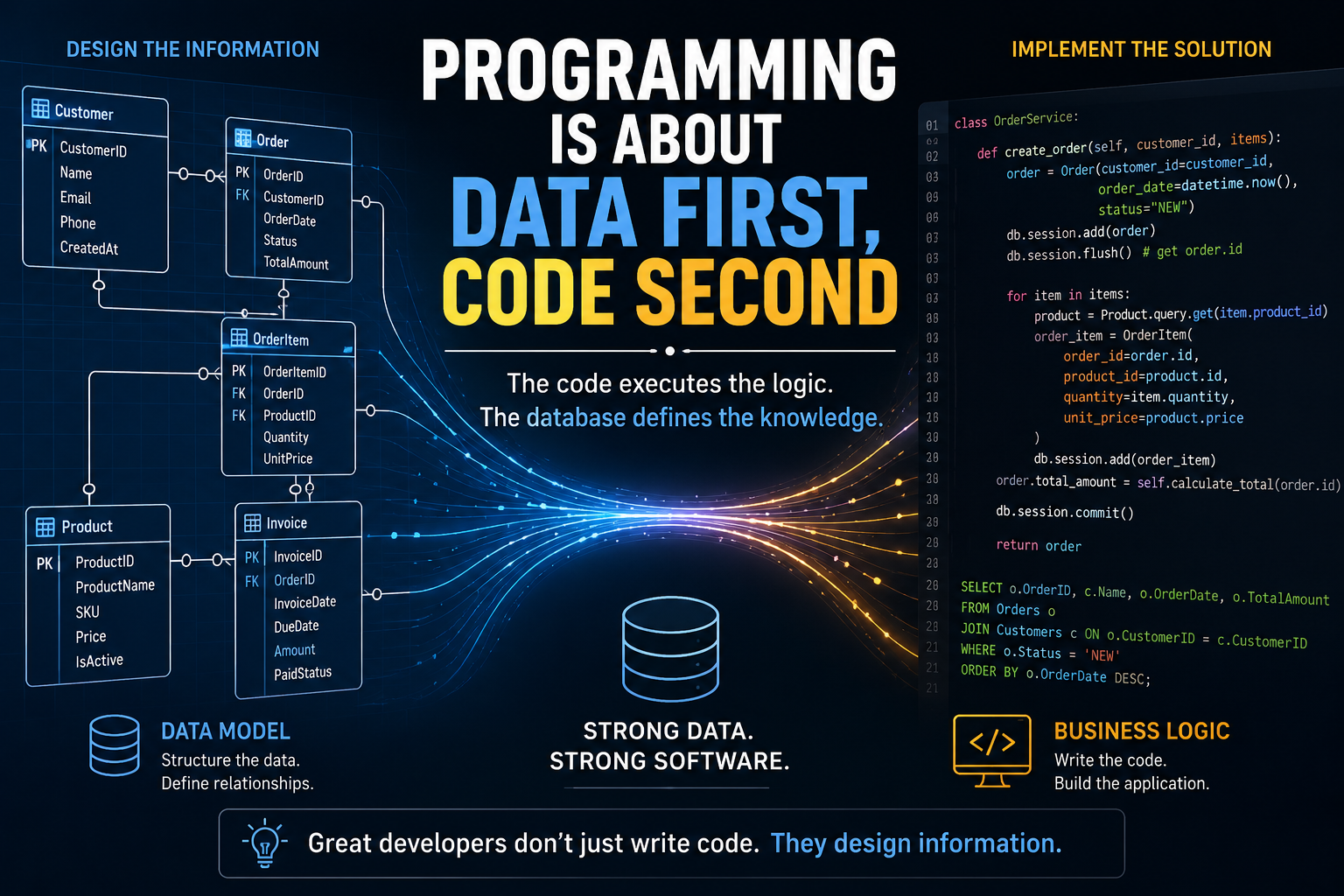
The truth is that most software applications exist to manage information.
By Dr. Kai Dupe July 1, 2026
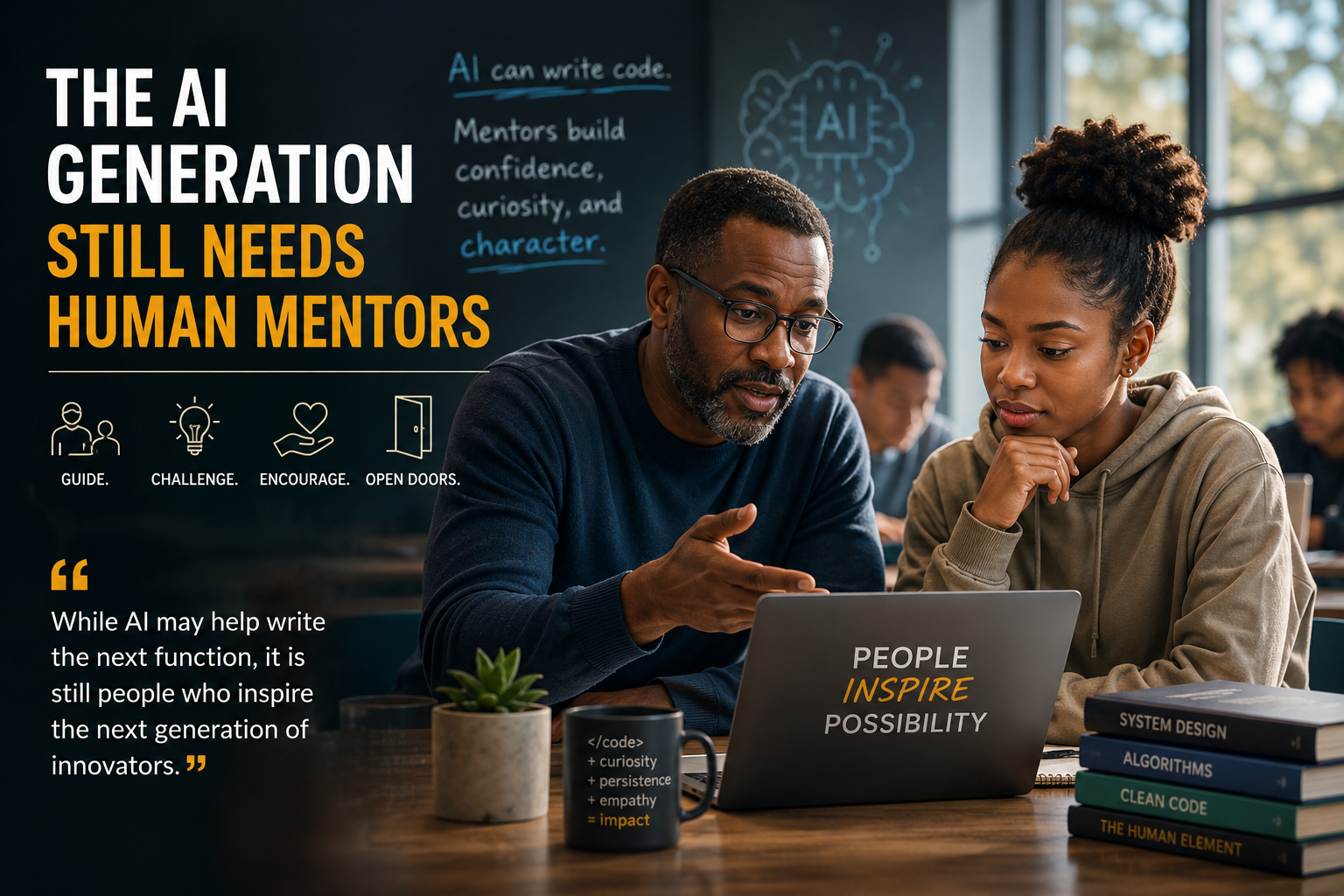
Artificial intelligence has become the newest member of nearly every software development team.
By Dr. Kai Dupe June 17, 2026
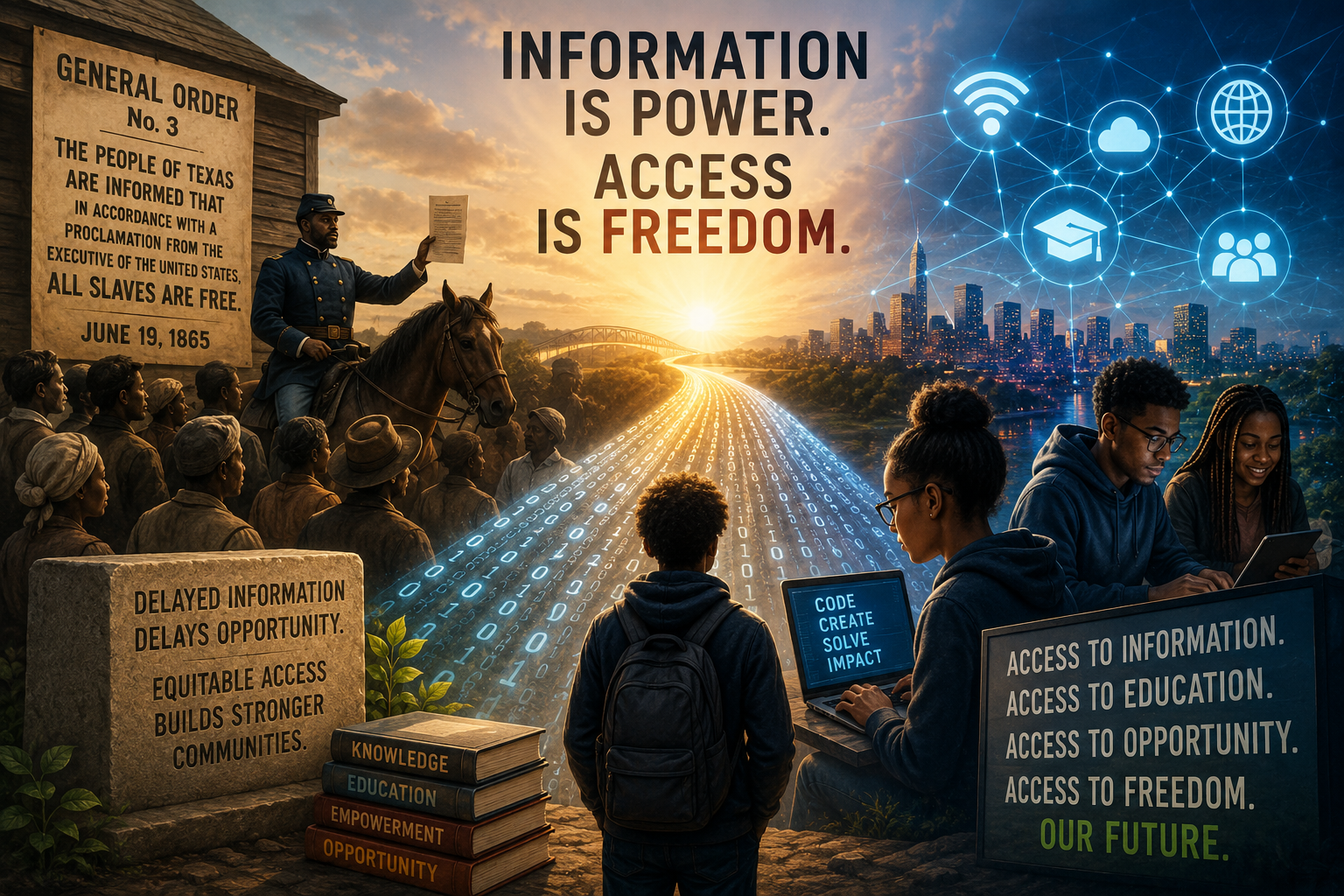
The true promise of computing is not found in the machines we build, but in the human potential we unlock when knowledge becomes accessible to everyone.
By Dr. Kai Dupe June 3, 2026
One of the reasons I value the MCT program so highly is that it represents more than technical knowledge.
By Dr. Kai Dupe May 22, 2026
Software engineering is not simply coding.
By Dr. Kai Dupe May 15, 2026
Companies often promote the idea that technical skill alone determines success.
By Dr. Kai Dupe May 3, 2026
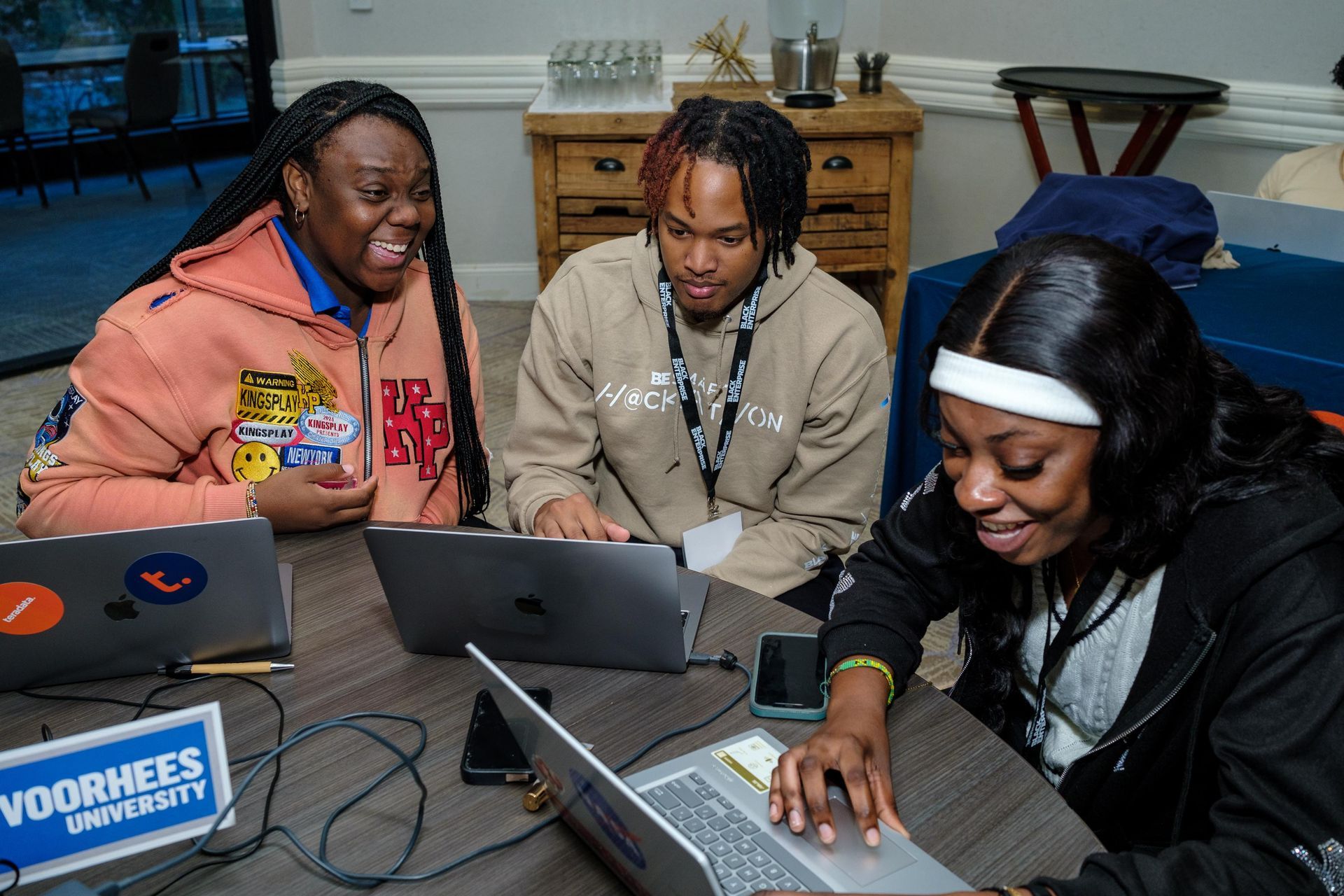
Hackathons also strengthen teamwork and communication skills.
By Dr. Kai Dupe April 22, 2026
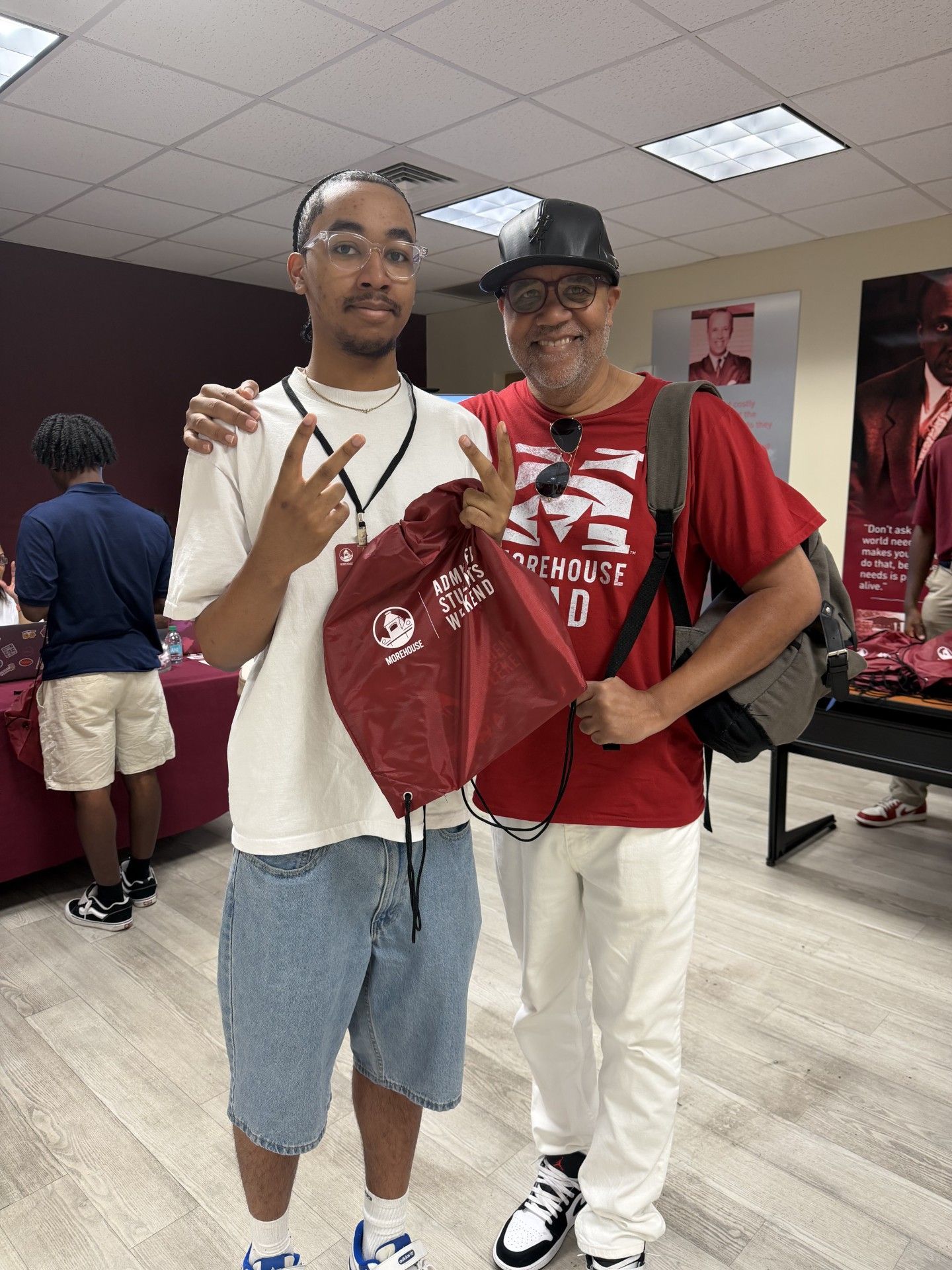
Stepping onto the campus of Morehouse College this past weekend for Admitted Students Day was more than a visit—it was a moment of reflection. As I watched young Black men walk with purpose across the yard, I found myself asking a simple but profound question: What would it have been like for me to study computer science here? My journey into computing was shaped in environments where I was often the only Black man in the room. That reality brings with it an unspoken weight—the need to prove you belong, the awareness of being watched, and sometimes, the quiet isolation that comes with underrepresentation. Standing at Morehouse, I realized that this burden is not a given. It is a condition of the environment. At Morehouse, the environment is different by design. Here, Black men are not anomalies—they are the standard. I imagined what it would feel like to learn algorithms, data structures, and software development in a space where my identity was not questioned but affirmed. Where excellence is expected, not in spite of who you are, but because of it. As a computer science professor, I understand the academic rigor required to succeed in this field. There is no shortcut through recursion, no bypass around debugging, no substitute for disciplined problem-solving. But what struck me during my visit is how much context matters. When students are free from the psychological burden of proving they belong, they can redirect that energy toward mastering the material. They can collaborate more openly, ask questions more freely, and take intellectual risks without fear. I also thought about legacy. At Morehouse, students walk the same grounds as Martin Luther King Jr.. That kind of history does something to a person. It raises the bar—not just academically, but personally. It invites students to see their education not just as a pathway to a career, but as preparation for impact. Leaving campus, I felt inspired—but also reflective. I cannot rewrite my journey, but I can appreciate what spaces like Morehouse offer the next generation. For a Black male pursuing computer science, it is more than a degree. It is an opportunity to develop skill, confidence, and identity in alignment. And that combination is powerful.
By Dr. Kai Dupe March 25, 2026
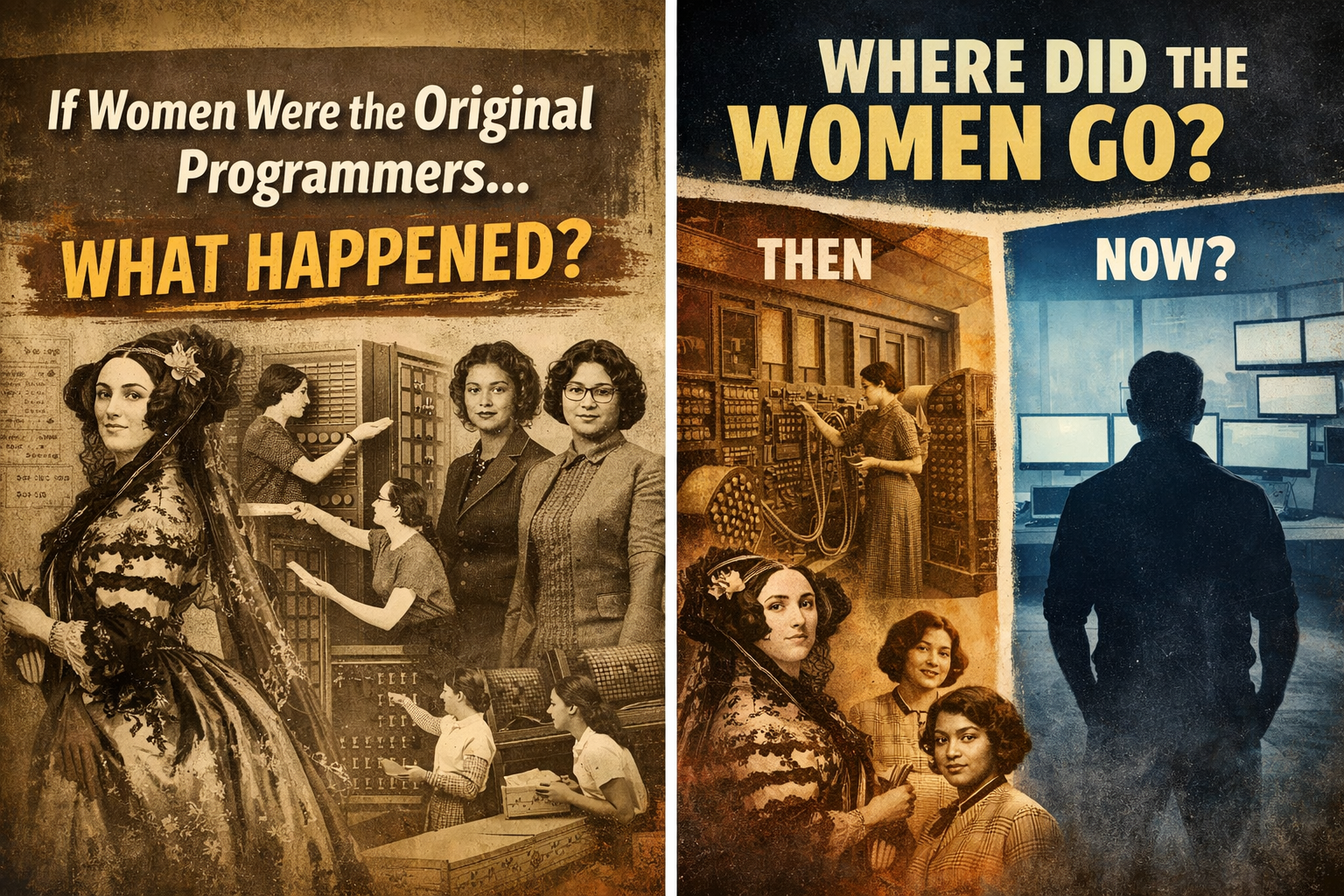
If you walk into most computer science classrooms today, you might assume that computing has always been a male-dominated field. As someone who has spent decades in the industry and now teaches the next generation of developers, I can tell you—that assumption is not only common, it’s historically inaccurate. In the early days of computing, many of the first programmers were women. Ada Lovelace is widely recognized as the first computer programmer, having written what we would now call an algorithm for Charles Babbage’s Analytical Engine. Fast forward to the 1940s, and women were programming some of the first electronic computers, including ENIAC. These were not peripheral roles. These women were solving complex computational problems, often inventing programming techniques as they went (Abbate, 2012). So what happened? From a systems perspective, the answer is not mysterious—it’s structural. In its early stages, programming was considered clerical work. It required precision, patience, and attention to detail—qualities that, at the time, were socially assigned to women. But as computing became more central to business, government, and innovation, its status changed. What was once seen as routine work became prestigious and lucrative. And when that shift happened, the demographics shifted with it. By the 1980s, we see a clear inflection point. Personal computers entered the home—but they were marketed primarily to boys. This created an early access gap that translated into confidence, experience, and eventually career pathways. At the same time, hiring practices and workplace cultures began to favor men, reinforcing a feedback loop that pushed women out of the field (Hicks, 2017). Over time, the narrative changed. Computing was no longer something women had built—it became something they were seen as entering late. But that narrative is not just incomplete—it’s a distortion. Understanding this history is not about nostalgia; it’s about accuracy. When students learn that women were foundational to computing, it reshapes how they think about the field. Diversity is no longer framed as a modern intervention—it is recognized as part of computing’s original DNA. In my classroom, I’ve seen what happens when students encounter this truth. It disrupts assumptions. It broadens participation. And perhaps most importantly, it changes who students believe belongs in this space. So, if women were the original programmers, what happened? Part of the answer lies in systems—education, marketing, hiring, and culture. But another part lies in storytelling. The stories we tell about computing shape who feels invited to participate in it. As educators, technologists, and leaders, we have an opportunity—and a responsibility—to tell that story more accurately. References Abbate, J. (2012). Recoding Gender: Women’s Changing Participation in Computing. MIT Press. Hicks, M. (2017). Programmed Inequality: How Britain Discarded Women Technologists and Lost Its Edge in Computing. MIT Press. Evans, C. L. (2018). Broad Band: The Untold Story of the Women Who Made the Internet. Portfolio. Shetterly, M. L. (2016). Hidden Figures. HarperCollins.