Has the Tech Certification Industry Lost Its Way?
I have spent much of my career in technology learning, teaching, and staying current.

I have spent much of my career in technology learning, teaching, and staying current.
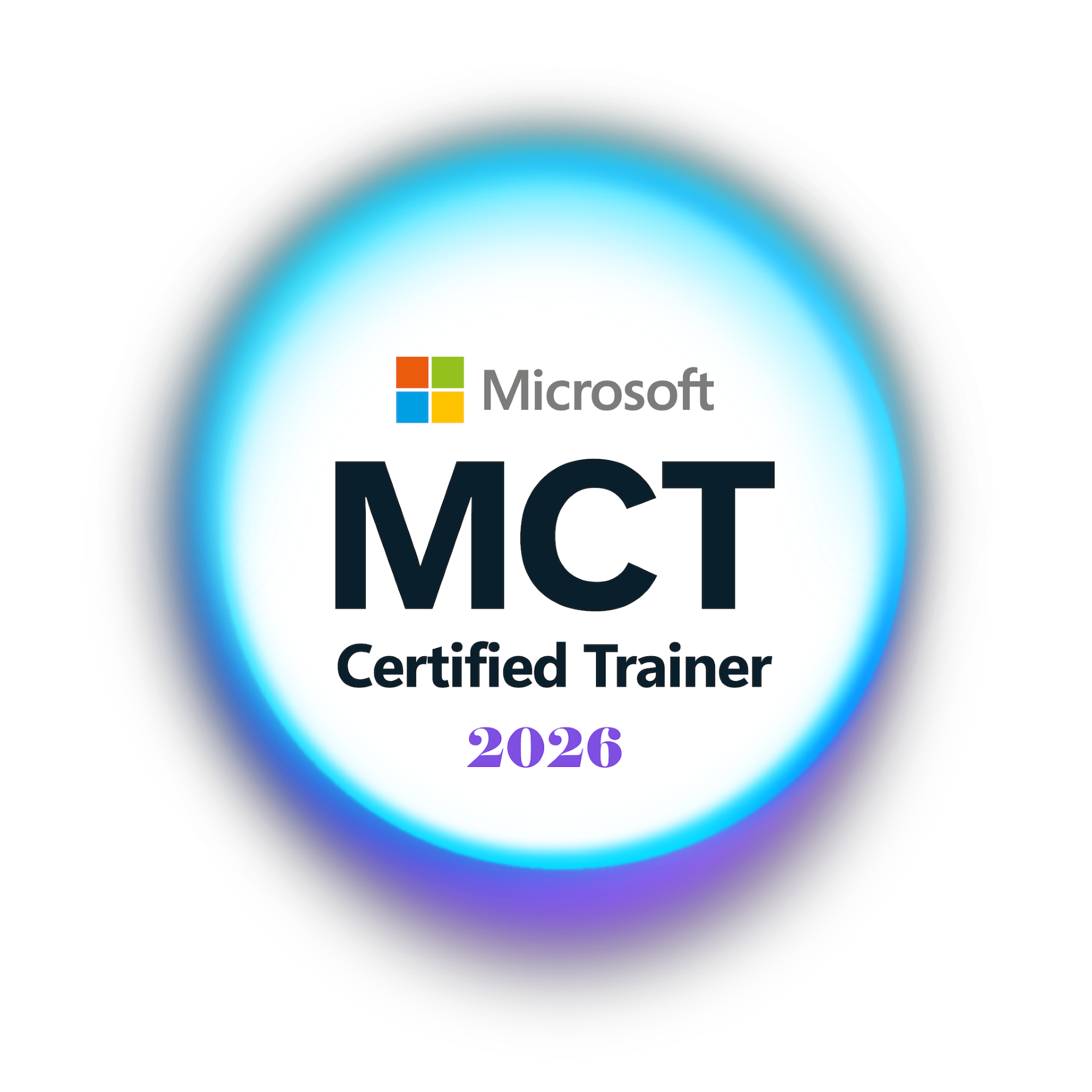
I have been a software developer for more than 30 years. I have worked as a technical trainer for Microsoft and Amazon Web Services, and I have been a Microsoft Certified Trainer for more than two decades. Over the years, I have earned numerous technical certifications, including several in Microsoft Azure.
I believe in certification. I have seen firsthand how certifications can help technology professionals develop new skills, validate what they know, transition into new roles, and demonstrate a commitment to continuous learning.
But lately, I have found myself asking a question I never thought I would ask
Has the technology certification industry lost its way?
When Staying Current Starts Feeling Like Starting Over
Technology changes. I understand that better than most.
Cloud computing changes. Cybersecurity changes. Artificial intelligence is changing at an extraordinary pace. Certification programs must evolve along with the technologies they represent.
My concern is not that certifications change.
My concern is what happens to the professionals who have already invested considerable time, money, and effort earning them.
Several Microsoft Azure certifications that I have earned are being retired or reworked. In some cases, the replacement isn't simply a matter of demonstrating that I understand the new material. Instead, I may need to pursue another certification.
At some point, I began asking myself:
Do I really need to replace every certification that a technology company decides to retire?
I don't think I do.
And I don't think other experienced technology professionals necessarily should either.
Our Knowledge Doesn't Expire When an Exam Does
There is an important distinction between a certification becoming outdated and a professional becoming outdated.
Those are not the same thing.
If I earned a cloud security certification, the knowledge and experience I developed while earning it don't suddenly disappear because the vendor changes the name of the certification, redesigns the exam, or introduces a successor credential.
Certainly, I need to stay current. All technology professionals do.
But staying current should not always mean starting over.
Ideally, certification programs would provide experienced professionals with more opportunities to demonstrate knowledge of what has changed. When a certification evolves substantially, perhaps the answer should be a transition or "delta" assessment covering the new material rather than requiring professionals to pursue an entirely new credential.
Professional knowledge is cumulative.
Our certification systems should recognize that.
Certifications Should Support a Career, Not Become the Career
This realization has caused me to rethink my own approach to certifications.
Earlier in a technology career, accumulating certifications can make tremendous sense. They can help establish credibility, provide structured learning paths, and open doors.
But after decades in the profession, I think the strategy should change.
I no longer believe the goal should be to maintain every certification I have ever earned or automatically pursue the replacement for every credential that gets retired.
Instead, I am beginning to think in terms of what I call a Strategic Certification Portfolio.
The idea is simple.
Every certification should fall into one of four categories:
Maintain. These are certifications directly connected to the work I currently perform or the expertise for which I want to remain professionally recognized.
Replace. If a retired certification has a successor that is genuinely important to my current or future work, earning the replacement may make sense.
Archive. Some certifications have served their purpose. I earned them. They represent knowledge and accomplishments from a particular point in my career. I don't need to erase them from my professional history simply because the vendor has retired them.
Add. New certifications should be pursued strategically when they support where I am going professionally—not simply because they are new
.
That is a very different mindset from:
Earn. Renew. Replace. Repeat.
A Retired Certification Wasn't a Wasted Certification
I also think experienced professionals need to stop thinking of a retired certification as a wasted investment.
If a certification helped me learn a technology, become a better instructor, qualify for an opportunity, demonstrate expertise, or improve my professional credibility, then it provided value.
Its retirement doesn't erase that value.
Nor does it erase the accomplishment.
I earned the credential according to the standards that existed at the time. That remains part of my professional history.
The same is true for thousands of technology professionals who have watched certifications they worked hard to earn eventually disappear from vendors' active certification catalogs.
Maybe We Need to Change Our Relationship With Certifications
I still believe in certification.
What I am questioning is the certification treadmill.
There comes a point when experienced technology professionals have to become more selective about where we invest our learning time.
I would rather spend my time deeply understanding an emerging technology, building something with it, teaching it, researching it, or applying it to a real problem than repeatedly proving knowledge I have already demonstrated simply because a vendor reorganized its certification portfolio.
That doesn't mean we stop learning.
Quite the opposite.
It means learning becomes the objective and certification becomes one possible form of evidence—not the objective itself.
Perhaps that is the distinction the technology industry needs to rediscover.
Certifications should validate professional expertise.
Professionals shouldn't have to spend their careers maintaining the certification industry's product catalog.