Juneteenth and the Power of Access to Information: What Computer Science Can Learn from Delayed Freedom
The true promise of computing is not found in the machines we build, but in the human potential we unlock when knowledge becomes accessible to everyone.
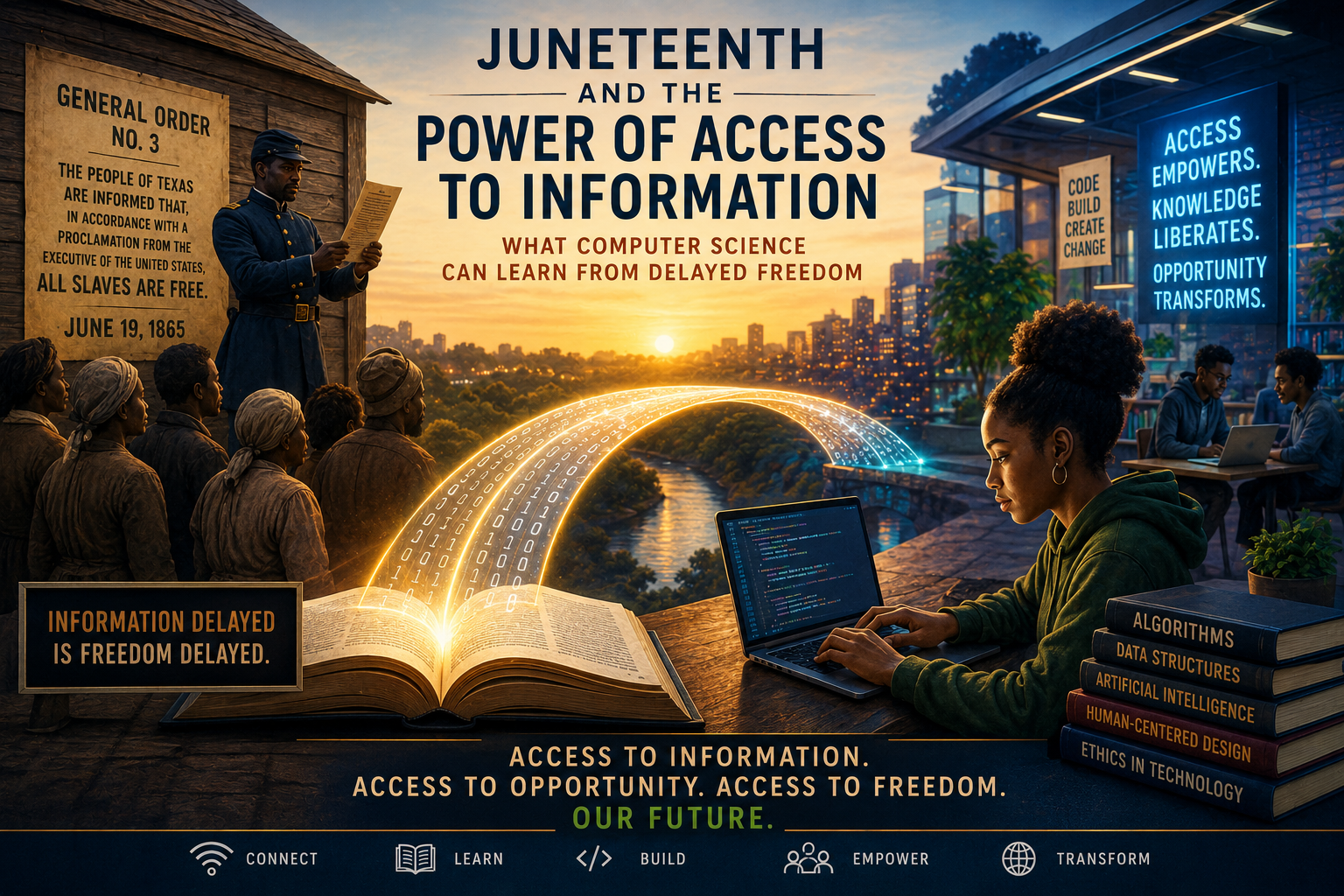
Every year on June 19, we celebrate Juneteenth, commemorating the day in 1865 when enslaved African Americans in Texas learned that they were free. Although President Abraham Lincoln had issued the Emancipation Proclamation more than two years earlier, many enslaved people in Texas remained in bondage until Union troops arrived and enforced emancipation.
I often reflect on a profound question: What does it mean that freedom existed, but access to the information about that freedom did not?
As a computer scientist and educator, I find this question remarkably relevant today.
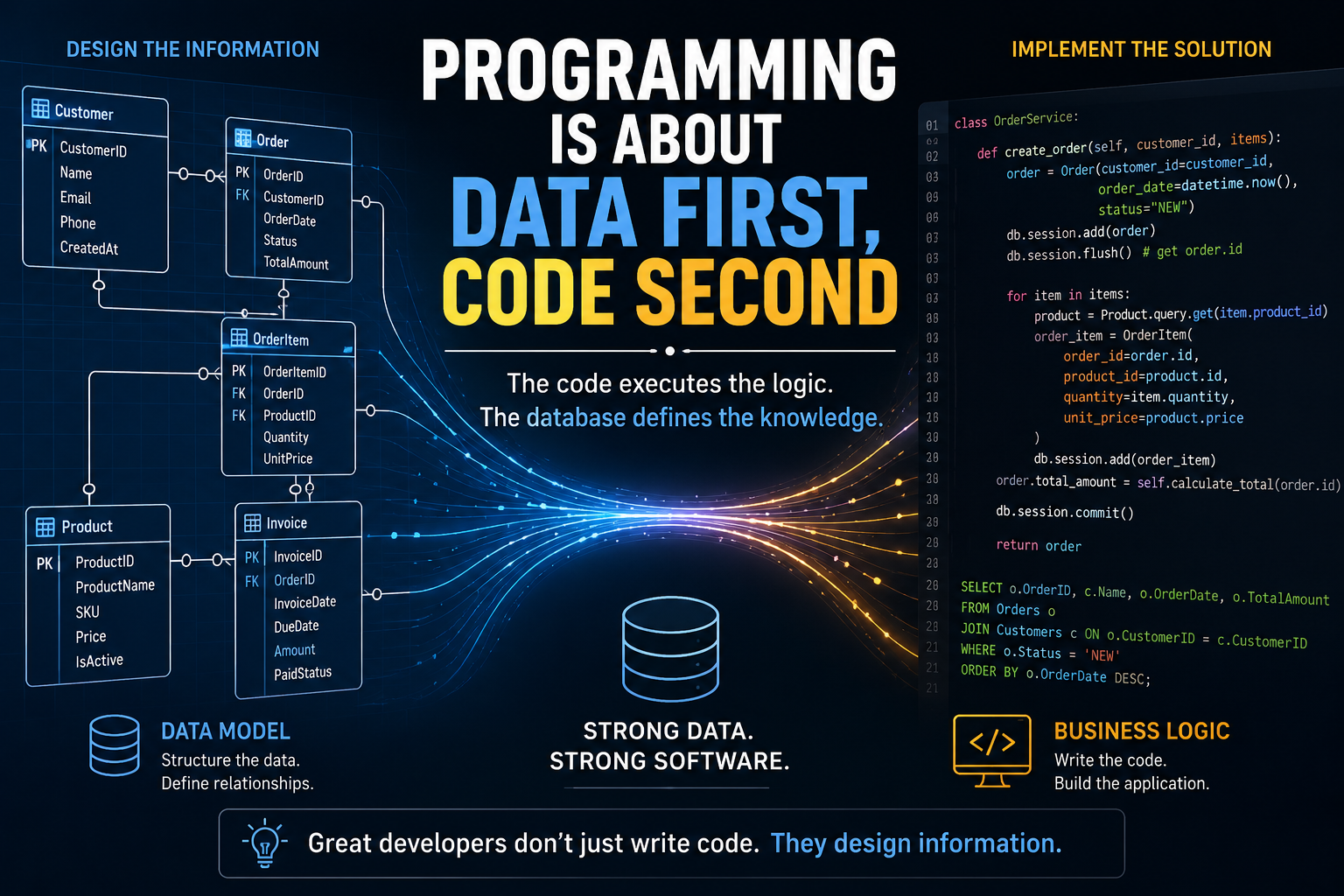
At its core, computer science is the study of information—how it is represented, processed, transmitted, and made accessible. We build systems that store data, connect people, and enable communication at unprecedented scales. Yet Juneteenth reminds us that information is not merely technical. Information has power. Access to information can shape opportunities, influence outcomes, and, in some cases, determine whether people experience freedom or exclusion.
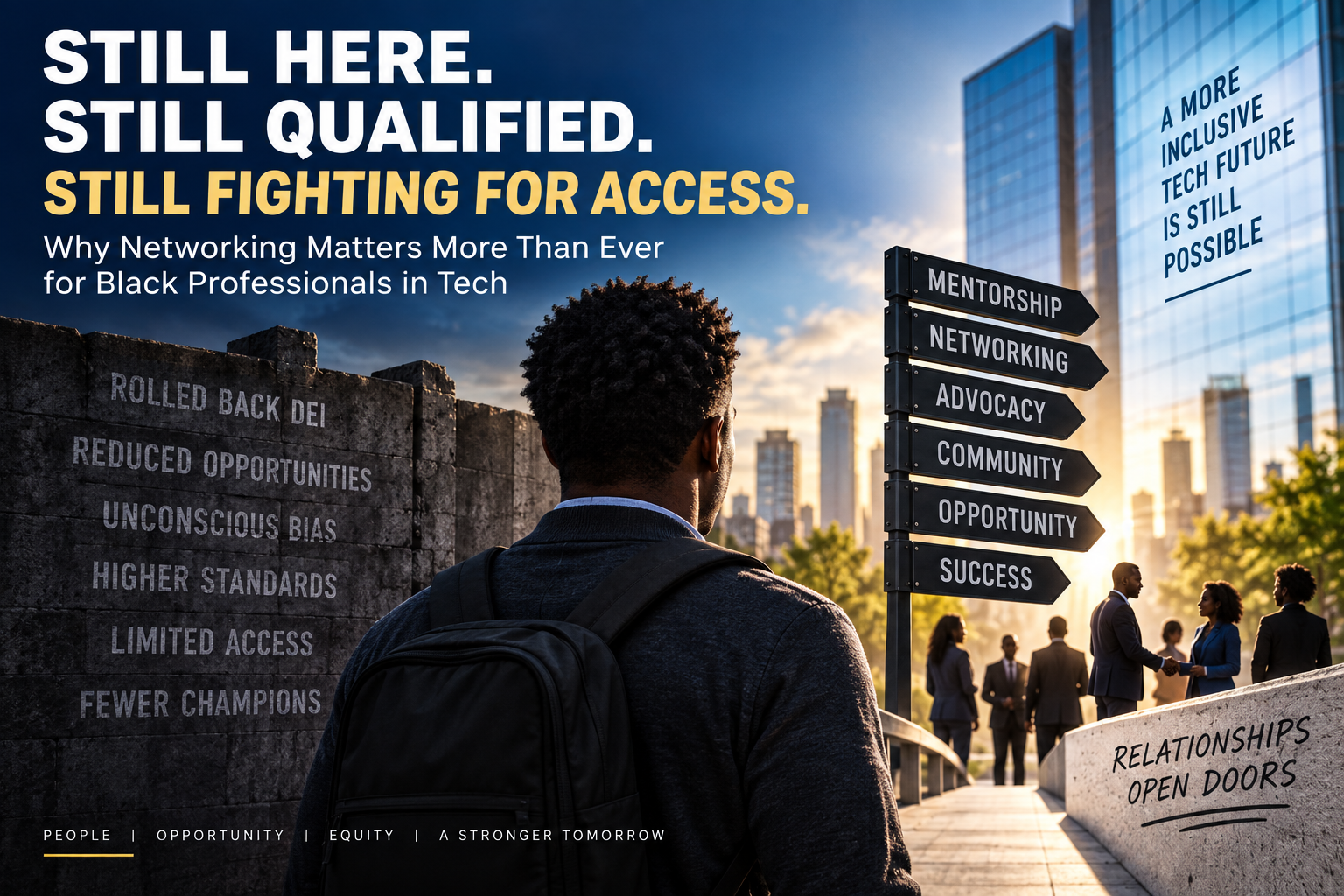
We live in an age where information is seemingly everywhere. Yet access remains uneven. Millions of people still lack reliable internet connectivity. Students in underserved communities often have fewer opportunities to learn computing and artificial intelligence. Entire communities can find themselves on the wrong side of the digital divide, not because they lack talent or potential, but because they lack access.
The lesson of Juneteenth is that delayed information can have profound human consequences.
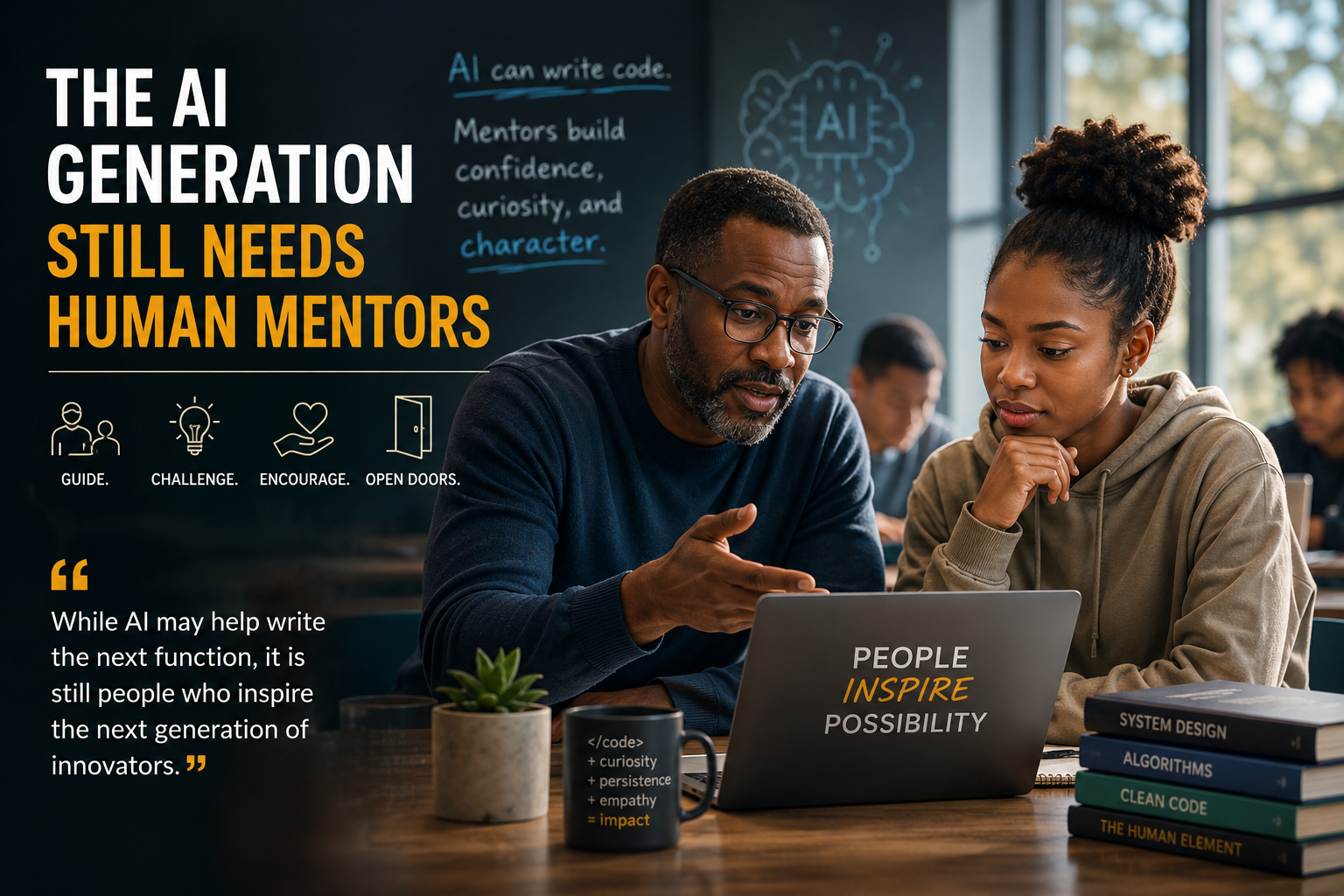
As educators, we should ask ourselves whether our students have equitable access to the knowledge, tools, and learning experiences that prepare them for the future. As technologists, we should consider whether the systems we design expand access or inadvertently create new barriers. As leaders, we should remember that innovation is meaningful only when its benefits are broadly shared.
The history of Juneteenth teaches us that information delayed can delay opportunity, participation, and even freedom itself.
Perhaps this is one of the most important lessons computer science can learn from history: Technology is not simply about creating faster processors, smarter algorithms, or more sophisticated applications. It is about ensuring that knowledge reaches people, empowers communities, and opens doors that might otherwise remain closed.
On Juneteenth, we remember the celebration of freedom finally realized. We should also remember the cost of information withheld and recommit ourselves to building a future in which access to knowledge is not a privilege for some, but an opportunity available to all.
The true promise of computing is not found in the machines we build, but in the human potential we unlock when knowledge becomes accessible to everyone.