
If Women Were the Original Programmers, What Happened?
Dr. Kai Dupe • March 25, 2026
If you walk into most computer science classrooms today, you might assume that computing has always been a male-dominated field.

If you walk into most computer science classrooms today, you might assume that computing has always been a male-dominated field. As someone who has spent decades in the industry and now teaches the next generation of developers, I can tell you—that assumption is not only common, it’s historically inaccurate.
In the early days of computing, many of the first programmers were women. Ada Lovelace is widely recognized as the first computer programmer, having written what we would now call an algorithm for Charles Babbage’s Analytical Engine. Fast forward to the 1940s, and women were programming some of the first electronic computers, including ENIAC. These were not peripheral roles. These women were solving complex computational problems, often inventing programming techniques as they went (Abbate, 2012).
So what happened?
From a systems perspective, the answer is not mysterious—it’s structural.
In its early stages, programming was considered clerical work. It required precision, patience, and attention to detail—qualities that, at the time, were socially assigned to women. But as computing became more central to business, government, and innovation, its status changed. What was once seen as routine work became prestigious and lucrative. And when that shift happened, the demographics shifted with it.
By the 1980s, we see a clear inflection point. Personal computers entered the home—but they were marketed primarily to boys. This created an early access gap that translated into confidence, experience, and eventually career pathways. At the same time, hiring practices and workplace cultures began to favor men, reinforcing a feedback loop that pushed women out of the field (Hicks, 2017).
Over time, the narrative changed. Computing was no longer something women had built—it became something they were seen as entering late.
But that narrative is not just incomplete—it’s a distortion.
Understanding this history is not about nostalgia; it’s about accuracy. When students learn that women were foundational to computing, it reshapes how they think about the field. Diversity is no longer framed as a modern intervention—it is recognized as part of computing’s original DNA.
In my classroom, I’ve seen what happens when students encounter this truth. It disrupts assumptions. It broadens participation. And perhaps most importantly, it changes who students believe belongs in this space.
So, if women were the original programmers, what happened?
Part of the answer lies in systems—education, marketing, hiring, and culture. But another part lies in storytelling. The stories we tell about computing shape who feels invited to participate in it.
As educators, technologists, and leaders, we have an opportunity—and a responsibility—to tell that story more accurately.
References
Abbate, J. (2012). Recoding Gender: Women’s Changing Participation in Computing. MIT Press.
Hicks, M. (2017). Programmed Inequality: How Britain Discarded Women Technologists and Lost Its Edge in Computing. MIT Press.
Evans, C. L. (2018). Broad Band: The Untold Story of the Women Who Made the Internet. Portfolio.
Shetterly, M. L. (2016). Hidden Figures. HarperCollins.

For generations, Black Americans were denied equal educational opportunities through legally enforced segregation and discriminatory practices.

I have spent much of my career in technology learning, teaching, and staying current.

A mentor gives you advice. A sponsor creates opportunities.
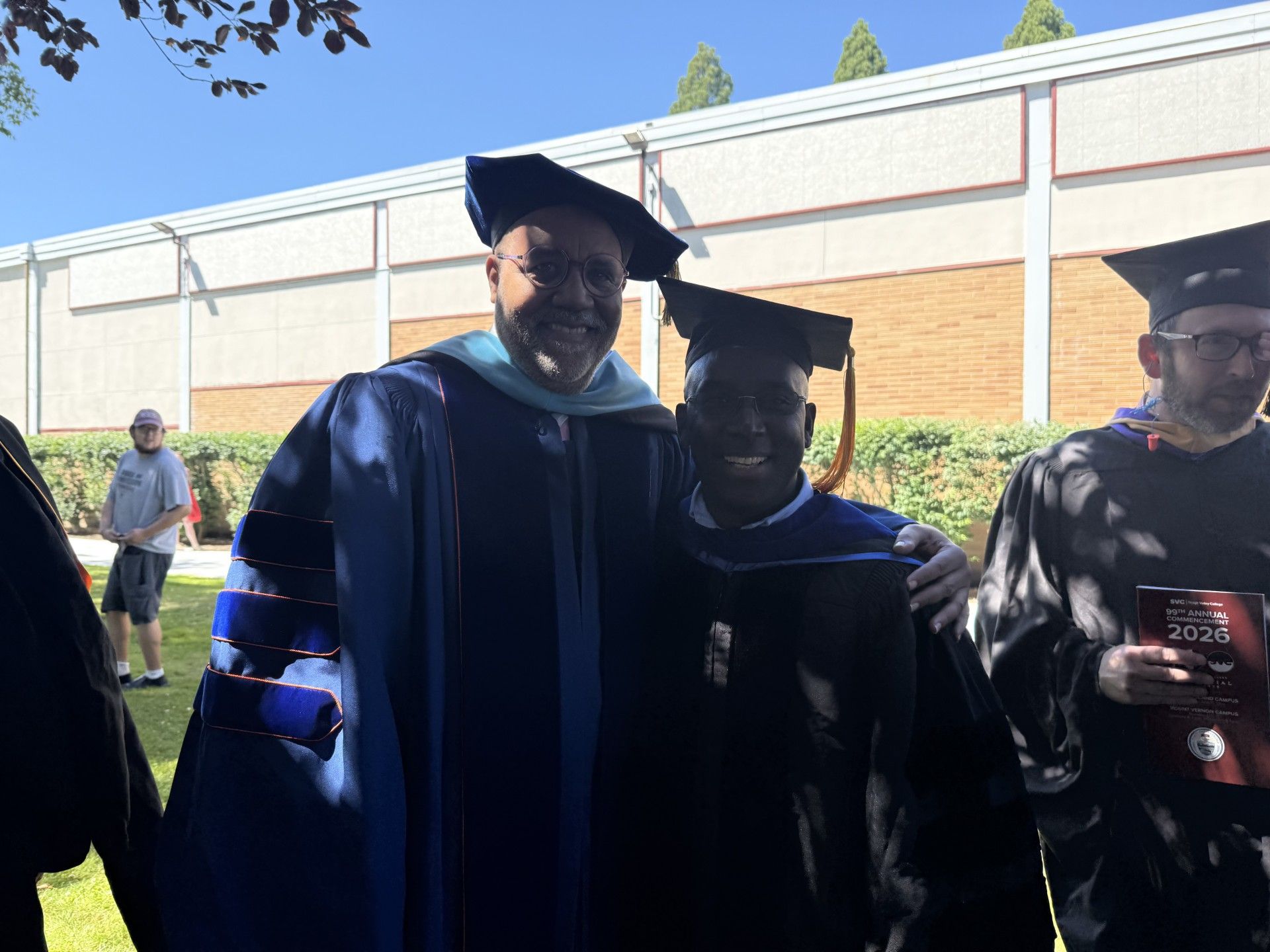
Representation alone will not solve the persistent racial disparities in computing.
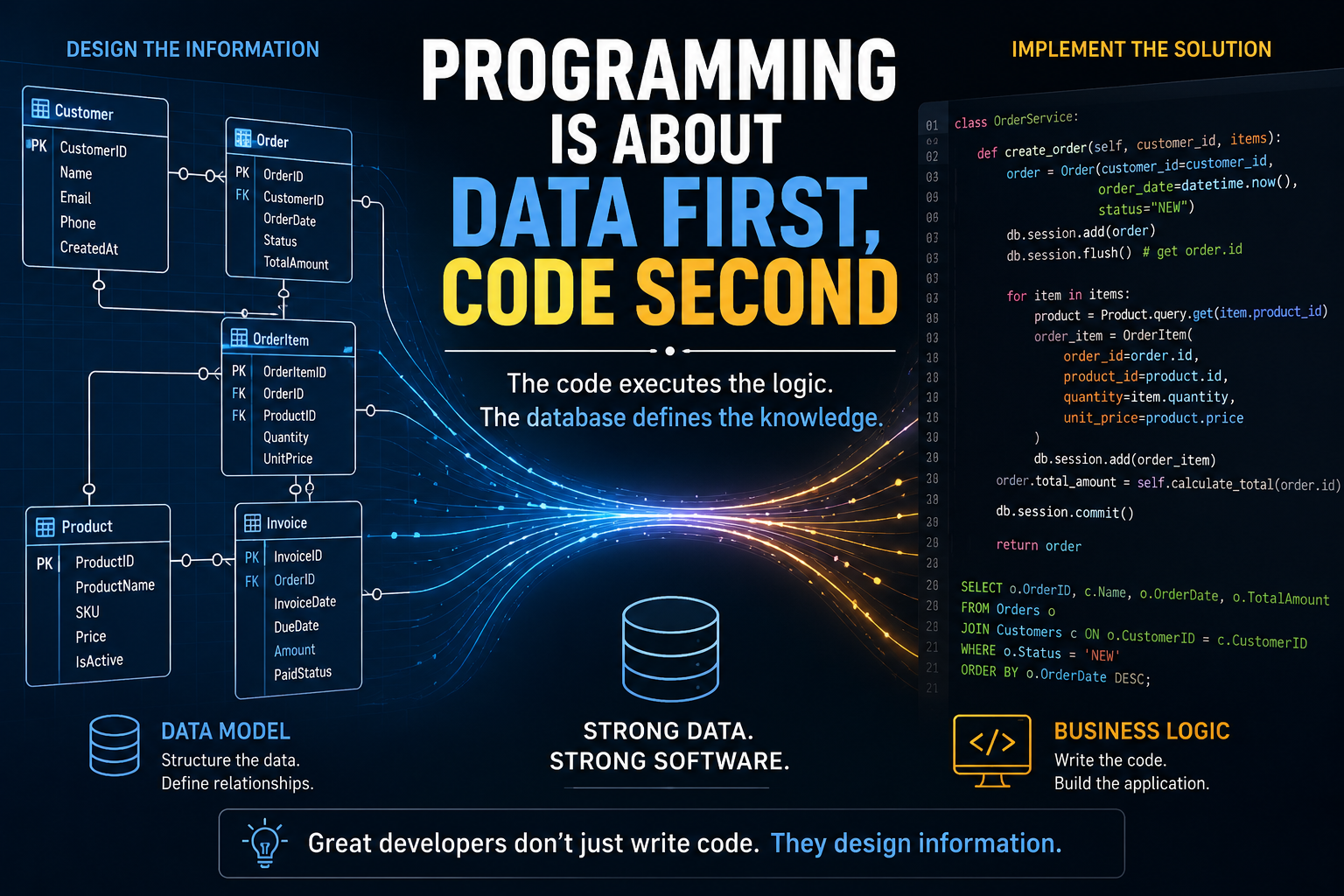
The truth is that most software applications exist to manage information.

Artificial intelligence has become the newest member of nearly every software development team.

The true promise of computing is not found in the machines we build, but in the human potential we unlock when knowledge becomes accessible to everyone.

One of the reasons I value the MCT program so highly is that it represents more than technical knowledge.
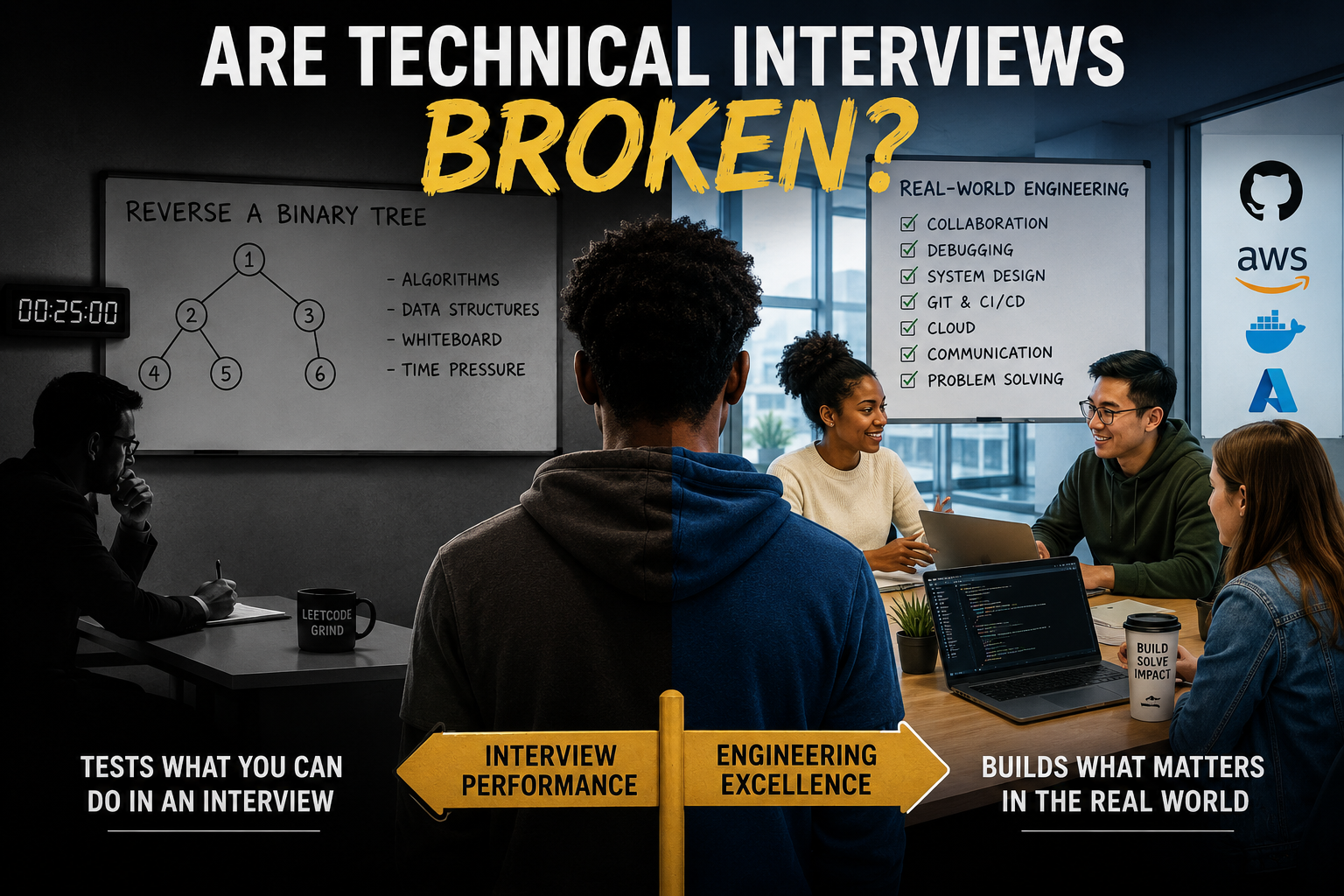
Software engineering is not simply coding.

Companies often promote the idea that technical skill alone determines success.