
When Programming Was Women’s Work: A Forgotten Chapter in Computing History
Dr. Kai Dupe • March 17, 2026
What many people do not realize, however, is that in the earliest years of the computing industry, programming was largely done by women.

During Women's History Month, we often celebrate women who have made groundbreaking contributions to science and technology. What many people do not realize, however, is that in the earliest years of the computing industry, programming was largely done by women. This overlooked chapter of history reveals how deeply women helped shape modern computing—and how cultural shifts later obscured their contributions.
One of the most famous examples comes from the development of the ENIAC, one of the first general-purpose electronic computers built during World War II. When the machine was unveiled in 1946, public attention focused primarily on the hardware and the male engineers who built it. Yet the individuals responsible for programming the computer were six women mathematicians: Jean Bartik, Kathleen McNulty, Betty Jennings, Frances Bilas, Ruth Lichterman, and Marlyn Wescoff.
Their work was extraordinarily complex. Programming ENIAC did not involve writing code in a modern programming language. Instead, they programmed the machine by rewiring plugboards, configuring switches, and designing logical sequences of operations to compute ballistic trajectories for the U.S. military. In effect, they were inventing the practice of programming as they went along.
Despite the significance of their work, these women were largely left out of the early historical record. Photographs from the ENIAC project sometimes showed them standing beside the machine, but they were often misidentified as models rather than as the programmers who made the system function. For decades, their contributions were largely forgotten.
Women continued to play critical roles in computing in the years that followed. One notable figure was Grace Hopper, who helped develop one of the first compilers and contributed to the development of the programming language COBOL. Her work helped transform programming from a hardware-focused task into the software-driven discipline we know today.
Ironically, programming was not initially considered a prestigious profession. In the early decades of computing, it was sometimes viewed as routine clerical work, and organizations often hired women to perform it. However, as software became more central to the technology industry in the 1960s and 1970s, the status of programming began to change. Companies started redefining the role as a highly technical and prestigious occupation. At the same time, hiring practices began emphasizing personality profiles and educational pathways that favored men, while early home computers were heavily marketed to boys. These cultural and institutional shifts gradually pushed many women out of the field.
By the 1980s, computer science programs had become overwhelmingly male-dominated, creating the demographic pattern that still exists in much of the technology industry today. Understanding this history reminds us that the gender imbalance in computing is not inevitable or inherent to the field. Women were present at the very beginning of modern computing and were instrumental in building the foundations of programming itself. For readers interested in learning more, two excellent resources are Recoding Gender by Janet Abbate, which examines the historical role of women in computing, and Broad Band by Claire L. Evans, a narrative history of women’s contributions to the development of the internet and computing culture.

For generations, Black Americans were denied equal educational opportunities through legally enforced segregation and discriminatory practices.

I have spent much of my career in technology learning, teaching, and staying current.

A mentor gives you advice. A sponsor creates opportunities.
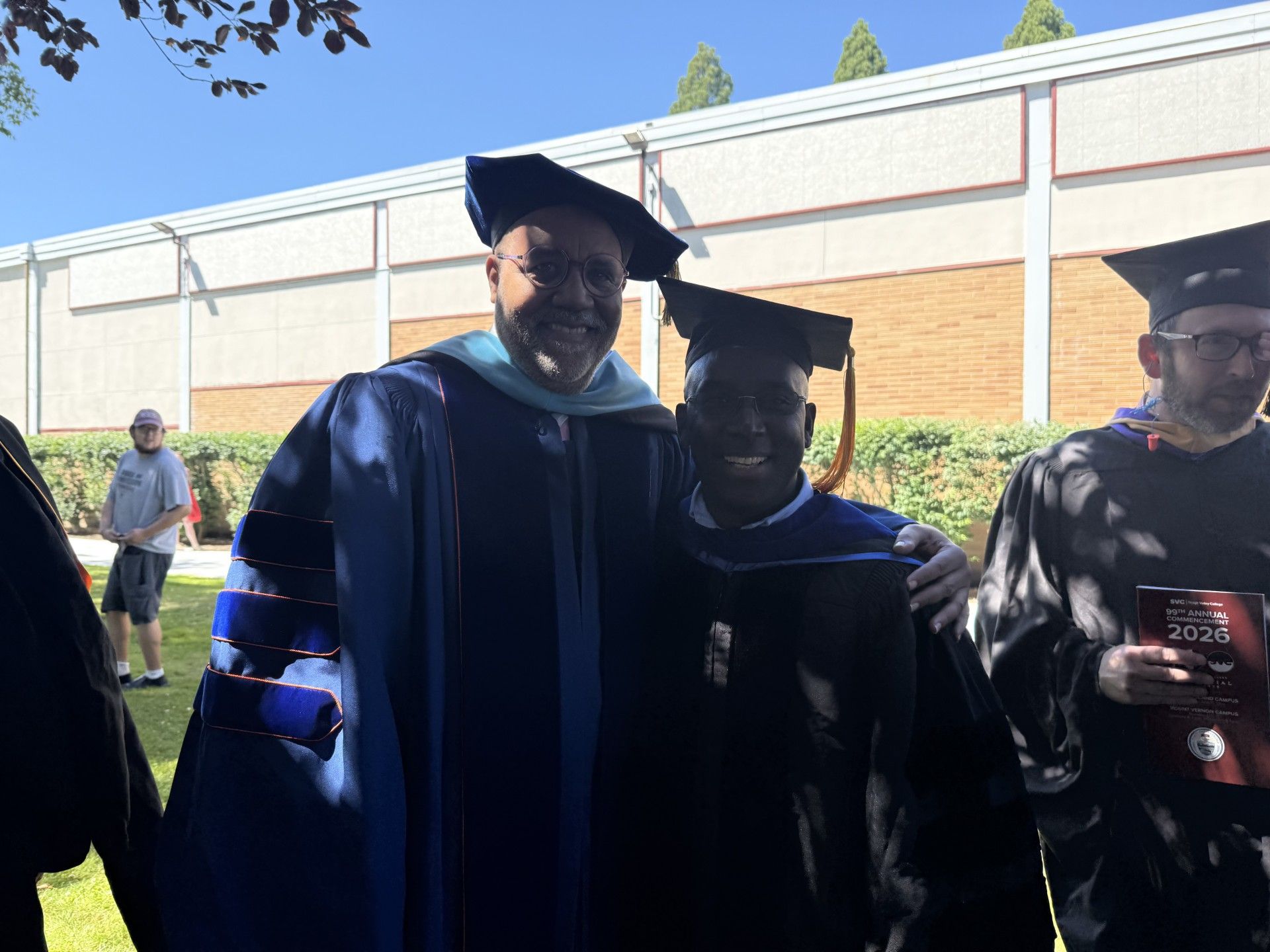
Representation alone will not solve the persistent racial disparities in computing.
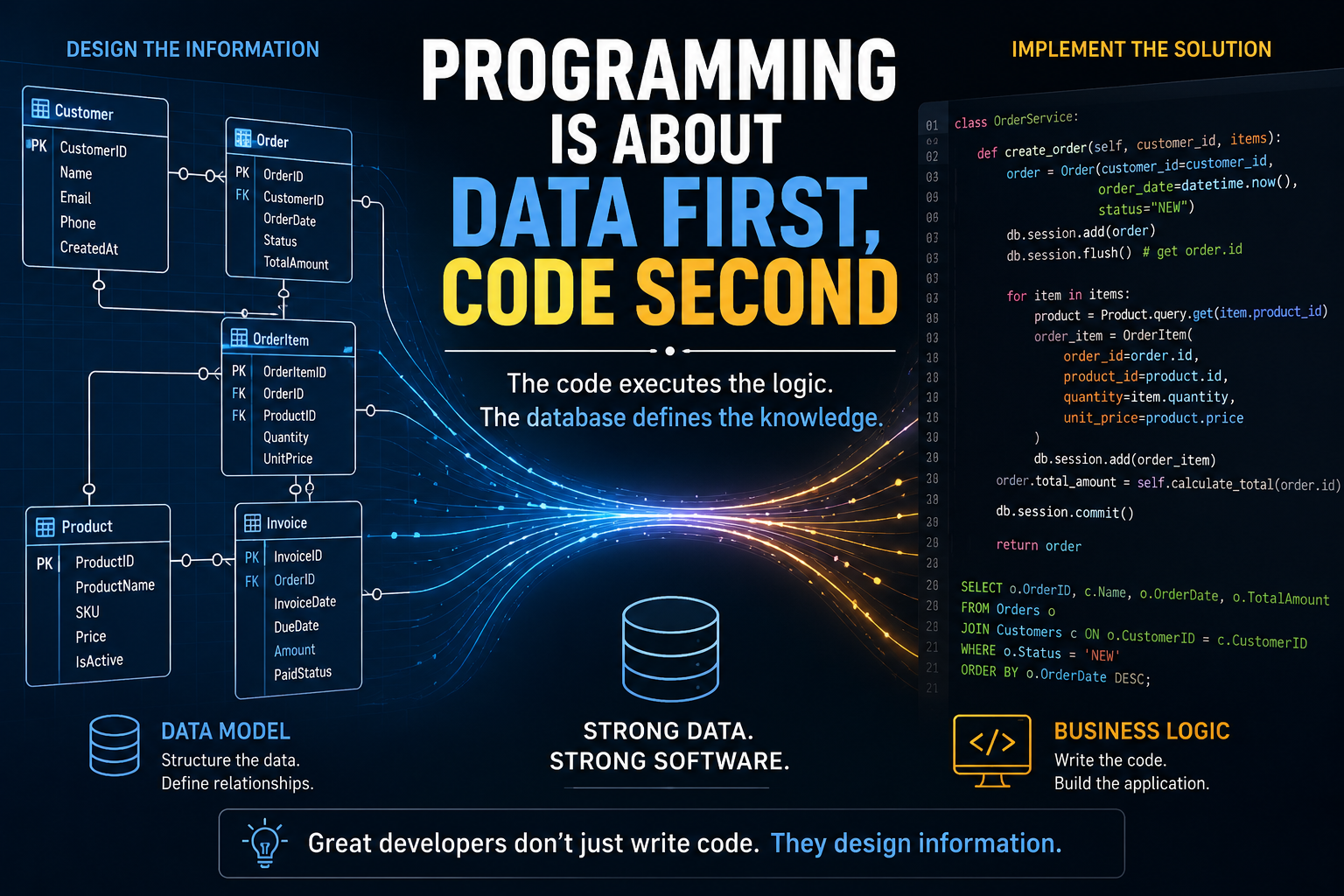
The truth is that most software applications exist to manage information.
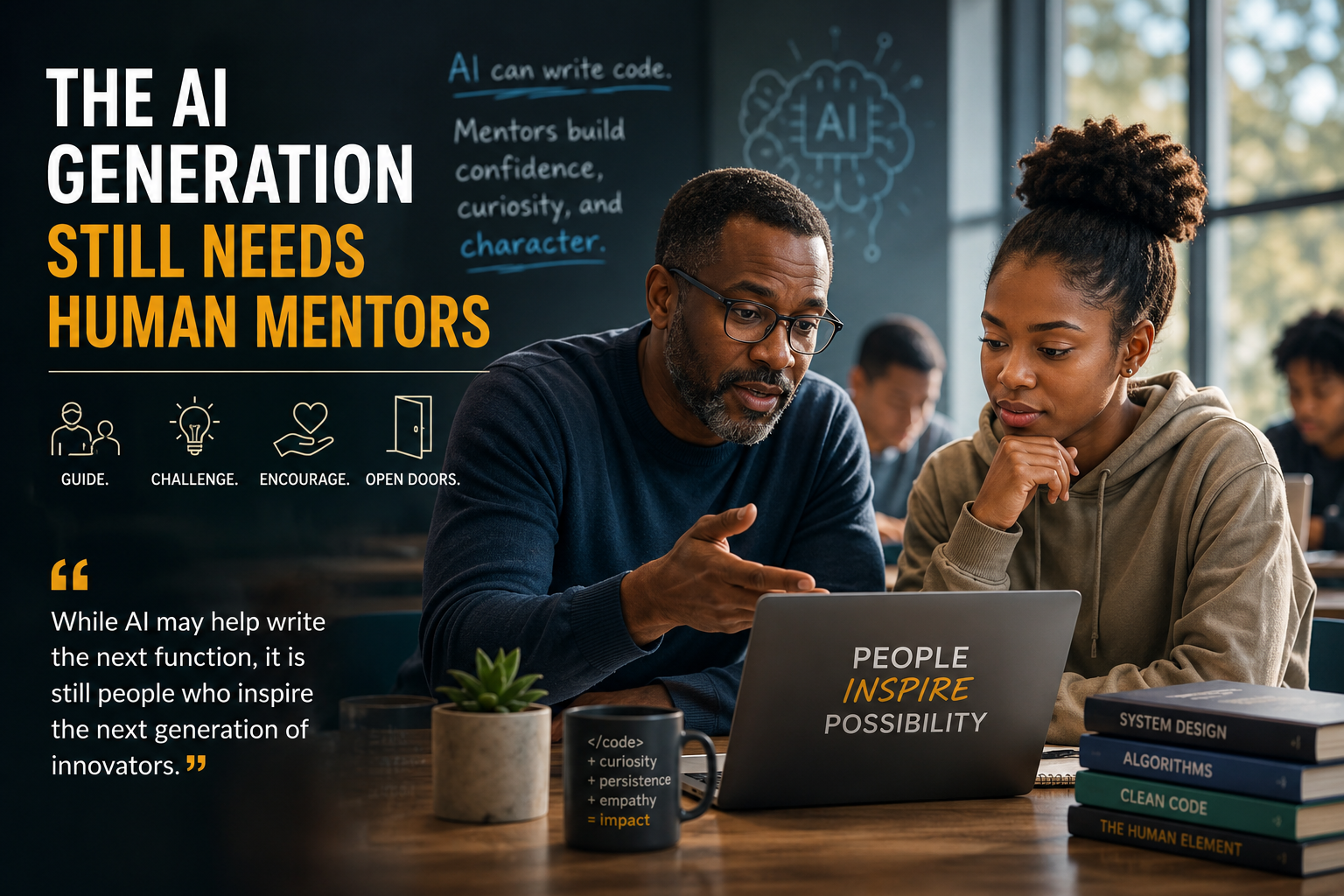
Artificial intelligence has become the newest member of nearly every software development team.

The true promise of computing is not found in the machines we build, but in the human potential we unlock when knowledge becomes accessible to everyone.

One of the reasons I value the MCT program so highly is that it represents more than technical knowledge.

Software engineering is not simply coding.

Companies often promote the idea that technical skill alone determines success.