The AI Generation Still Needs Human Mentors
Artificial intelligence has become the newest member of nearly every software development team.
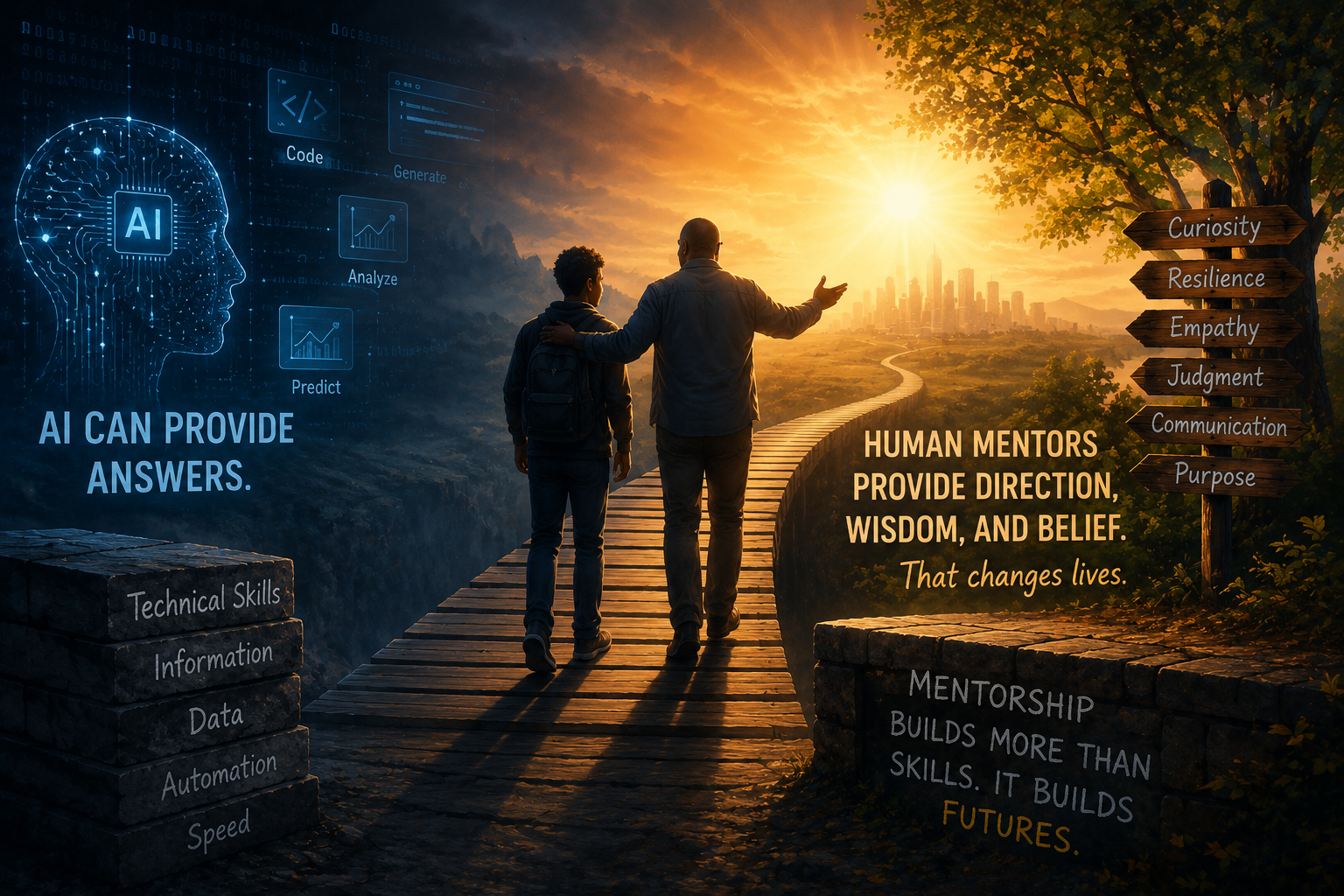
Artificial intelligence has become the newest member of nearly every software development team. It can generate code, explain algorithms, summarize documentation, and even help debug applications in seconds. For today's students, AI is becoming as common as the calculator once was for mathematics.
Yet there is something AI cannot replace.
It cannot be the mentor who sees potential in a student before that student sees it in themselves.
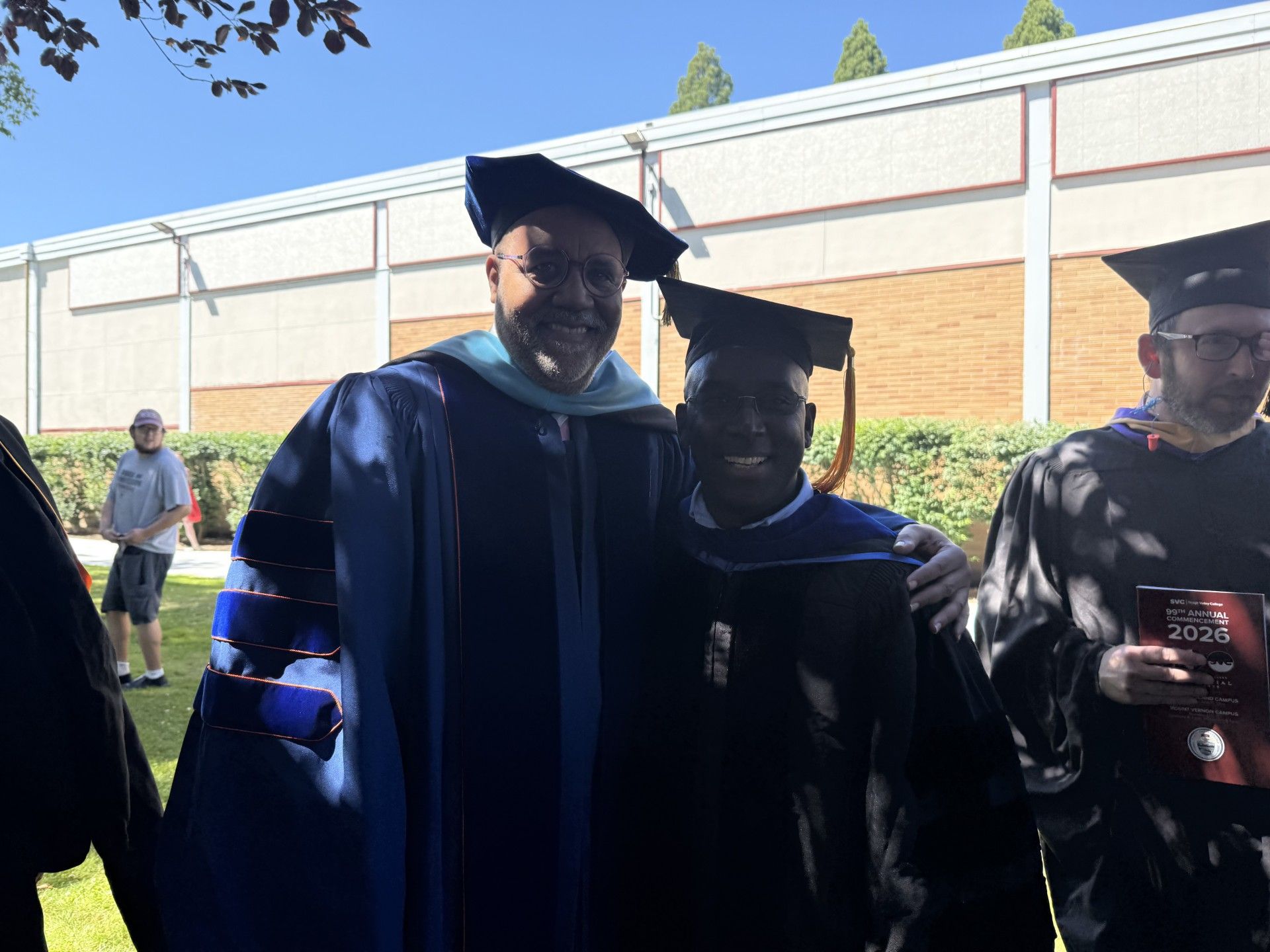
Throughout my career—as a software developer, technical trainer, and now professor of computer science—I have watched technology evolve at an astonishing pace. Languages have come and gone. Frameworks have risen and fallen. Entire industries have transformed.
But one thing has remained remarkably constant: people change people's lives.
Many of us can point to a teacher, manager, colleague, or mentor who opened a door we did not know existed. They challenged us, encouraged us, and sometimes simply believed in us during moments when we doubted ourselves.
No AI model can replicate that relationship.
In my classroom, I encourage students to use AI responsibly. I want them to learn how to ask thoughtful questions, evaluate generated code critically, and use these tools to accelerate learning rather than avoid it. AI can make someone more productive, but productivity alone does not create great software engineers.
Great engineers develop curiosity.
They learn resilience when debugging problems that seem impossible.
They practice empathy when designing software for real people.
They communicate ideas clearly.
They collaborate with teammates who think differently.
These are deeply human skills.
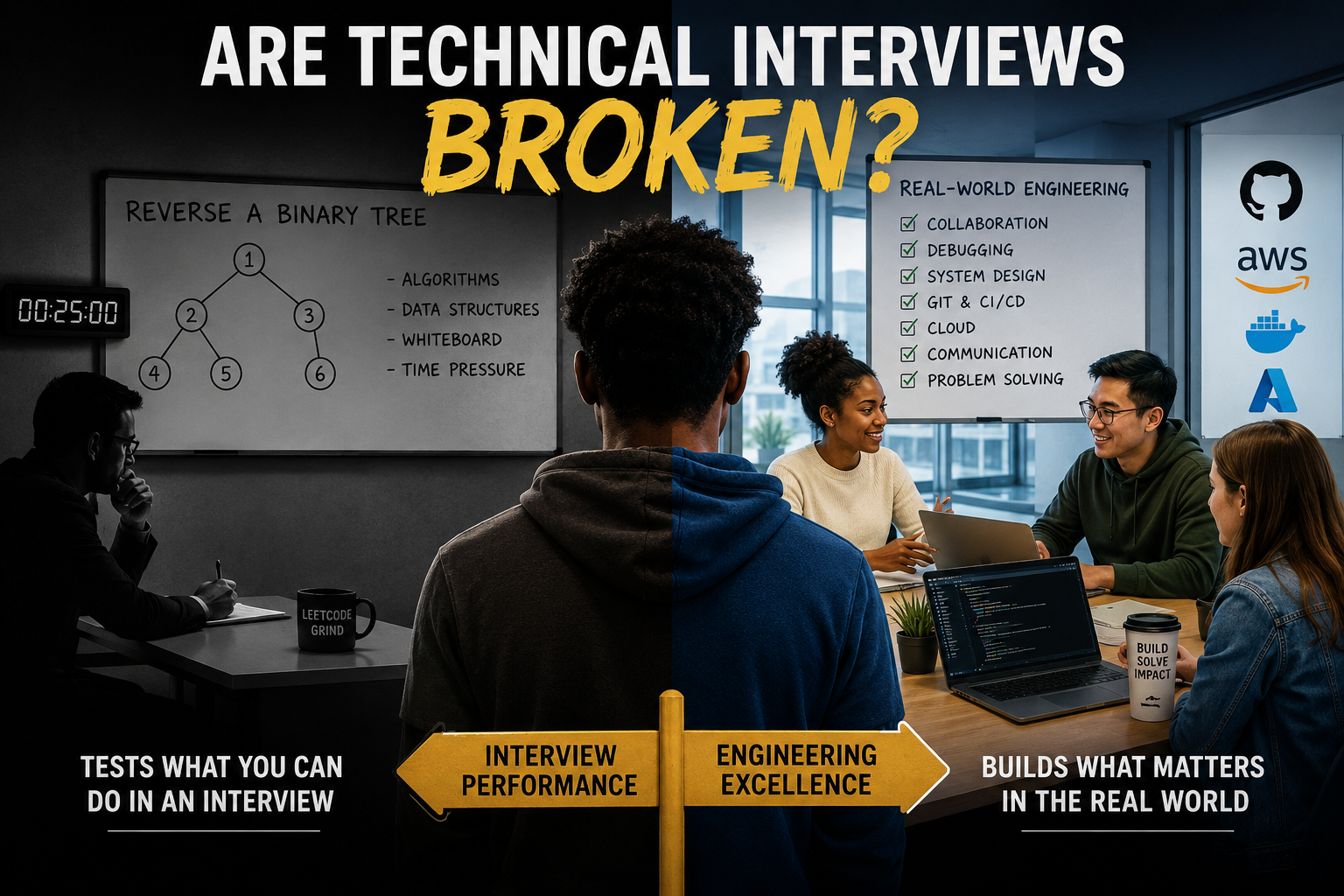
Ironically, the more capable AI becomes, the more valuable these uniquely human qualities will be. Organizations are no longer hiring people simply because they know a programming language. They are looking for professionals who can solve problems, exercise judgment, communicate effectively, and continue learning throughout their careers.
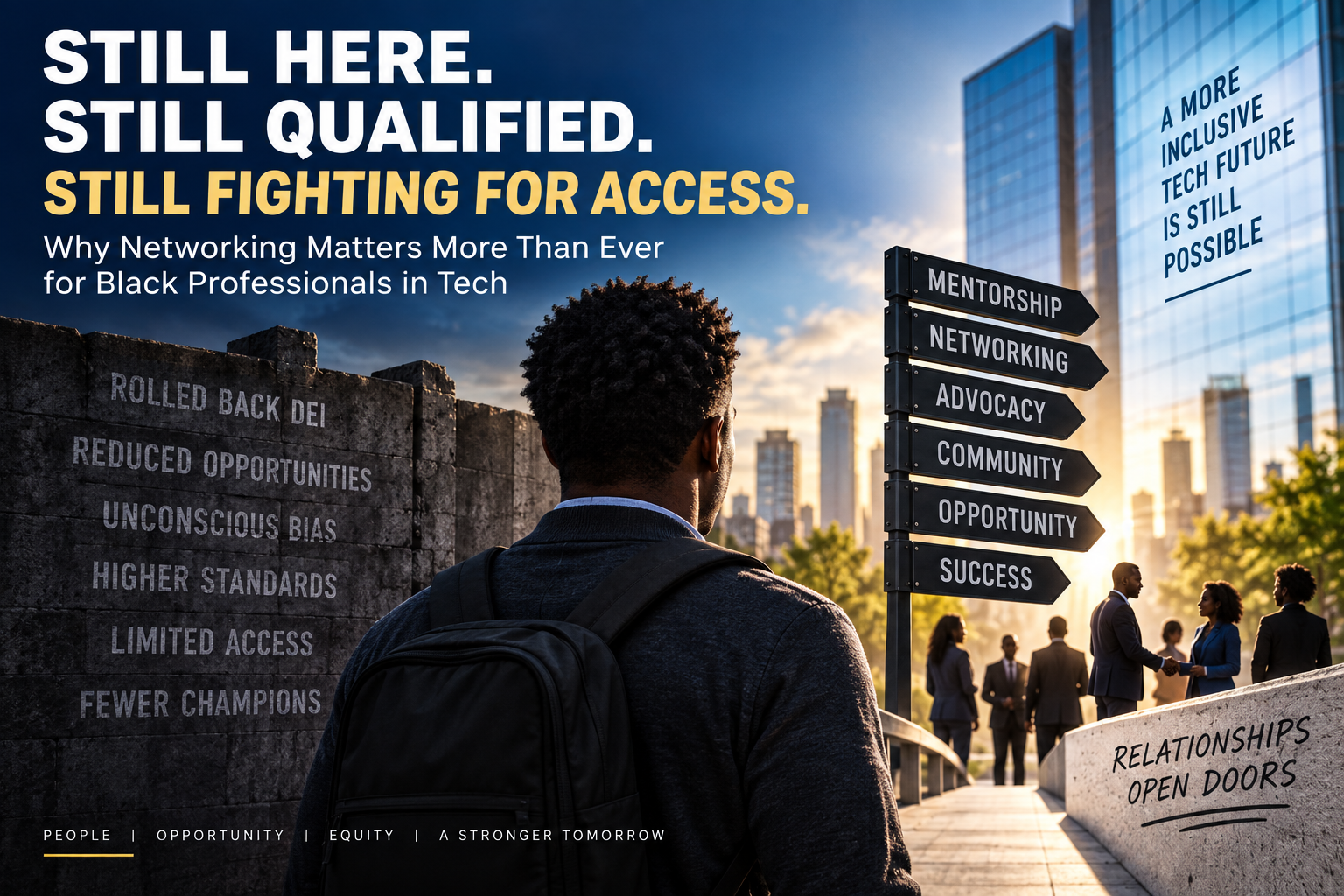
This is where mentorship matters more than ever.
Whether you are an experienced engineer, a professor, or a student just beginning your journey, consider investing in someone else's growth. Answer a question. Review a résumé. Encourage an intern. Speak to a classroom. Share your failures as openly as your successes.
Technology changes quickly.
Character develops slowly.
And while AI may help write the next function, it is still people who inspire the next generation of innovators.
As we embrace the future of artificial intelligence, let's remember that our greatest contribution may never be the code we write—but the people we help become confident enough to write their own.