Programming Is About Data First, Code Second
The truth is that most software applications exist to manage information.

Ask someone what skills an aspiring software developer should learn, and you'll likely hear a familiar list: Python, Java, C#, JavaScript, Git, cloud computing, or perhaps AI-assisted coding. Rarely does someone say, "Learn databases." Yet I would argue that understanding databases is no longer optional—it is a core competency for every modern programmer.
The truth is that most software applications exist to manage information. Whether you're building a banking system, an e-commerce website, a healthcare application, or an AI-powered chatbot, the software's primary purpose is to collect, organize, protect, and retrieve data. The code is simply the mechanism that makes that happen.
This is why I believe we need to rethink how we prepare the next generation of software developers. Programming teaches us how to instruct a computer. Database design teaches us how to model the real world. Great software engineers must be able to do both.
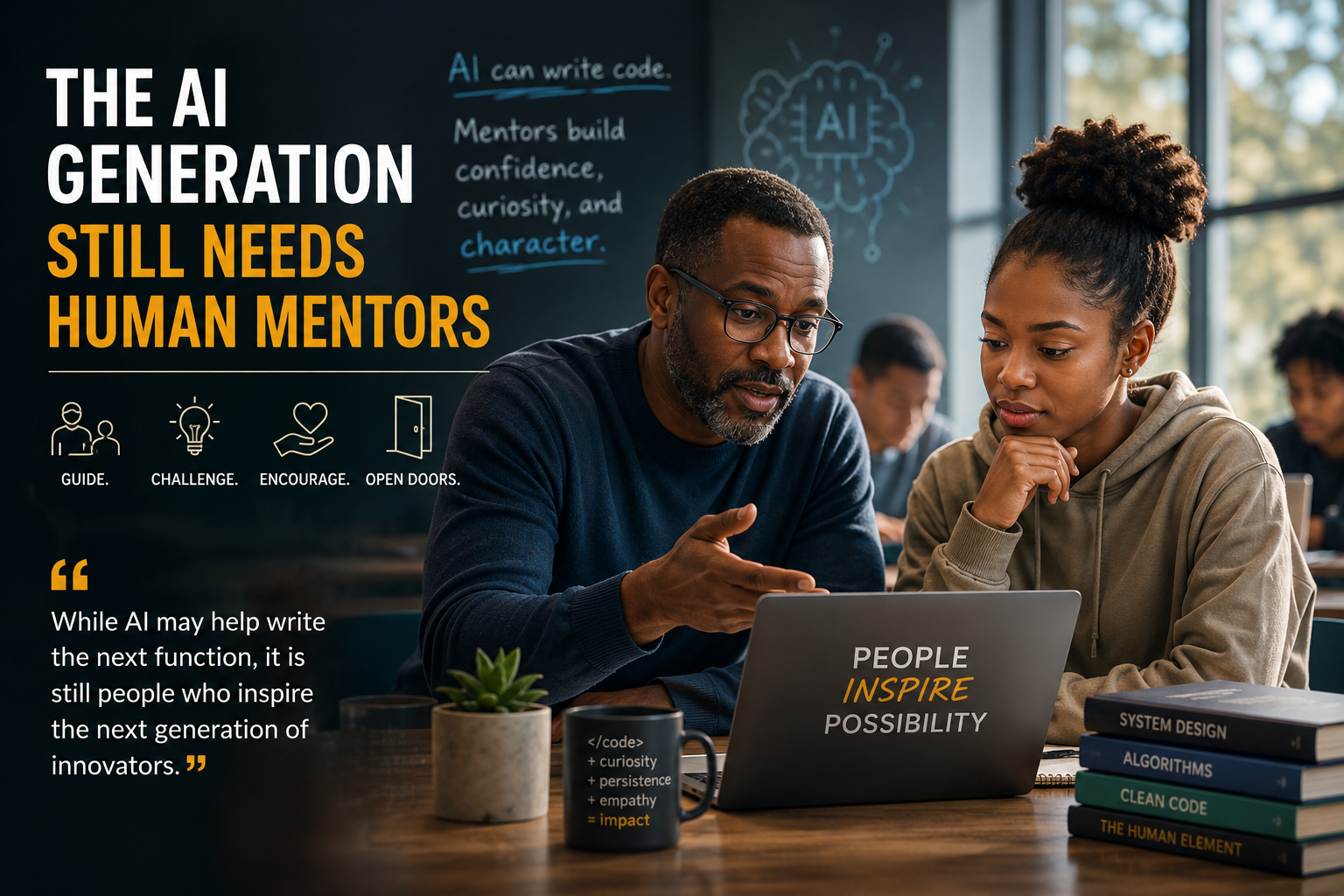
In recent years, many developers have come to rely on Object-Relational Mapping (ORM) frameworks and AI coding assistants to generate SQL queries and database access code. These tools are incredibly valuable, but they don't replace the need to understand how information should be structured. AI can generate a CRUD application in seconds, but it cannot reliably determine what entities should exist, how they relate to one another, what business rules should be enforced, or how to design a database that will remain effective as an application grows.
Poor database design leads to poor software. Duplicate data, missing relationships, inefficient queries, and inconsistent information cannot be solved simply by writing better code. They are architectural problems that require an understanding of data modeling and information design.
Perhaps the most overlooked benefit of studying databases is that they teach developers how to think. Designing a database requires abstraction, categorization, systems thinking, and an understanding of relationships between concepts. These are the very same skills that distinguish experienced software engineers from those who simply know how to write syntax.
As AI continues to transform software development, the ability to generate code will become increasingly common. The ability to design sound information systems will remain a distinctly human skill.
Maybe it's time we stop treating databases as a specialized topic taught after programming and start recognizing them for what they truly are: one of the fundamental building blocks of software engineering. Programming isn't just about writing code. It's about understanding information—and that begins with databases.