
Why Every CS Student Needs a Developer Toolchain (Not Just a Programming Language)
Dr. Kai Dupe • December 23, 2025
One of the biggest misconceptions students have about software development is believing that learning a programming language is the finish line.
One of the biggest misconceptions students have about software development is believing that learning a programming language is the finish line. It’s not. In reality, languages are just one piece of a much larger ecosystem known as the developer toolchain—and employers expect graduates to understand that ecosystem on day one.
In industry, software is rarely written in isolation. Developers collaborate, experiment, break things, fix them, test constantly, and deploy incrementally. None of that works without tools. Version control systems like Git allow teams to work safely in parallel. Platforms like GitHub provide structure for collaboration, feedback, and accountability. These tools are not optional add-ons; they are the foundation of professional software development.
Equally important is proficiency with an IDE such as Visual Studio Code. A modern IDE is more than a text editor—it is a thinking environment. Debuggers, code navigation, and refactoring tools help developers reason about complex systems and fix problems efficiently. Students who rely solely on print statements quickly hit a ceiling when projects grow beyond a few hundred lines.
Command-line skills are another quiet differentiator. While graphical tools are convenient, many professional workflows—build systems, servers, automation, and cloud deployments—live in the terminal. Comfort at the command line signals independence and readiness for real-world environments.
Today’s toolchain is also evolving. Containers like Docker have changed how software is packaged and deployed, while AI tools such as GitHub Copilot are reshaping how code is written and reviewed. The goal is not to let AI replace thinking, but to learn how to evaluate, guide, and improve AI-generated output—an essential skill for modern developers.
For students, the takeaway is simple: languages get you started; tools make you effective. Mastering the developer toolchain builds confidence, supports collaboration, and prepares you not just to write code, but to work as a software developer.
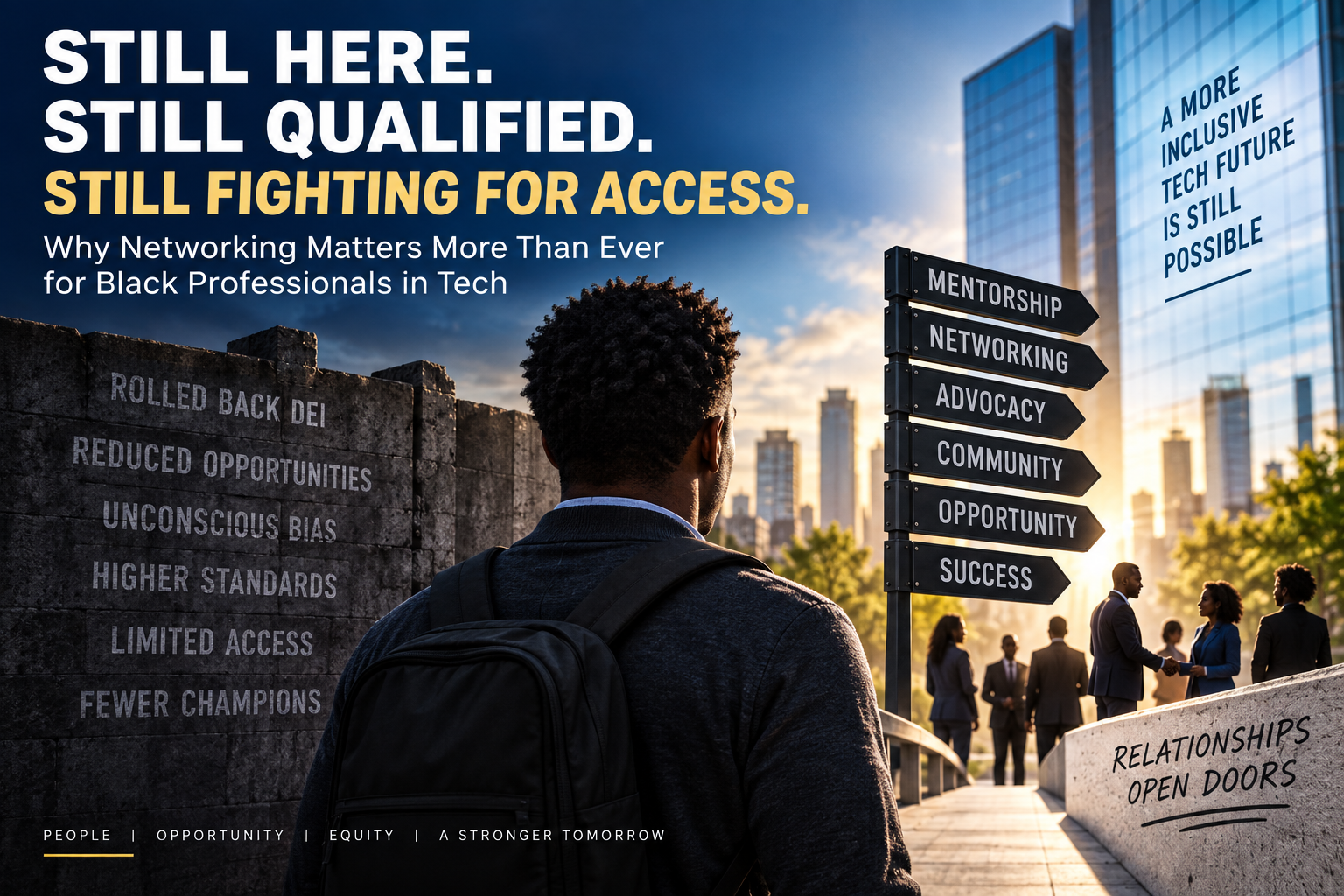
A mentor gives you advice. A sponsor creates opportunities.
Representation alone will not solve the persistent racial disparities in computing.
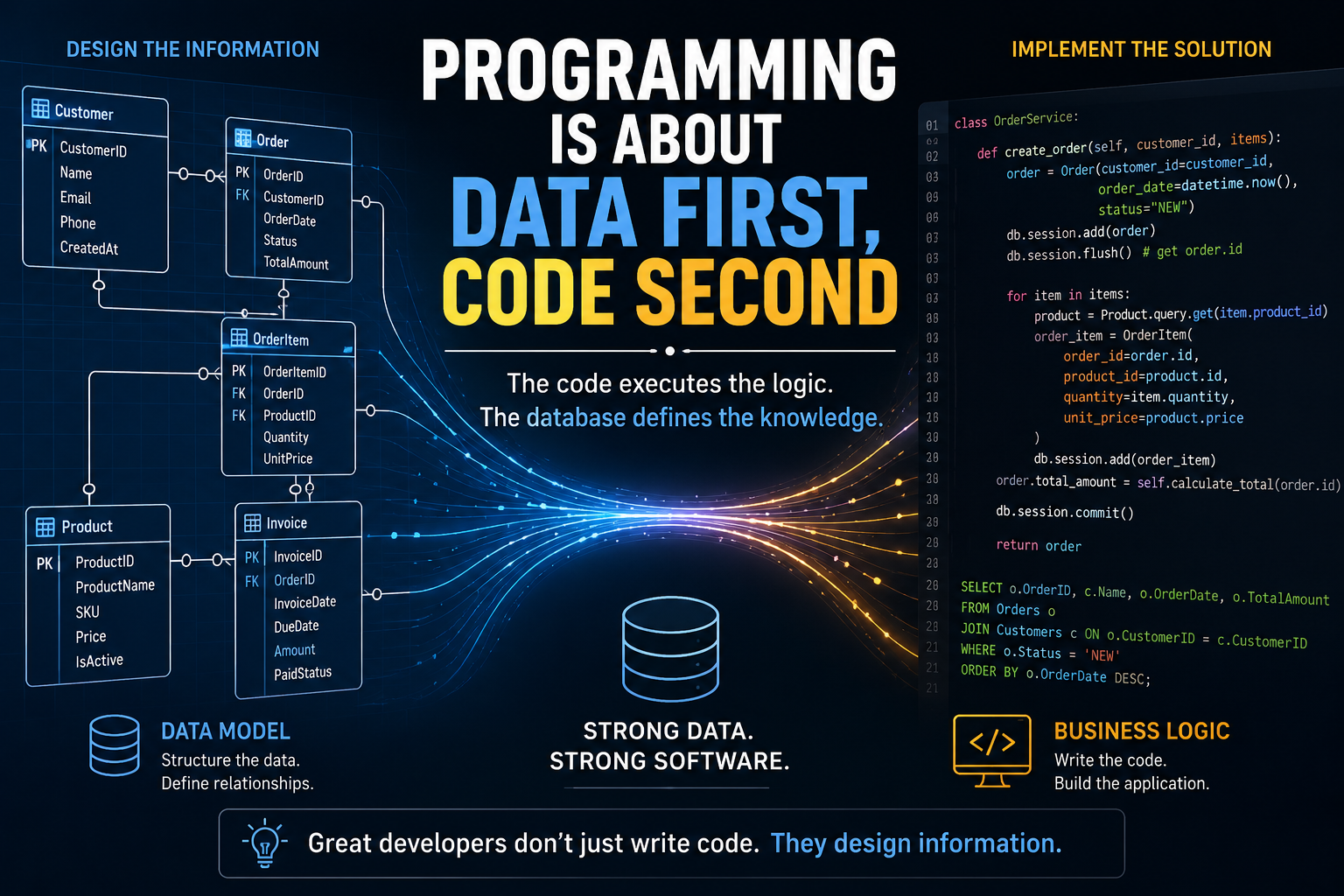
The truth is that most software applications exist to manage information.
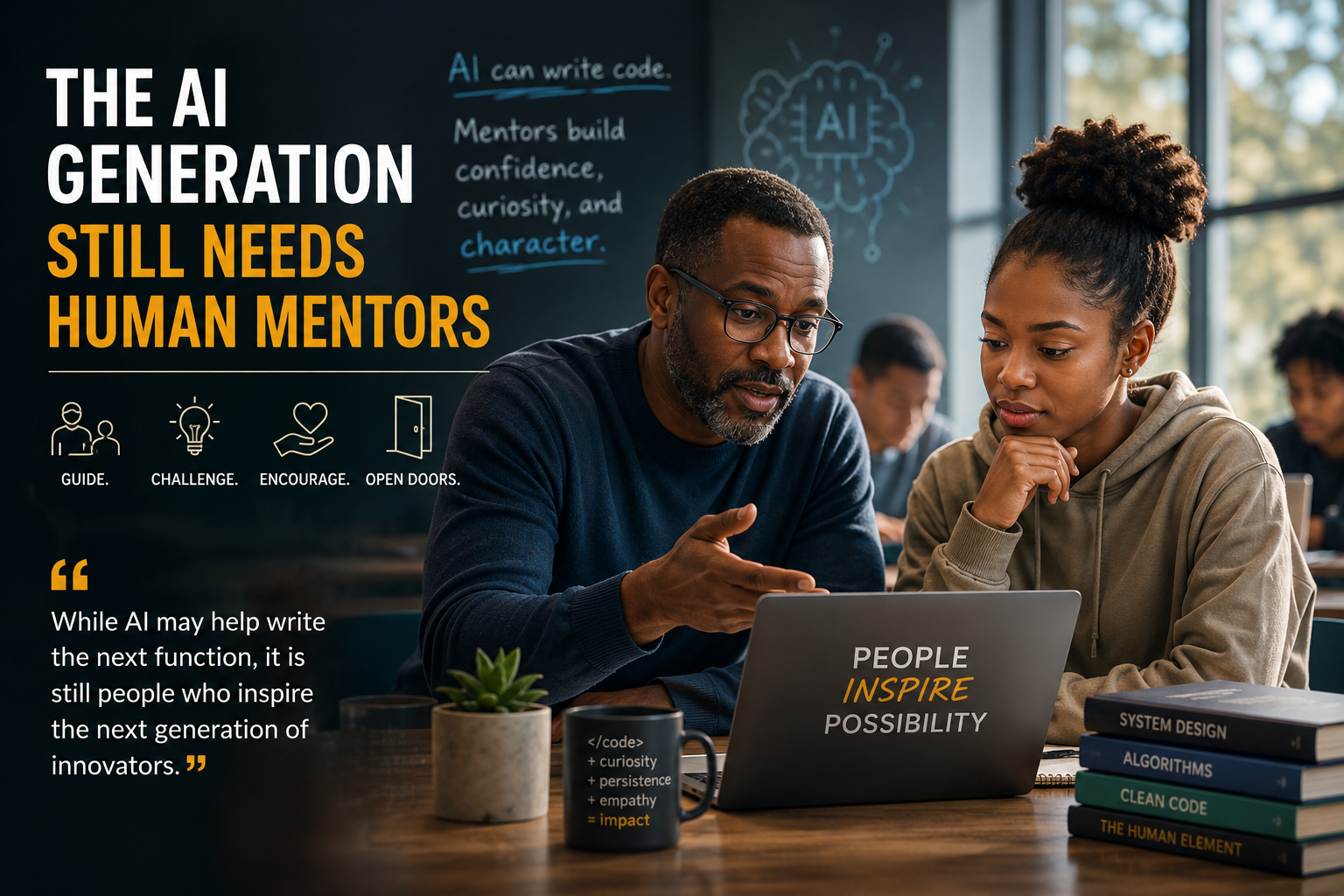
Artificial intelligence has become the newest member of nearly every software development team.

The true promise of computing is not found in the machines we build, but in the human potential we unlock when knowledge becomes accessible to everyone.
One of the reasons I value the MCT program so highly is that it represents more than technical knowledge.
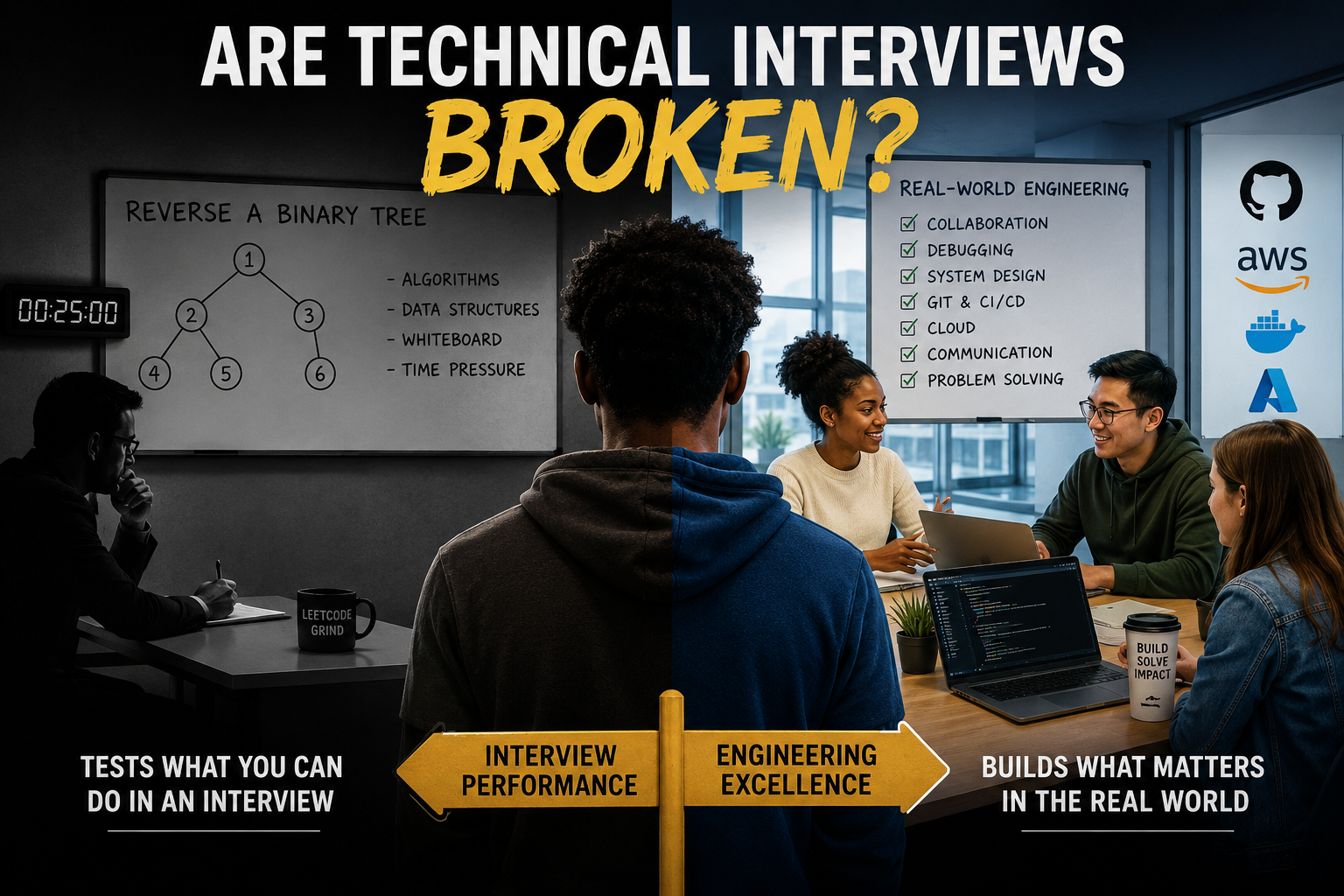
Software engineering is not simply coding.

Companies often promote the idea that technical skill alone determines success.
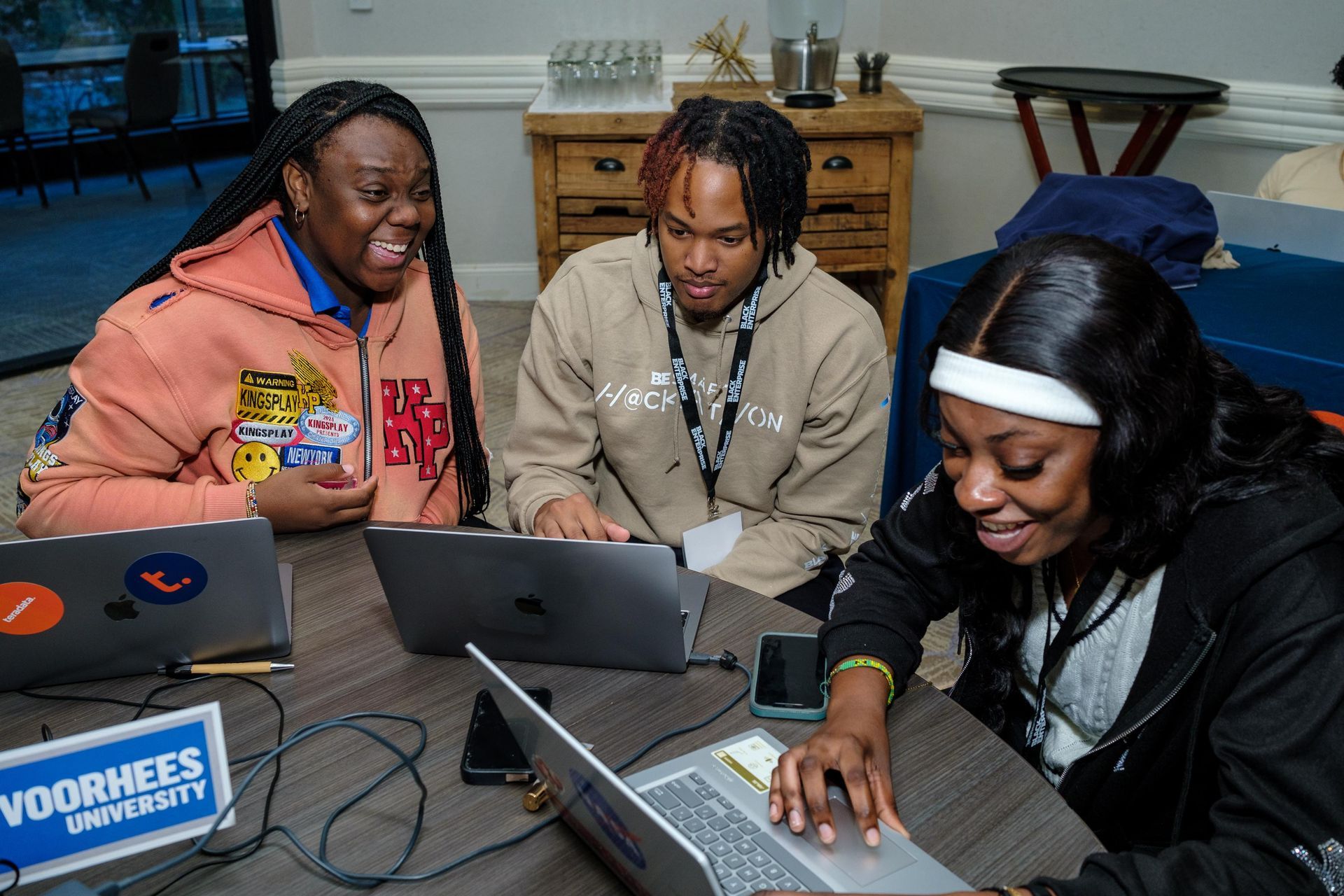
Hackathons also strengthen teamwork and communication skills.
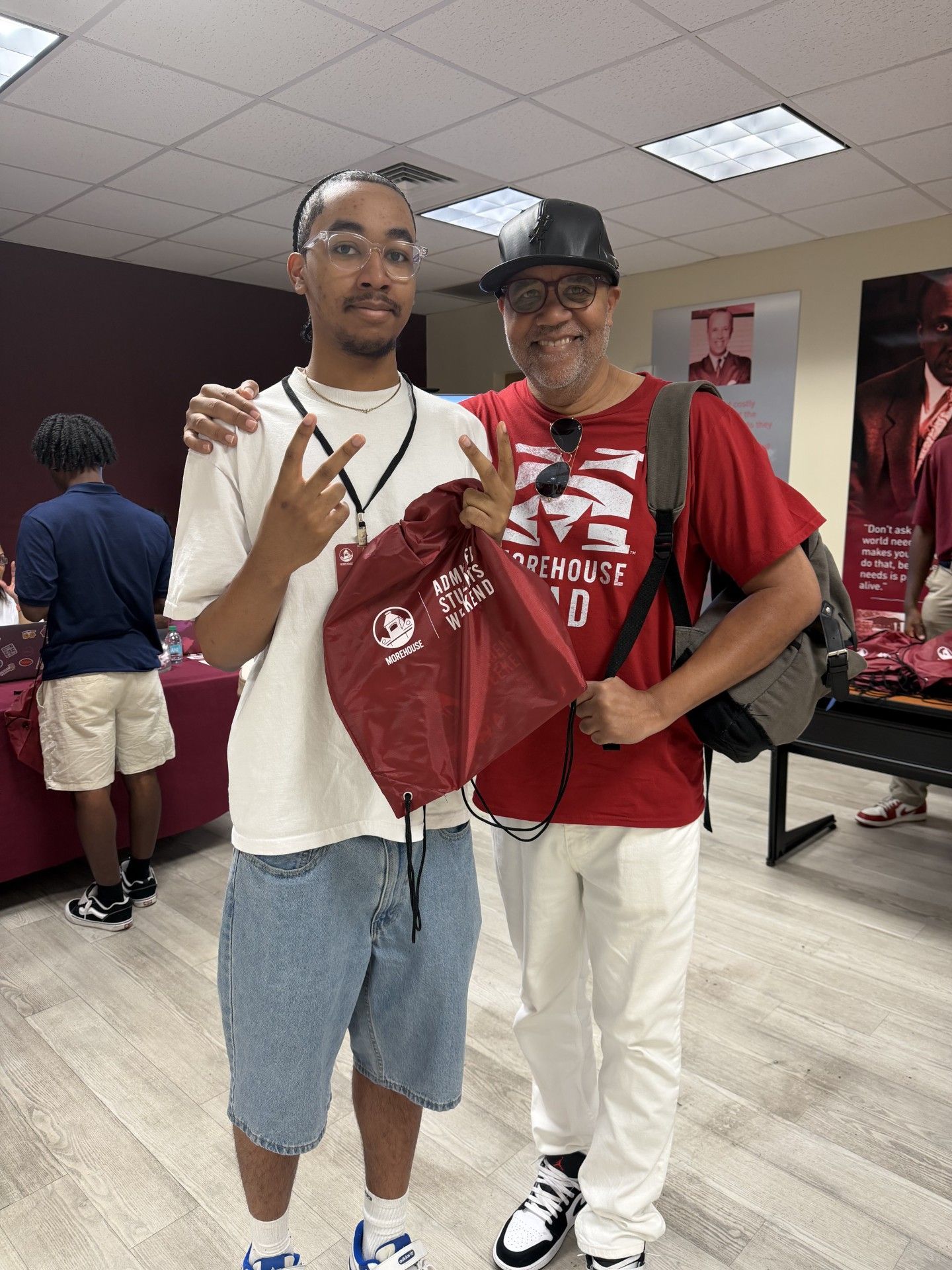
Stepping onto the campus of Morehouse College this past weekend for Admitted Students Day was more than a visit—it was a moment of reflection. As I watched young Black men walk with purpose across the yard, I found myself asking a simple but profound question: What would it have been like for me to study computer science here? My journey into computing was shaped in environments where I was often the only Black man in the room. That reality brings with it an unspoken weight—the need to prove you belong, the awareness of being watched, and sometimes, the quiet isolation that comes with underrepresentation. Standing at Morehouse, I realized that this burden is not a given. It is a condition of the environment. At Morehouse, the environment is different by design. Here, Black men are not anomalies—they are the standard. I imagined what it would feel like to learn algorithms, data structures, and software development in a space where my identity was not questioned but affirmed. Where excellence is expected, not in spite of who you are, but because of it. As a computer science professor, I understand the academic rigor required to succeed in this field. There is no shortcut through recursion, no bypass around debugging, no substitute for disciplined problem-solving. But what struck me during my visit is how much context matters. When students are free from the psychological burden of proving they belong, they can redirect that energy toward mastering the material. They can collaborate more openly, ask questions more freely, and take intellectual risks without fear. I also thought about legacy. At Morehouse, students walk the same grounds as Martin Luther King Jr.. That kind of history does something to a person. It raises the bar—not just academically, but personally. It invites students to see their education not just as a pathway to a career, but as preparation for impact. Leaving campus, I felt inspired—but also reflective. I cannot rewrite my journey, but I can appreciate what spaces like Morehouse offer the next generation. For a Black male pursuing computer science, it is more than a degree. It is an opportunity to develop skill, confidence, and identity in alignment. And that combination is powerful.