
Why Today’s Software Developers Should Embrace GitHub Copilot and Claude Code
Dr. Kai Dupe • December 3, 2025
For most of my 30 years as a software developer, writing code meant opening an editor, thinking deeply about the problem, and manually translating ideas into syntax.
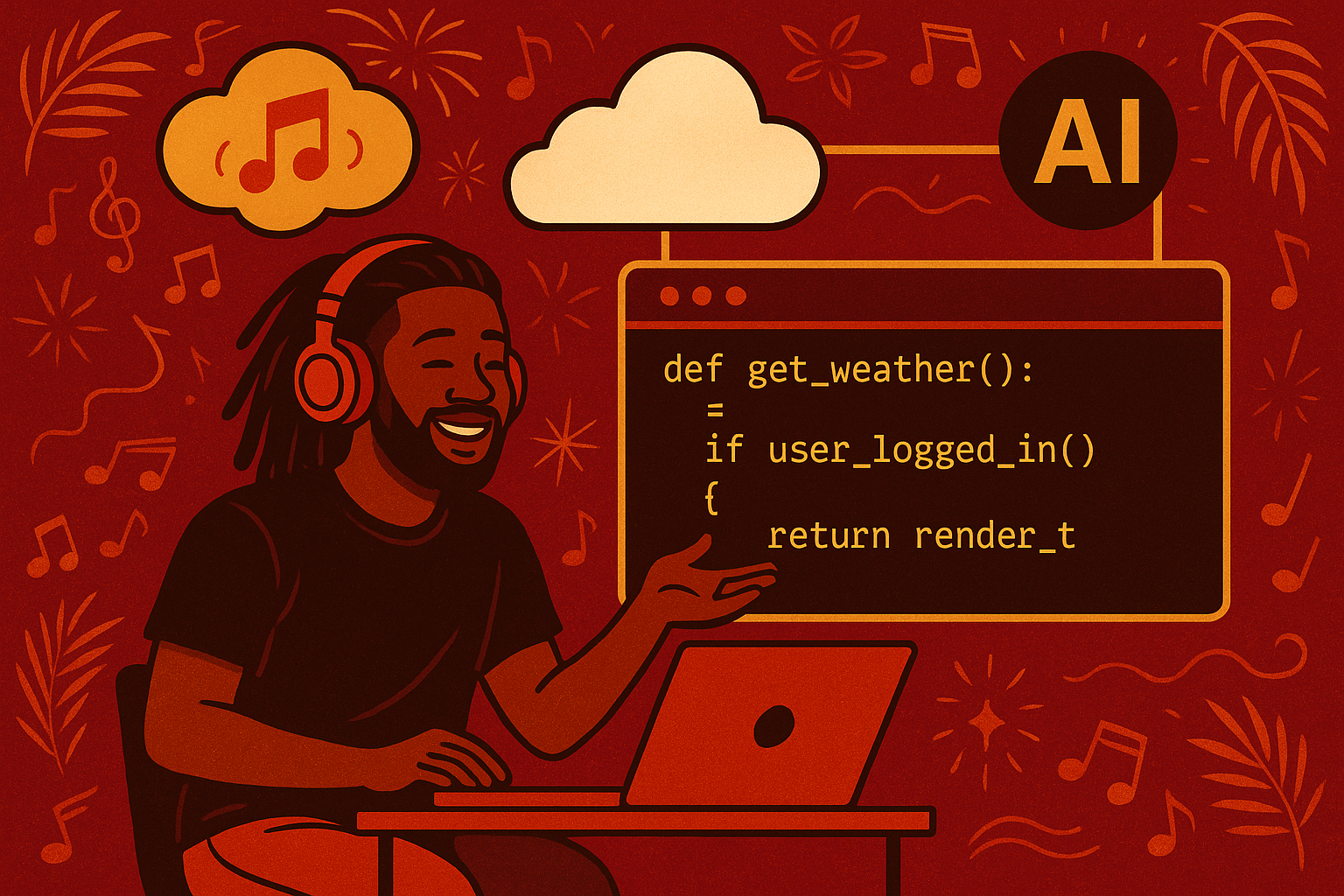
For most of my 30 years as a software developer, writing code meant opening an editor, thinking deeply about the problem, and manually translating ideas into syntax. I took pride in understanding every line, every semicolon, every object. My workflow was built around careful planning, debugging, refactoring, and hours spent in documentation. That approach shaped generations of developers — including me. But today, tools like GitHub Copilot and Claude Code are reshaping what it means to write software, and even for veterans like me, it’s clear that resisting these tools is a mistake.
Copilot and Claude Code represent the rise of AI-assisted development — an evolution, not a replacement, of our profession. Both tools act like highly skilled pair programmers who sit beside you, offering suggestions, generating boilerplate, and even creating entire functions or modules from a simple comment. Copilot excels at in-editor code completion and pattern recognition, while Claude Code brings the power of large context windows, multi-file reasoning, and project-wide refactoring. For someone who grew up writing everything manually, the speed and accuracy of these tools can feel almost disruptive. But that disruption is precisely why traditional developers should take notice.
The contrast between traditional coding and AI-assisted coding is stark. Traditional coding demands concentration, time, and a deep mastery of syntax. AI-assisted coding shifts the focus from keystrokes to concepts. Instead of writing everything by hand, developers now guide the AI with clear intent: “Build me a REST API,” “Refactor this module,” or “Explain why this function fails on edge cases.” The developer becomes more of an architect — defining the blueprint while the AI handles the scaffolding.
Some worry that these tools will weaken foundational skills. I see the opposite: by offloading repetitive work, Copilot and Claude allow developers to spend more time on architecture, design, problem-solving, and understanding user needs. The core of our craft — thinking clearly about systems — becomes even more important.
A traditional developer would be wise to adopt these tools now for a simple reason: AI-assisted coding is quickly becoming the industry standard. Teams that use them deliver faster, iterate more confidently, and reduce the mental load of repetitive tasks. Learning to code with AI is not about abandoning the fundamentals — it’s about amplifying them. The developers who thrive in the next decade will be those who blend traditional craftsmanship with AI-powered acceleration. Embracing Copilot and Claude isn’t about keeping up with the future. It’s about helping to build it.

A mentor gives you advice. A sponsor creates opportunities.
Representation alone will not solve the persistent racial disparities in computing.
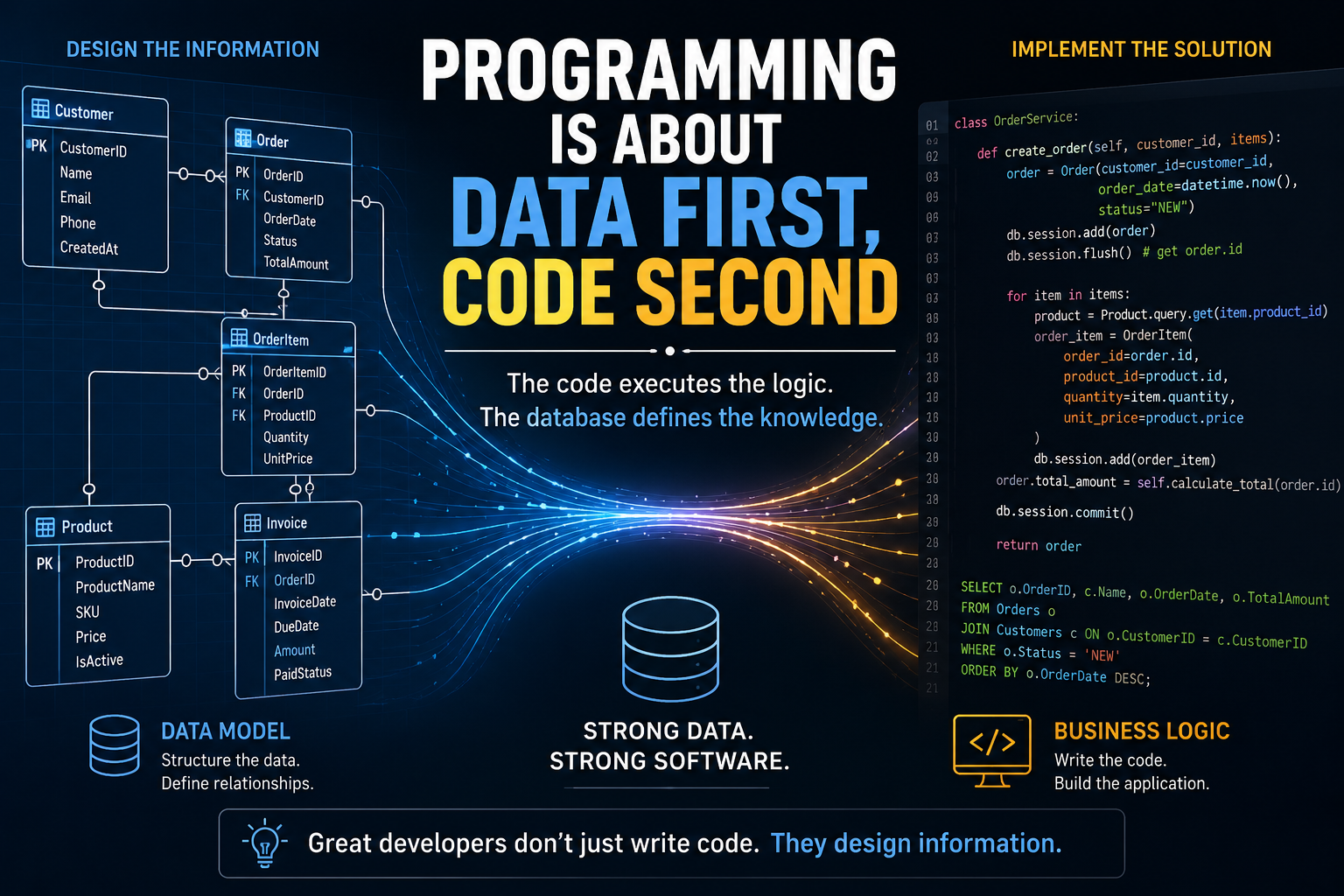
The truth is that most software applications exist to manage information.
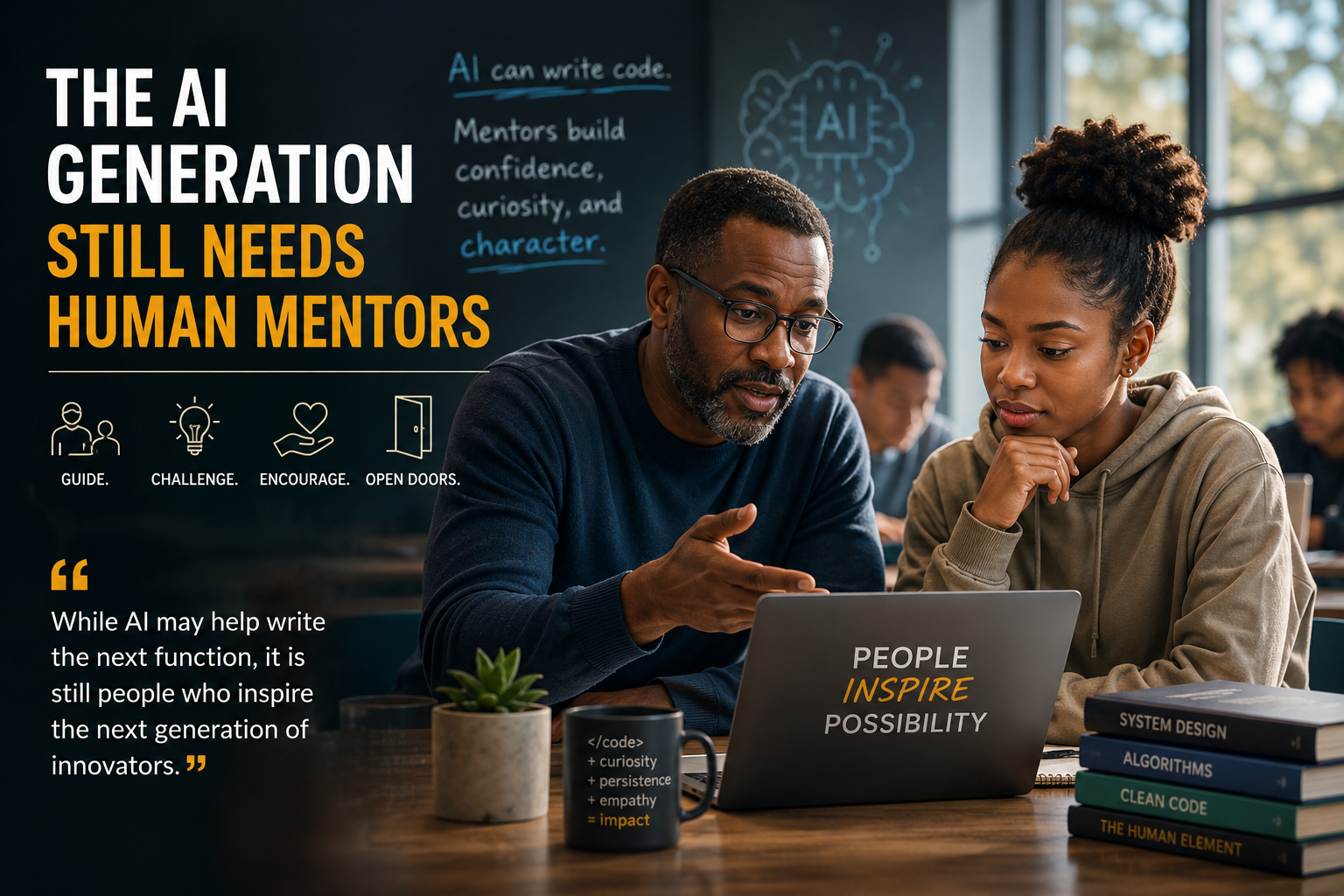
Artificial intelligence has become the newest member of nearly every software development team.

The true promise of computing is not found in the machines we build, but in the human potential we unlock when knowledge becomes accessible to everyone.

One of the reasons I value the MCT program so highly is that it represents more than technical knowledge.
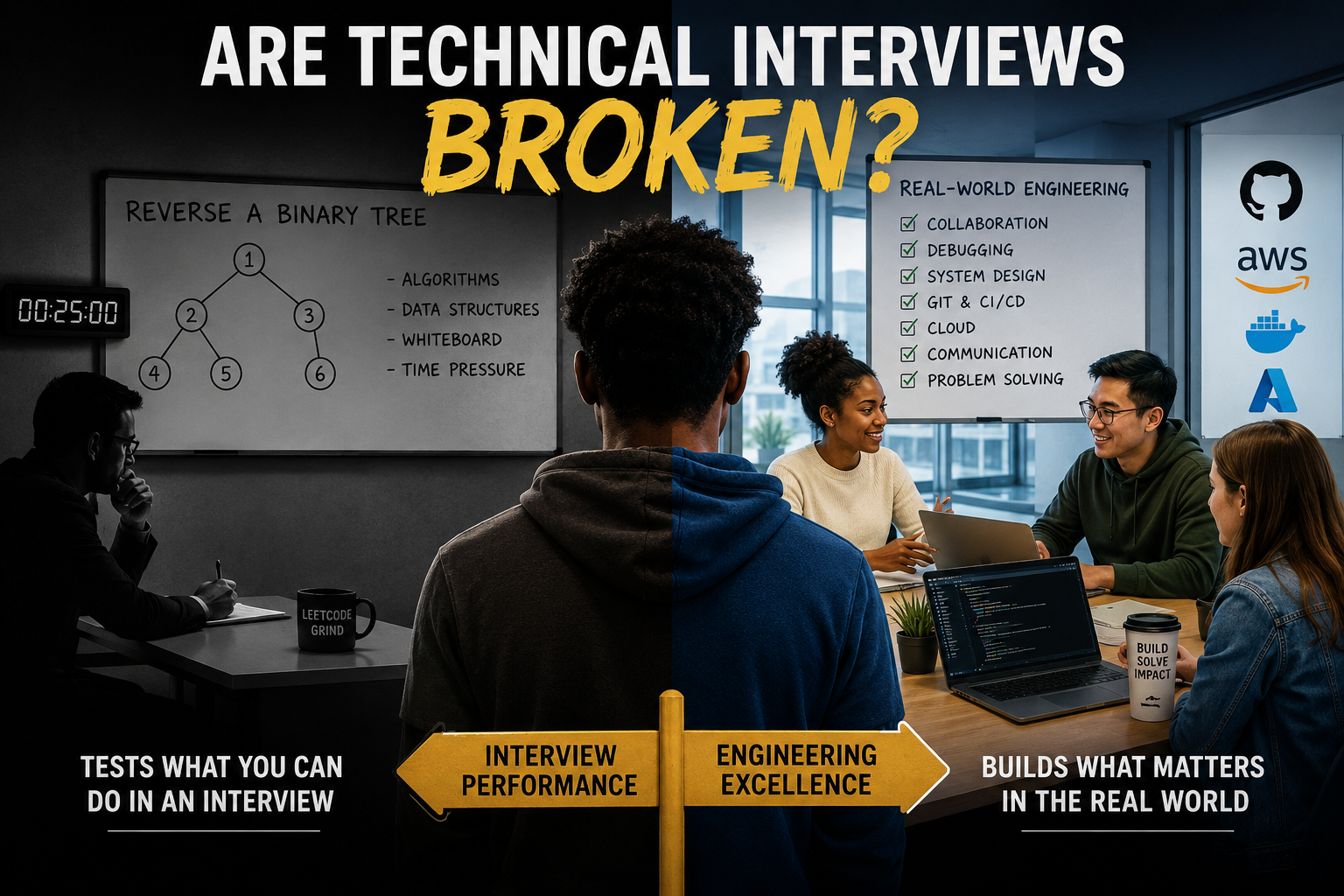
Software engineering is not simply coding.

Companies often promote the idea that technical skill alone determines success.
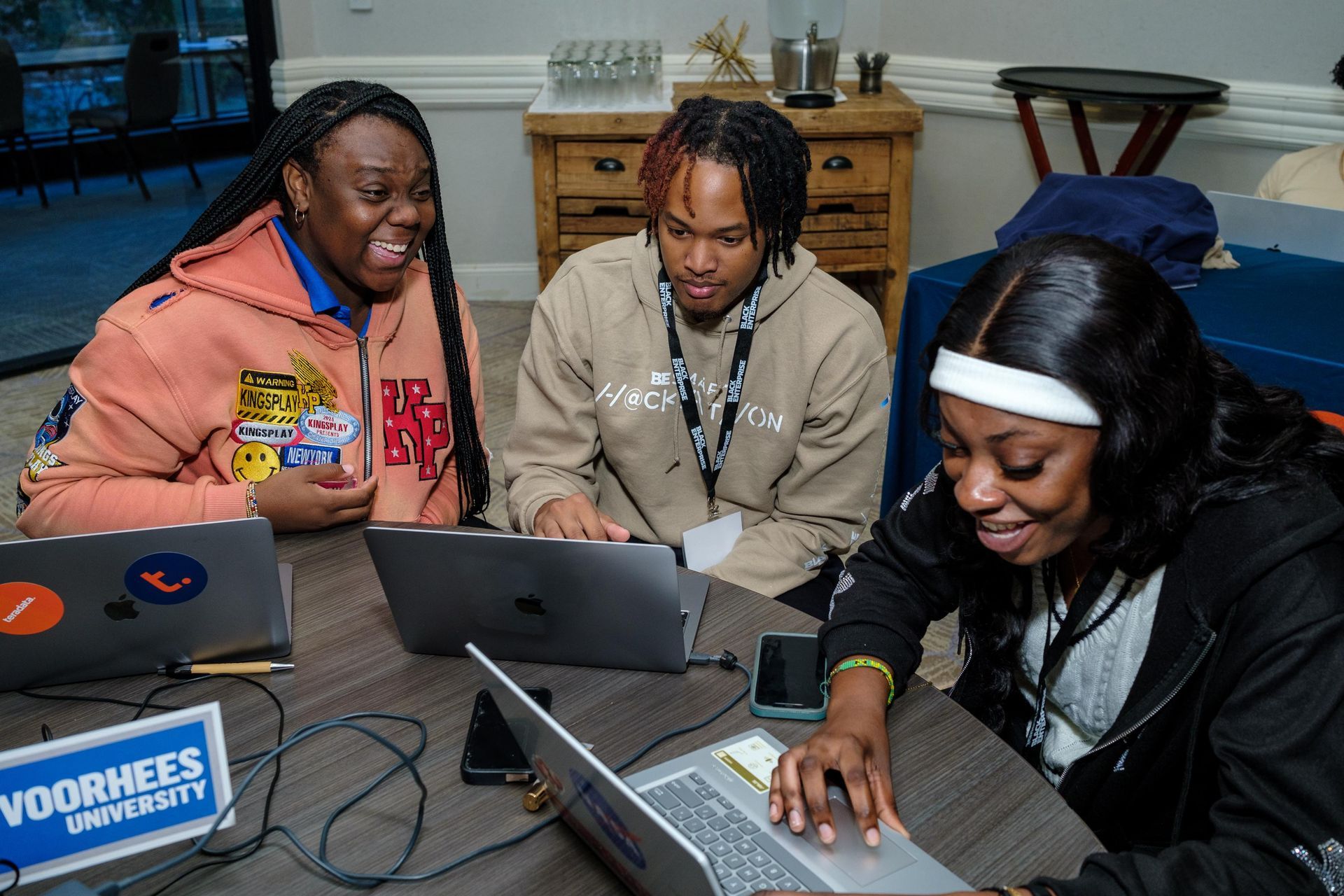
Hackathons also strengthen teamwork and communication skills.
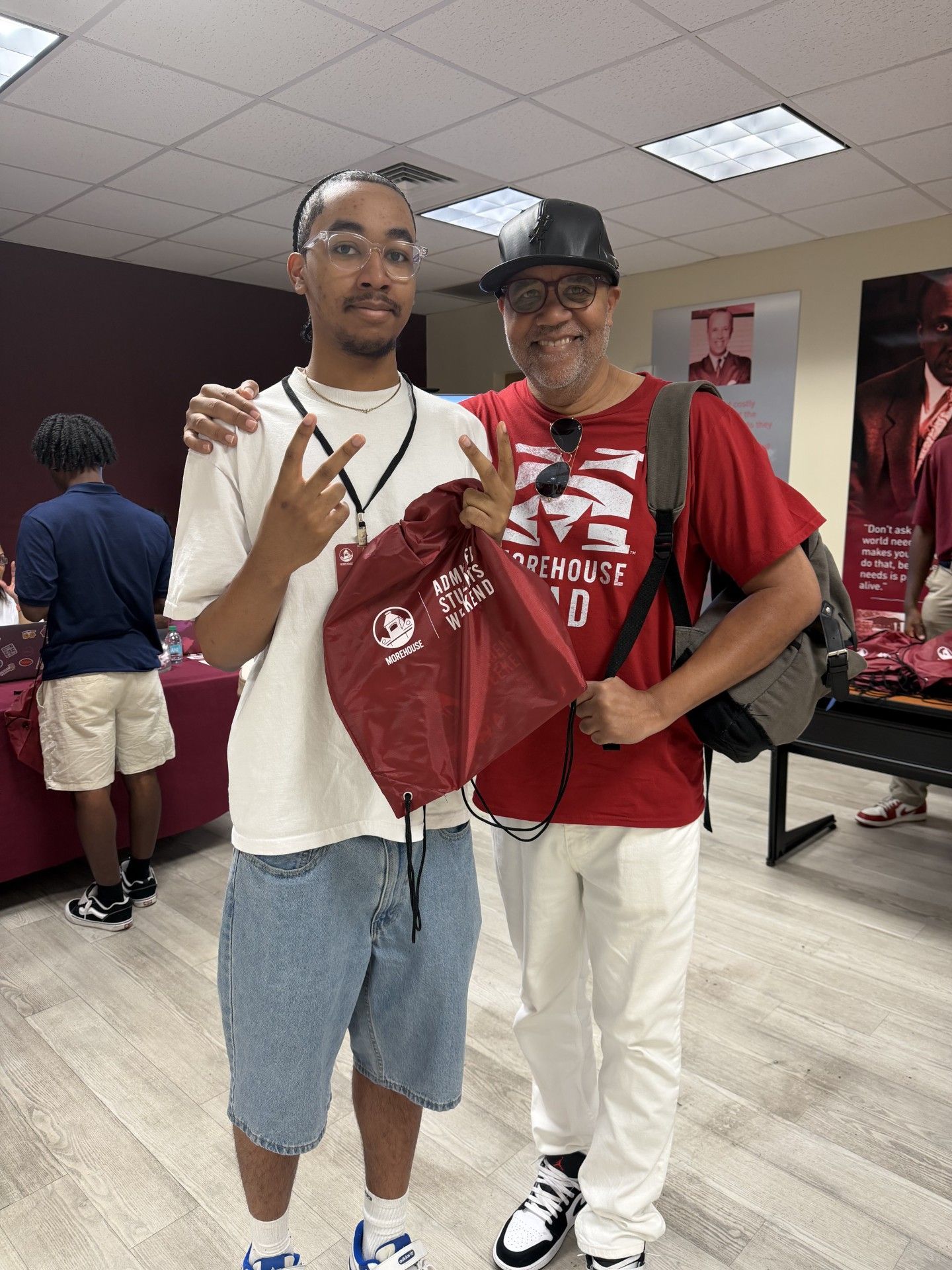
Stepping onto the campus of Morehouse College this past weekend for Admitted Students Day was more than a visit—it was a moment of reflection. As I watched young Black men walk with purpose across the yard, I found myself asking a simple but profound question: What would it have been like for me to study computer science here? My journey into computing was shaped in environments where I was often the only Black man in the room. That reality brings with it an unspoken weight—the need to prove you belong, the awareness of being watched, and sometimes, the quiet isolation that comes with underrepresentation. Standing at Morehouse, I realized that this burden is not a given. It is a condition of the environment. At Morehouse, the environment is different by design. Here, Black men are not anomalies—they are the standard. I imagined what it would feel like to learn algorithms, data structures, and software development in a space where my identity was not questioned but affirmed. Where excellence is expected, not in spite of who you are, but because of it. As a computer science professor, I understand the academic rigor required to succeed in this field. There is no shortcut through recursion, no bypass around debugging, no substitute for disciplined problem-solving. But what struck me during my visit is how much context matters. When students are free from the psychological burden of proving they belong, they can redirect that energy toward mastering the material. They can collaborate more openly, ask questions more freely, and take intellectual risks without fear. I also thought about legacy. At Morehouse, students walk the same grounds as Martin Luther King Jr.. That kind of history does something to a person. It raises the bar—not just academically, but personally. It invites students to see their education not just as a pathway to a career, but as preparation for impact. Leaving campus, I felt inspired—but also reflective. I cannot rewrite my journey, but I can appreciate what spaces like Morehouse offer the next generation. For a Black male pursuing computer science, it is more than a degree. It is an opportunity to develop skill, confidence, and identity in alignment. And that combination is powerful.