
They’ve Been Predicting the Death of Programmers for 60 Years. How’s That Going?
Dr. Kai Dupe • November 23, 2025
Every few years, someone announces that a new technology is finally going to eliminate the need for computer programmers.

Every few years, someone announces that a new technology is finally going to eliminate the need for computer programmers. I smile every time I hear it. After more than 30 years as a software developer and now as a professor of computer science, I’ve watched this prediction come and go like clockwork. Each new wave arrives with bold promises, confident headlines, and enthusiastic believers. And yet—here we are. Not only are programmers still here, but the demand for them has also grown.
I remember when COBOL and FORTRAN were supposed to allow business leaders to write their own software. Then came the fourth-generation languages in the 1970s and 80s, marketed as tools that would let end users build applications without any programming knowledge. In the 90s, CASE tools claimed that we could draw diagrams and have the system generate perfect code. Later, web design software like FrontPage and Dreamweaver promised that anyone could create a website with no developer required.
More recently, low-code and no-code platforms were supposed to empower “citizen developers” and make professional programmers obsolete. Today, AI has taken center stage as the latest technology hailed as the end of programming as we know it. I hear students and professionals alike anxiously asking whether AI will replace their future careers.
Every single time, the pattern repeats.
What actually happens is that the new technology lowers the barrier to entry and expands what’s possible. Businesses realize they can build more software, automate more processes, reach more customers, and integrate more systems. Complexity increases, expectations grow, and suddenly we need more programmers, not fewer. The work shifts, but it doesn’t disappear.
The misconception driving these predictions is the belief that programming is simply typing code. Anyone who has spent real time in this field knows better. Programming is problem solving. It’s abstraction and modeling. It’s understanding people and processes. It’s designing systems that will be secure, maintainable, ethical, and resilient. The code is just the vehicle.
AI can generate code, and that’s impressive. It can accelerate development and reduce rote work. But AI does not understand the problem domain. It does not negotiate requirements, collaborate with stakeholders, or anticipate the real-world consequences of technical decisions. Someone still has to think critically, architect solutions, and ensure that what we build serves people well.
As I tell my students: tools evolve, but the need for human creativity, judgment, and responsibility remains. AI won’t eliminate programmers. It will transform what programming looks like—and in many ways, make it even more important.
The future belongs to those who can think computationally, ethically, and imaginatively. That’s not going away anytime soon.
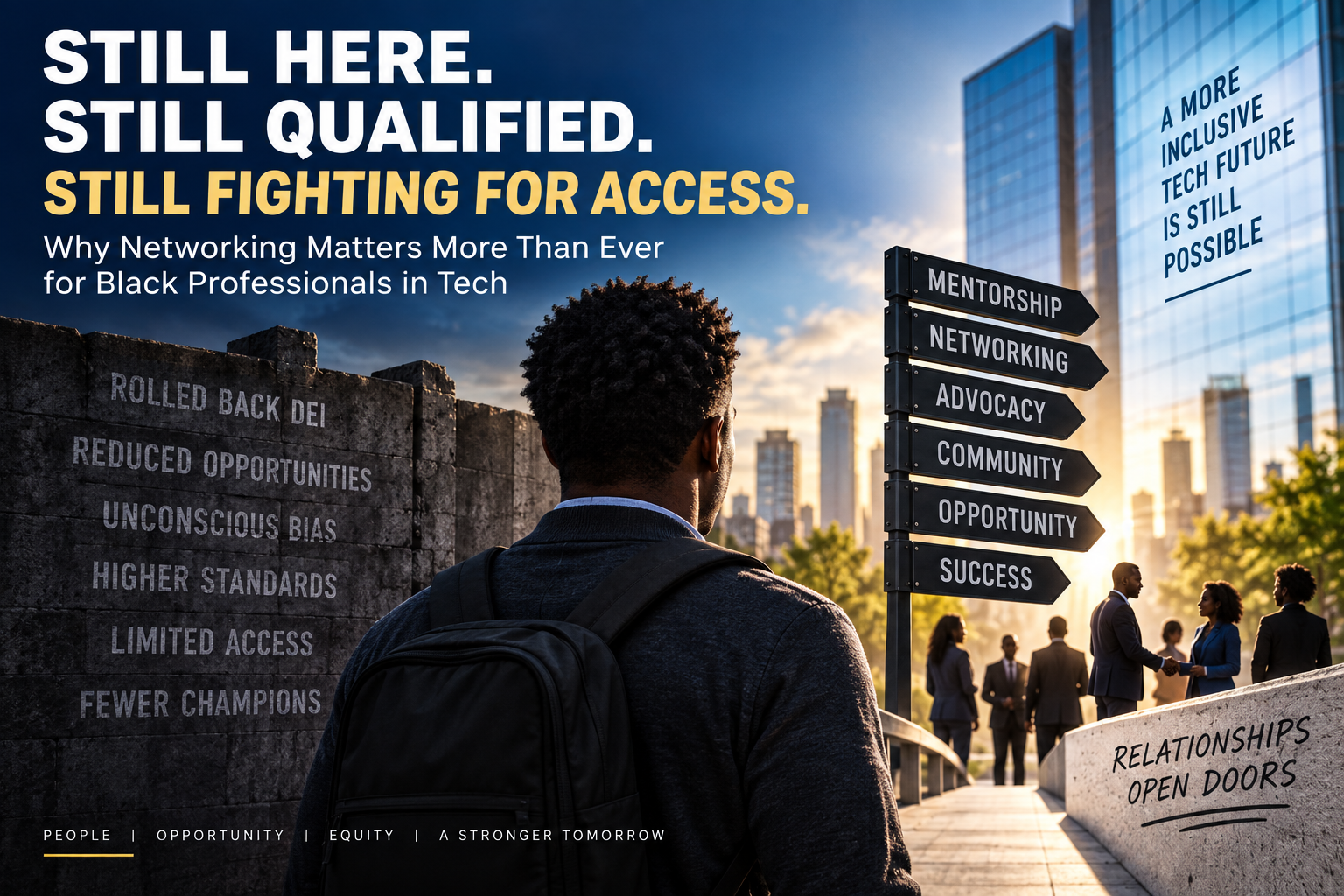
A mentor gives you advice. A sponsor creates opportunities.
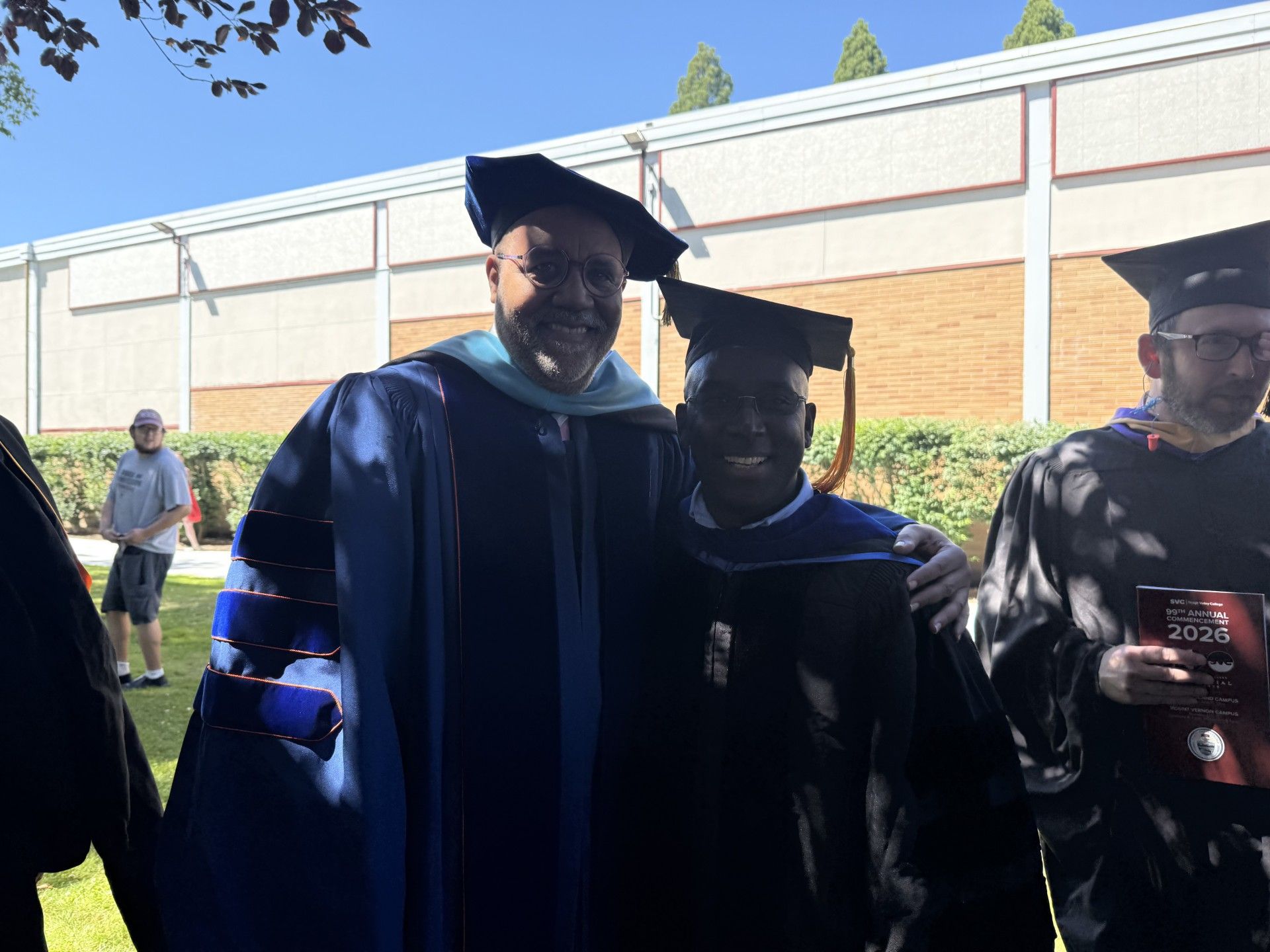
Representation alone will not solve the persistent racial disparities in computing.
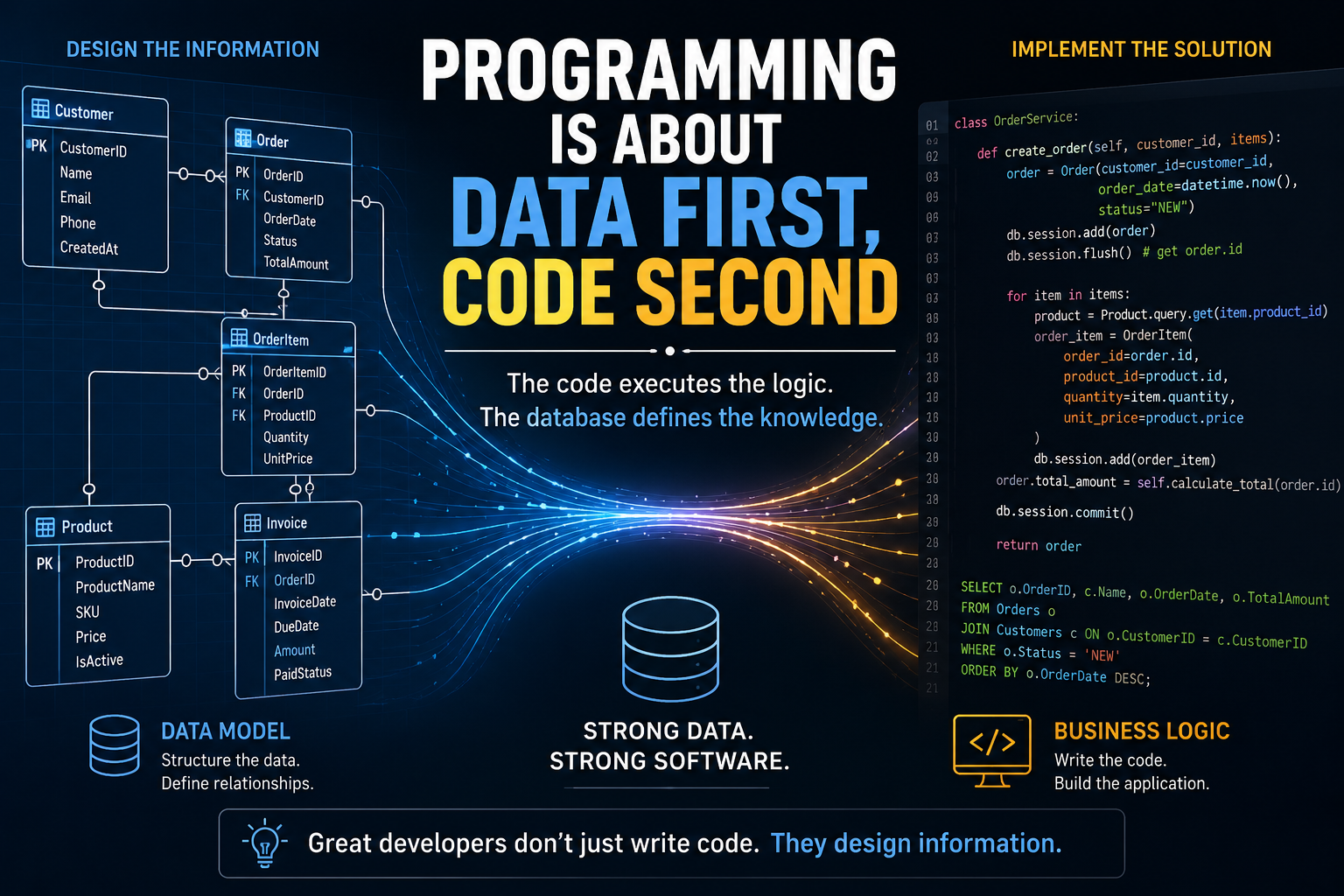
The truth is that most software applications exist to manage information.
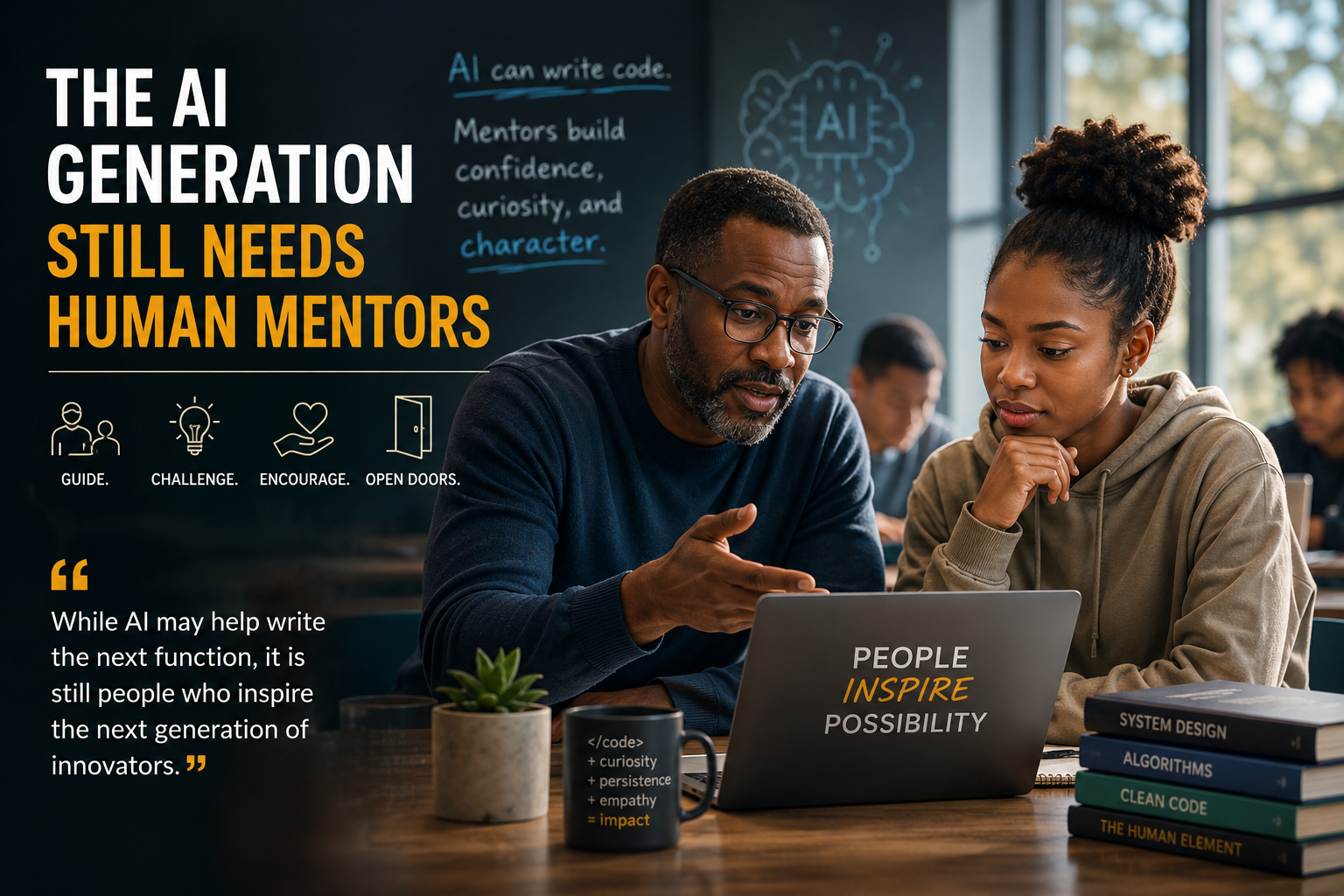
Artificial intelligence has become the newest member of nearly every software development team.
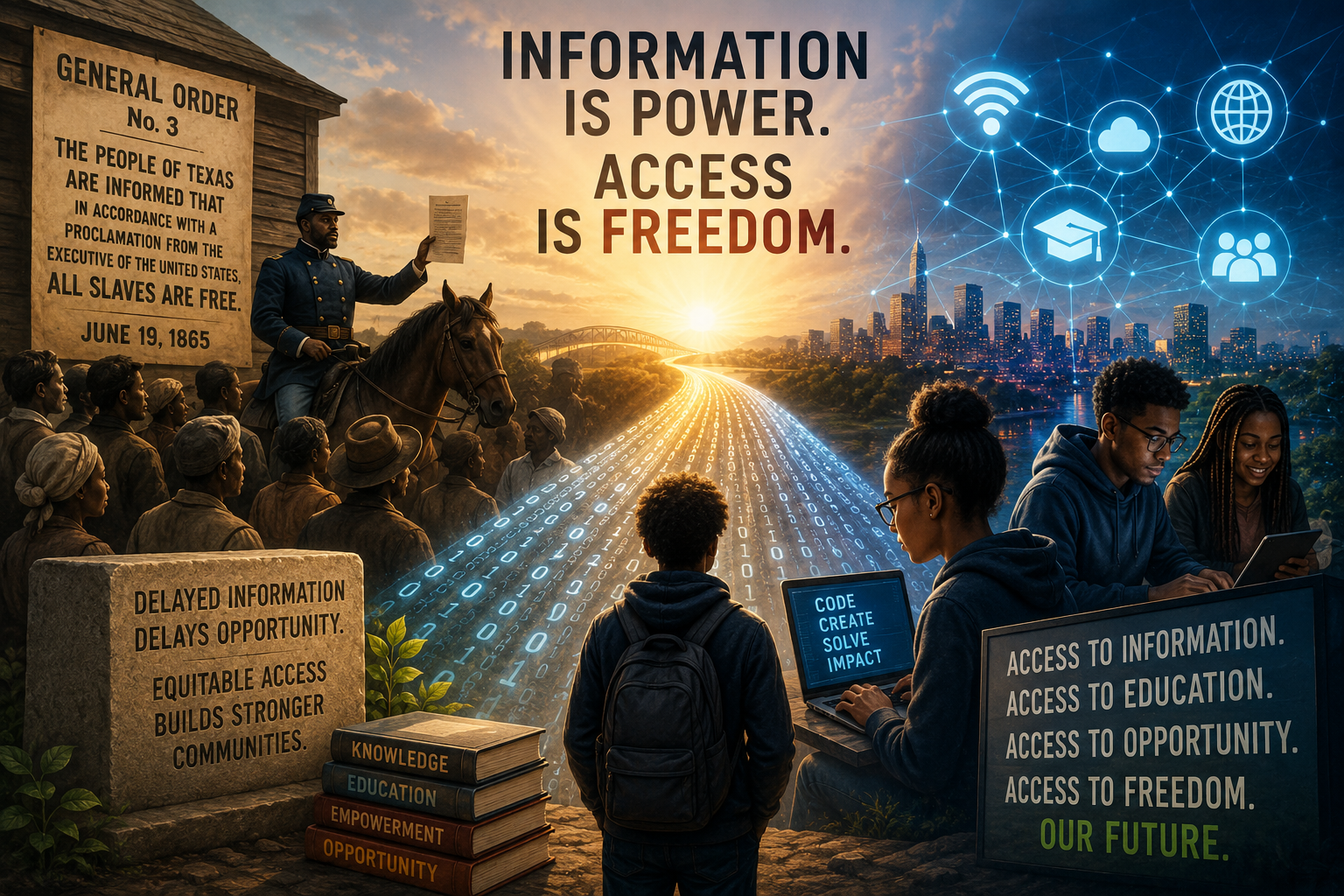
The true promise of computing is not found in the machines we build, but in the human potential we unlock when knowledge becomes accessible to everyone.

One of the reasons I value the MCT program so highly is that it represents more than technical knowledge.
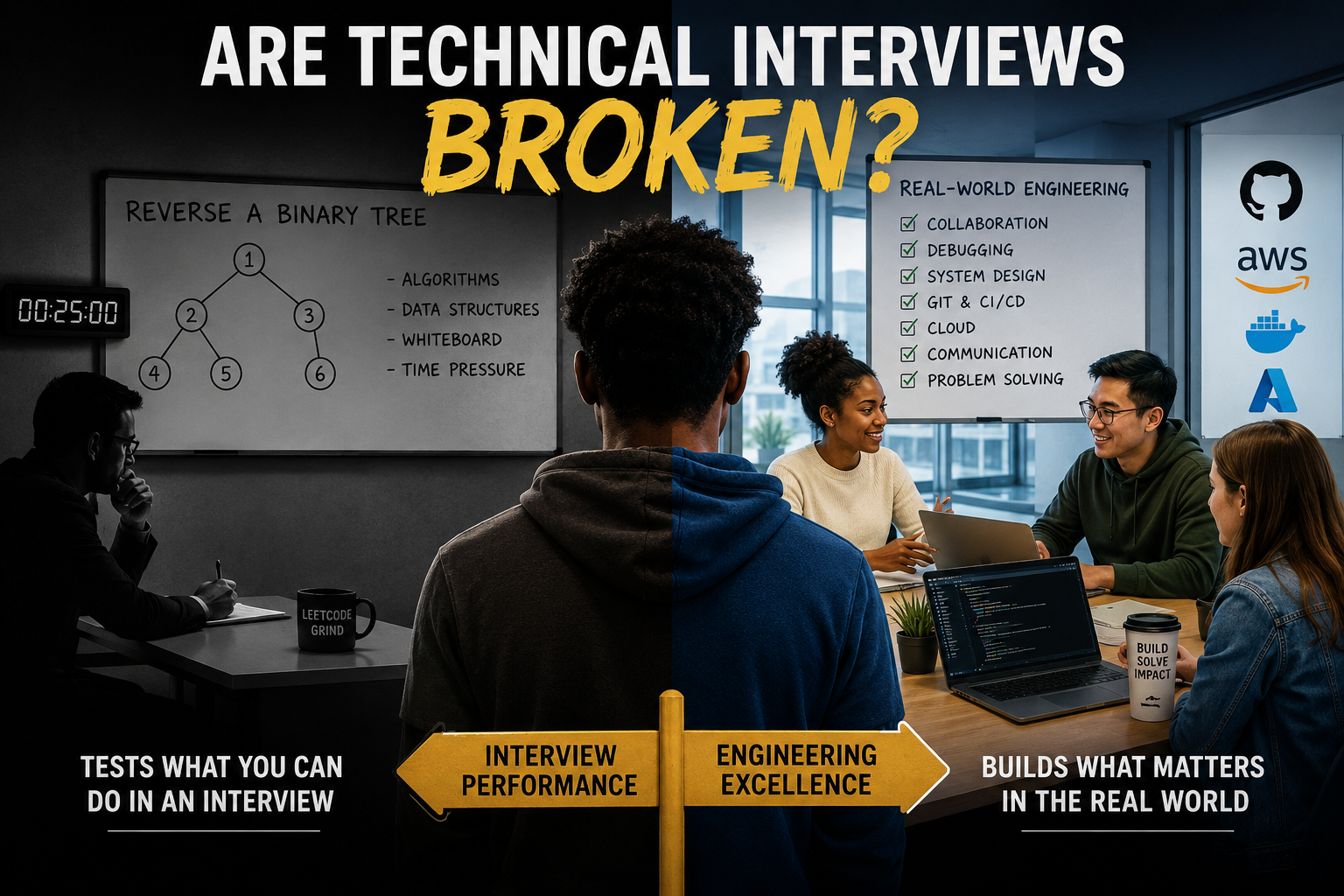
Software engineering is not simply coding.
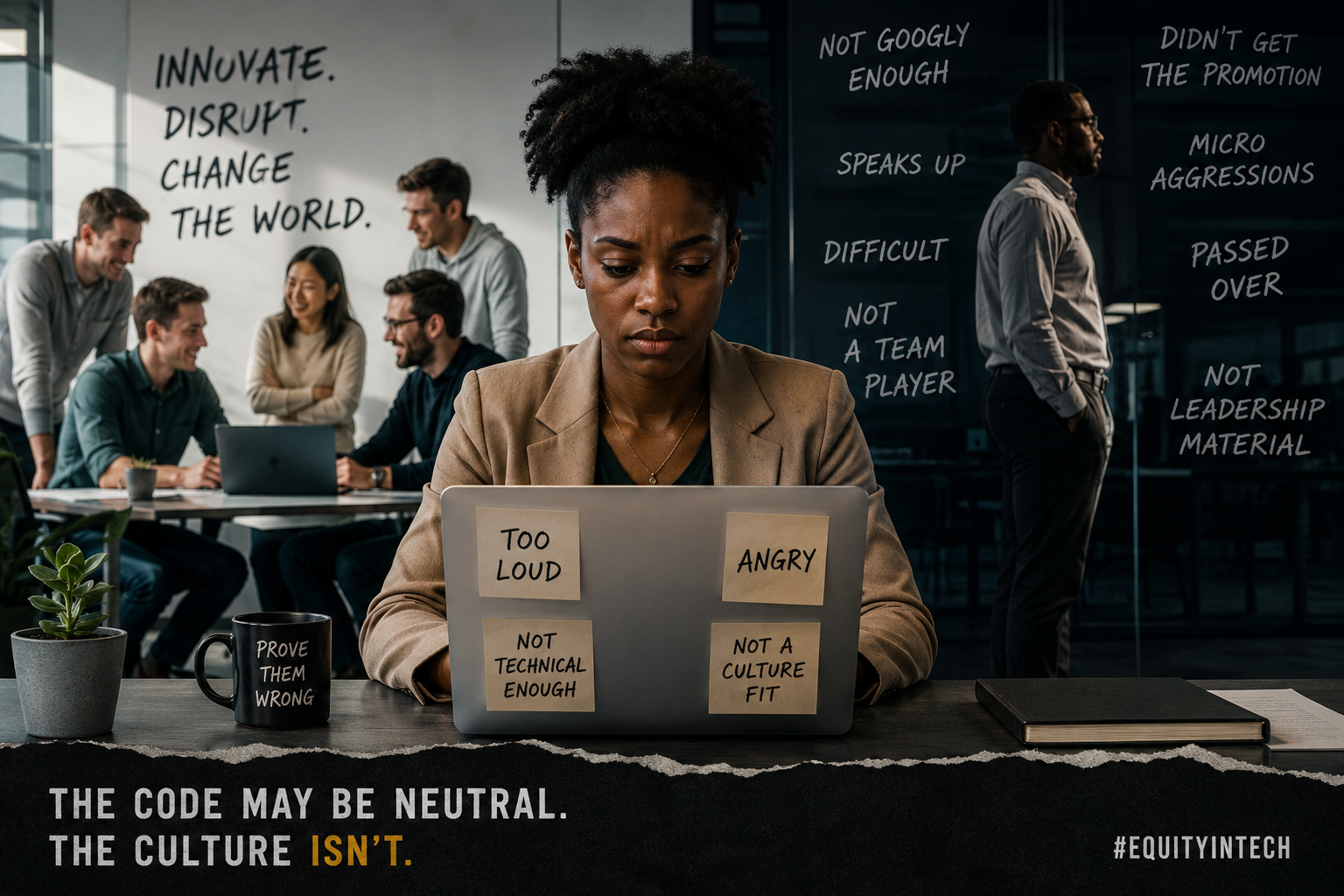
Companies often promote the idea that technical skill alone determines success.
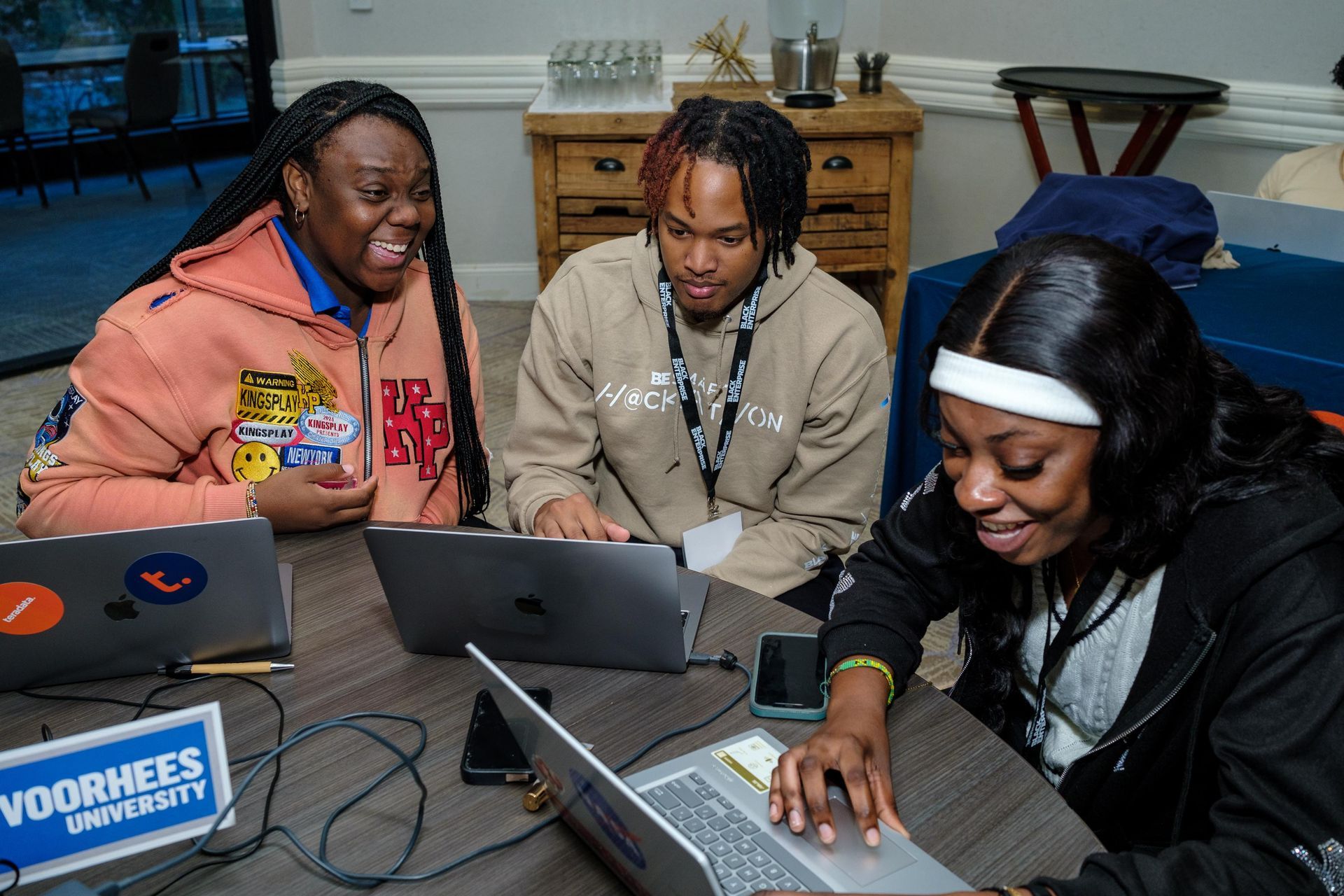
Hackathons also strengthen teamwork and communication skills.
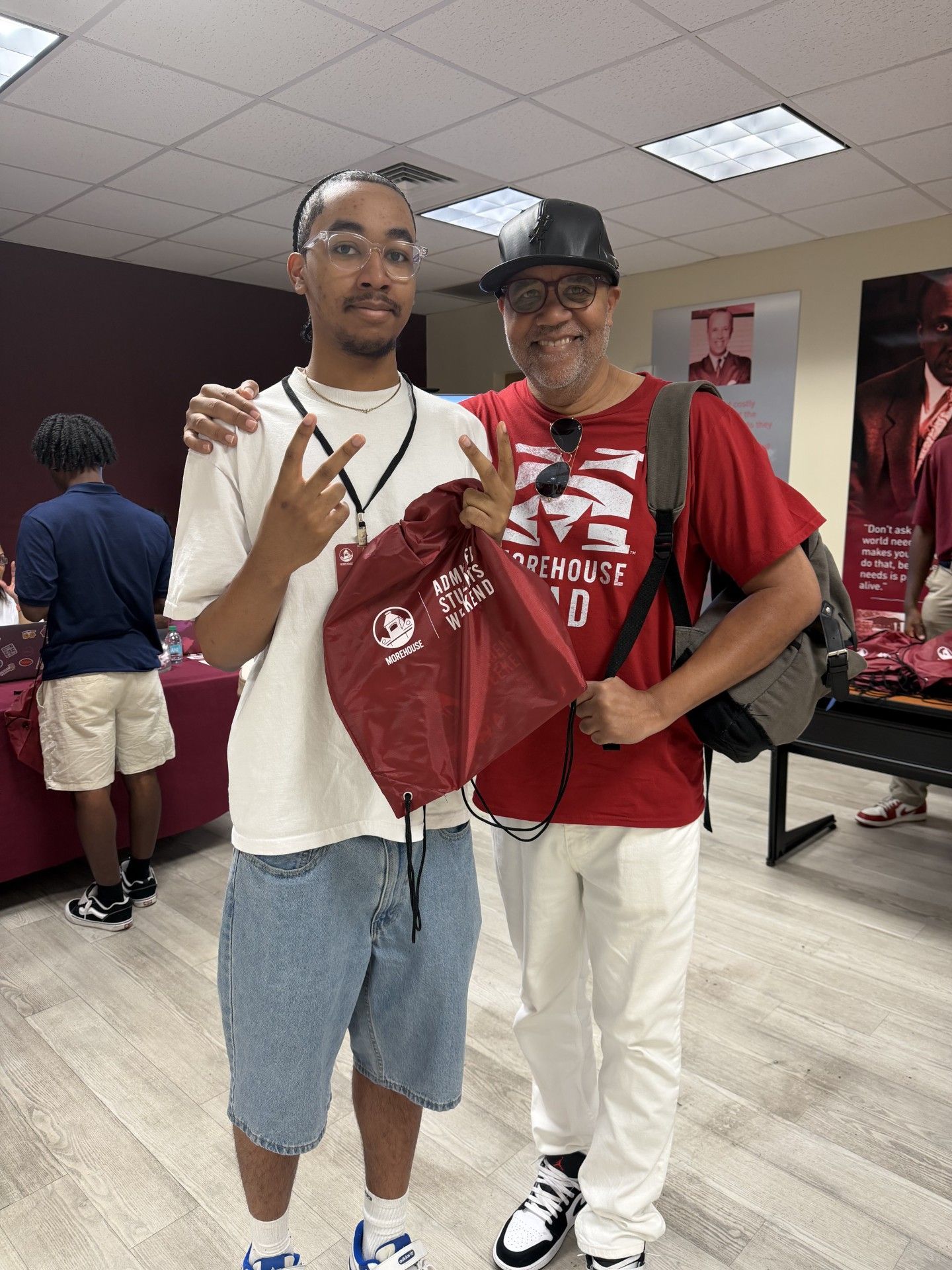
Stepping onto the campus of Morehouse College this past weekend for Admitted Students Day was more than a visit—it was a moment of reflection. As I watched young Black men walk with purpose across the yard, I found myself asking a simple but profound question: What would it have been like for me to study computer science here? My journey into computing was shaped in environments where I was often the only Black man in the room. That reality brings with it an unspoken weight—the need to prove you belong, the awareness of being watched, and sometimes, the quiet isolation that comes with underrepresentation. Standing at Morehouse, I realized that this burden is not a given. It is a condition of the environment. At Morehouse, the environment is different by design. Here, Black men are not anomalies—they are the standard. I imagined what it would feel like to learn algorithms, data structures, and software development in a space where my identity was not questioned but affirmed. Where excellence is expected, not in spite of who you are, but because of it. As a computer science professor, I understand the academic rigor required to succeed in this field. There is no shortcut through recursion, no bypass around debugging, no substitute for disciplined problem-solving. But what struck me during my visit is how much context matters. When students are free from the psychological burden of proving they belong, they can redirect that energy toward mastering the material. They can collaborate more openly, ask questions more freely, and take intellectual risks without fear. I also thought about legacy. At Morehouse, students walk the same grounds as Martin Luther King Jr.. That kind of history does something to a person. It raises the bar—not just academically, but personally. It invites students to see their education not just as a pathway to a career, but as preparation for impact. Leaving campus, I felt inspired—but also reflective. I cannot rewrite my journey, but I can appreciate what spaces like Morehouse offer the next generation. For a Black male pursuing computer science, it is more than a degree. It is an opportunity to develop skill, confidence, and identity in alignment. And that combination is powerful.