
When Support Feels Performative: A Laid-Off Employee’s View of LinkedIn Solidarity
Dr. Kai Dupe • May 17, 2025
The disconnect stems from the fact that a large portion of these messages come from people who are still employed.
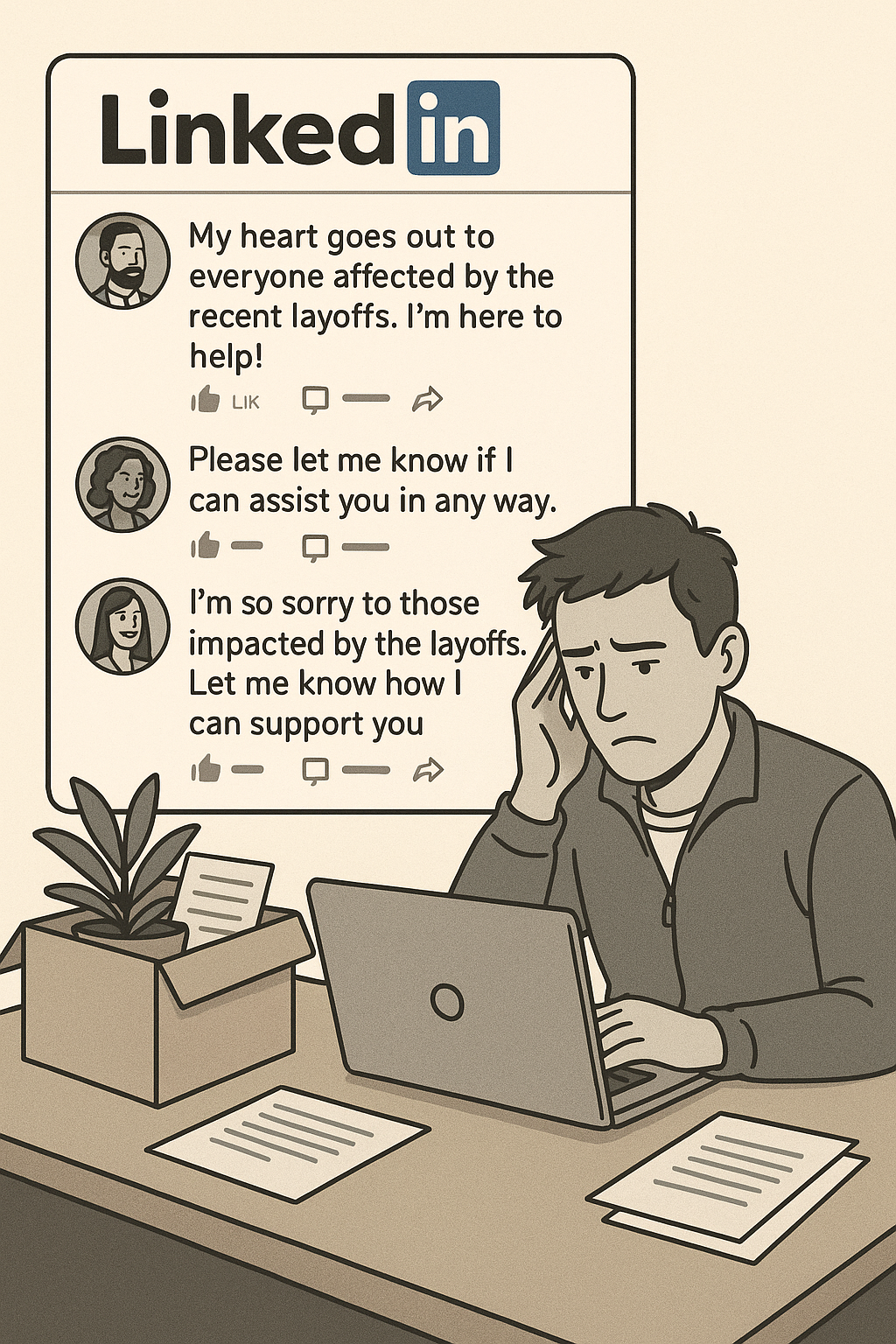
In the wake of Microsoft’s recent layoffs—where nearly 6,000 employees lost their jobs—LinkedIn has been flooded with posts expressing sympathy, solidarity, and support. On the surface, this seems like a heartening show of empathy from the tech community. But for many of those who were actually laid off, these posts aren’t comforting—they’re frustrating.
The disconnect stems from the fact that a large portion of these messages come from people who are still employed. Often, the tone of these posts centers the poster’s own emotional experience—“I survived the layoffs, but it’s been tough,” or “I’m so grateful to still be here.” While those feelings may be genuine, they can feel tone-deaf to someone who’s facing the loss of income, health insurance, and career stability.
There’s also a rising concern about virtue signaling. Posts filled with heartfelt language but void of any actionable support—like job leads, referrals, or offers to review resumes—can feel more like personal brand-building than meaningful solidarity. Some laid-off employees report reaching out to posters offering “help,” only to be met with silence. The disappointment runs deep when gestures of support turn out to be more about optics than assistance.
Even well-meaning encouragement, such as “This is a time of growth and opportunity,” can land poorly when the reality for many includes rent payments, visa concerns, and limited safety nets. Toxic positivity doesn’t erase the fear and uncertainty that come with a layoff.
So what does real support look like? It’s quiet. It’s direct. It’s tangible. Reposting a former colleague’s “open to work” post. Making an introduction to a hiring manager. Offering to be a reference. Or simply reaching out privately to ask, “How can I help?”
For those eager to show solidarity, the advice is simple: shift the spotlight away from yourself. Center the person who’s impacted. And if you post publicly, follow through privately.
In times like these, empathy matters—but action speaks louder than words. Especially on LinkedIn.
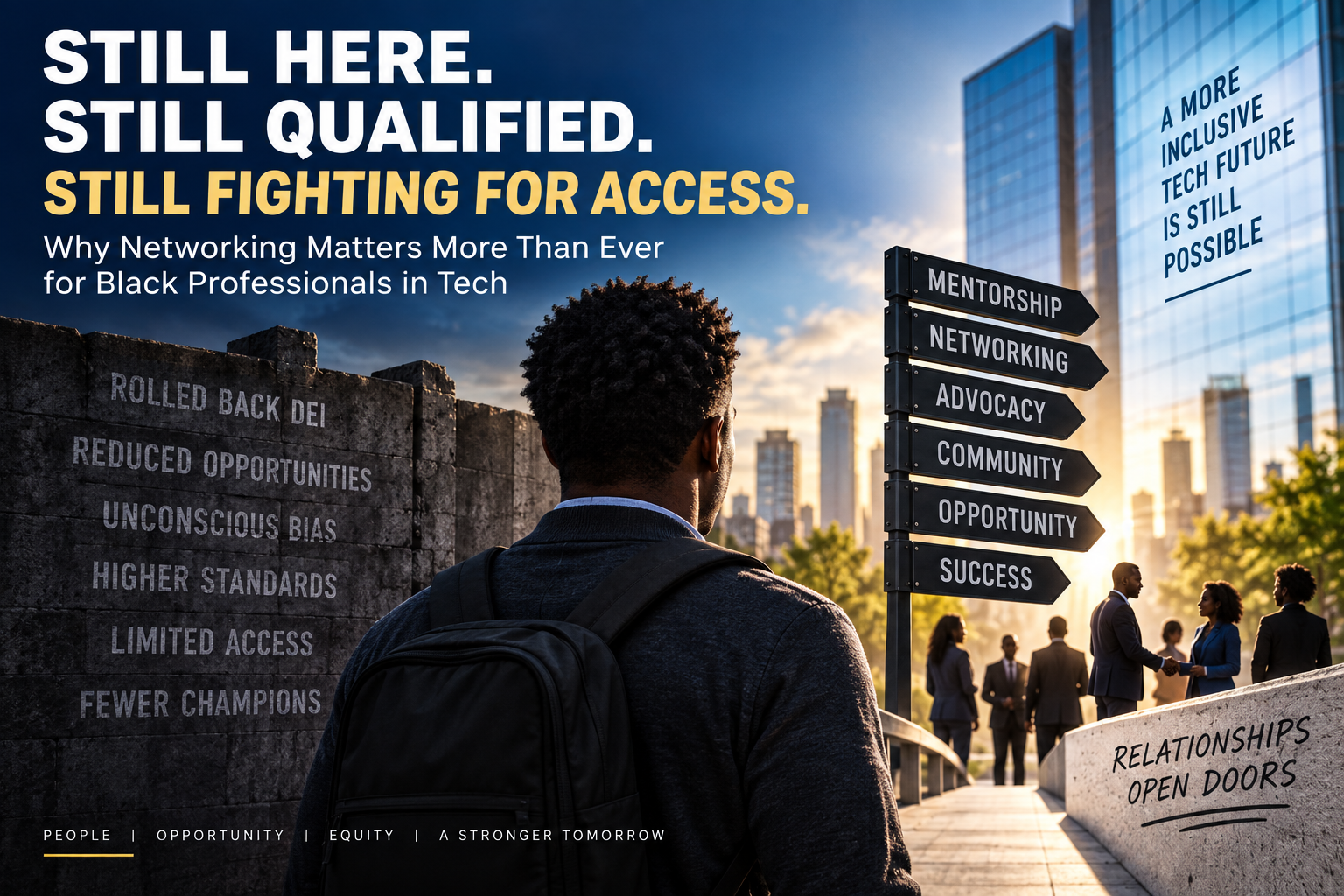
A mentor gives you advice. A sponsor creates opportunities.
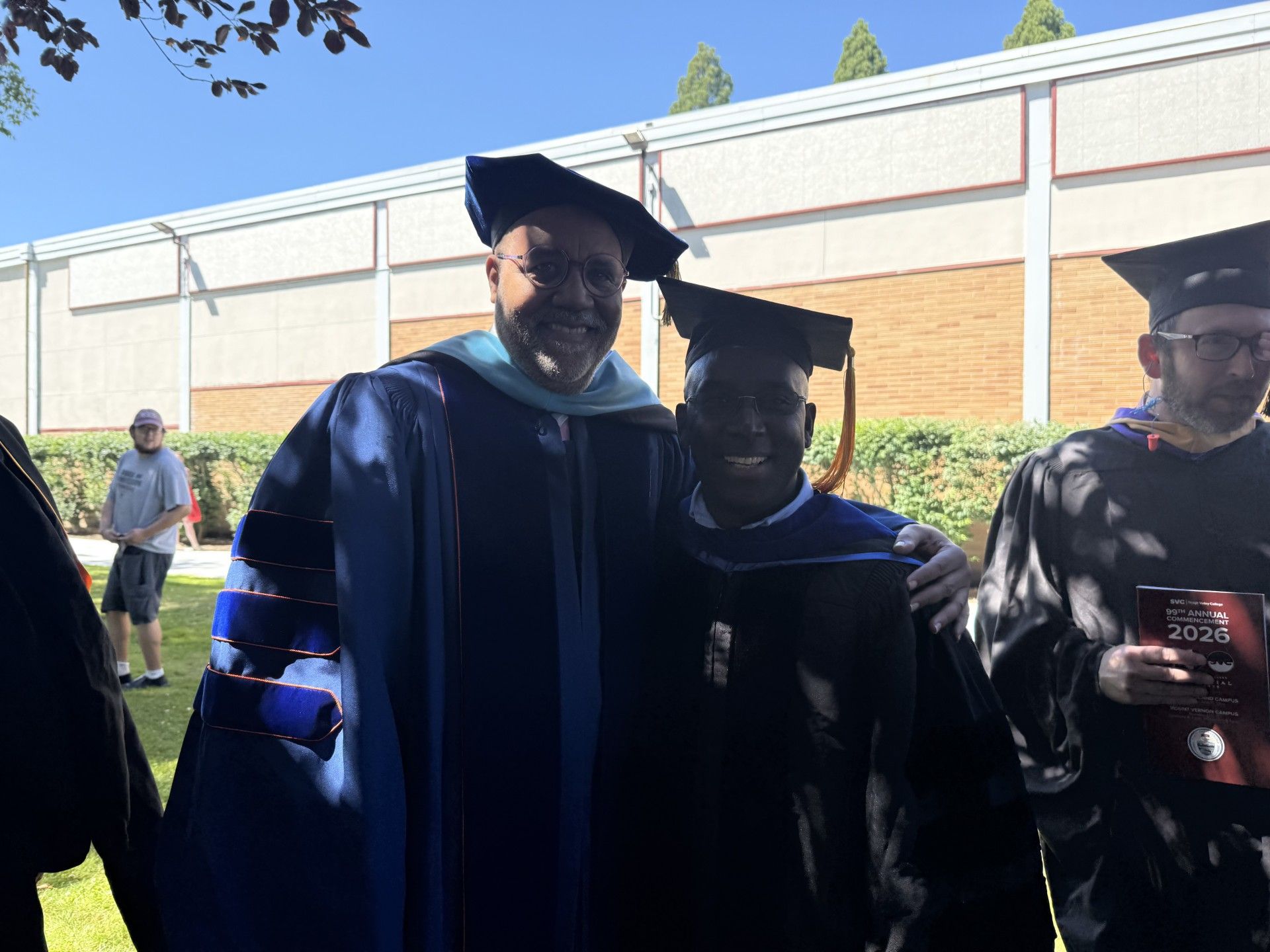
Representation alone will not solve the persistent racial disparities in computing.
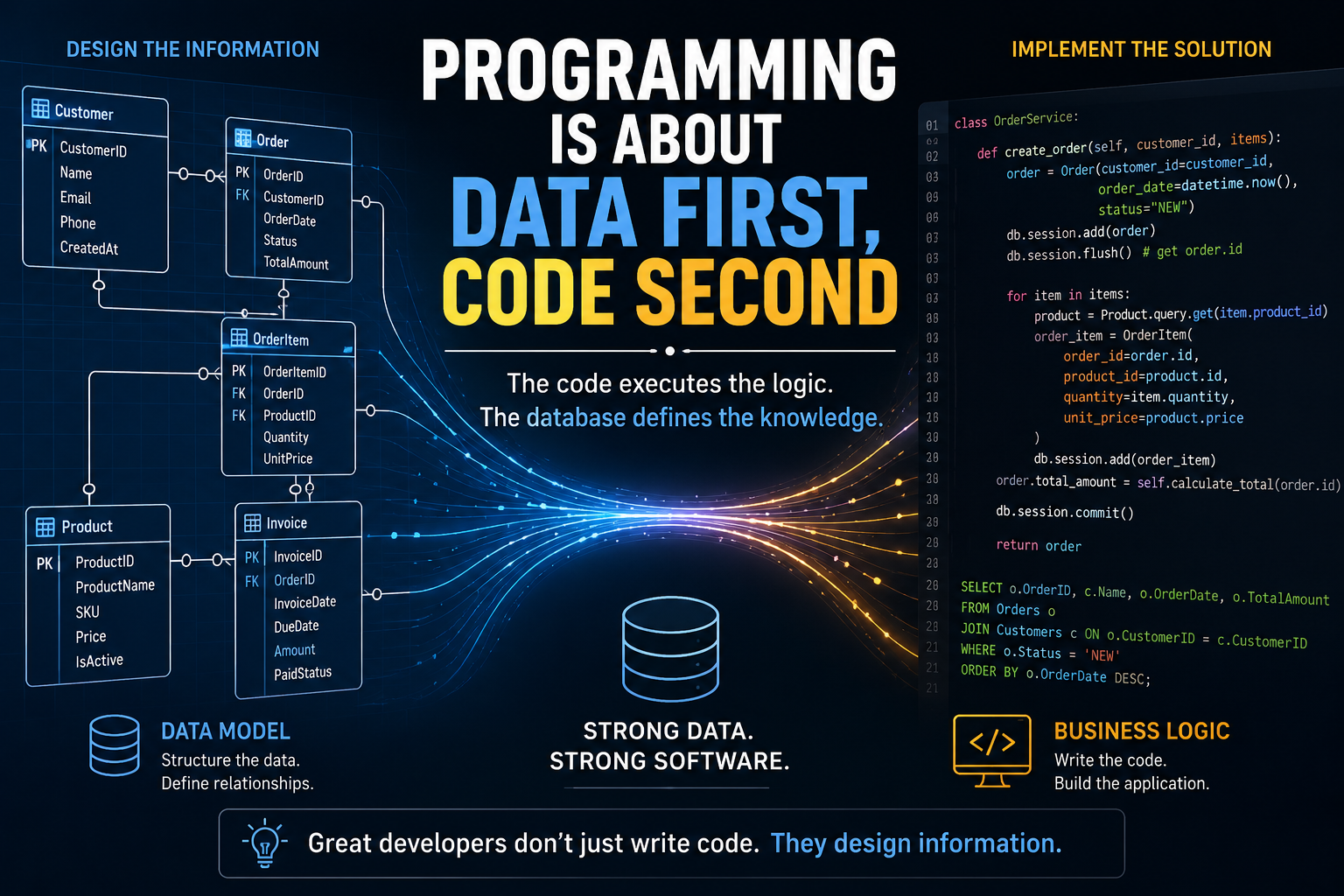
The truth is that most software applications exist to manage information.
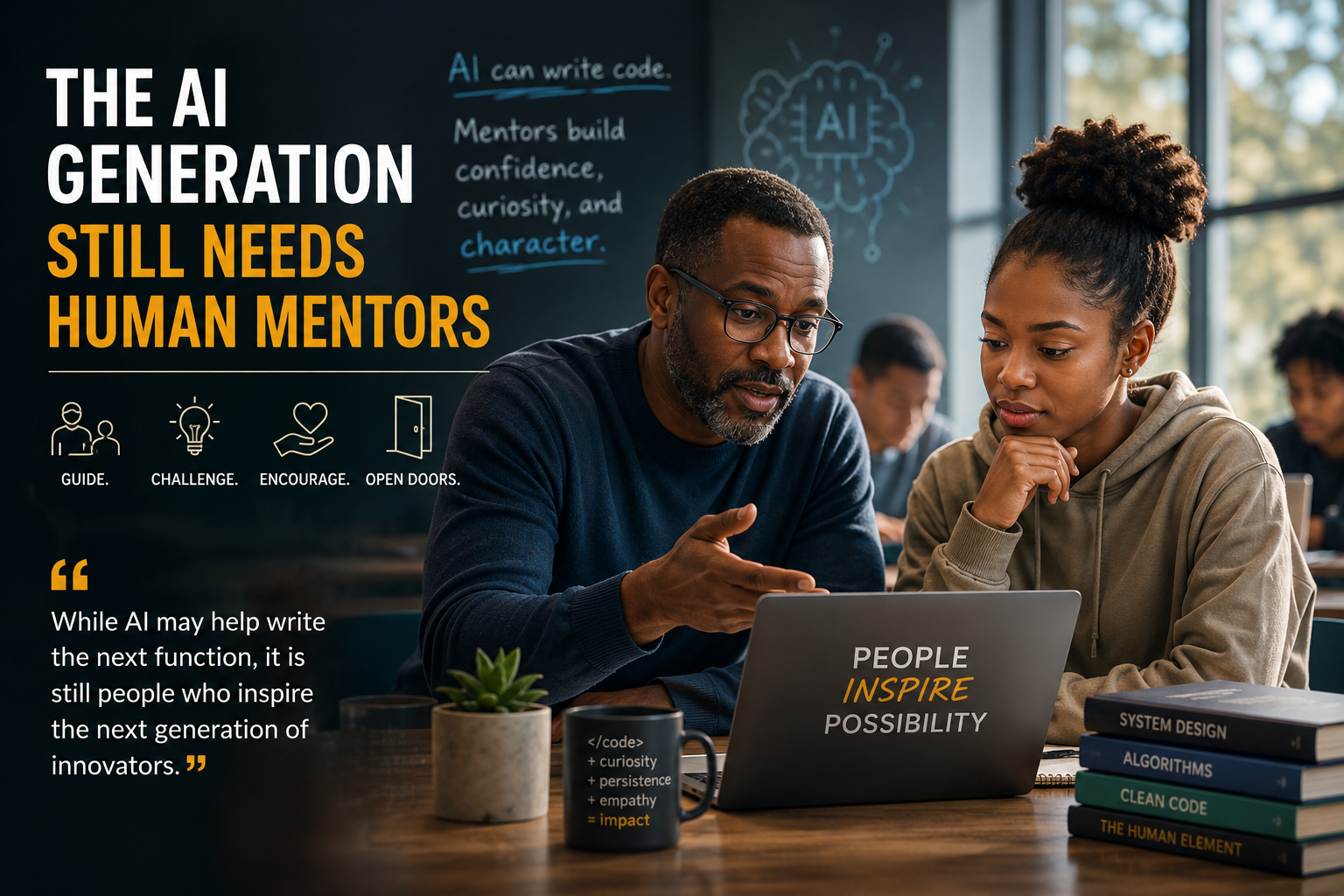
Artificial intelligence has become the newest member of nearly every software development team.

The true promise of computing is not found in the machines we build, but in the human potential we unlock when knowledge becomes accessible to everyone.

One of the reasons I value the MCT program so highly is that it represents more than technical knowledge.
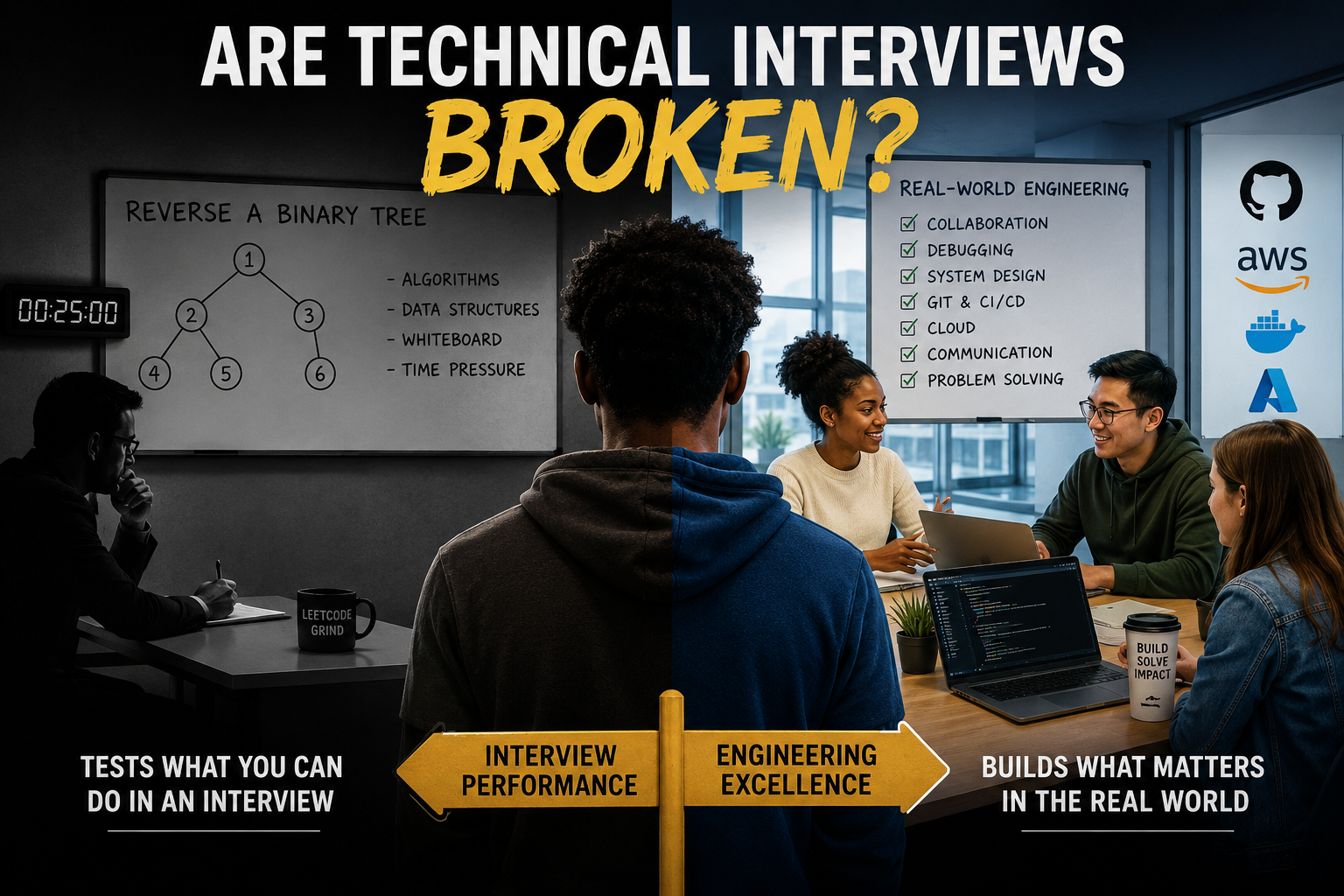
Software engineering is not simply coding.
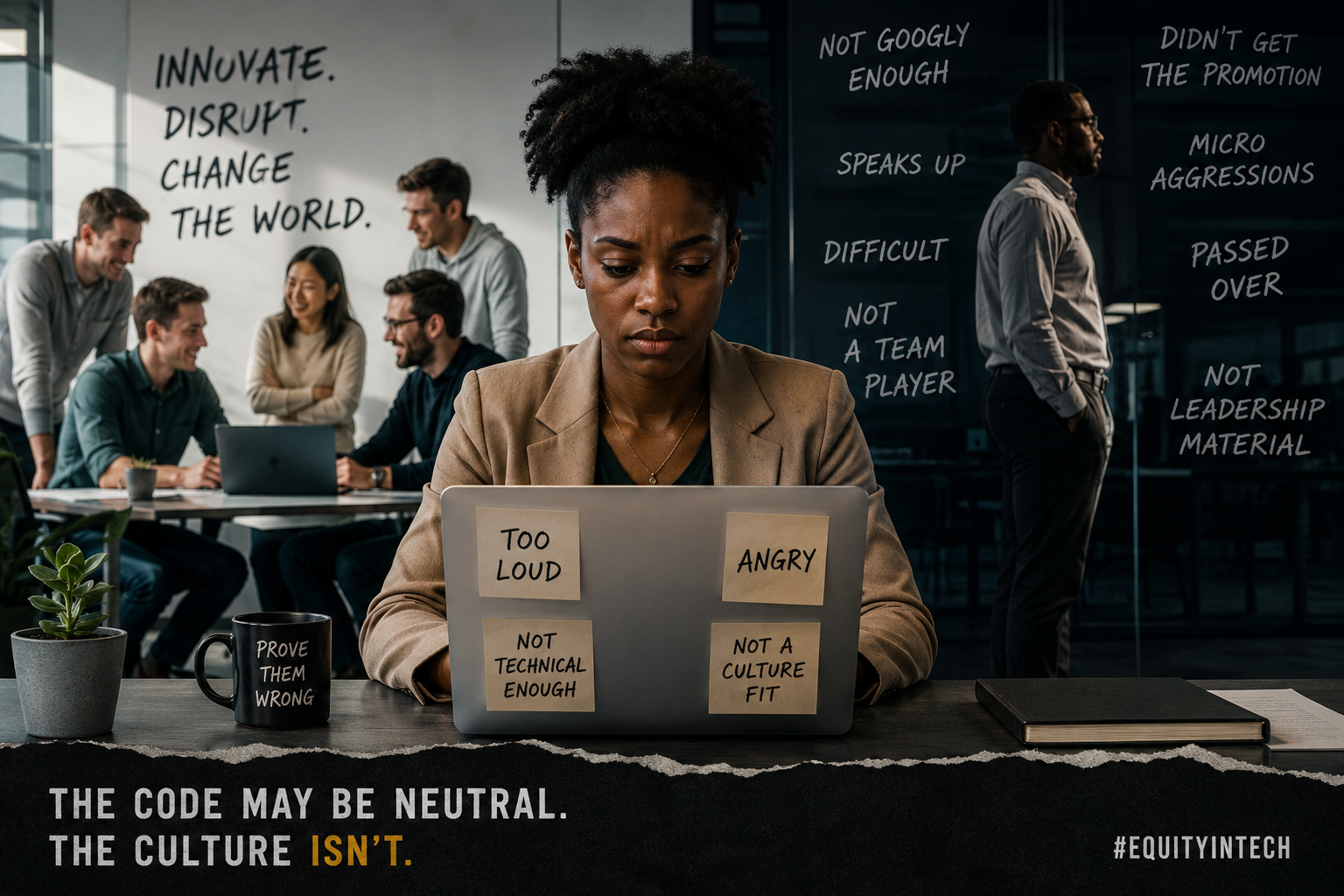
Companies often promote the idea that technical skill alone determines success.
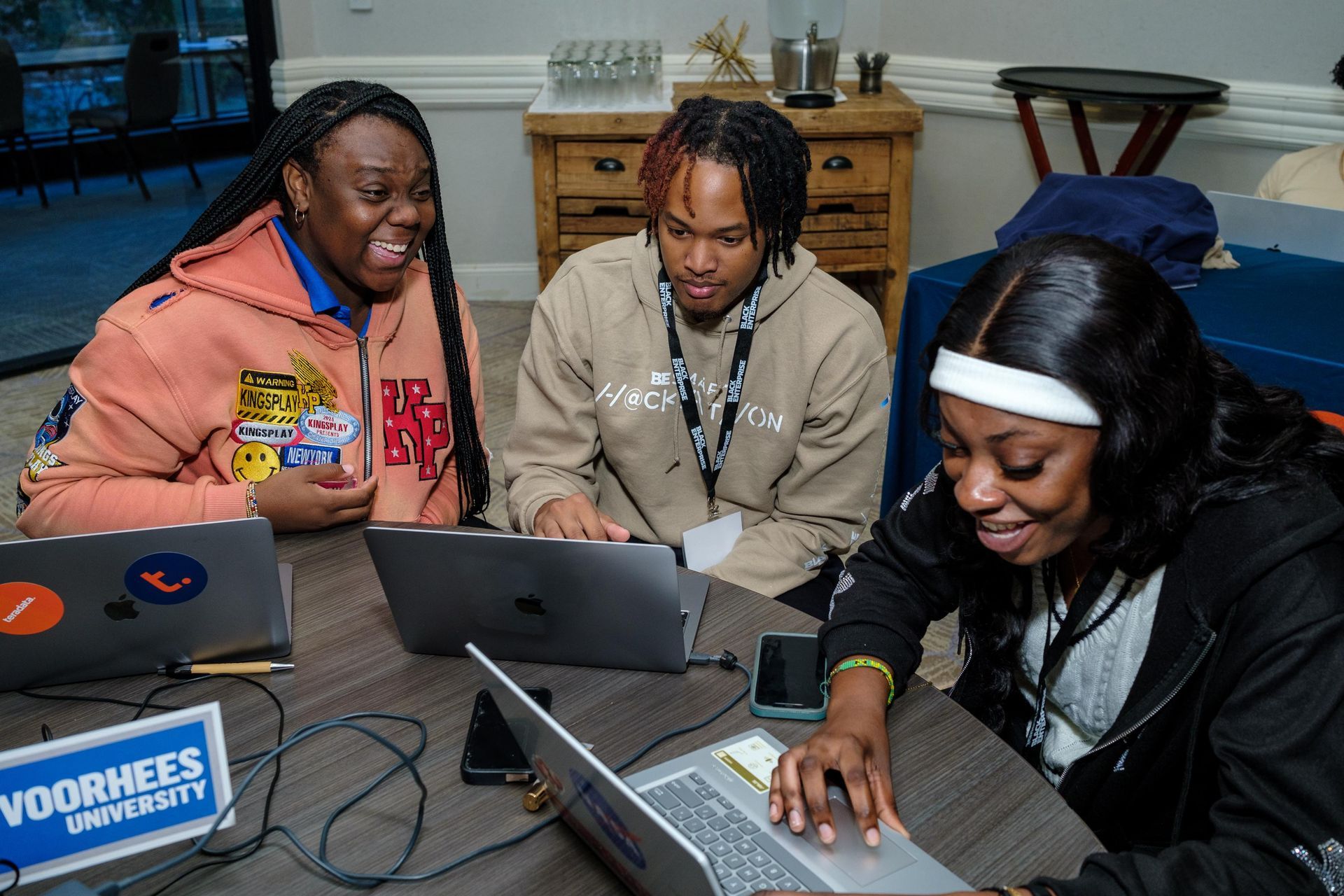
Hackathons also strengthen teamwork and communication skills.
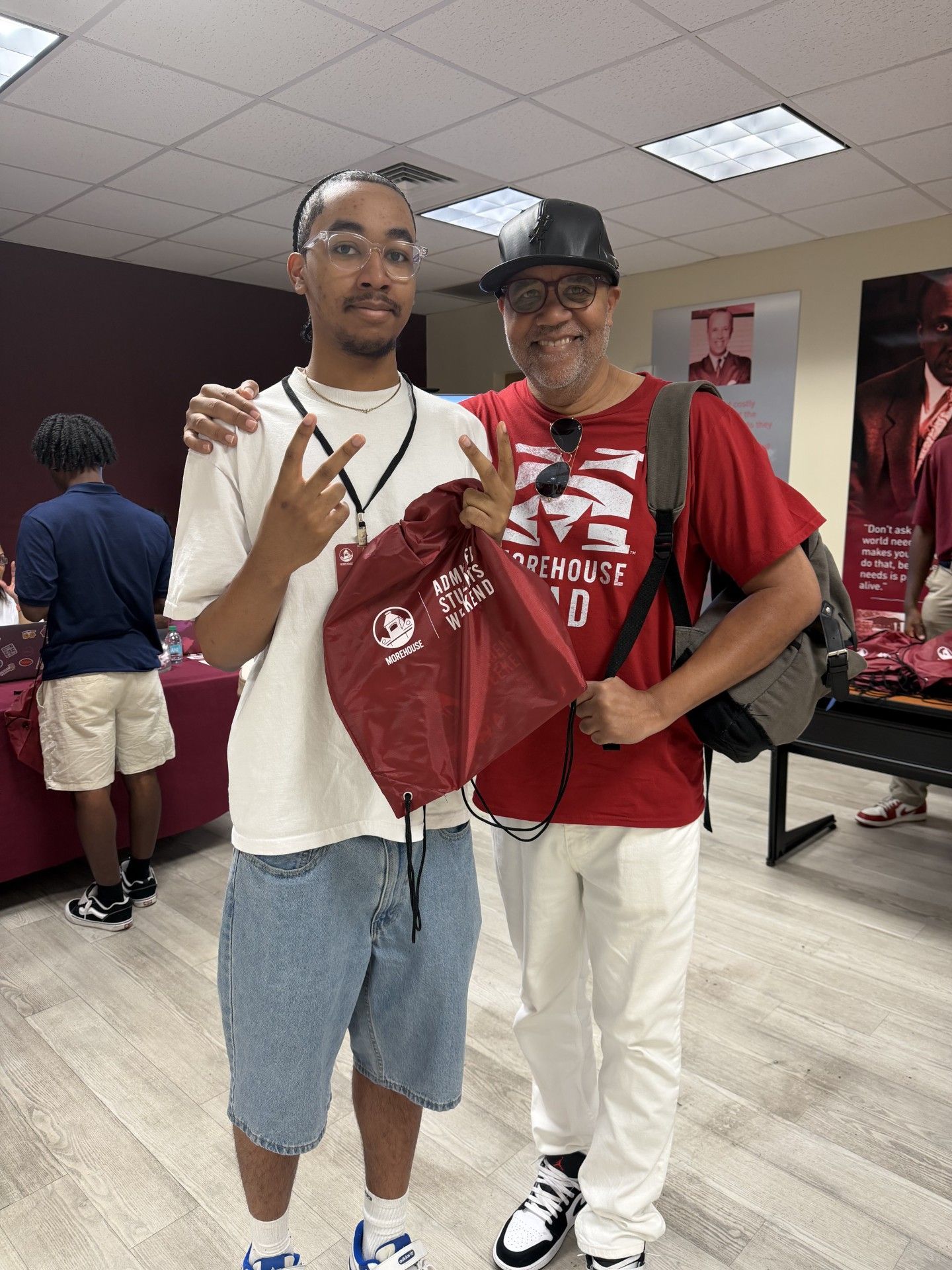
Stepping onto the campus of Morehouse College this past weekend for Admitted Students Day was more than a visit—it was a moment of reflection. As I watched young Black men walk with purpose across the yard, I found myself asking a simple but profound question: What would it have been like for me to study computer science here? My journey into computing was shaped in environments where I was often the only Black man in the room. That reality brings with it an unspoken weight—the need to prove you belong, the awareness of being watched, and sometimes, the quiet isolation that comes with underrepresentation. Standing at Morehouse, I realized that this burden is not a given. It is a condition of the environment. At Morehouse, the environment is different by design. Here, Black men are not anomalies—they are the standard. I imagined what it would feel like to learn algorithms, data structures, and software development in a space where my identity was not questioned but affirmed. Where excellence is expected, not in spite of who you are, but because of it. As a computer science professor, I understand the academic rigor required to succeed in this field. There is no shortcut through recursion, no bypass around debugging, no substitute for disciplined problem-solving. But what struck me during my visit is how much context matters. When students are free from the psychological burden of proving they belong, they can redirect that energy toward mastering the material. They can collaborate more openly, ask questions more freely, and take intellectual risks without fear. I also thought about legacy. At Morehouse, students walk the same grounds as Martin Luther King Jr.. That kind of history does something to a person. It raises the bar—not just academically, but personally. It invites students to see their education not just as a pathway to a career, but as preparation for impact. Leaving campus, I felt inspired—but also reflective. I cannot rewrite my journey, but I can appreciate what spaces like Morehouse offer the next generation. For a Black male pursuing computer science, it is more than a degree. It is an opportunity to develop skill, confidence, and identity in alignment. And that combination is powerful.