African American Pioneers in Computer Science

Dr. Kai Dupe • February 6, 2024

African American Contributions to Computing
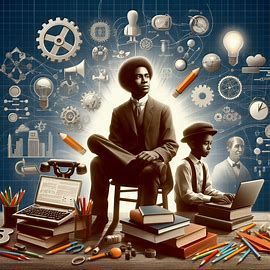
In the landscape of technological innovation, the contributions of African Americans often remain overlooked or underappreciated. Yet, their impact on the field of computer science has been profound, shaping the very fabric of our digital world. Today, we shed light on some of these remarkable pioneers whose achievements have paved the way for future generations.


One such trailblazer is Mark Dean, a computer scientist whose inventions have revolutionized the way we interact with technology. In the 1980s, Dean played a pivotal role in the development of the IBM personal computer, earning several patents for his contributions to the architecture of modern computing. His work laid the groundwork for advancements in hardware design, making computers more accessible and efficient for users around the world.


Another luminary is Annie Easley, whose career at NASA spanned over three decades. As a computer scientist and mathematician, Easley made significant contributions to the development of software for space missions, including the Centaur rocket program. Her pioneering work in computer programming helped propel the United States into the forefront of space exploration, inspiring future generations of scientists and engineers.


In addition to these trailblazers, Katherine Johnson stands as a testament to the resilience and brilliance of African American women in STEM fields. Johnson's mathematical prowess played a crucial role in the success of NASA's early space missions, including the historic Apollo 11 moon landing. Her calculations were instrumental in ensuring the safety and accuracy of spacecraft trajectories, earning her the admiration of colleagues and the admiration of millions around the world.


The contributions of these pioneers extend far beyond their individual achievements, serving as beacons of inspiration for future generations of innovators. Through their groundbreaking work, they have shattered barriers and opened doors for underrepresented communities in the field of computer science.


Furthermore, their legacy continues to shape the technological landscape of today, as their innovations form the building blocks of modern computing. From hardware design to software development, the contributions of African American pioneers are woven into the fabric of our digital world, enriching our lives and pushing the boundaries of what is possible.


As we celebrate Black History Month and reflect on the achievements of African American pioneers, let us not forget the unsung heroes of computer science whose ingenuity and perseverance have forever changed the course of history. Their stories serve as a reminder of the importance of diversity and inclusion in the pursuit of innovation, inspiring us to strive for a future where all voices are heard and celebrated.
By Dr. Kai Dupe September 18, 2026
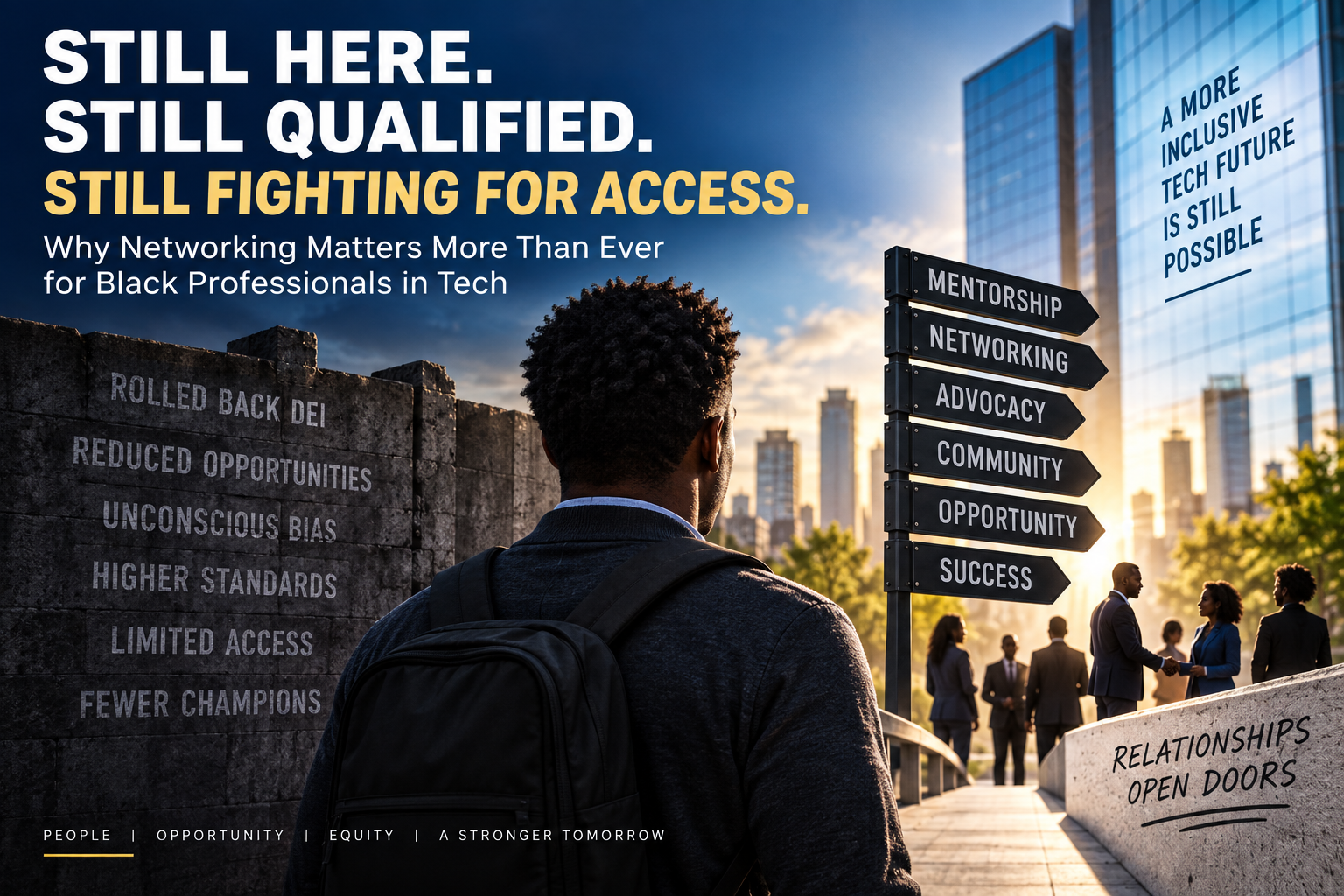
A mentor gives you advice. A sponsor creates opportunities.
By Dr. Kai Dupe August 20, 2026
Representation alone will not solve the persistent racial disparities in computing.
By Dr. Kai Dupe July 28, 2026
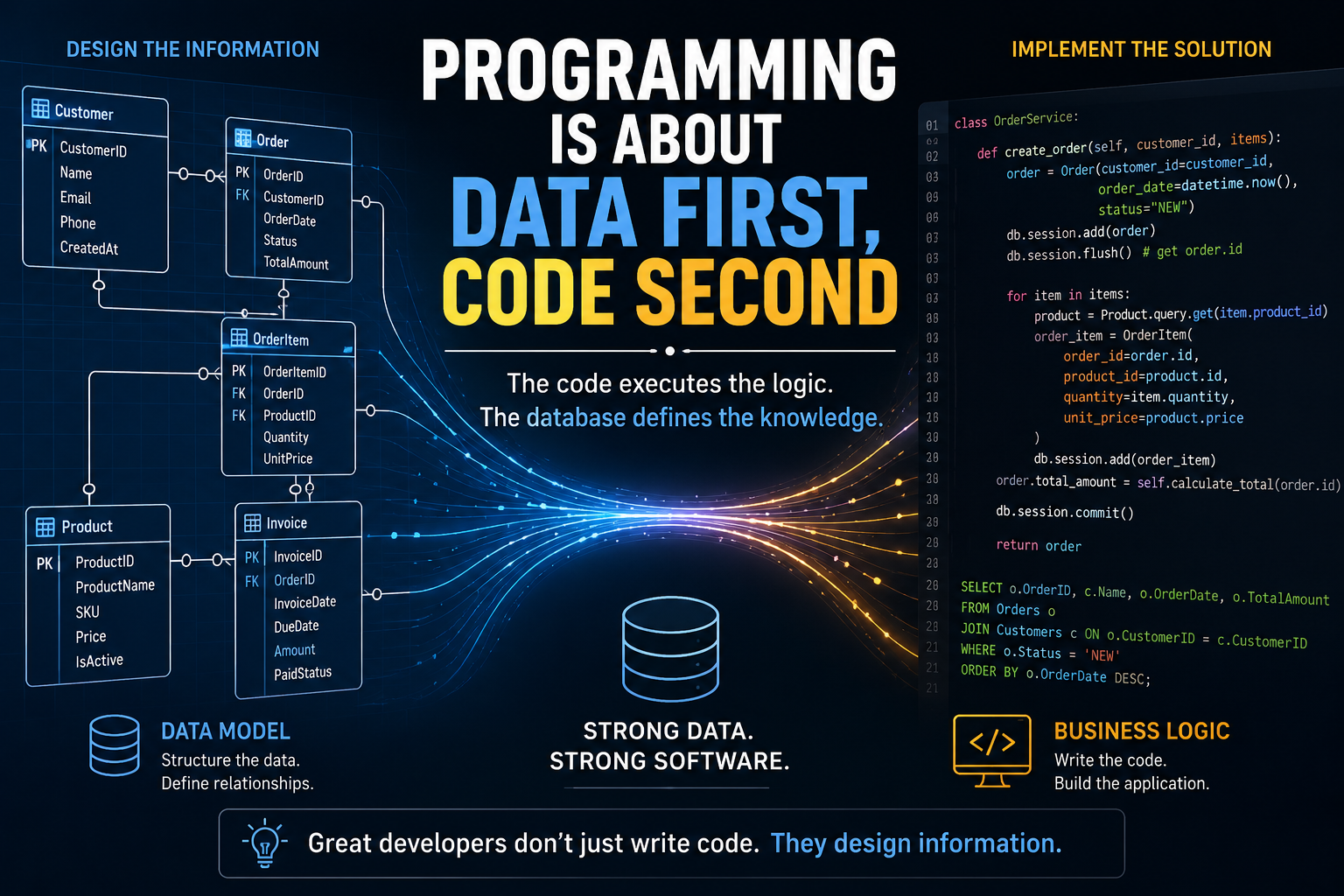
The truth is that most software applications exist to manage information.
By Dr. Kai Dupe July 1, 2026
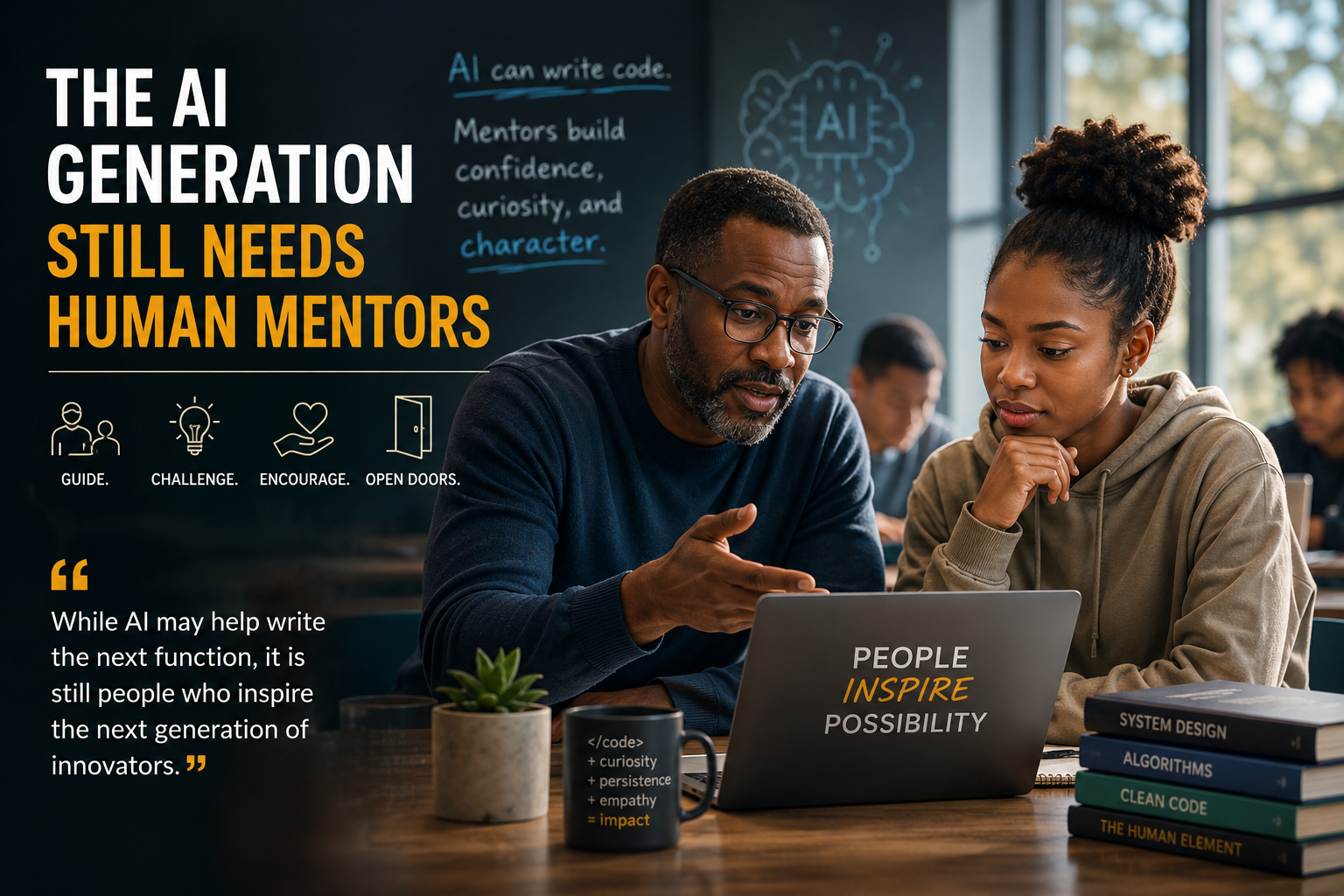
Artificial intelligence has become the newest member of nearly every software development team.
By Dr. Kai Dupe June 17, 2026
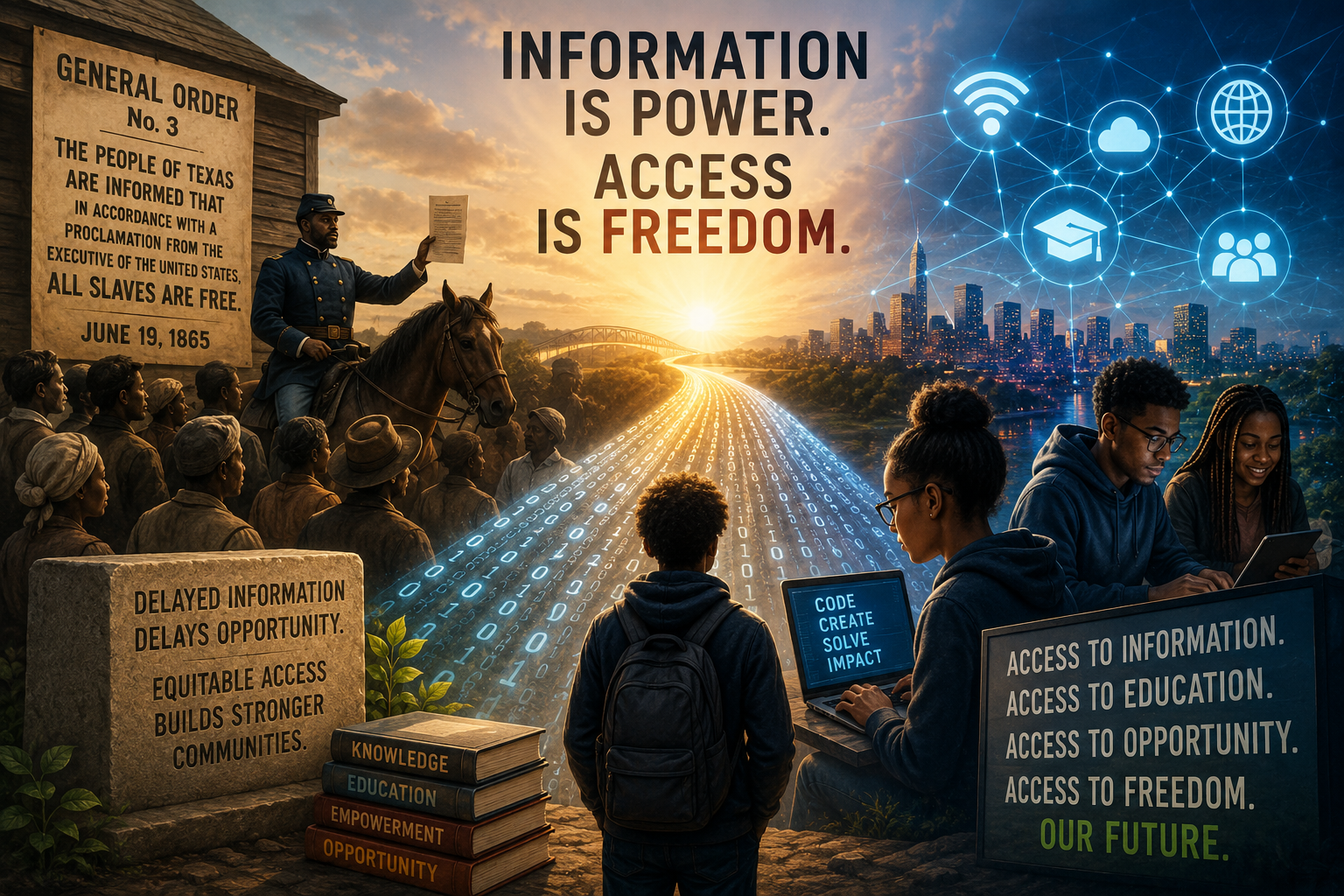
The true promise of computing is not found in the machines we build, but in the human potential we unlock when knowledge becomes accessible to everyone.
By Dr. Kai Dupe June 3, 2026
One of the reasons I value the MCT program so highly is that it represents more than technical knowledge.
By Dr. Kai Dupe May 22, 2026
Software engineering is not simply coding.
By Dr. Kai Dupe May 15, 2026
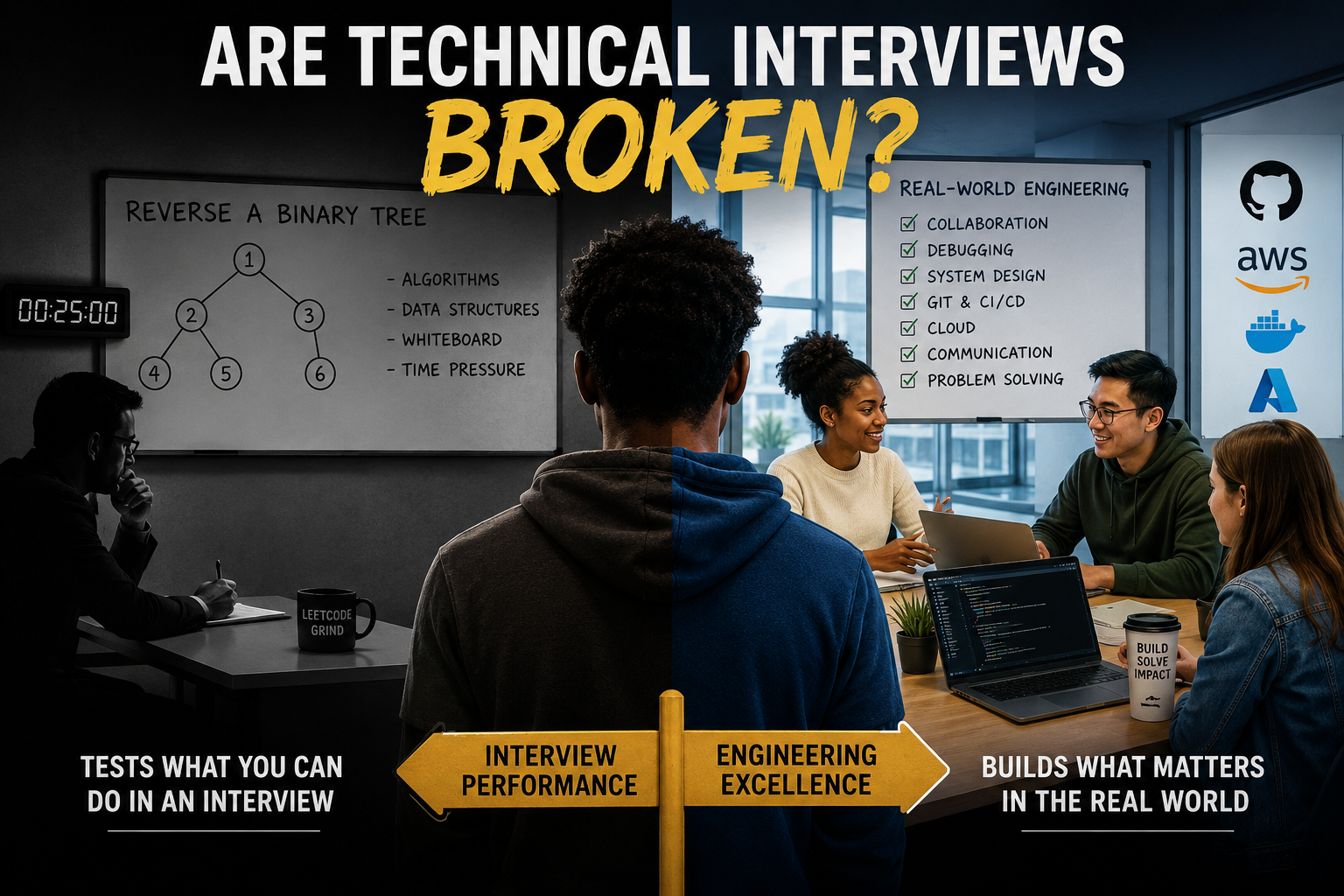
Companies often promote the idea that technical skill alone determines success.
By Dr. Kai Dupe May 3, 2026
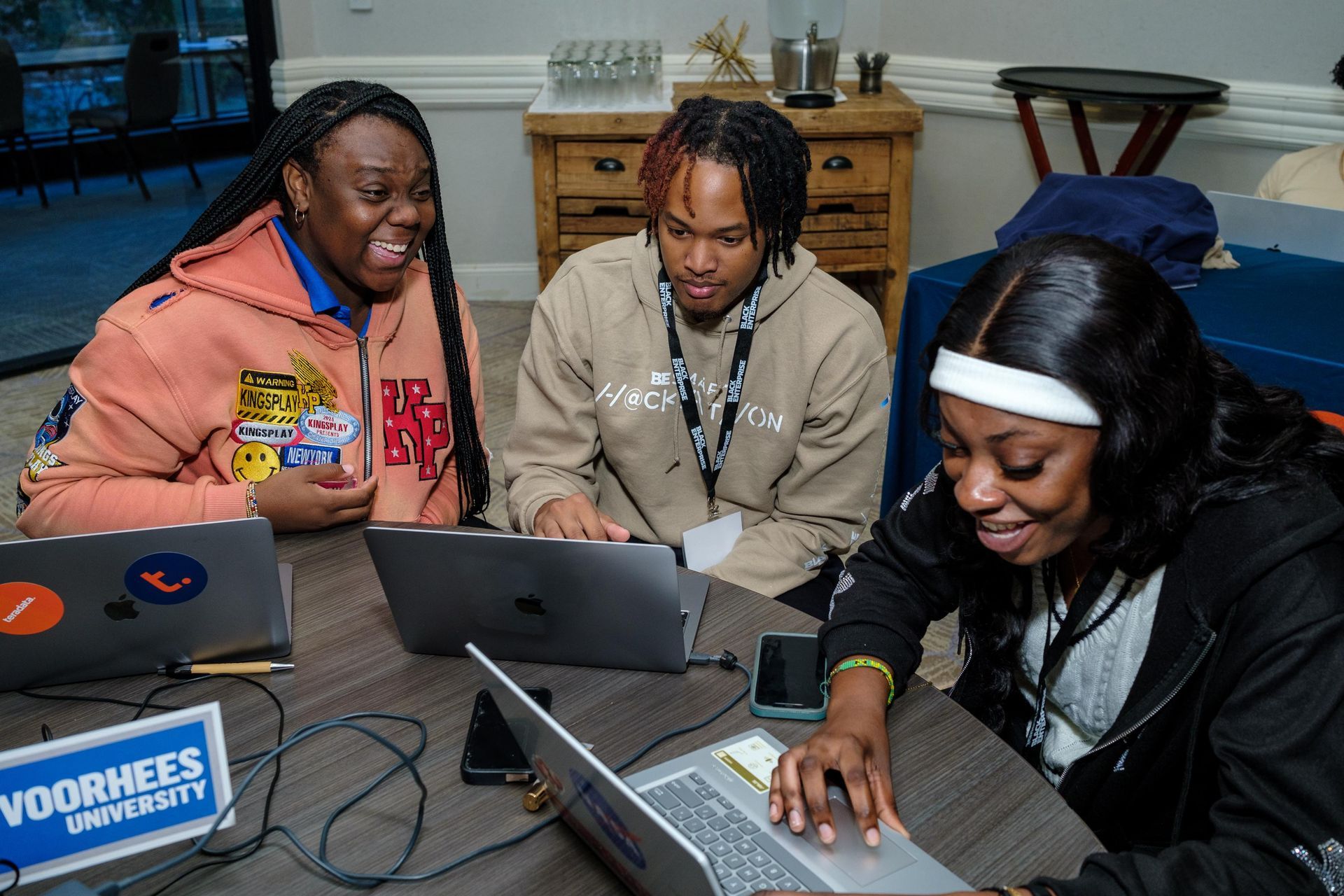
Hackathons also strengthen teamwork and communication skills.
By Dr. Kai Dupe April 22, 2026
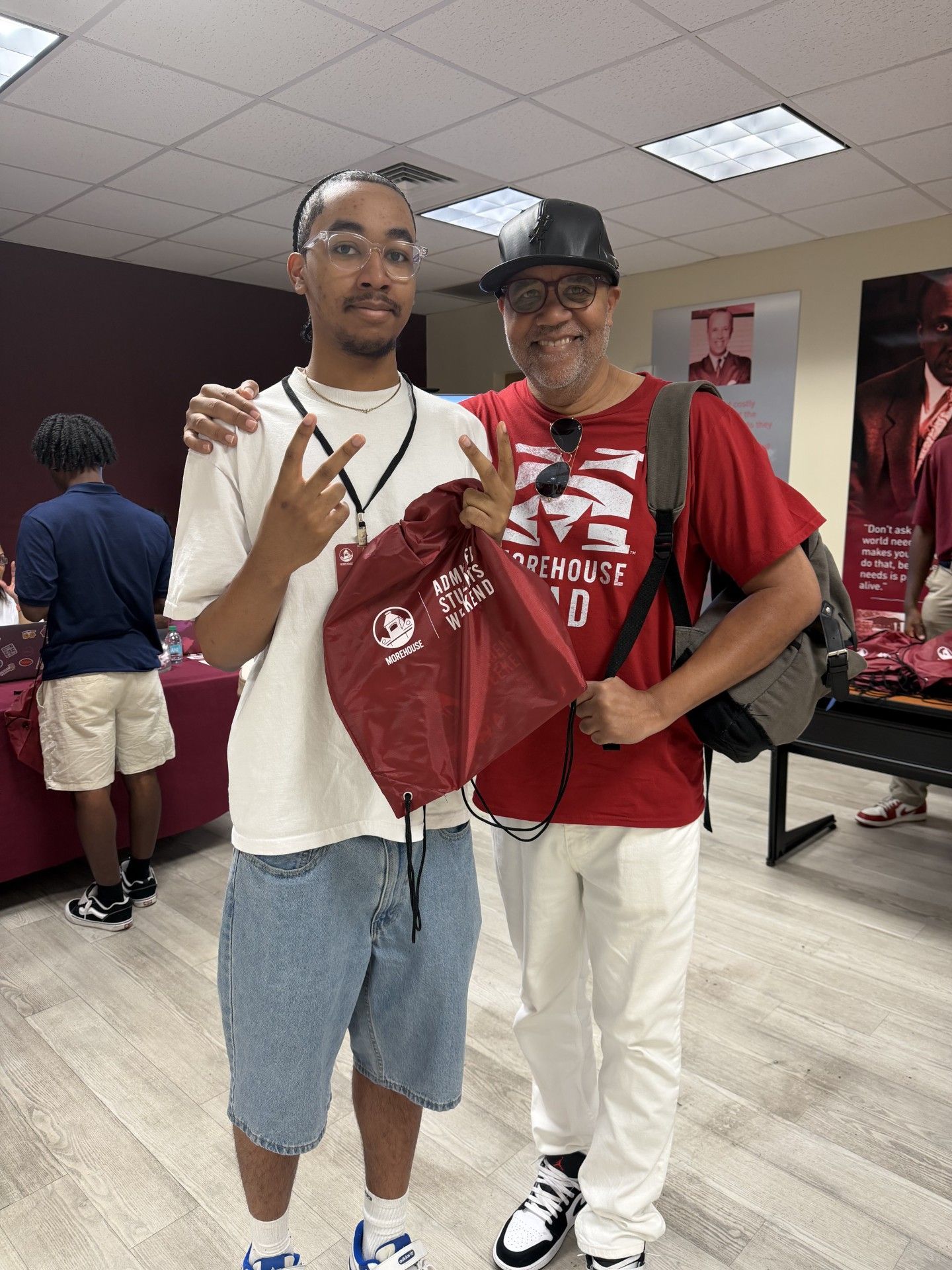
Stepping onto the campus of Morehouse College this past weekend for Admitted Students Day was more than a visit—it was a moment of reflection. As I watched young Black men walk with purpose across the yard, I found myself asking a simple but profound question: What would it have been like for me to study computer science here? My journey into computing was shaped in environments where I was often the only Black man in the room. That reality brings with it an unspoken weight—the need to prove you belong, the awareness of being watched, and sometimes, the quiet isolation that comes with underrepresentation. Standing at Morehouse, I realized that this burden is not a given. It is a condition of the environment. At Morehouse, the environment is different by design. Here, Black men are not anomalies—they are the standard. I imagined what it would feel like to learn algorithms, data structures, and software development in a space where my identity was not questioned but affirmed. Where excellence is expected, not in spite of who you are, but because of it. As a computer science professor, I understand the academic rigor required to succeed in this field. There is no shortcut through recursion, no bypass around debugging, no substitute for disciplined problem-solving. But what struck me during my visit is how much context matters. When students are free from the psychological burden of proving they belong, they can redirect that energy toward mastering the material. They can collaborate more openly, ask questions more freely, and take intellectual risks without fear. I also thought about legacy. At Morehouse, students walk the same grounds as Martin Luther King Jr.. That kind of history does something to a person. It raises the bar—not just academically, but personally. It invites students to see their education not just as a pathway to a career, but as preparation for impact. Leaving campus, I felt inspired—but also reflective. I cannot rewrite my journey, but I can appreciate what spaces like Morehouse offer the next generation. For a Black male pursuing computer science, it is more than a degree. It is an opportunity to develop skill, confidence, and identity in alignment. And that combination is powerful.