
Finding a Path Forward: What CS Graduates Can Do in a Shifting Job Market
Dr. Kai Dupe • August 18, 2025
The old belief that a computer science degree was a golden ticket to Big Tech has unraveled.

A recent New York Times
article highlighted a troubling reality for computer science graduates: many are struggling to land jobs despite holding degrees from respected programs. Unemployment rates for CS majors are now higher than for fields such as biology or art history, and stories of graduates applying to thousands of positions with little success are becoming increasingly common. The old belief that a computer science degree was a golden ticket to Big Tech has unraveled, especially as artificial intelligence begins to automate entry-level coding tasks and the industry continues to see layoffs and hiring freezes.
So, what can these graduates do to adapt to this shifting landscape? While the road is undeniably harder, opportunities remain for those willing to rethink their strategies. Here are six key steps to consider:
1. Differentiate Beyond Coding: Graduates should move past the idea that coding alone is enough. Specializing in areas like cybersecurity, cloud infrastructure, or embedded systems can open doors. Pairing technical skills with knowledge of other fields, such as finance or healthcare, can also create valuable career niches.
2. Build a Strong Portfolio: Employers want evidence of skills in action. A GitHub filled with open-source contributions, small apps, or well-documented projects shows initiative and capability. Demonstrating the ability to use AI tools effectively is another way to stand out.
3. Network Intentionally: The hidden job market is real. Building relationships through meetups, LinkedIn, alumni groups, and professional associations can often lead to opportunities that aren’t posted online. A strong mentor can be a game-changer.
4. Upskill Strategically: Industry certifications in cloud computing, security, or data can make a resume more competitive. Short courses in AI integration or data engineering can help graduates align with emerging employer demands.
5. Explore Alternative Entry Points: Mid-sized firms, nonprofits, government agencies, and startups may not have the brand prestige of Big Tech, but they offer meaningful growth. Contract and freelance work can also provide valuable experience while building credibility.
6. Embrace Resilience: The process may take longer and require more creativity than in the past, but persistence pays off. Tracking progress, applying strategically, and leaning on community support can make the journey less isolating.
The tech job market is not disappearing—it is transforming. By showcasing real work, networking with purpose, and continuously adapting, today’s graduates can still thrive in a future where problem-solving, creativity, and cross-disciplinary skills matter as much as code.
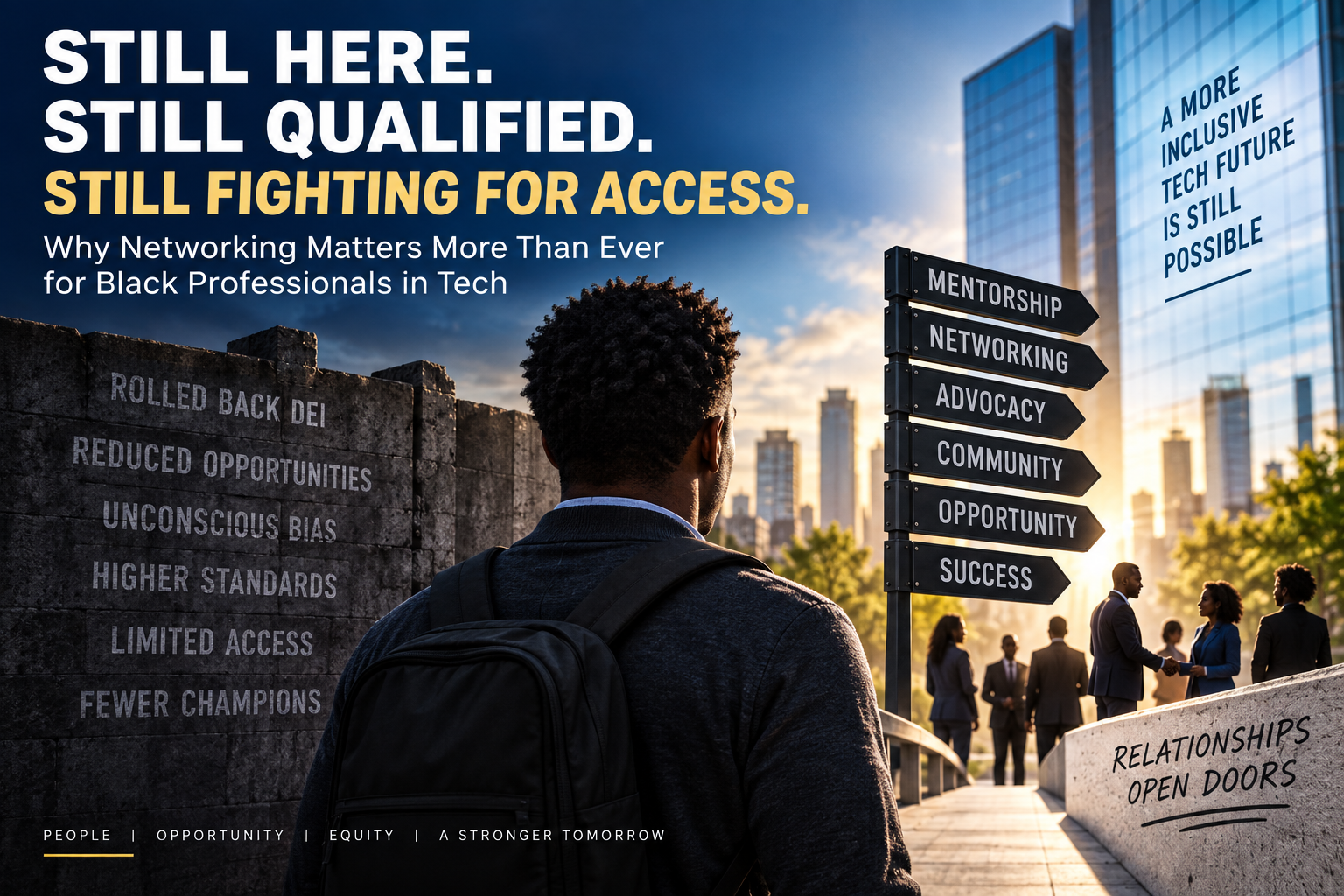
A mentor gives you advice. A sponsor creates opportunities.
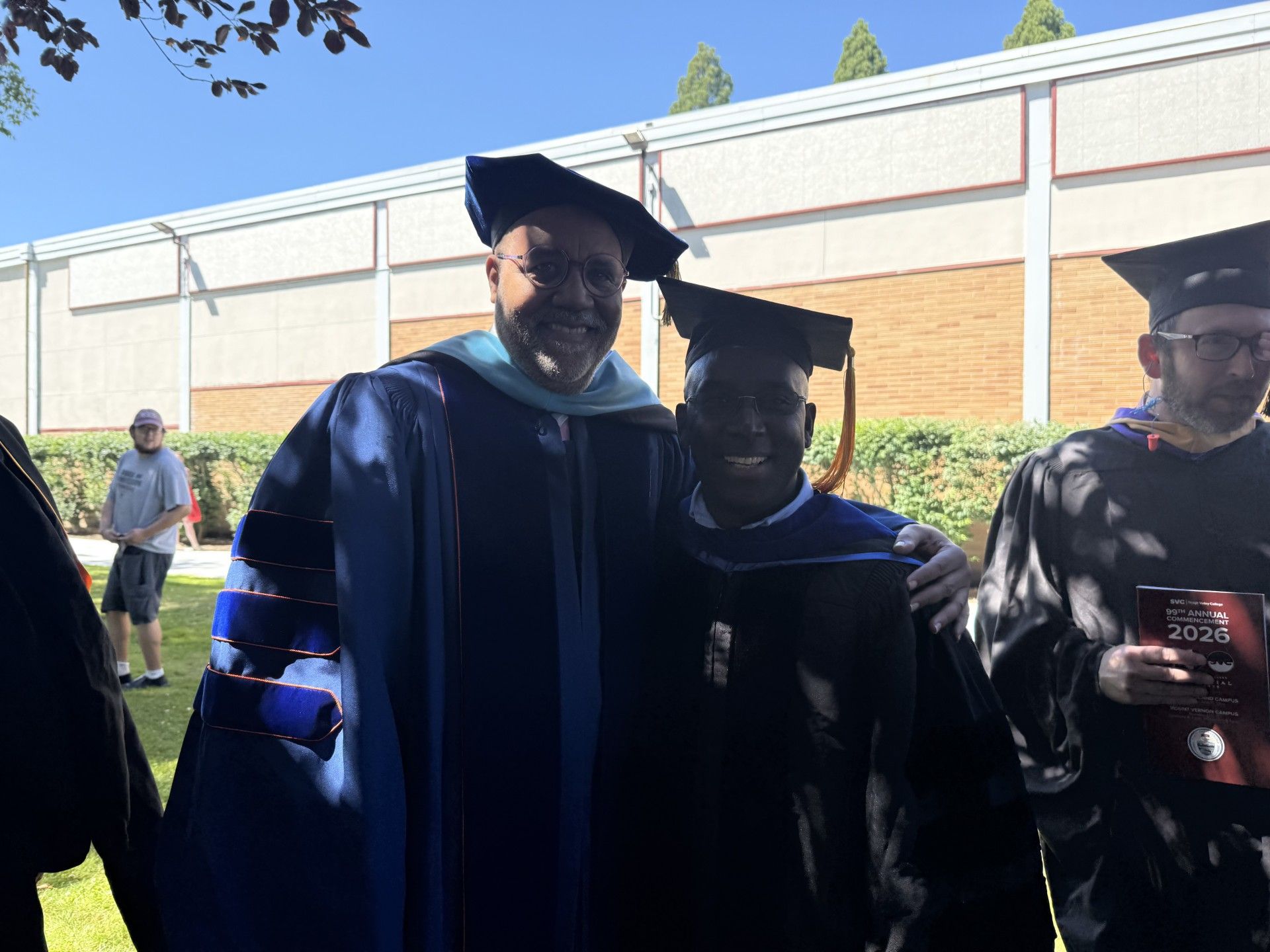
Representation alone will not solve the persistent racial disparities in computing.

The truth is that most software applications exist to manage information.
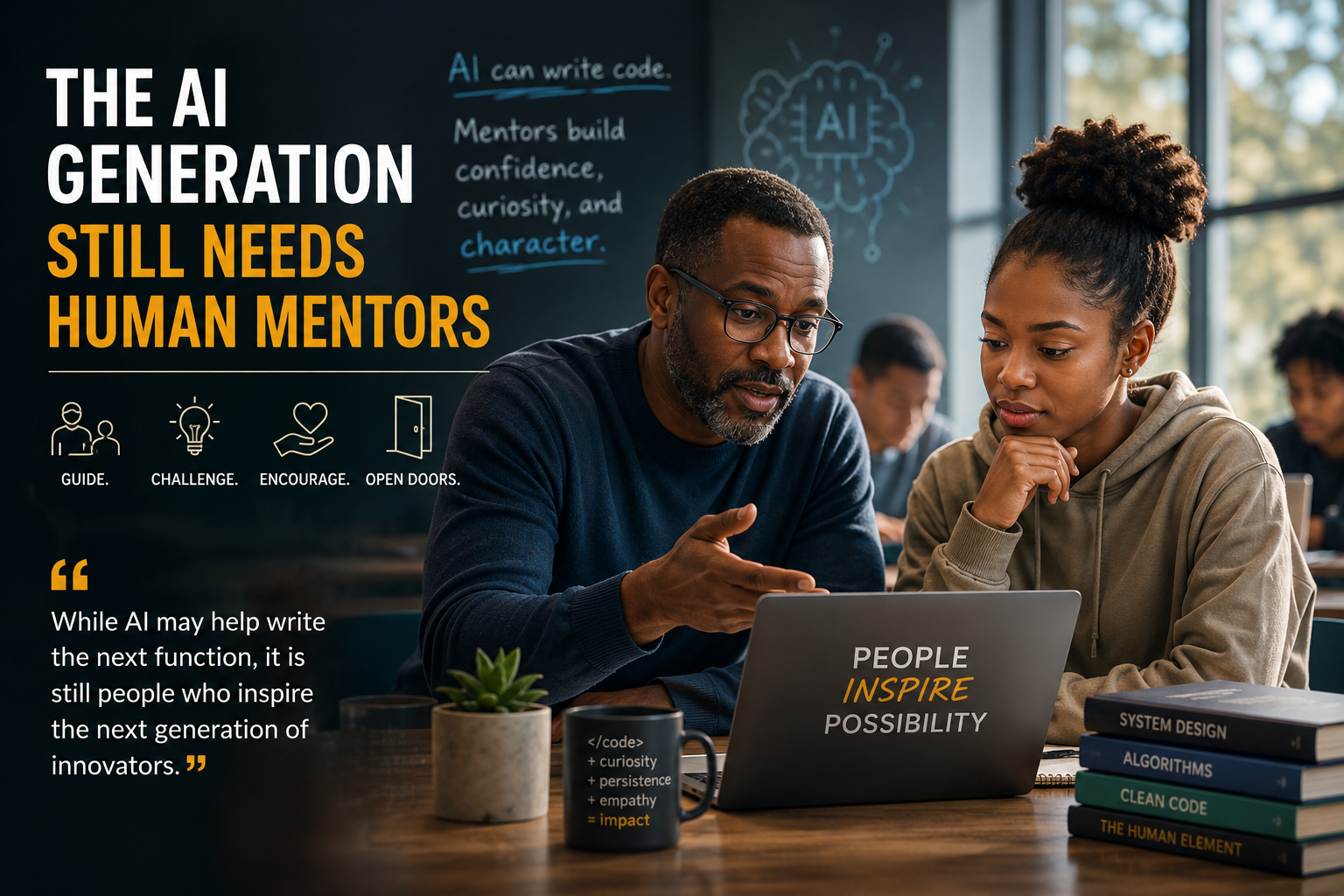
Artificial intelligence has become the newest member of nearly every software development team.

The true promise of computing is not found in the machines we build, but in the human potential we unlock when knowledge becomes accessible to everyone.

One of the reasons I value the MCT program so highly is that it represents more than technical knowledge.

Software engineering is not simply coding.

Companies often promote the idea that technical skill alone determines success.
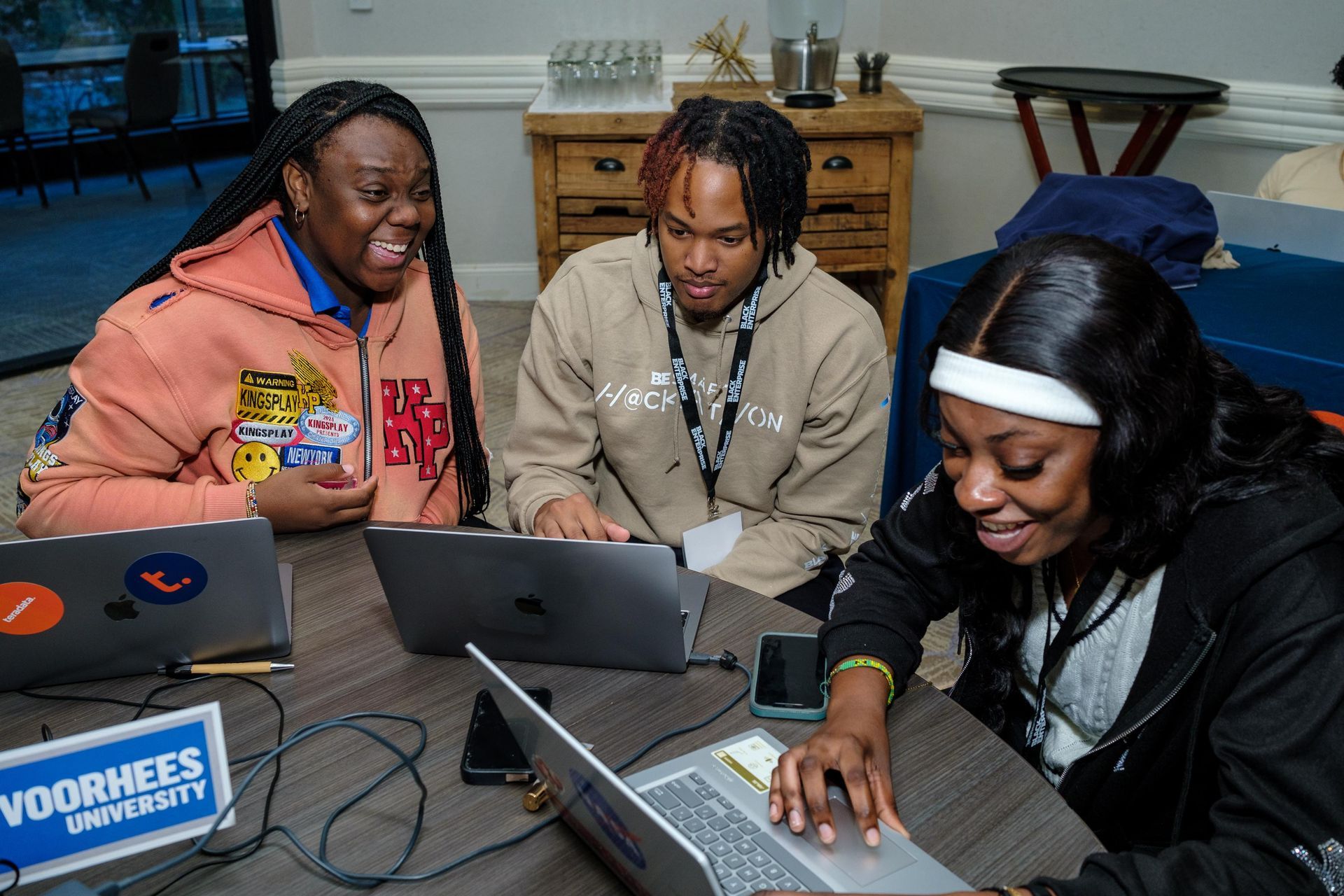
Hackathons also strengthen teamwork and communication skills.
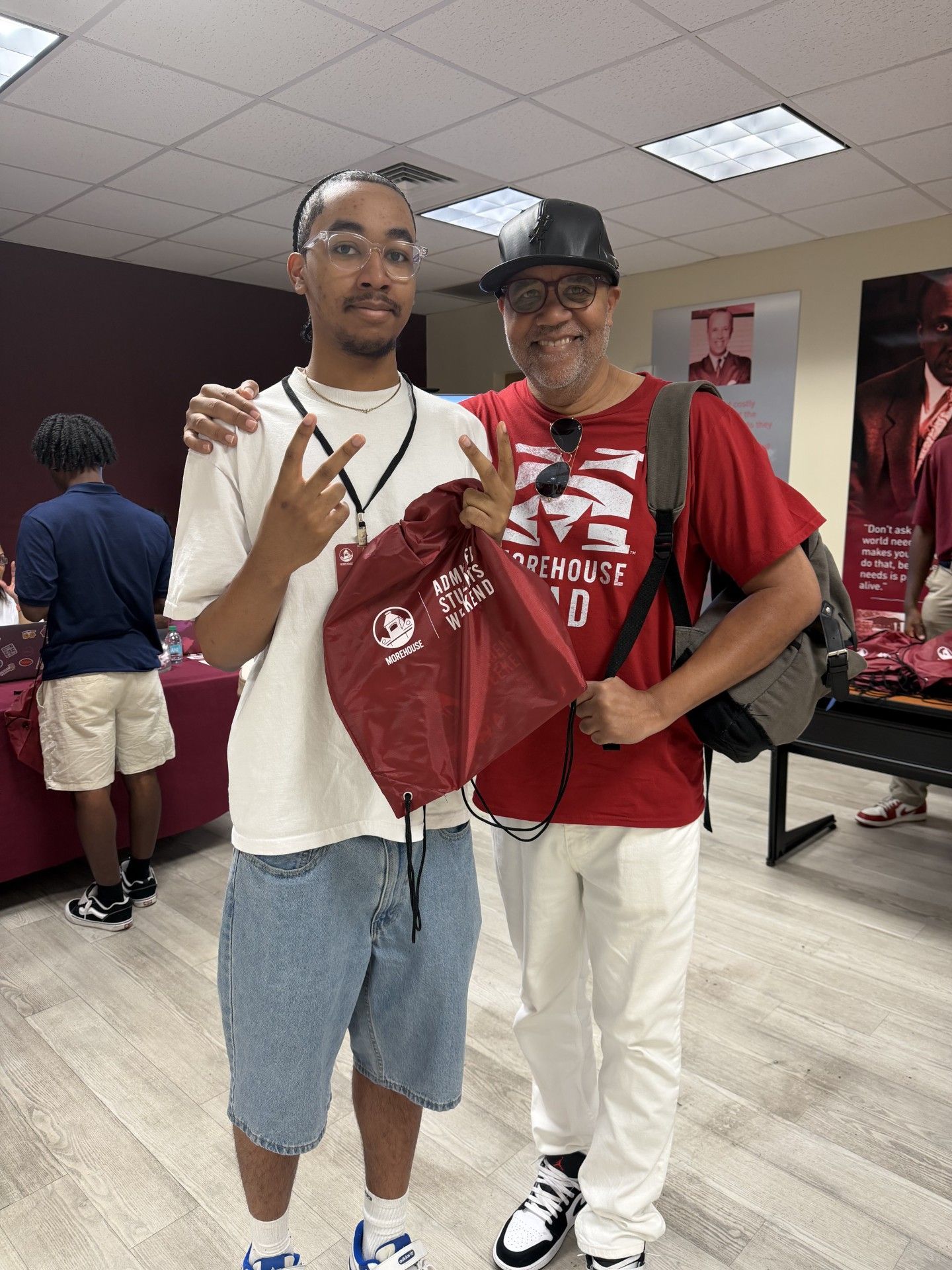
Stepping onto the campus of Morehouse College this past weekend for Admitted Students Day was more than a visit—it was a moment of reflection. As I watched young Black men walk with purpose across the yard, I found myself asking a simple but profound question: What would it have been like for me to study computer science here? My journey into computing was shaped in environments where I was often the only Black man in the room. That reality brings with it an unspoken weight—the need to prove you belong, the awareness of being watched, and sometimes, the quiet isolation that comes with underrepresentation. Standing at Morehouse, I realized that this burden is not a given. It is a condition of the environment. At Morehouse, the environment is different by design. Here, Black men are not anomalies—they are the standard. I imagined what it would feel like to learn algorithms, data structures, and software development in a space where my identity was not questioned but affirmed. Where excellence is expected, not in spite of who you are, but because of it. As a computer science professor, I understand the academic rigor required to succeed in this field. There is no shortcut through recursion, no bypass around debugging, no substitute for disciplined problem-solving. But what struck me during my visit is how much context matters. When students are free from the psychological burden of proving they belong, they can redirect that energy toward mastering the material. They can collaborate more openly, ask questions more freely, and take intellectual risks without fear. I also thought about legacy. At Morehouse, students walk the same grounds as Martin Luther King Jr.. That kind of history does something to a person. It raises the bar—not just academically, but personally. It invites students to see their education not just as a pathway to a career, but as preparation for impact. Leaving campus, I felt inspired—but also reflective. I cannot rewrite my journey, but I can appreciate what spaces like Morehouse offer the next generation. For a Black male pursuing computer science, it is more than a degree. It is an opportunity to develop skill, confidence, and identity in alignment. And that combination is powerful.