
How Technology Has Harmed Black Communities in the United States
Dr. Kai Dupe • January 8, 2025
Technology is often seen as neutral, but history shows it can reflect and amplify systemic biases.
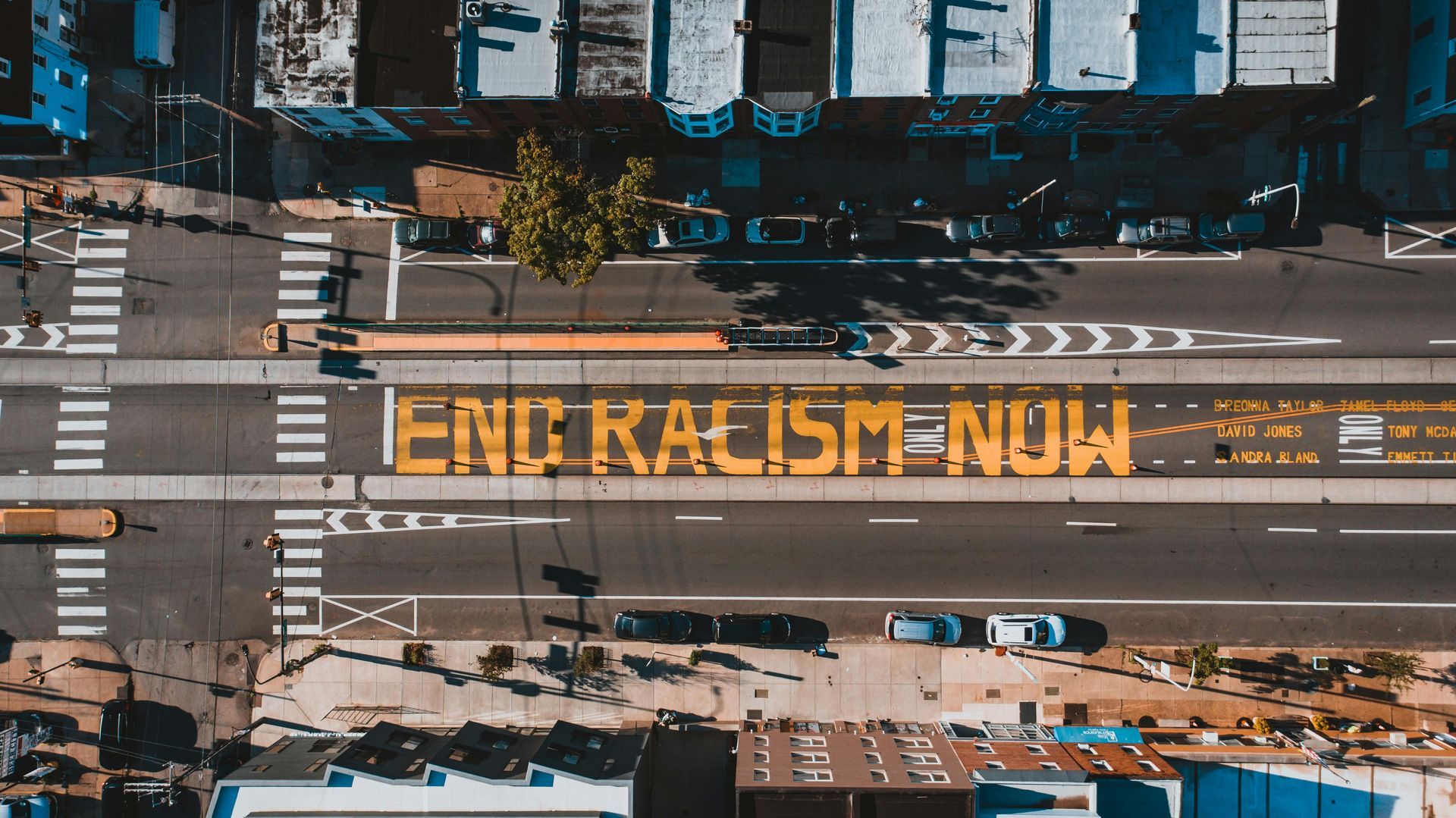
Technology is often seen as neutral, but history shows it can reflect and amplify systemic biases. Black communities in the United States have faced harm from technologies designed or deployed in ways that reinforced discrimination. From surveillance to housing, these examples show how technological tools have been weaponized against marginalized groups.
Surveillance and Policing
Modern facial recognition technology has higher error rates when identifying Black faces, leading to false arrests. A 2019 study by the National Institute of Standards and Technology (NIST) found that African Americans were disproportionately misidentified. Historically, surveillance technology was weaponized through the FBI’s COINTELPRO program, which targeted Civil Rights leaders like Martin Luther King Jr., as
documented by the National Archives.
Redlining and Housing
In the 1930s, the Homeowners’ Loan Corporation (HOLC) created redlining maps that systematically denied Black families access to home loans. This practice is detailed in a study by the University of Richmond’s Mapping Inequality project. Algorithmic redlining persists today. A 2020 report by the National Fair Housing Alliance revealed how digital platforms reinforce historical housing discrimination.
Medical Exploitation
The Tuskegee Syphilis Study (1932–1972) denied treatment to Black men with syphilis to study the disease. This unethical use of medical technology is well-documented in a Centers for Disease Control and Prevention (CDC) report. Similarly, the cells of Henrietta Lacks, taken without her consent, became foundational for medical advancements. Her story is explored in-depth by Johns Hopkins University.
Education and Employment
Black communities face unequal access to educational technology. A 2020
Pew Research study found that Black students were less likely to have reliable internet for remote learning. In hiring, algorithms replicate biases. A 2018 MIT study revealed that automated systems often penalized Black applicants.
Environmental Racism
Urban planning technologies displaced Black communities through mid-20th-century highway construction, such as Detroit’s Black Bottom neighborhood. This is detailed in the Federal Highway Administration’s report on highway history. Today, polluting industries disproportionately affect Black neighborhoods, as shown in a 2021 Environmental Protection Agency (EPA) study.
Social Media and Misinformation
Platforms like Facebook were exploited during the 2016 election to suppress Black voter turnout through targeted misinformation campaigns. This tactic is outlined in a 2018 Senate Intelligence Committee report.
Moving Forward
These examples reveal that technology is not neutral. It reflects societal values and power structures. Acknowledging this history is essential to creating technologies that serve all communities fairly. Equity, accountability, and inclusive design must be at the forefront of technological innovation.
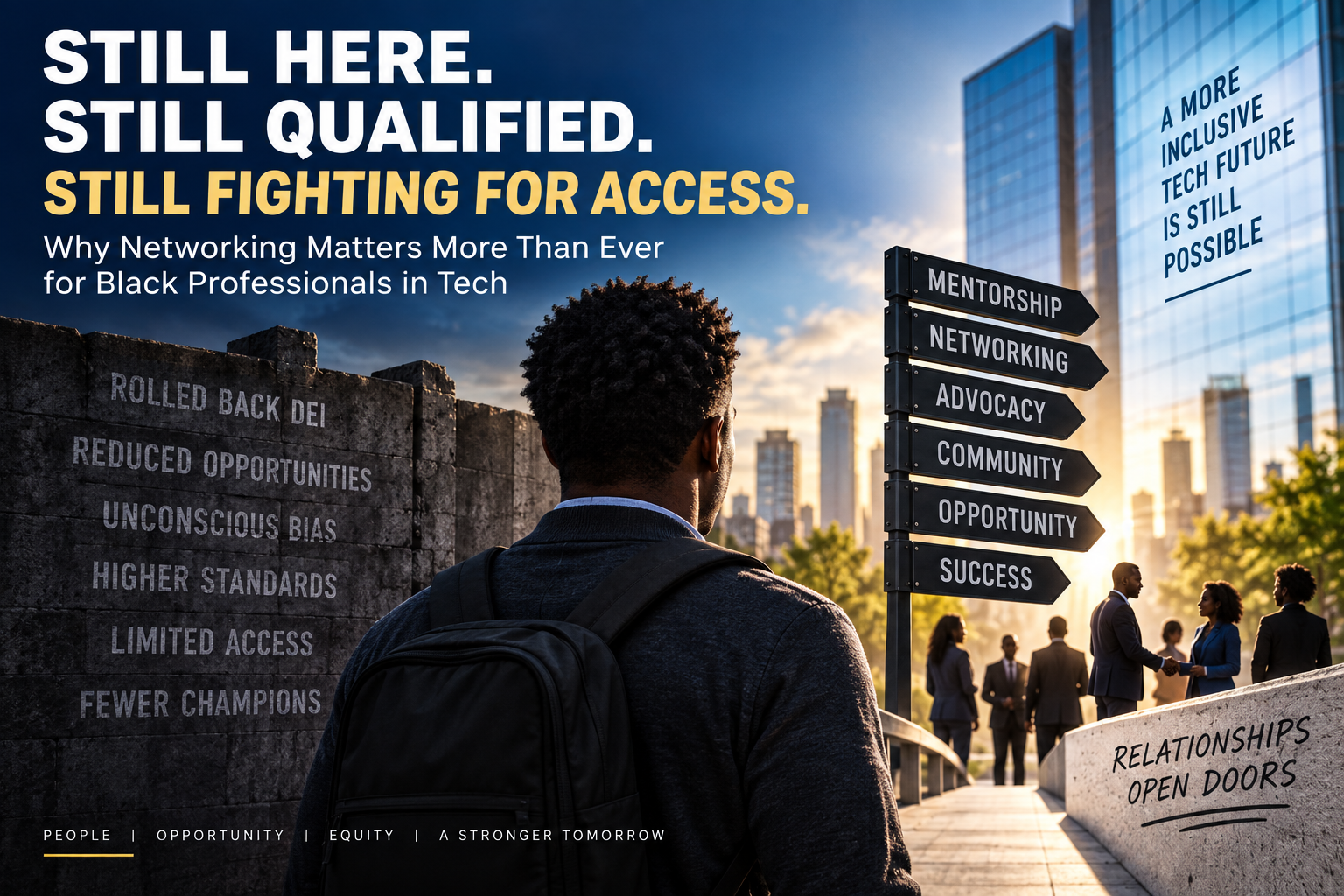
A mentor gives you advice. A sponsor creates opportunities.
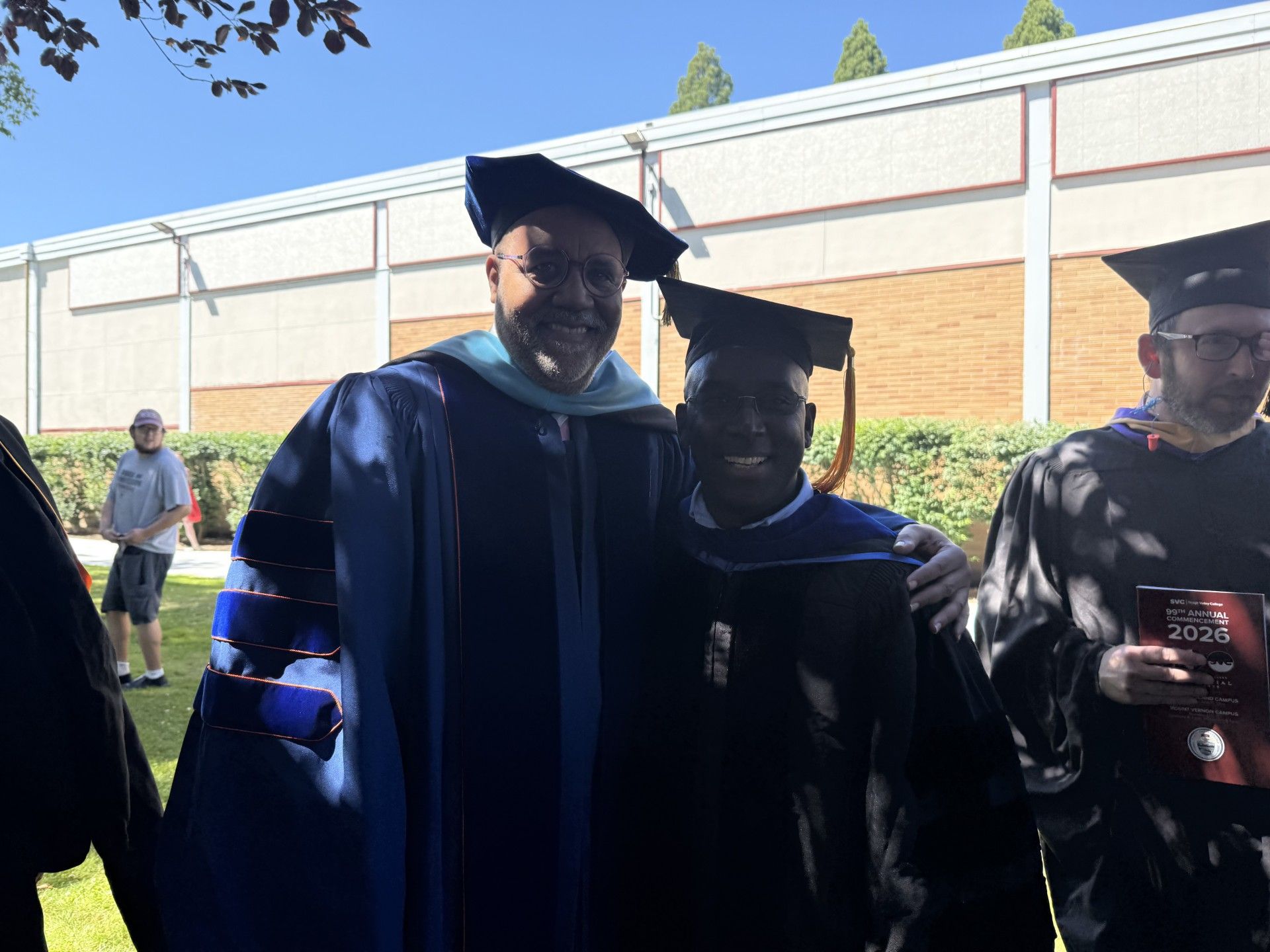
Representation alone will not solve the persistent racial disparities in computing.

The truth is that most software applications exist to manage information.
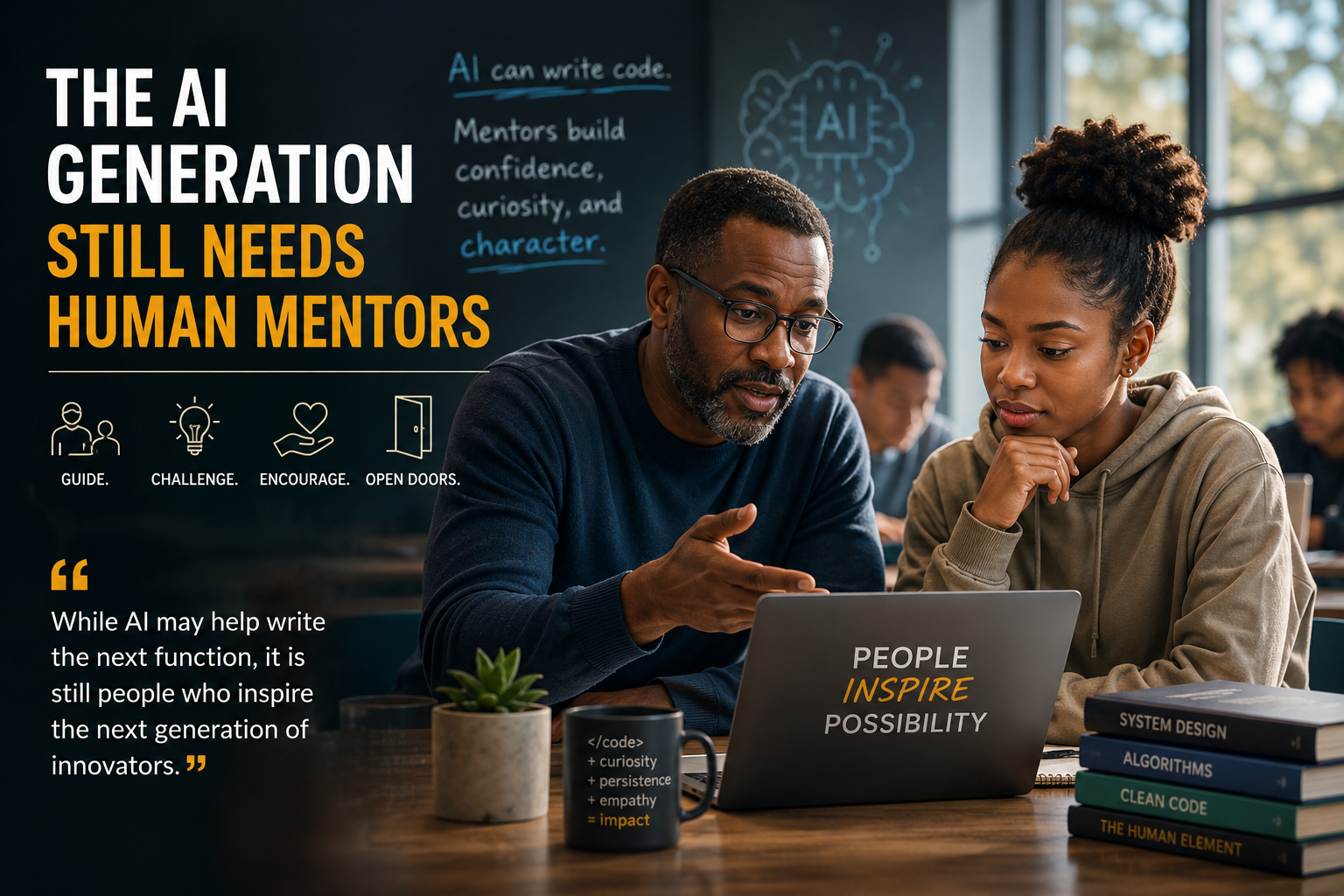
Artificial intelligence has become the newest member of nearly every software development team.
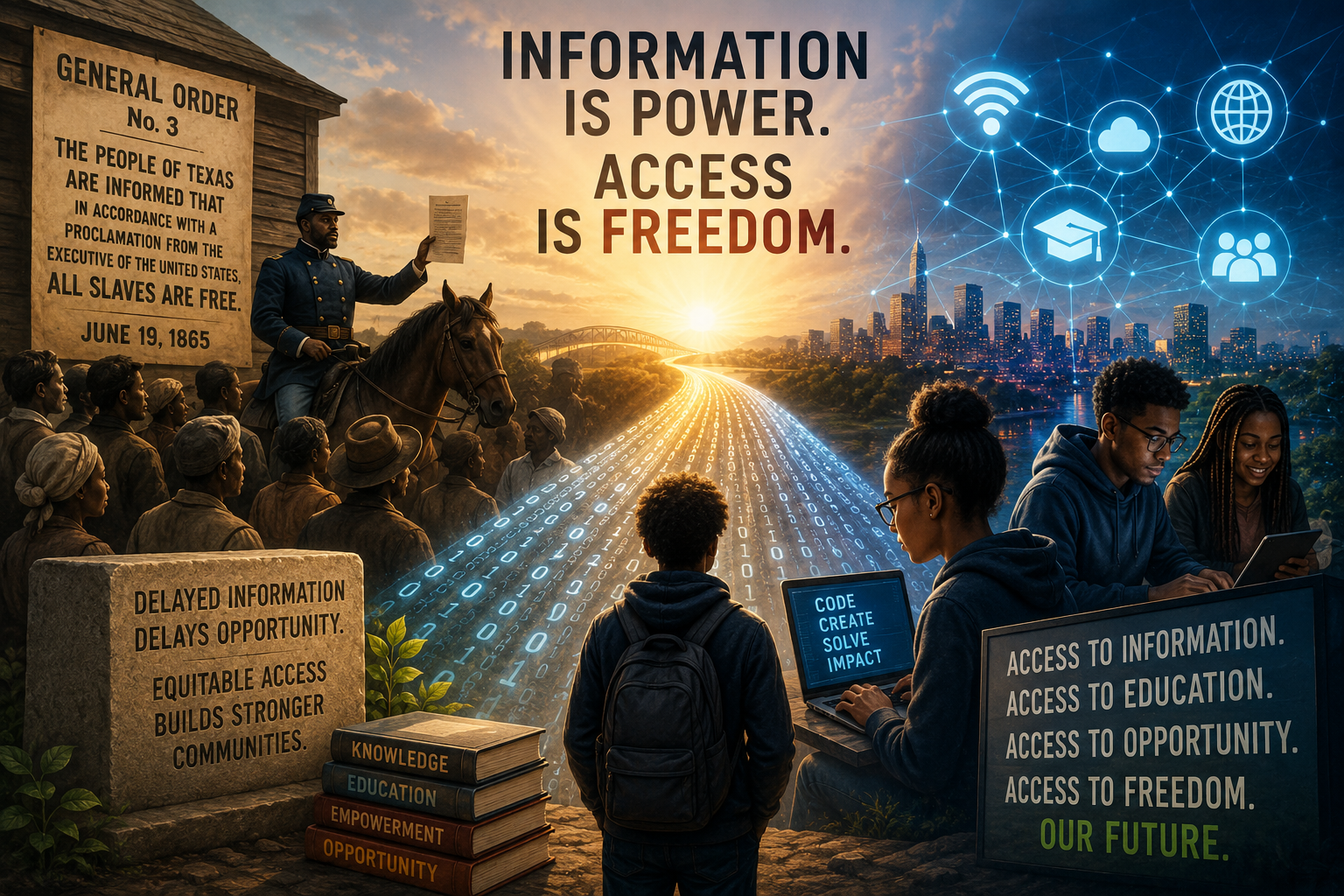
The true promise of computing is not found in the machines we build, but in the human potential we unlock when knowledge becomes accessible to everyone.

One of the reasons I value the MCT program so highly is that it represents more than technical knowledge.
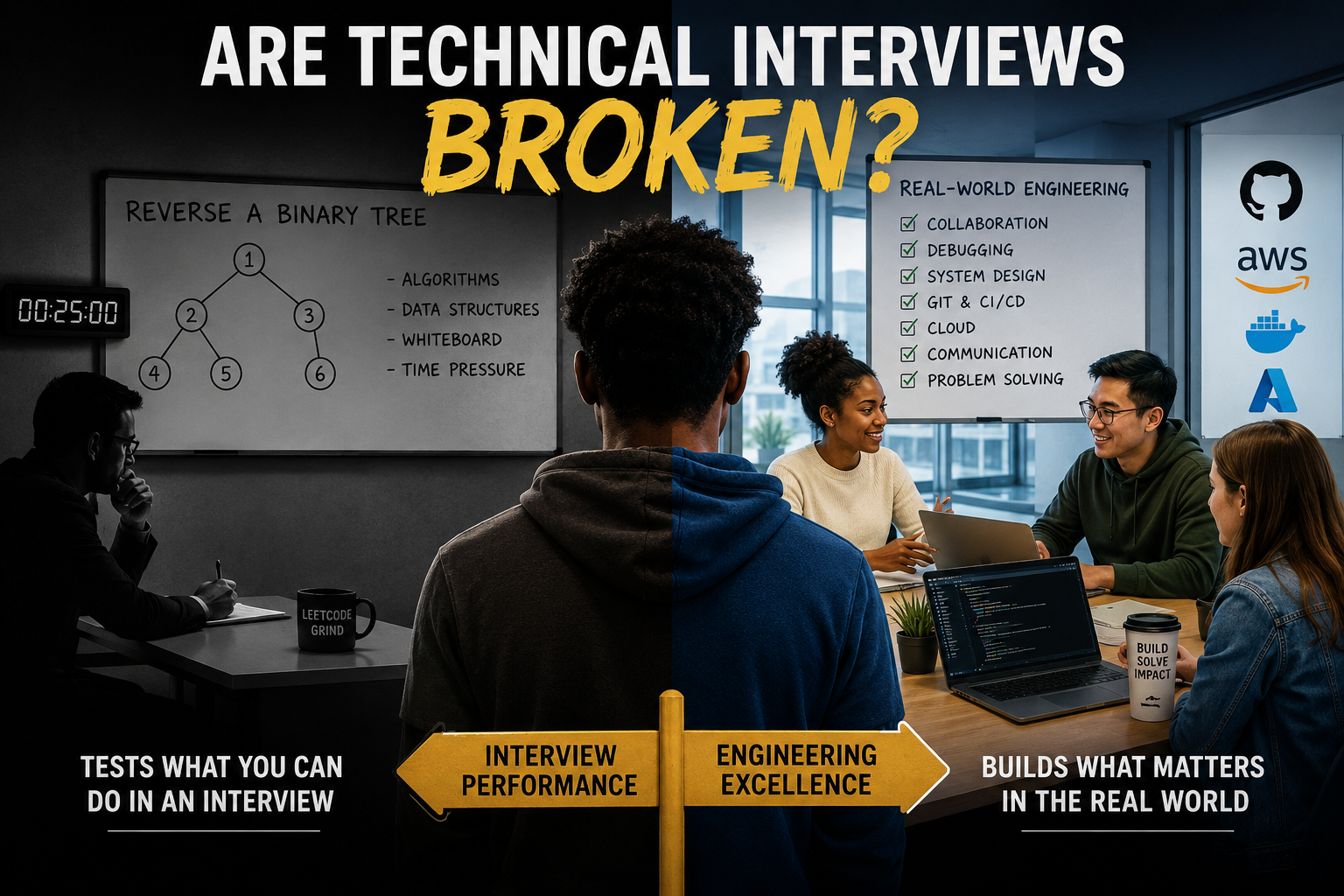
Software engineering is not simply coding.
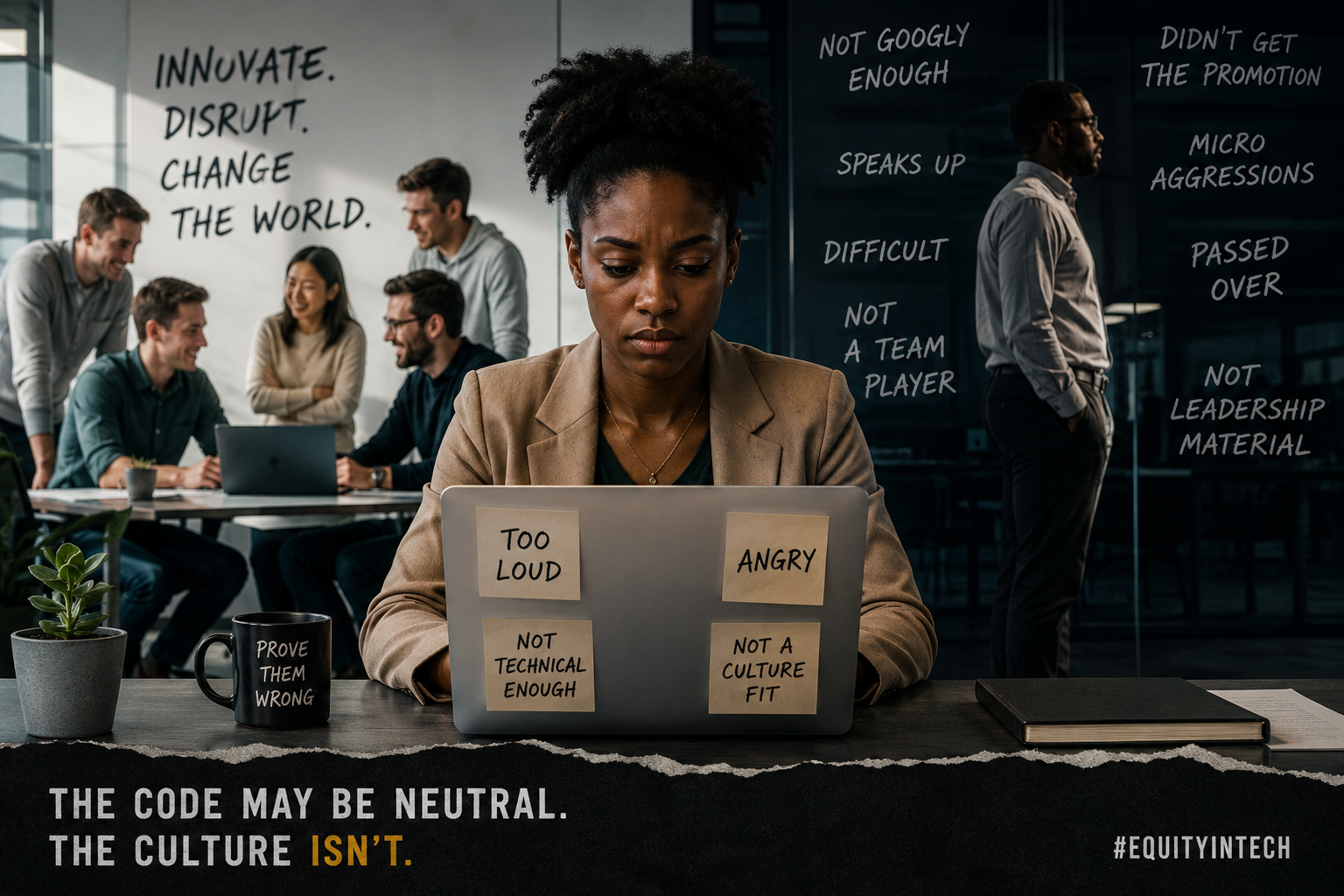
Companies often promote the idea that technical skill alone determines success.
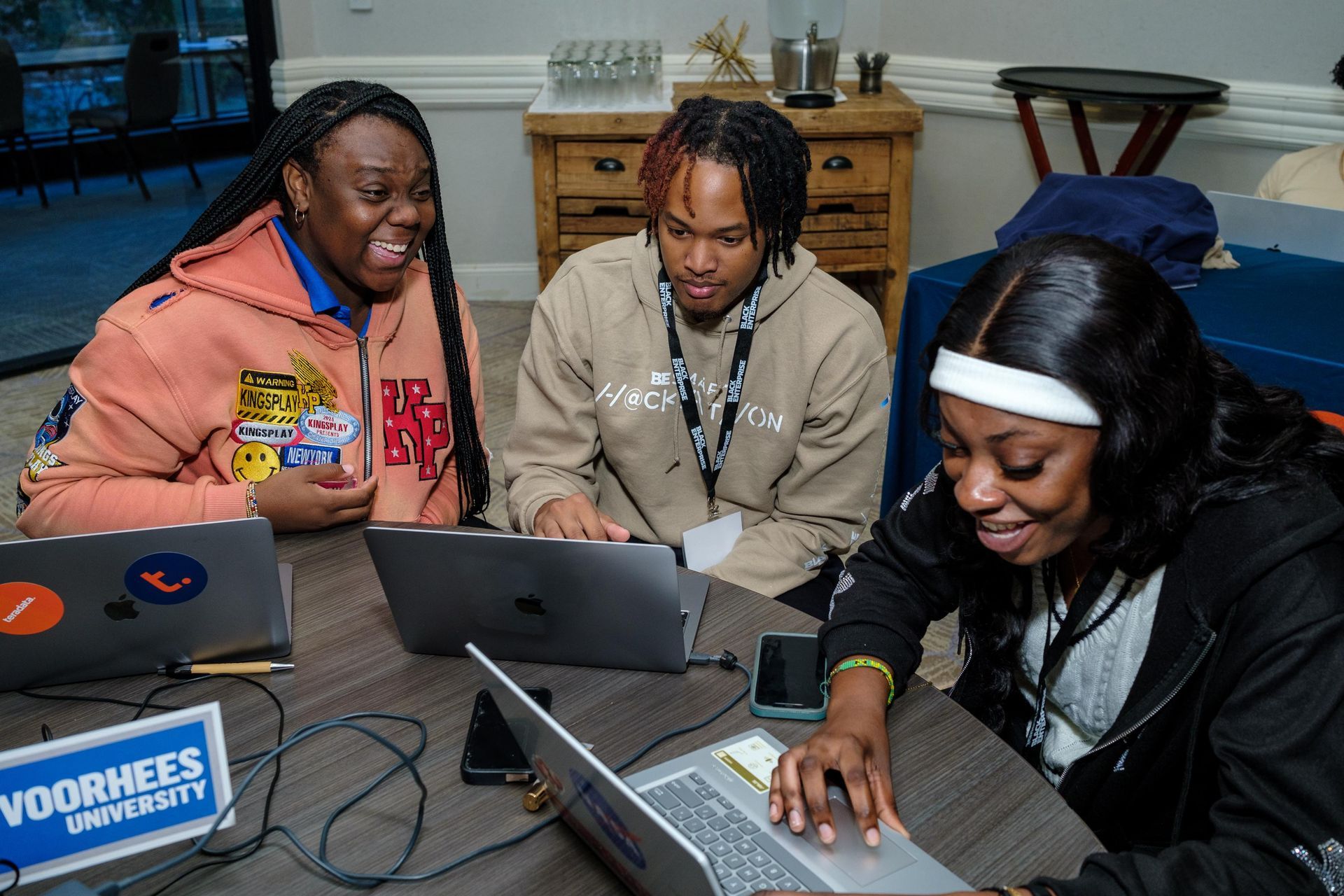
Hackathons also strengthen teamwork and communication skills.
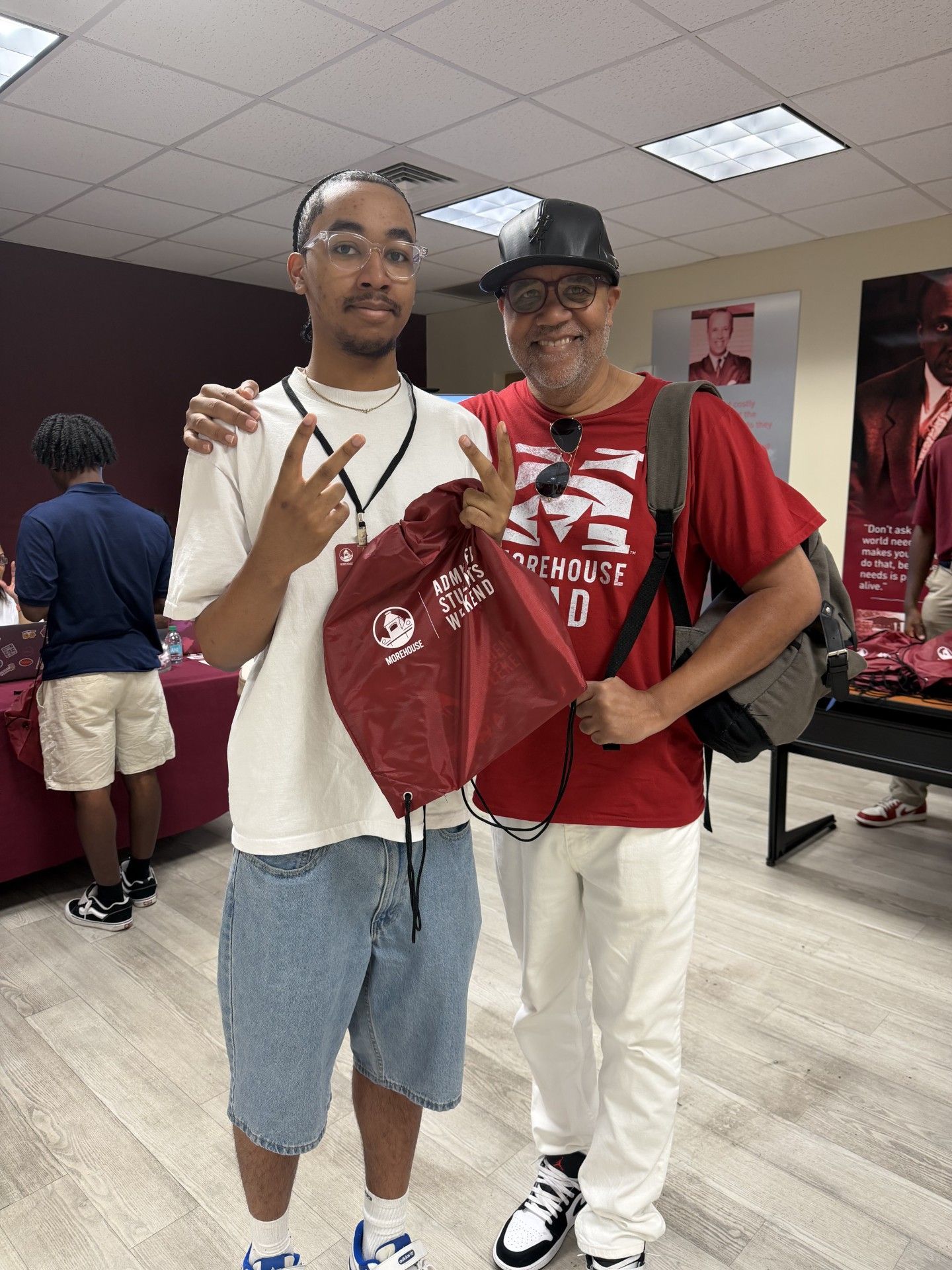
Stepping onto the campus of Morehouse College this past weekend for Admitted Students Day was more than a visit—it was a moment of reflection. As I watched young Black men walk with purpose across the yard, I found myself asking a simple but profound question: What would it have been like for me to study computer science here? My journey into computing was shaped in environments where I was often the only Black man in the room. That reality brings with it an unspoken weight—the need to prove you belong, the awareness of being watched, and sometimes, the quiet isolation that comes with underrepresentation. Standing at Morehouse, I realized that this burden is not a given. It is a condition of the environment. At Morehouse, the environment is different by design. Here, Black men are not anomalies—they are the standard. I imagined what it would feel like to learn algorithms, data structures, and software development in a space where my identity was not questioned but affirmed. Where excellence is expected, not in spite of who you are, but because of it. As a computer science professor, I understand the academic rigor required to succeed in this field. There is no shortcut through recursion, no bypass around debugging, no substitute for disciplined problem-solving. But what struck me during my visit is how much context matters. When students are free from the psychological burden of proving they belong, they can redirect that energy toward mastering the material. They can collaborate more openly, ask questions more freely, and take intellectual risks without fear. I also thought about legacy. At Morehouse, students walk the same grounds as Martin Luther King Jr.. That kind of history does something to a person. It raises the bar—not just academically, but personally. It invites students to see their education not just as a pathway to a career, but as preparation for impact. Leaving campus, I felt inspired—but also reflective. I cannot rewrite my journey, but I can appreciate what spaces like Morehouse offer the next generation. For a Black male pursuing computer science, it is more than a degree. It is an opportunity to develop skill, confidence, and identity in alignment. And that combination is powerful.