
Celebrating the Contributions of Nigerians to Computing Technology
Dr. Kai Dupe • December 31, 2024
Nigerians have made remarkable contributions to the field of computing, showcasing ingenuity and innovation that have had both local and global impacts.

Nigerians have made remarkable contributions to the field of computing, showcasing ingenuity and innovation that have had both local and global impacts. From high-performance computing to cutting-edge app development, Nigerians continue to play a vital role in advancing technology.
One of the most notable figures is Philip Emeagwali, who is celebrated for his pioneering work in high-performance computing. Emeagwali developed a formula for using thousands of processors to perform computations simultaneously, a concept foundational to parallel computing. His groundbreaking work contributed significantly to petroleum reservoir simulations, optimizing oil extraction processes. In 1989, he won the Gordon Bell Prize for his innovative use of parallel computing technology, cementing his legacy as one of Nigeria’s foremost technologists.
Another influential figure is Chris Uwaje, often referred to as the "Father of Nigeria’s Internet." Uwaje was instrumental in establishing Nigeria’s National Information Technology Development Agency (NITDA), a body responsible for fostering IT growth and policy. He has long advocated for indigenous software development, emphasizing the importance of creating technology solutions tailored to Nigeria and Africa's unique needs.
Ndubuisi Ekekwe
has also made waves in the technology sector. A globally recognized technologist, he holds multiple patents and has made significant contributions to medical robotics and embedded systems. As the founder of the Tekedia Institute, Ekekwe is committed to empowering tech innovators across Africa through education and mentorship, promoting entrepreneurial growth in the tech sector.
In the realm of software and app development, Chinedu Echeruo
stands out. Echeruo founded HopStop, a transit app that gained widespread acclaim and was eventually acquired by Apple in 2013. His success highlights Nigeria’s growing influence in global tech entrepreneurship and innovation.
Tom Ilube, a Nigerian-British technology entrepreneur, has also left an indelible mark. As a cybersecurity expert and founder of Crossword Cybersecurity, Ilube has been recognized internationally for his contributions. His inclusion as the most powerful man in Britain by the Powerlist in 2017 underscores the global impact of Nigerian talent.
Nigerian organizations like Andela and Co-Creation Hub (CcHub) further demonstrate the country’s commitment to fostering technological innovation. Andela trains software engineers across Africa, while CcHub serves as an incubator for tech startups in Lagos, solidifying Nigeria’s position as a hub for tech talent and entrepreneurship.
These individuals and initiatives showcase the immense contributions Nigerians have made to computing technology, shaping the future of innovation both at home and abroad. As Nigeria continues to nurture its tech ecosystem, its impact on the global stage will undoubtedly grow.

A mentor gives you advice. A sponsor creates opportunities.
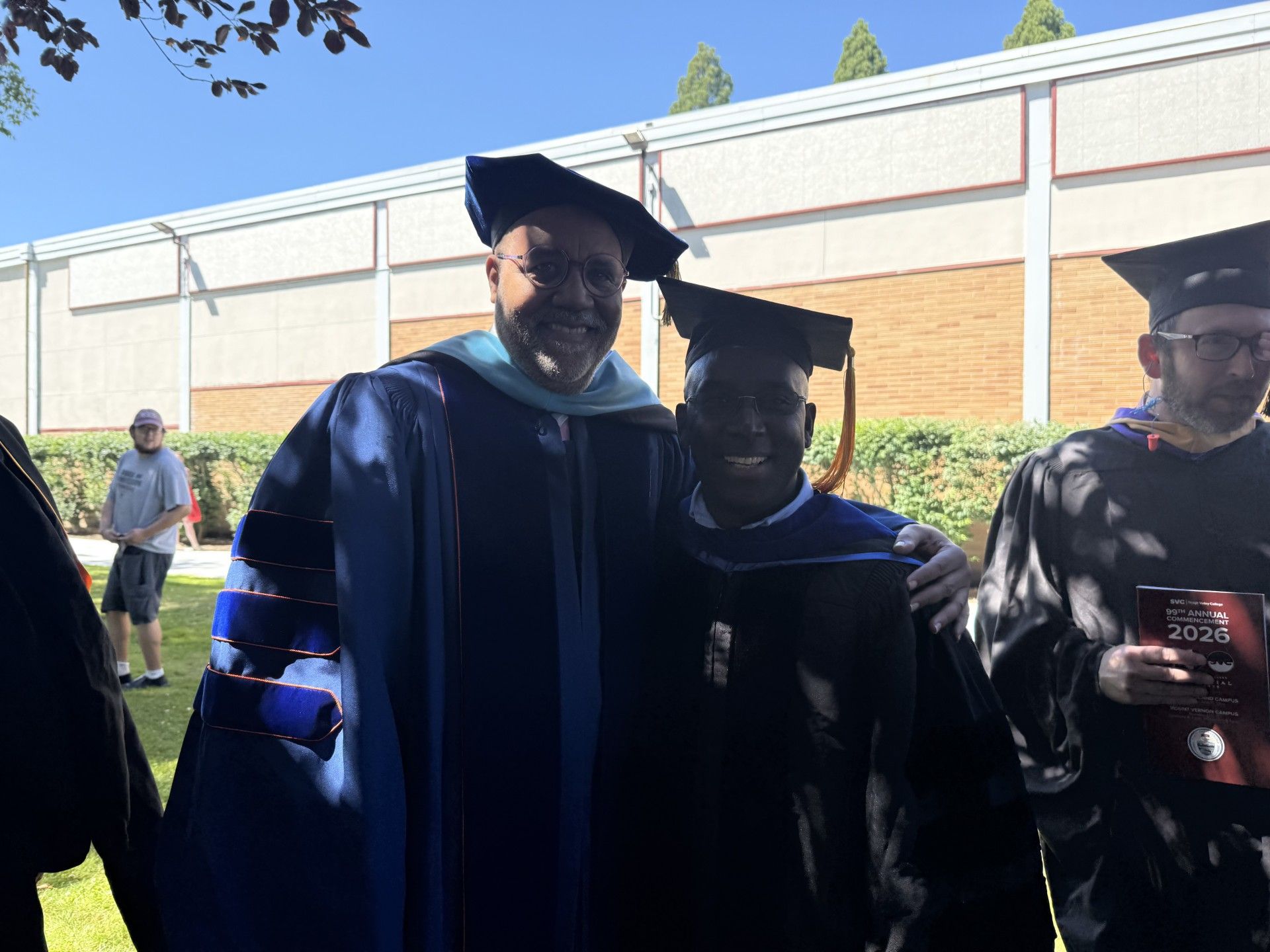
Representation alone will not solve the persistent racial disparities in computing.
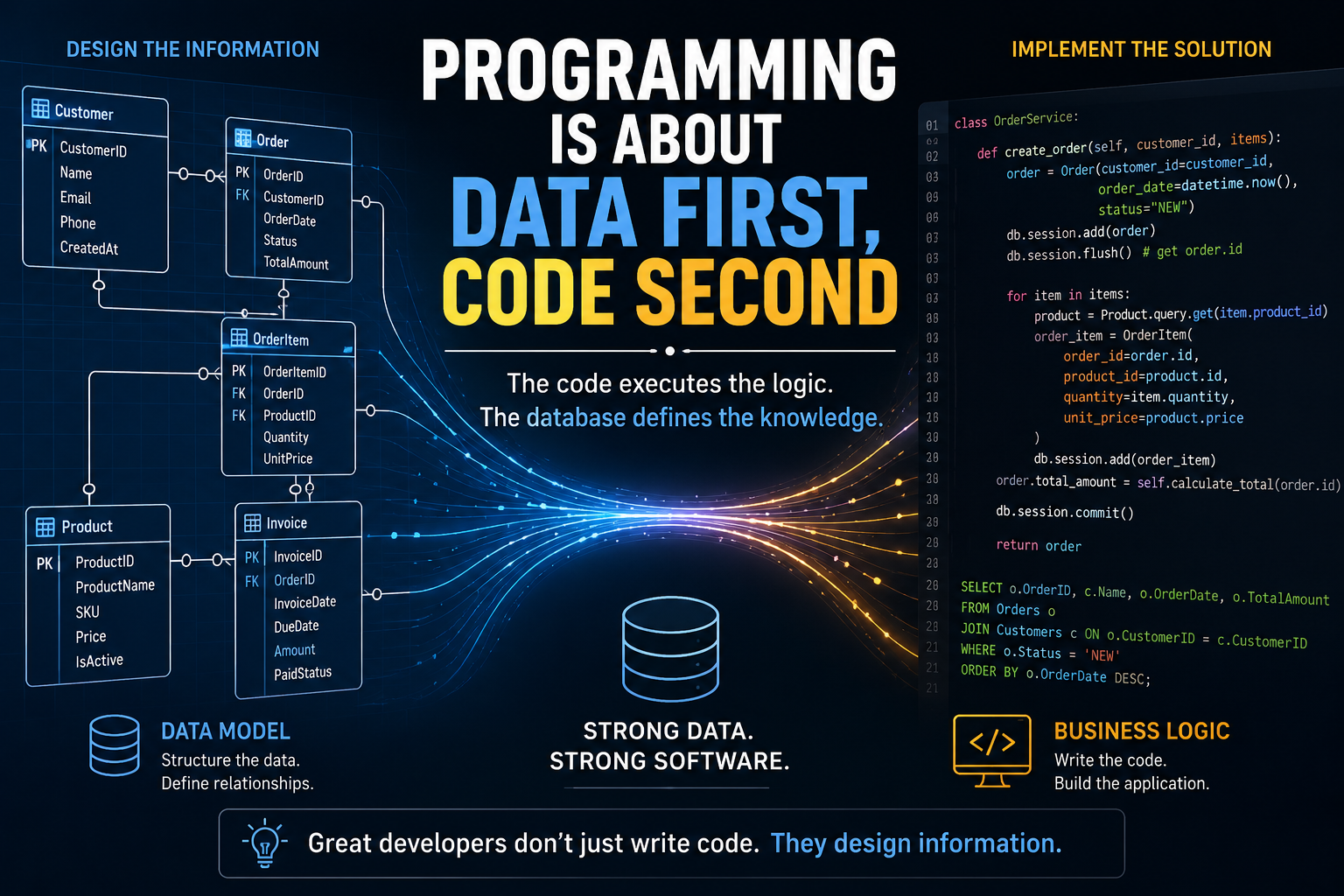
The truth is that most software applications exist to manage information.
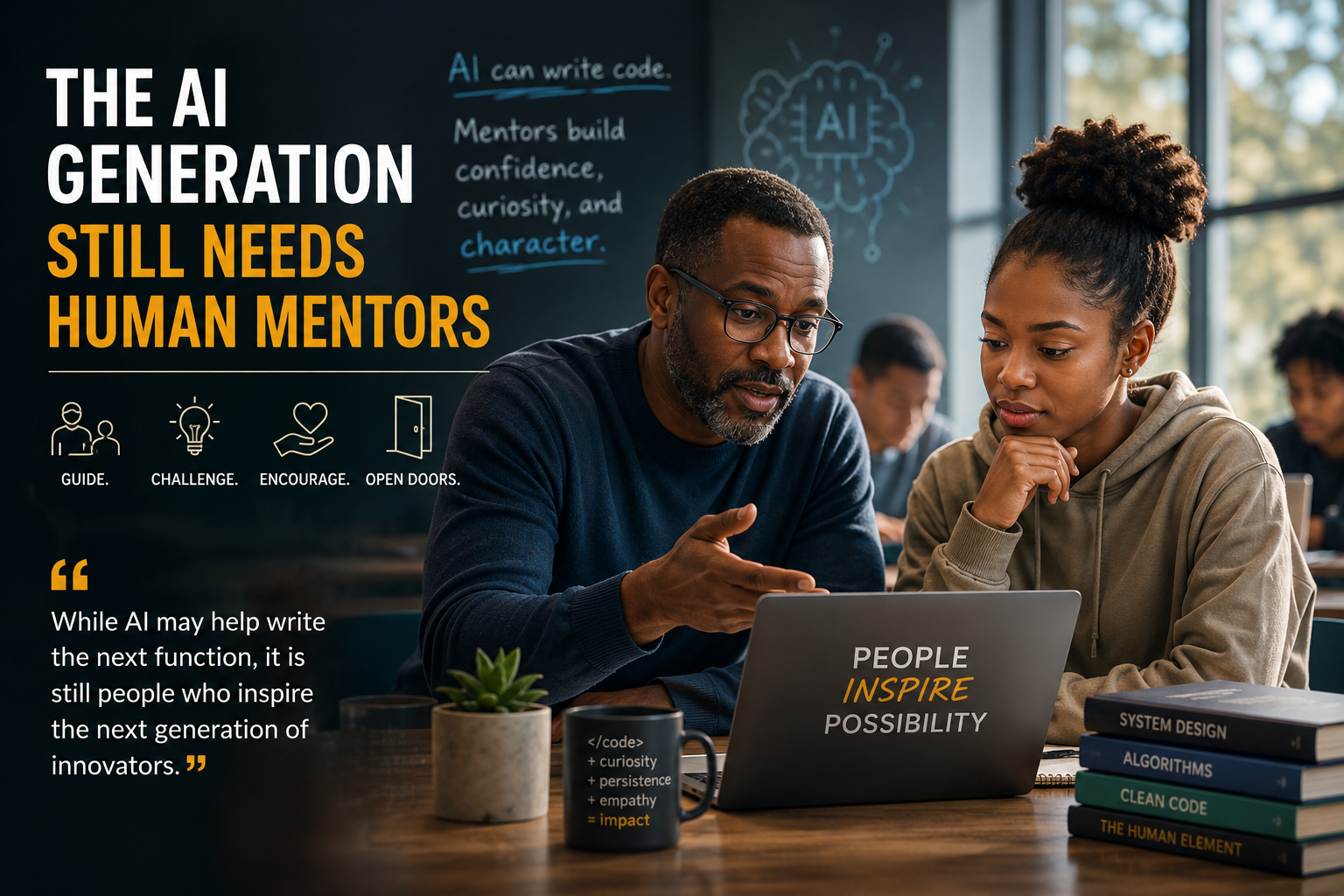
Artificial intelligence has become the newest member of nearly every software development team.
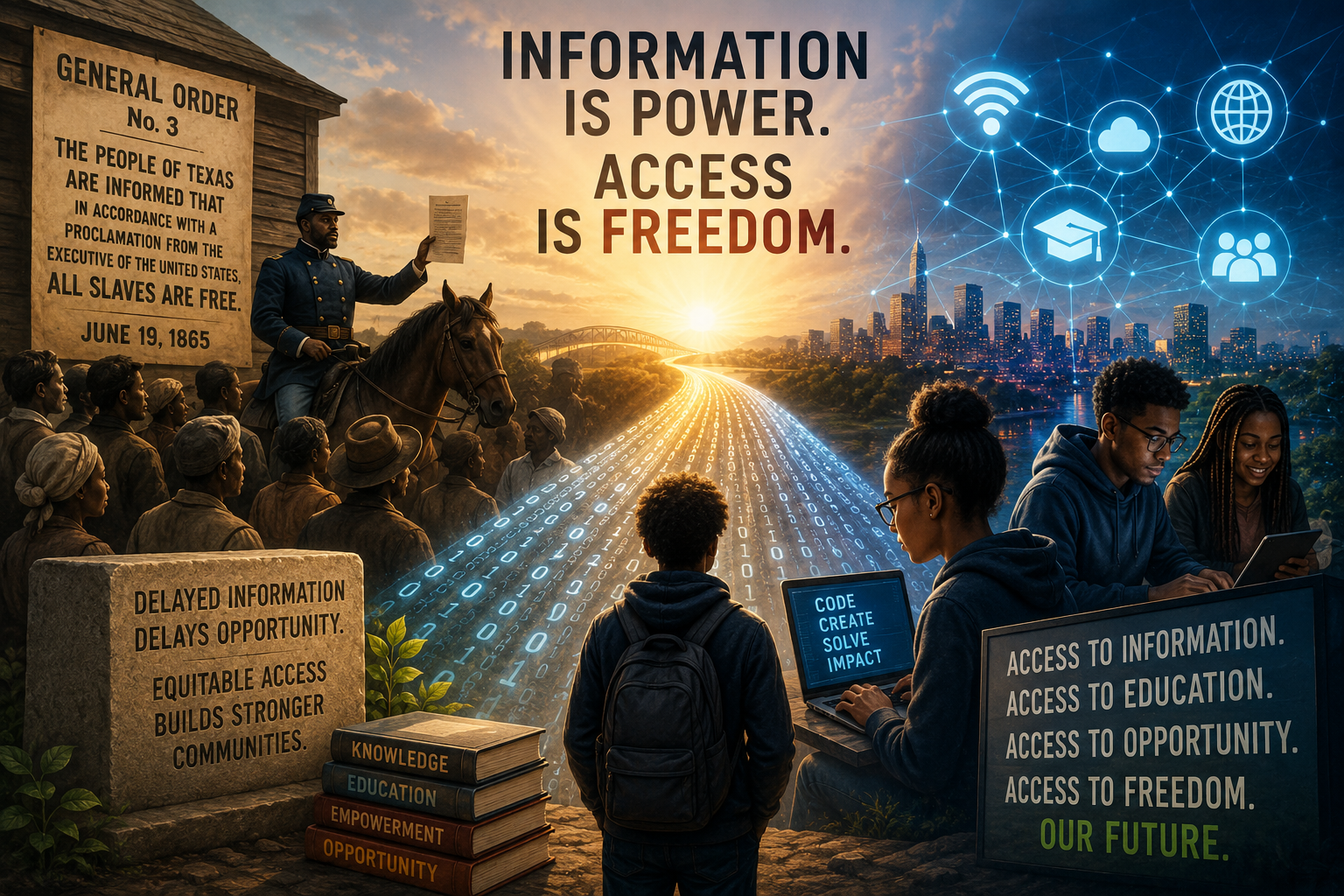
The true promise of computing is not found in the machines we build, but in the human potential we unlock when knowledge becomes accessible to everyone.

One of the reasons I value the MCT program so highly is that it represents more than technical knowledge.
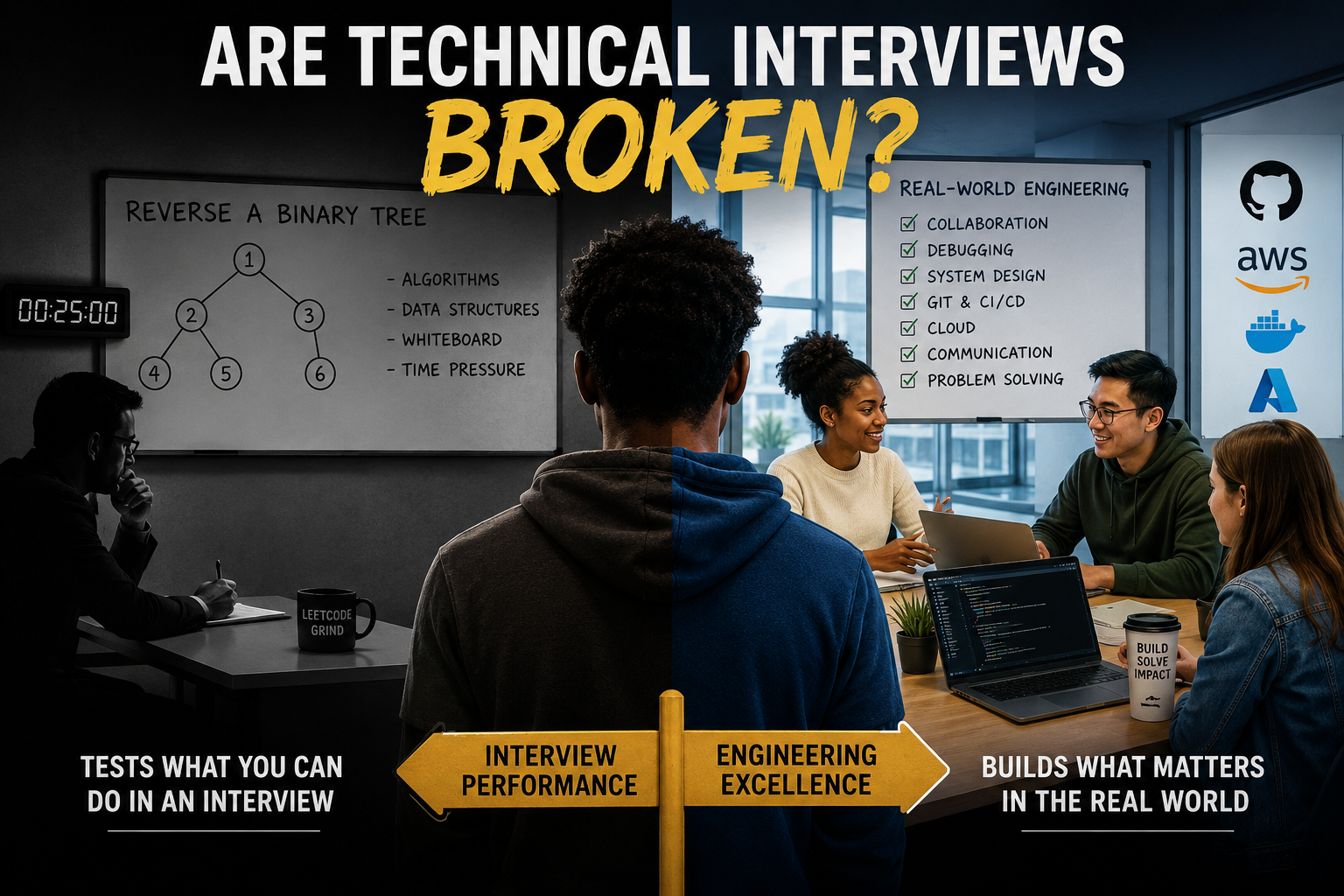
Software engineering is not simply coding.

Companies often promote the idea that technical skill alone determines success.
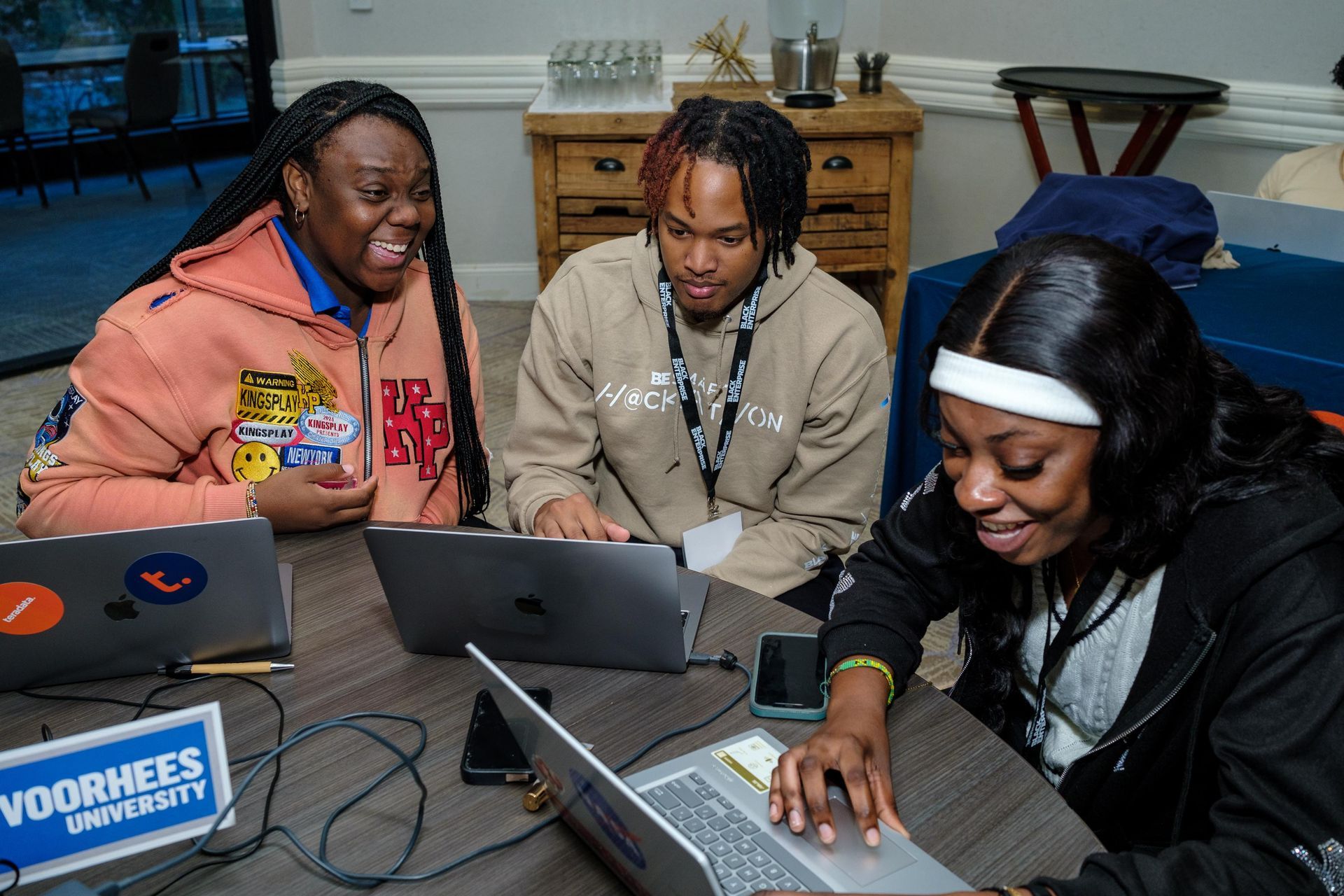
Hackathons also strengthen teamwork and communication skills.
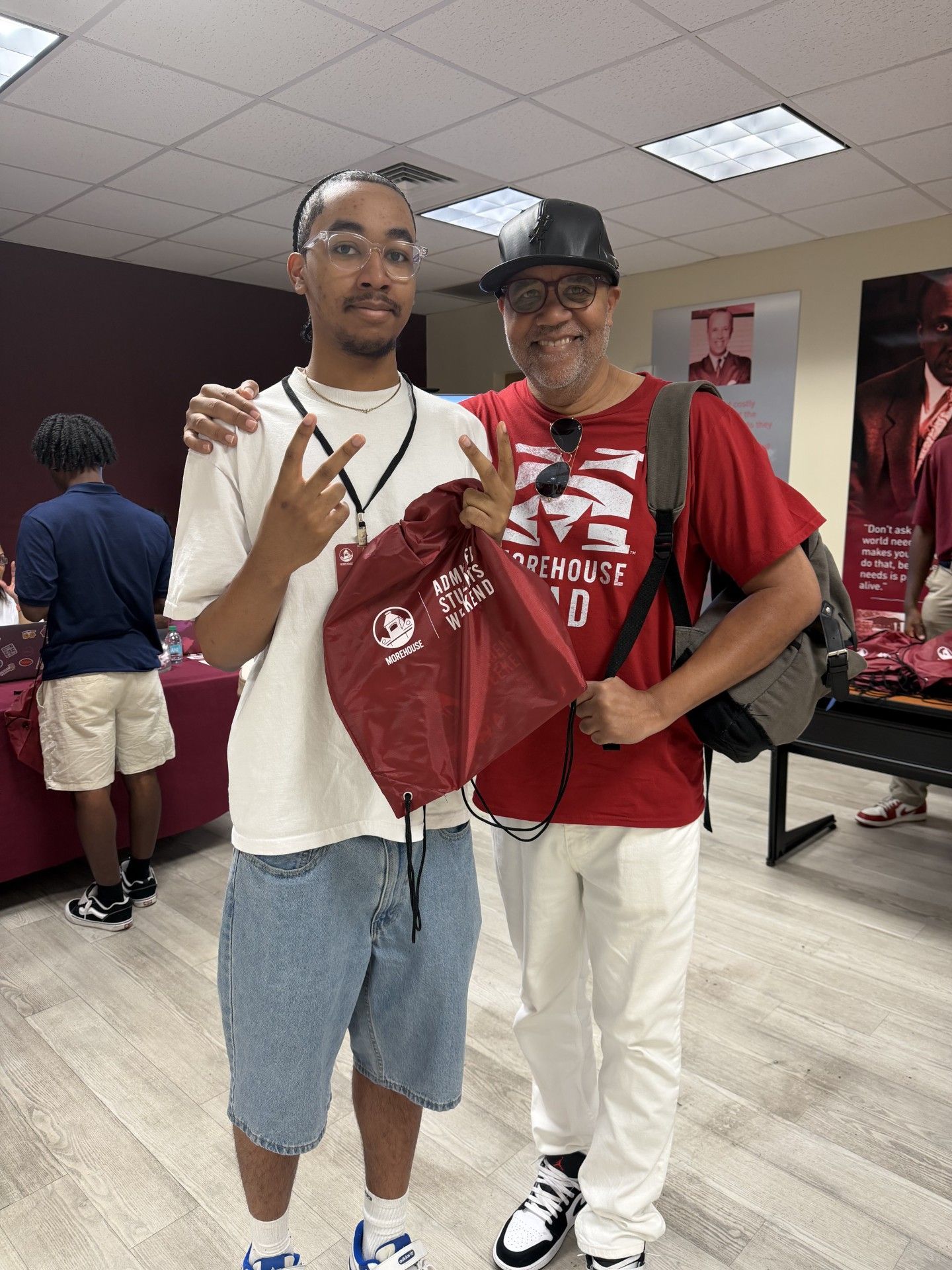
Stepping onto the campus of Morehouse College this past weekend for Admitted Students Day was more than a visit—it was a moment of reflection. As I watched young Black men walk with purpose across the yard, I found myself asking a simple but profound question: What would it have been like for me to study computer science here? My journey into computing was shaped in environments where I was often the only Black man in the room. That reality brings with it an unspoken weight—the need to prove you belong, the awareness of being watched, and sometimes, the quiet isolation that comes with underrepresentation. Standing at Morehouse, I realized that this burden is not a given. It is a condition of the environment. At Morehouse, the environment is different by design. Here, Black men are not anomalies—they are the standard. I imagined what it would feel like to learn algorithms, data structures, and software development in a space where my identity was not questioned but affirmed. Where excellence is expected, not in spite of who you are, but because of it. As a computer science professor, I understand the academic rigor required to succeed in this field. There is no shortcut through recursion, no bypass around debugging, no substitute for disciplined problem-solving. But what struck me during my visit is how much context matters. When students are free from the psychological burden of proving they belong, they can redirect that energy toward mastering the material. They can collaborate more openly, ask questions more freely, and take intellectual risks without fear. I also thought about legacy. At Morehouse, students walk the same grounds as Martin Luther King Jr.. That kind of history does something to a person. It raises the bar—not just academically, but personally. It invites students to see their education not just as a pathway to a career, but as preparation for impact. Leaving campus, I felt inspired—but also reflective. I cannot rewrite my journey, but I can appreciate what spaces like Morehouse offer the next generation. For a Black male pursuing computer science, it is more than a degree. It is an opportunity to develop skill, confidence, and identity in alignment. And that combination is powerful.