
Using Kwanzaa Principles to Inspire African Americans in Technology Careers
Dr. Kai Dupe • December 26, 2024
Kwanzaa is a cultural holiday rooted in African heritage and values.
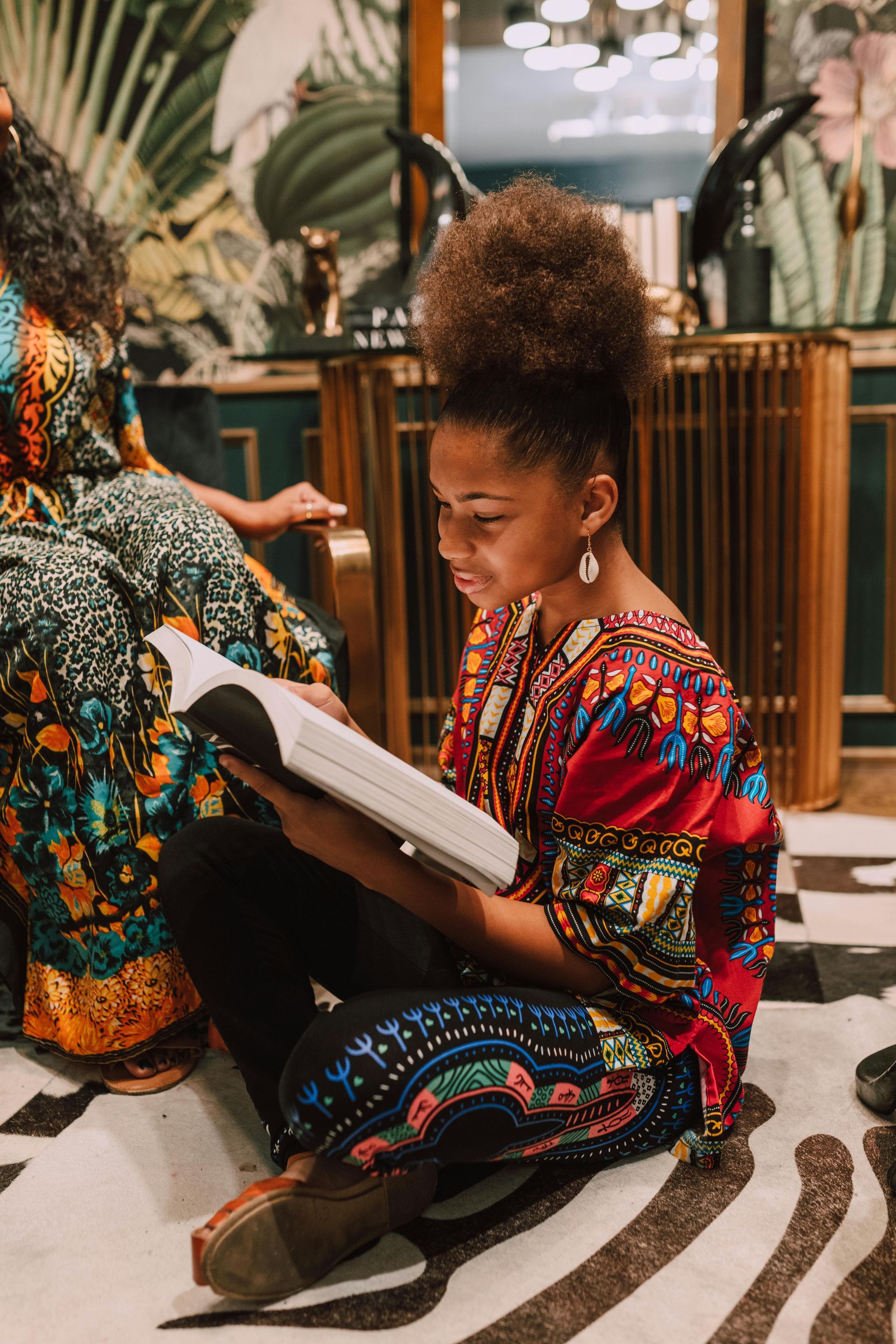
Kwanzaa, a cultural holiday rooted in African heritage and values, offers seven guiding principles known as the Nguzo Saba. These principles — Umoja (Unity), Kujichagulia (Self-Determination), Ujima (Collective Work and Responsibility), Ujamaa (Cooperative Economics), Nia (Purpose), Kuumba (Creativity), and Imani (Faith) — can provide a powerful framework for increasing African American participation in technology careers. Let’s explore how these principles can be applied to address underrepresentation and empower the community in the tech industry.
Umoja (Unity)
emphasizes the importance of collective effort. Building strong networks among African American technologists, mentors, and community organizations fosters collaboration and shared success. Unity within these groups creates a supportive ecosystem where individuals can thrive and share resources.
Kujichagulia (Self-Determination)
encourages individuals to define their own paths and overcome systemic barriers. By promoting self-empowerment and agency, aspiring technologists can take charge of their education and career development. Programs that celebrate African American achievements in tech can inspire confidence and perseverance.
Ujima (Collective Work and Responsibility)
highlights the need for community-driven solutions to challenges such as the digital divide and limited access to STEM education. Working together, communities can create initiatives to provide resources, mentorship, and training to prepare more individuals for technology careers.
Ujamaa (Cooperative Economics)
focuses on economic collaboration. Supporting Black-owned tech startups and investing in technology education programs within African American communities helps build a sustainable pipeline of talent and entrepreneurship. This principle also promotes reinvestment in the community to create long-term opportunities.
Nia (Purpose)
reminds individuals and communities to align their goals with a broader mission. Highlighting role models and showcasing how technology can drive social change can inspire African Americans to pursue meaningful careers in tech, guided by a sense of purpose and contribution.
Kuumba (Creativity)
encourages innovative approaches to making STEM education and technology careers more accessible. Creative outreach strategies, such as gamified learning or community hackathons, can spark interest and engagement among young people.
Finally, Imani (Faith)
fosters belief in the abilities of African Americans to excel in technology. Celebrating achievements and cultivating confidence within the community can inspire the next generation to envision themselves as leaders in the tech world.
By embracing and integrating these principles into targeted initiatives and everyday actions, the African American community can strengthen its presence in the technology sector. This holistic approach not only uplifts individuals but also empowers the community to thrive in a rapidly evolving digital world.
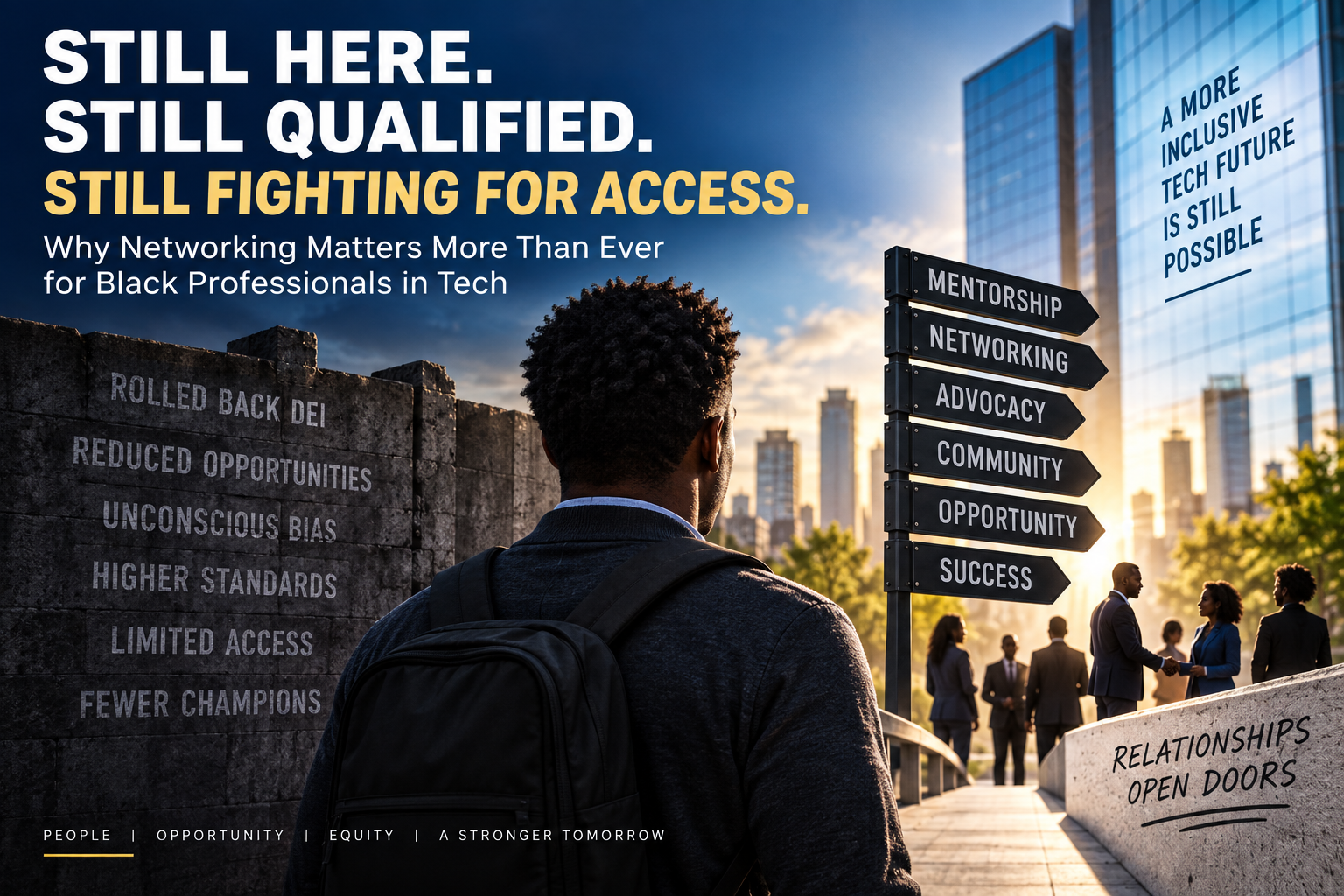
A mentor gives you advice. A sponsor creates opportunities.
Representation alone will not solve the persistent racial disparities in computing.
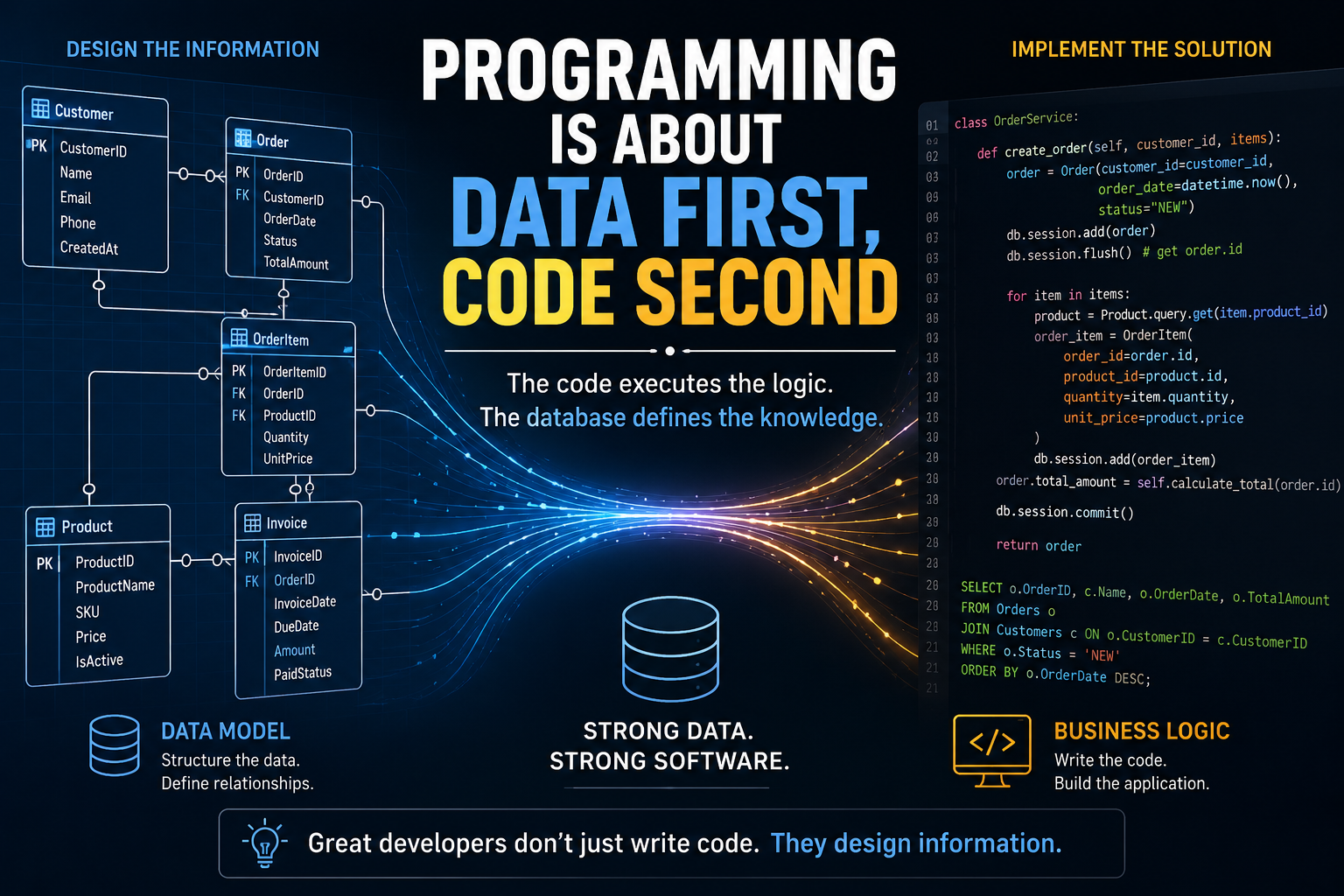
The truth is that most software applications exist to manage information.
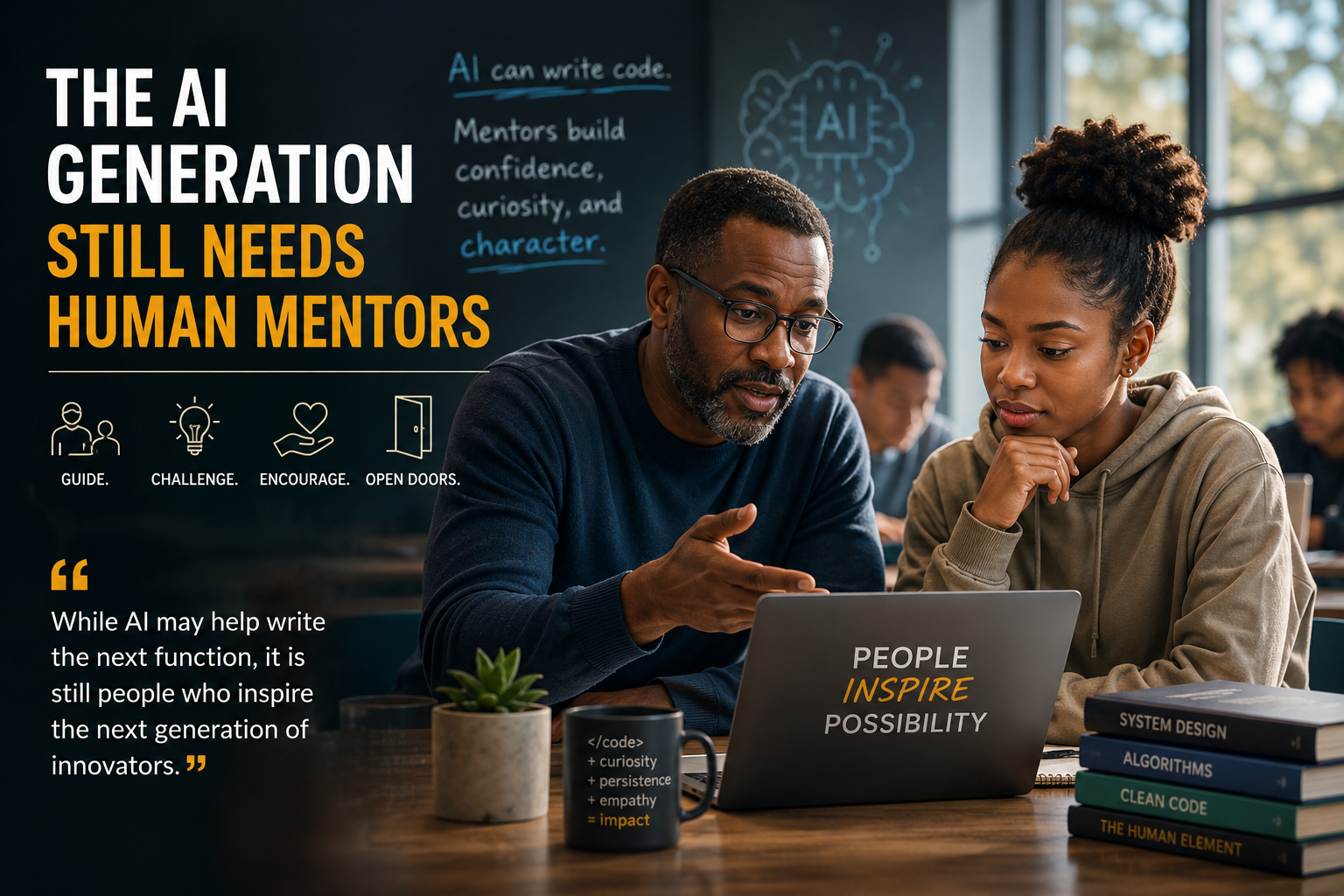
Artificial intelligence has become the newest member of nearly every software development team.
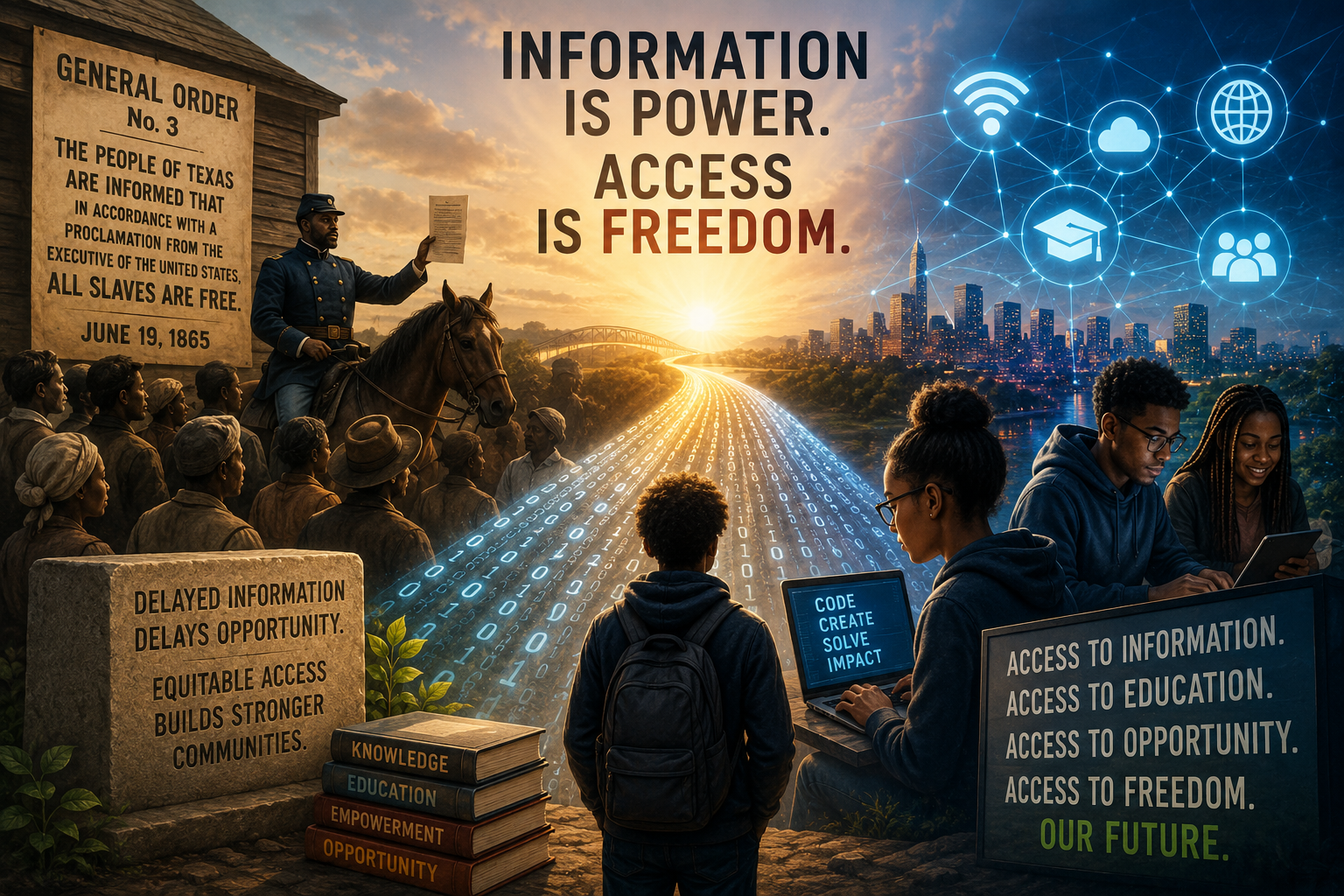
The true promise of computing is not found in the machines we build, but in the human potential we unlock when knowledge becomes accessible to everyone.

One of the reasons I value the MCT program so highly is that it represents more than technical knowledge.
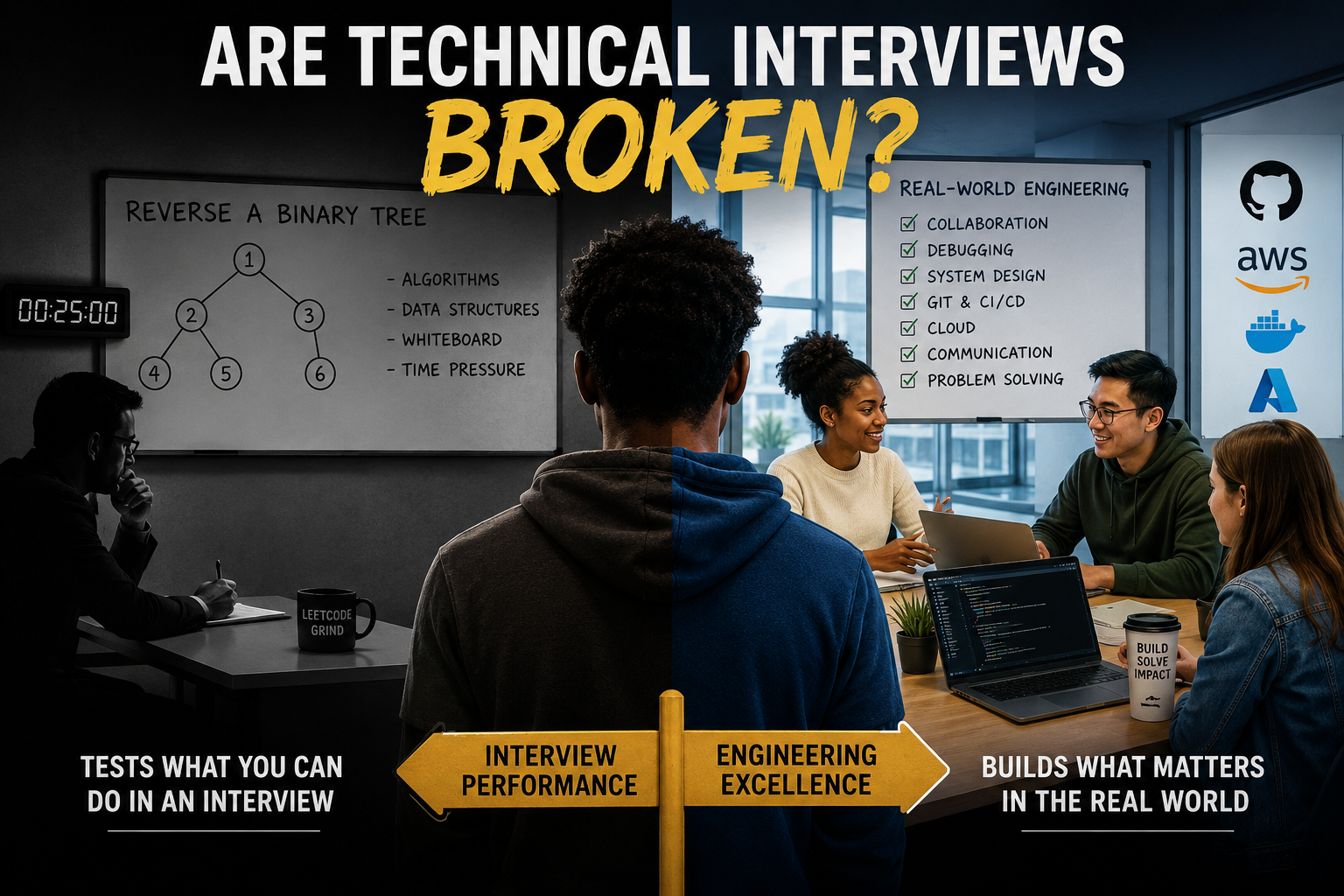
Software engineering is not simply coding.

Companies often promote the idea that technical skill alone determines success.
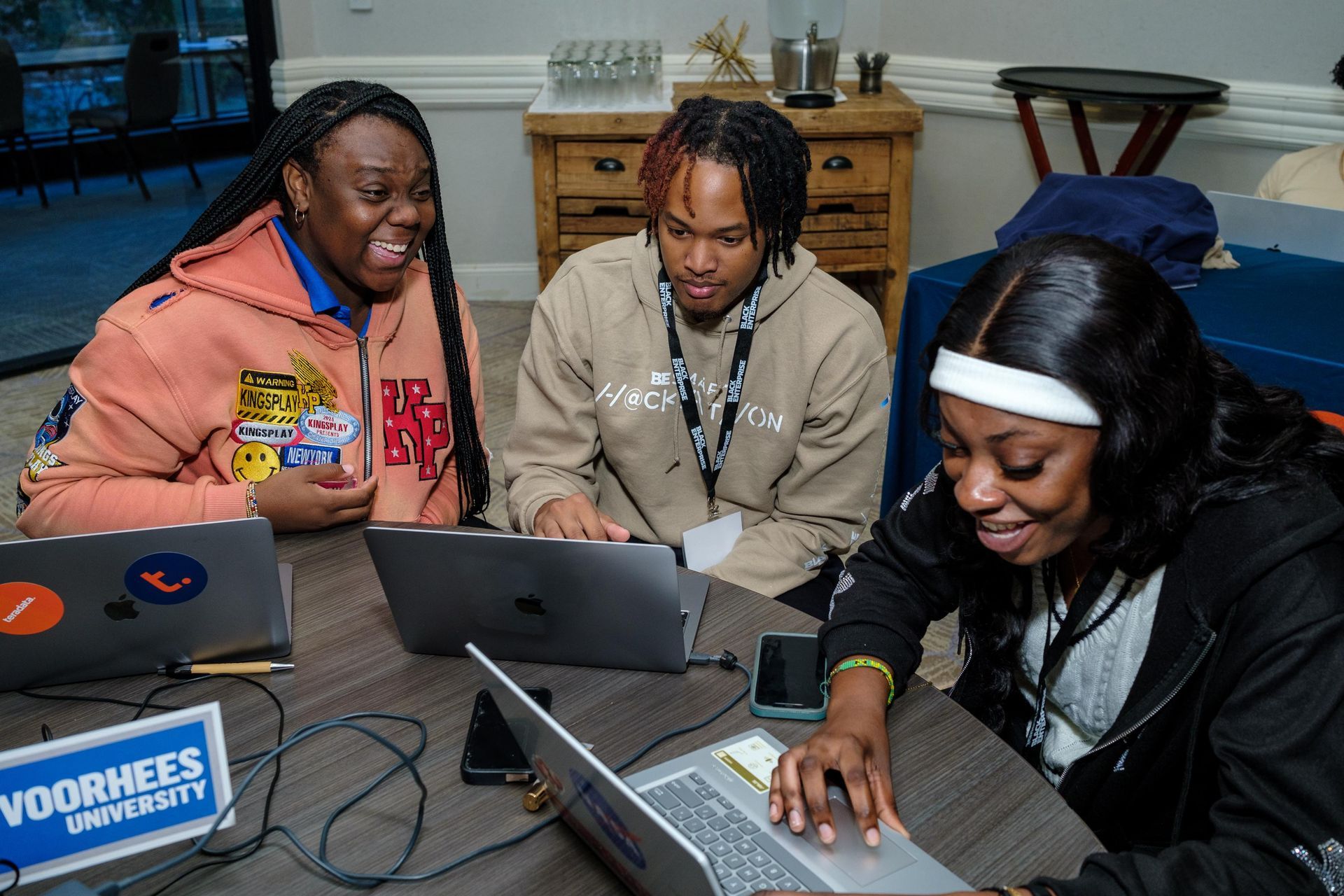
Hackathons also strengthen teamwork and communication skills.
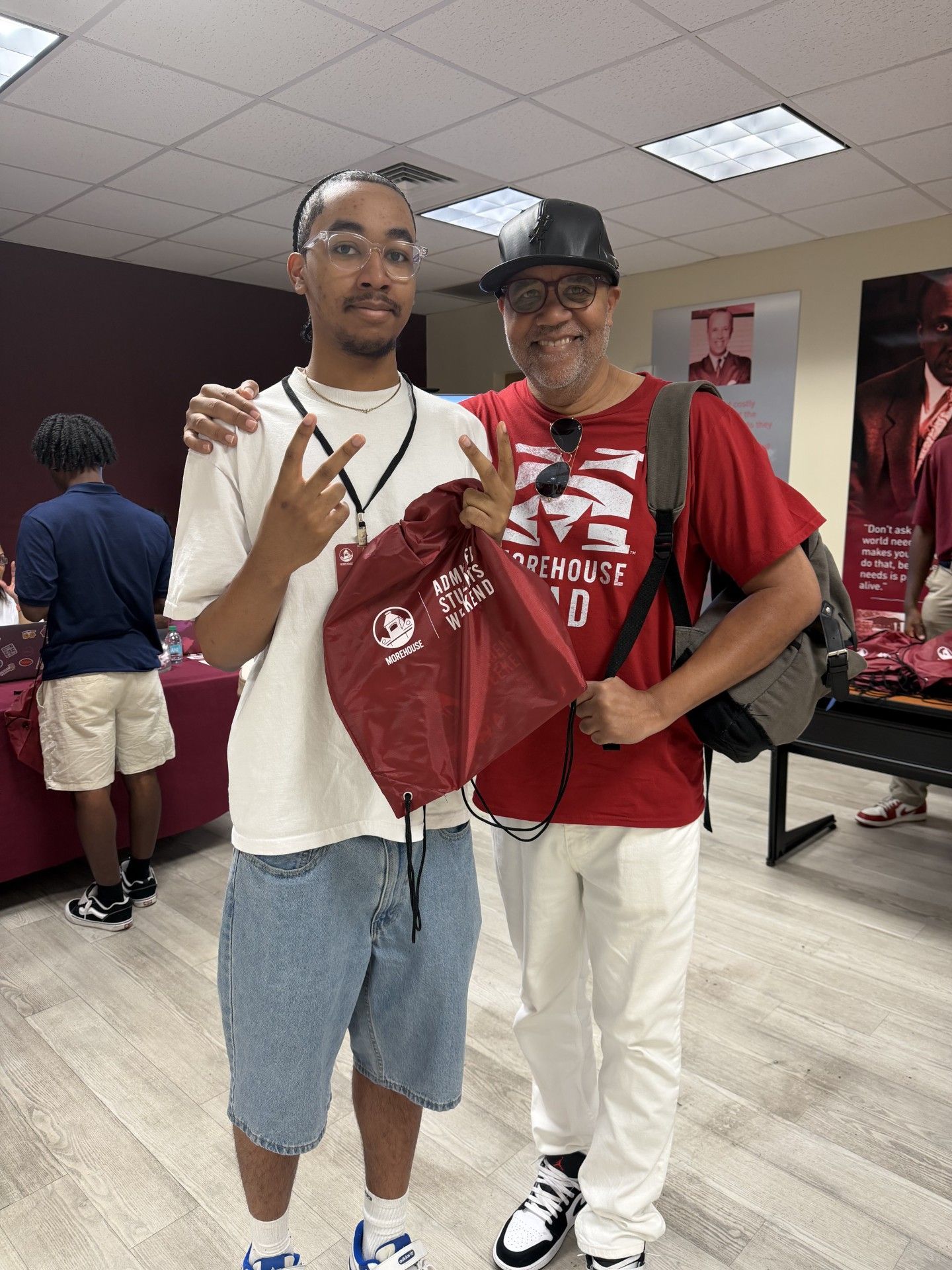
Stepping onto the campus of Morehouse College this past weekend for Admitted Students Day was more than a visit—it was a moment of reflection. As I watched young Black men walk with purpose across the yard, I found myself asking a simple but profound question: What would it have been like for me to study computer science here? My journey into computing was shaped in environments where I was often the only Black man in the room. That reality brings with it an unspoken weight—the need to prove you belong, the awareness of being watched, and sometimes, the quiet isolation that comes with underrepresentation. Standing at Morehouse, I realized that this burden is not a given. It is a condition of the environment. At Morehouse, the environment is different by design. Here, Black men are not anomalies—they are the standard. I imagined what it would feel like to learn algorithms, data structures, and software development in a space where my identity was not questioned but affirmed. Where excellence is expected, not in spite of who you are, but because of it. As a computer science professor, I understand the academic rigor required to succeed in this field. There is no shortcut through recursion, no bypass around debugging, no substitute for disciplined problem-solving. But what struck me during my visit is how much context matters. When students are free from the psychological burden of proving they belong, they can redirect that energy toward mastering the material. They can collaborate more openly, ask questions more freely, and take intellectual risks without fear. I also thought about legacy. At Morehouse, students walk the same grounds as Martin Luther King Jr.. That kind of history does something to a person. It raises the bar—not just academically, but personally. It invites students to see their education not just as a pathway to a career, but as preparation for impact. Leaving campus, I felt inspired—but also reflective. I cannot rewrite my journey, but I can appreciate what spaces like Morehouse offer the next generation. For a Black male pursuing computer science, it is more than a degree. It is an opportunity to develop skill, confidence, and identity in alignment. And that combination is powerful.