Reprogramming Perceptions: How Stereotypes in Tech Keep Diversity Out

Dr. Kai Dupe • November 30, 2024

Studies reveal that representation matters

The image of computing has long been shaped by narrow stereotypes and exclusivity, deterring many, particularly minorities, from pursuing careers in technology. Research and data consistently show how this perception, reinforced by media, workplace culture, and systemic barriers, creates significant hurdles for those who don’t fit the stereotypical mold of a tech professional.


Studies reveal that representation matters. A Kapor Center report found that underrepresented minorities in tech are 2.5 times more likely to leave their jobs due to workplace culture compared to their peers. The lack of visible minority role models exacerbates this issue. According to the 2023 Diversity in Tech report by McKinsey, minorities hold only 5% of technical roles in leading tech companies, despite making up 31% of the U.S. population. This glaring disparity reinforces the stereotype that computing is a field dominated by white men, making it harder for minorities to envision themselves thriving in this space.


Educational disparities further contribute to the issue. Research from the National Science Foundation highlights that underserved schools, which disproportionately serve Black and Latino students, offer fewer advanced computing courses and extracurricular programs. This lack of access to early exposure creates a pipeline problem, limiting minorities’ chances of developing interest or skills in tech.  Even when minorities break into the field, cultural and social challenges remain. A 2017 Tech Leavers Study found that 37% of individuals leaving tech jobs cited unfair treatment as their primary reason, with women and people of color disproportionately affected. Experiences of microaggressions and exclusion lead to higher turnover, perpetuating the image of tech as an exclusive, unwelcoming field.


Addressing this requires intentional efforts. Increasing visibility of diverse role models is crucial; for example, initiatives like Black Girls Code have successfully introduced computing to thousands of young Black girls, challenging stereotypes about who belongs in tech. Inclusive workplace policies and mentorship programs can also create environments where diversity is valued and supported.  By diversifying representation and fostering inclusion, we can change the narrative around computing. Research shows that diverse teams outperform homogeneous ones, driving innovation and profitability. When people from all backgrounds see themselves reflected in the field, the image of computing can shift from exclusivity to accessibility, inspiring a new generation of innovators to thrive in technology.

By Dr. Kai Dupe September 18, 2026
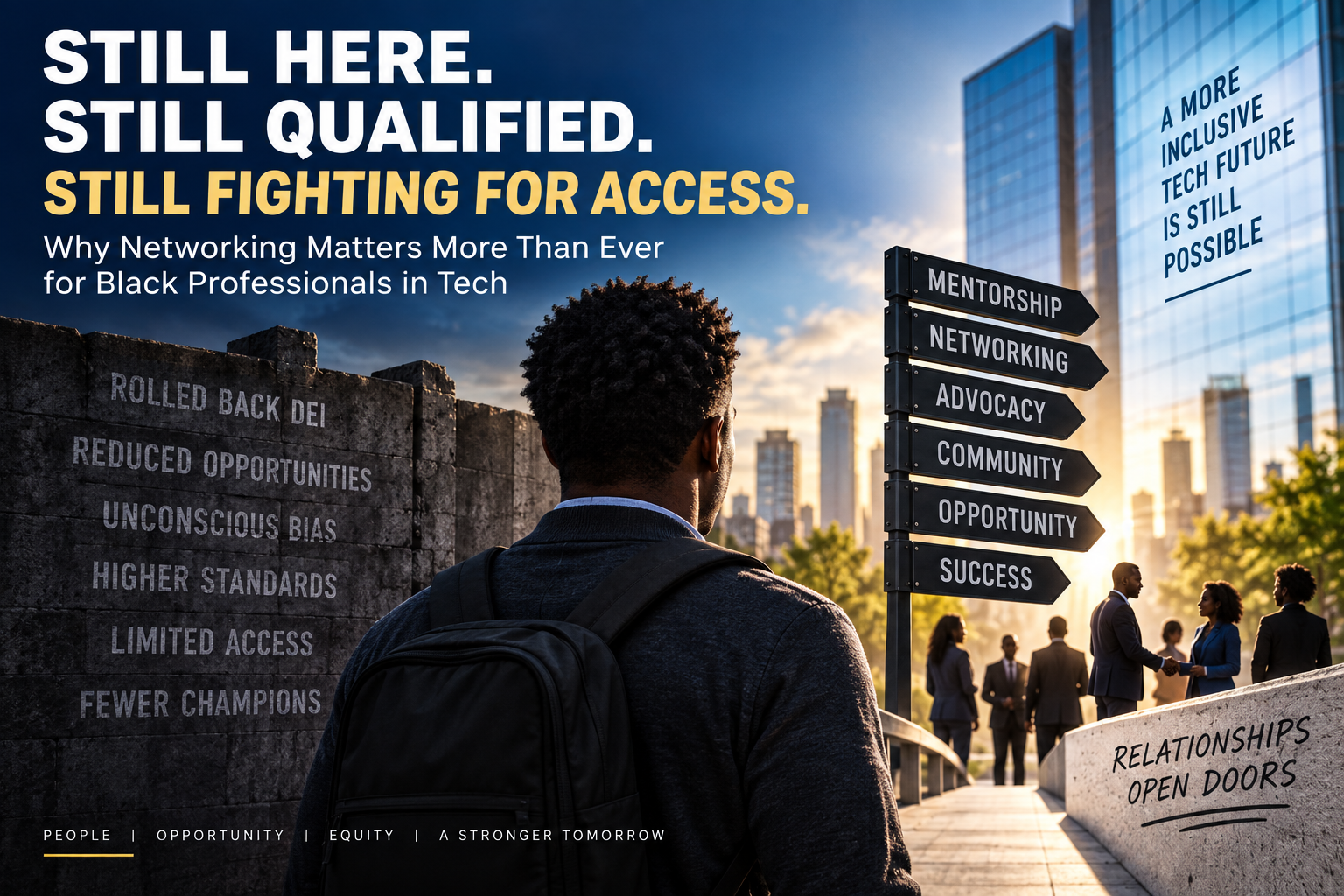
A mentor gives you advice. A sponsor creates opportunities.
By Dr. Kai Dupe August 20, 2026
Representation alone will not solve the persistent racial disparities in computing.
By Dr. Kai Dupe July 28, 2026
The truth is that most software applications exist to manage information.
By Dr. Kai Dupe July 1, 2026
Artificial intelligence has become the newest member of nearly every software development team.
By Dr. Kai Dupe June 17, 2026
The true promise of computing is not found in the machines we build, but in the human potential we unlock when knowledge becomes accessible to everyone.
By Dr. Kai Dupe June 3, 2026
One of the reasons I value the MCT program so highly is that it represents more than technical knowledge.
By Dr. Kai Dupe May 22, 2026
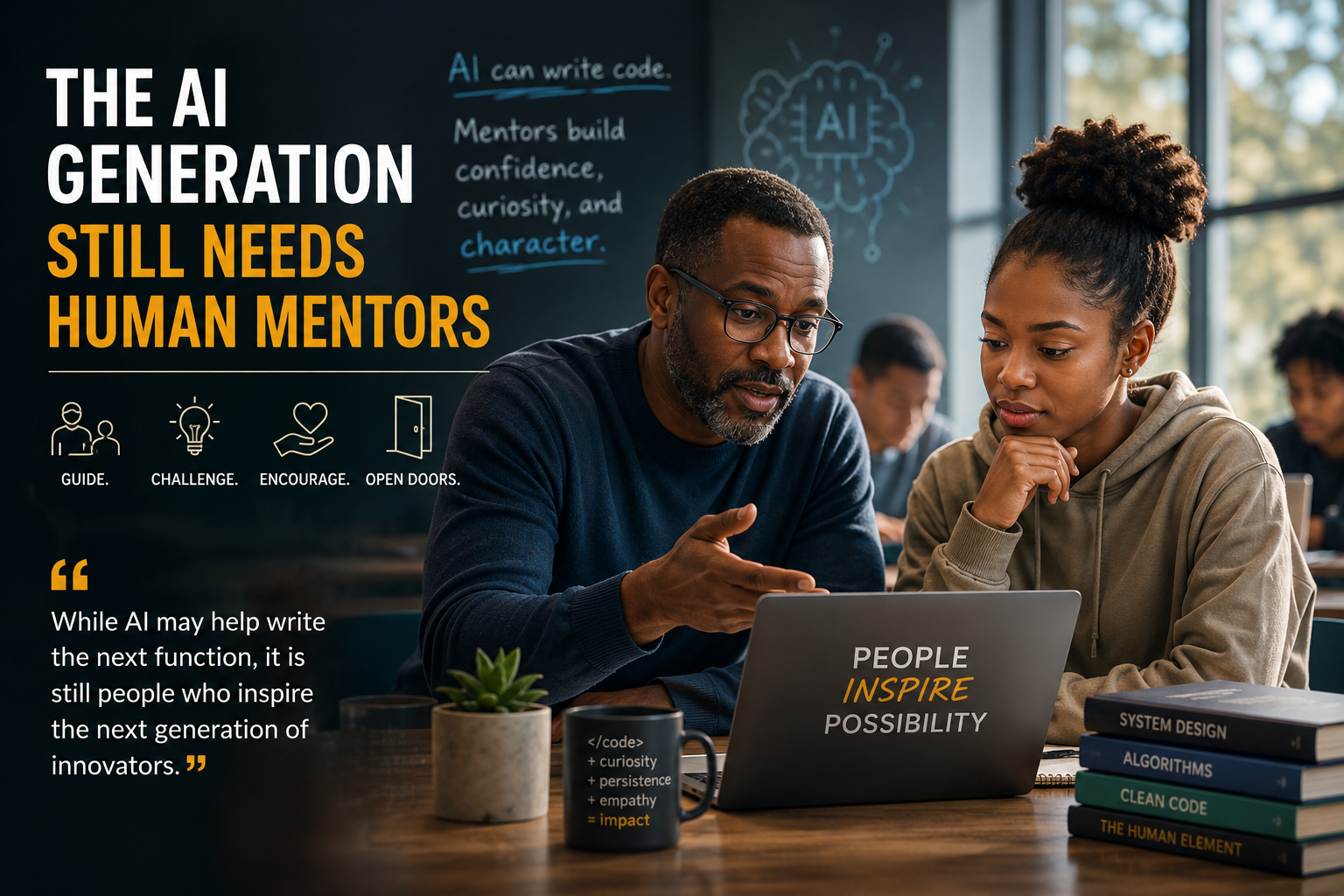
Software engineering is not simply coding.
By Dr. Kai Dupe May 15, 2026
Companies often promote the idea that technical skill alone determines success.
By Dr. Kai Dupe May 3, 2026
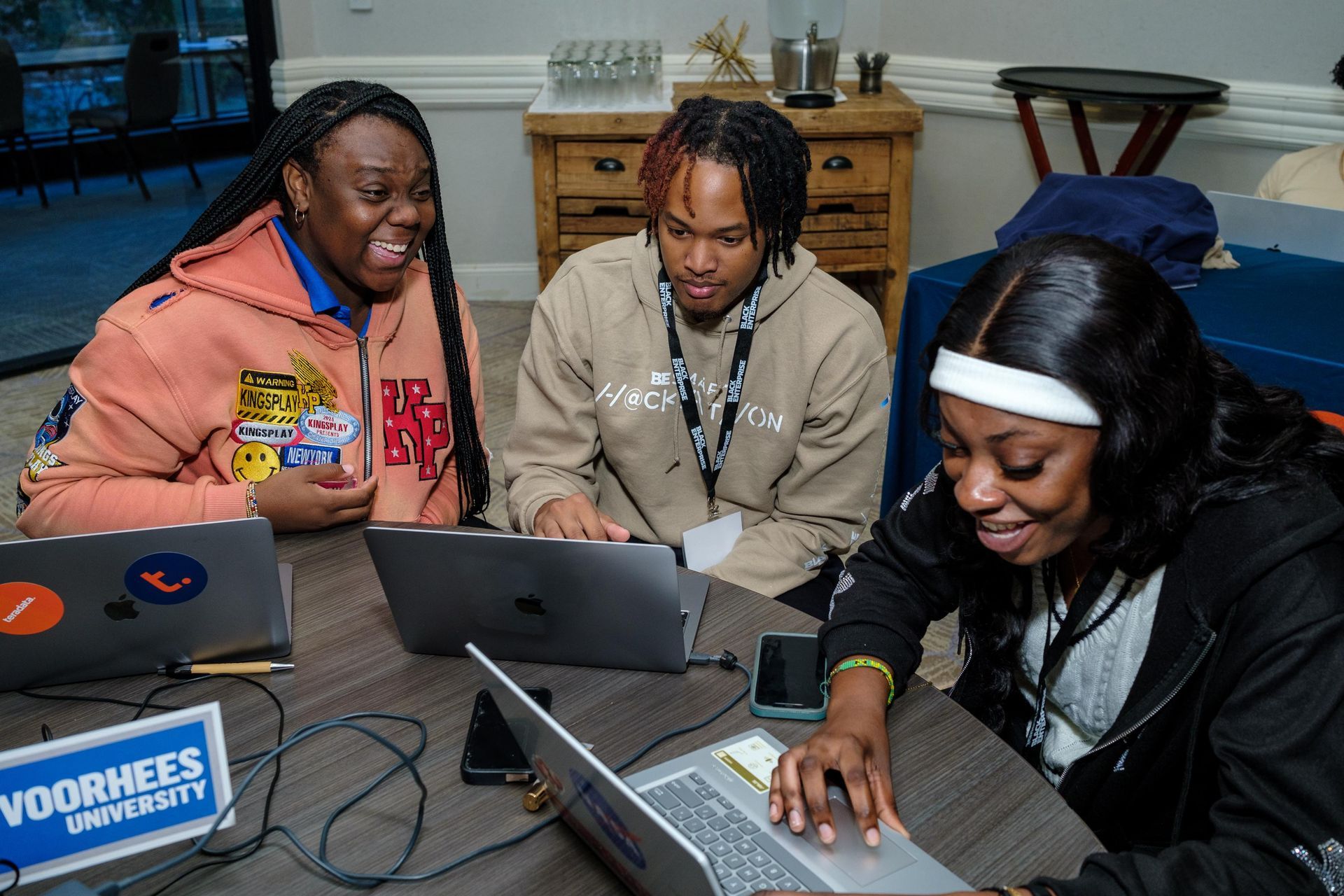
Hackathons also strengthen teamwork and communication skills.
By Dr. Kai Dupe April 22, 2026
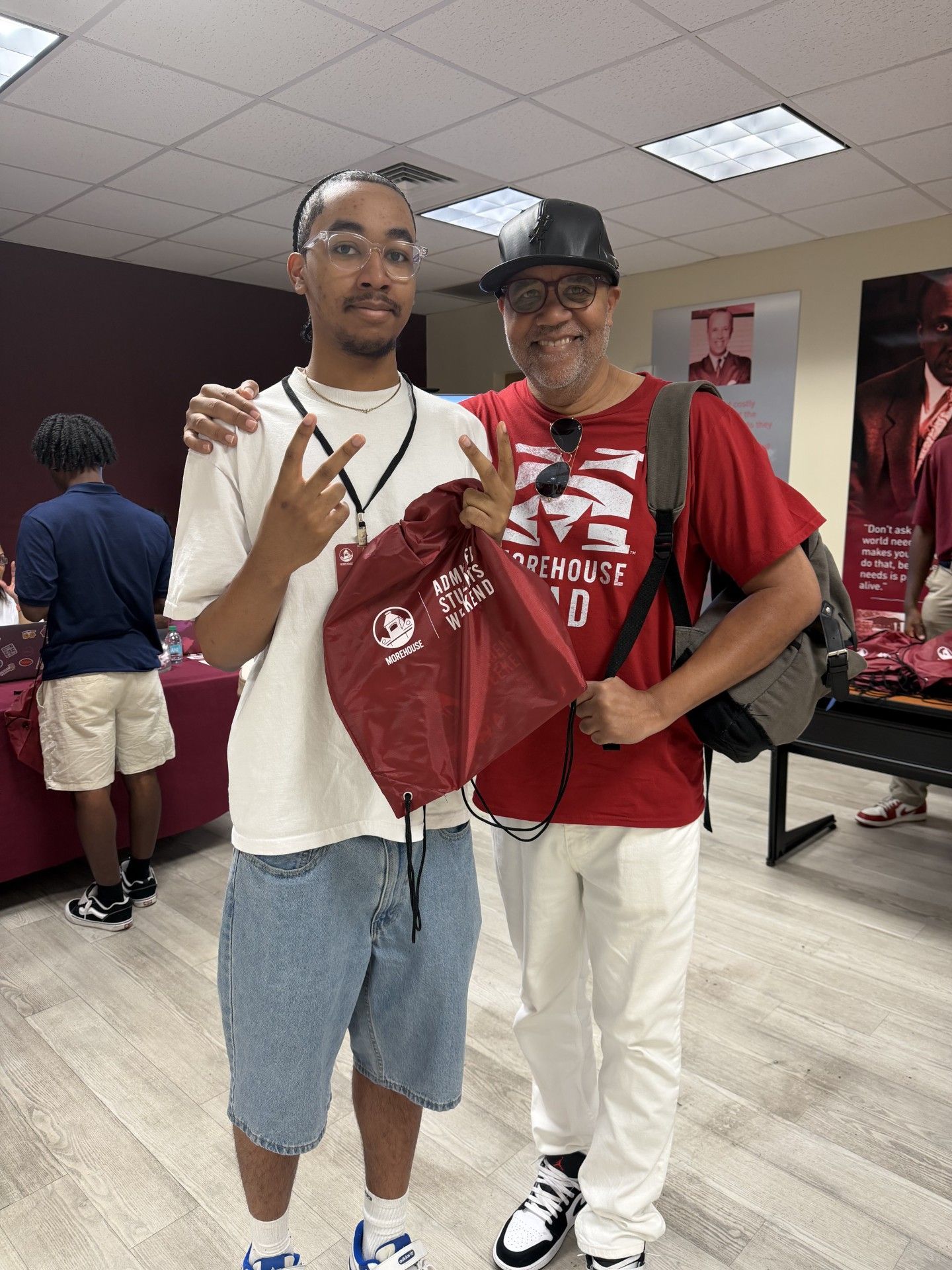
Stepping onto the campus of Morehouse College this past weekend for Admitted Students Day was more than a visit—it was a moment of reflection. As I watched young Black men walk with purpose across the yard, I found myself asking a simple but profound question: What would it have been like for me to study computer science here? My journey into computing was shaped in environments where I was often the only Black man in the room. That reality brings with it an unspoken weight—the need to prove you belong, the awareness of being watched, and sometimes, the quiet isolation that comes with underrepresentation. Standing at Morehouse, I realized that this burden is not a given. It is a condition of the environment. At Morehouse, the environment is different by design. Here, Black men are not anomalies—they are the standard. I imagined what it would feel like to learn algorithms, data structures, and software development in a space where my identity was not questioned but affirmed. Where excellence is expected, not in spite of who you are, but because of it. As a computer science professor, I understand the academic rigor required to succeed in this field. There is no shortcut through recursion, no bypass around debugging, no substitute for disciplined problem-solving. But what struck me during my visit is how much context matters. When students are free from the psychological burden of proving they belong, they can redirect that energy toward mastering the material. They can collaborate more openly, ask questions more freely, and take intellectual risks without fear. I also thought about legacy. At Morehouse, students walk the same grounds as Martin Luther King Jr.. That kind of history does something to a person. It raises the bar—not just academically, but personally. It invites students to see their education not just as a pathway to a career, but as preparation for impact. Leaving campus, I felt inspired—but also reflective. I cannot rewrite my journey, but I can appreciate what spaces like Morehouse offer the next generation. For a Black male pursuing computer science, it is more than a degree. It is an opportunity to develop skill, confidence, and identity in alignment. And that combination is powerful.