The Value of Experience: Why Software Development Managers Should Be Developers First

Dr. Kai Dupe • November 25, 2024

In the world of software development, strong leadership is as critical as technical skill.

In the world of software development, strong leadership is as critical as technical skill. However, not all leadership is created equal. Managers with hands-on experience as developers bring unique advantages to the table that can elevate team performance, foster innovation, and ensure project success. Conversely, managers without this experience often struggle to connect with their teams or make sound technical decisions, ultimately hindering progress.


One of the most significant benefits of having a software development manager with development experience is their ability to understand the intricacies of the work. Software development is complex, requiring deep problem-solving and creative thinking. A manager who has navigated codebases, debugged thorny issues, or worked under tight deadlines knows the challenges their team faces. This understanding helps them set realistic expectations, empathize with their team’s struggles, and offer actionable guidance when problems arise.

Additionally, experienced developer-managers can communicate effectively with both technical and non-technical stakeholders. They act as a bridge, translating technical complexities into terms business leaders can understand while protecting their teams from unrealistic demands. Without this fluency, managers risk either over-promising deliverables or underutilizing their teams’ capabilities.


On the other hand, managers without a development background often lack credibility with their teams. Developers are quick to recognize when their leader doesn't understand the fundamentals of the craft. This gap can lead to frustration, mistrust, and disengagement. Teams might feel micromanaged or undervalued if they perceive their manager’s decisions as uninformed or disconnected from the realities of the work.

Moreover, technical expertise empowers managers to lead by example. When challenges arise, they can roll up their sleeves, troubleshoot issues, or provide mentorship. This not only reinforces their authority but also builds trust and morale among team members. Managers without development experience often miss these opportunities, leaving their teams without the critical support they need during crunch times.


This isn’t to say that non-technical managers are incapable of success, but the learning curve is steep. Effective software development management requires more than interpersonal skills; it demands an intimate understanding of the craft itself. Managers with development experience bring this knowledge to the role, enabling them to lead with insight, empathy, and effectiveness.  In the end, a manager who has been a developer isn’t just a boss—they’re a partner who understands the journey, making them invaluable to any software team striving for excellence.
By Dr. Kai Dupe September 18, 2026
A mentor gives you advice. A sponsor creates opportunities.
By Dr. Kai Dupe August 20, 2026
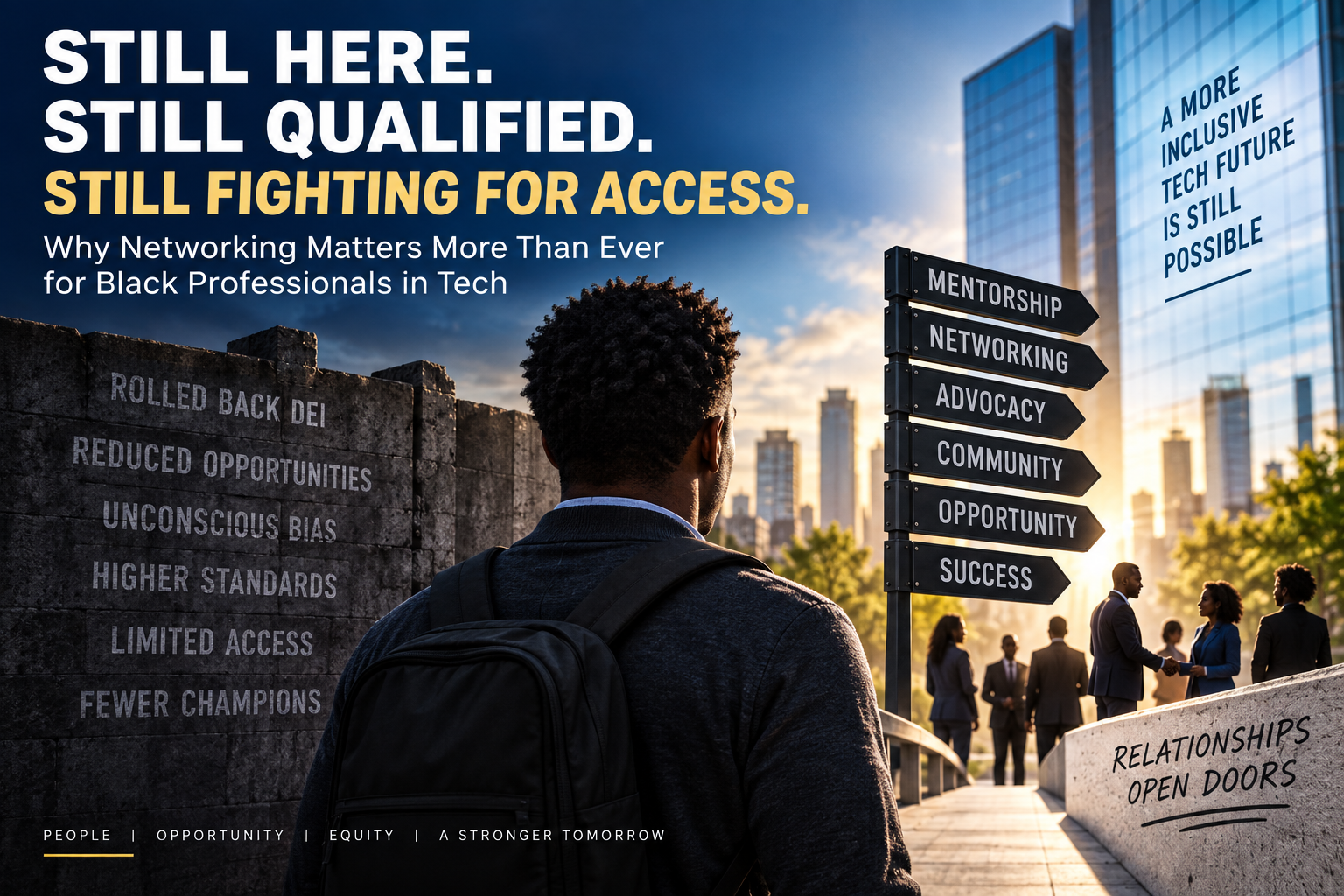
Representation alone will not solve the persistent racial disparities in computing.
By Dr. Kai Dupe July 28, 2026
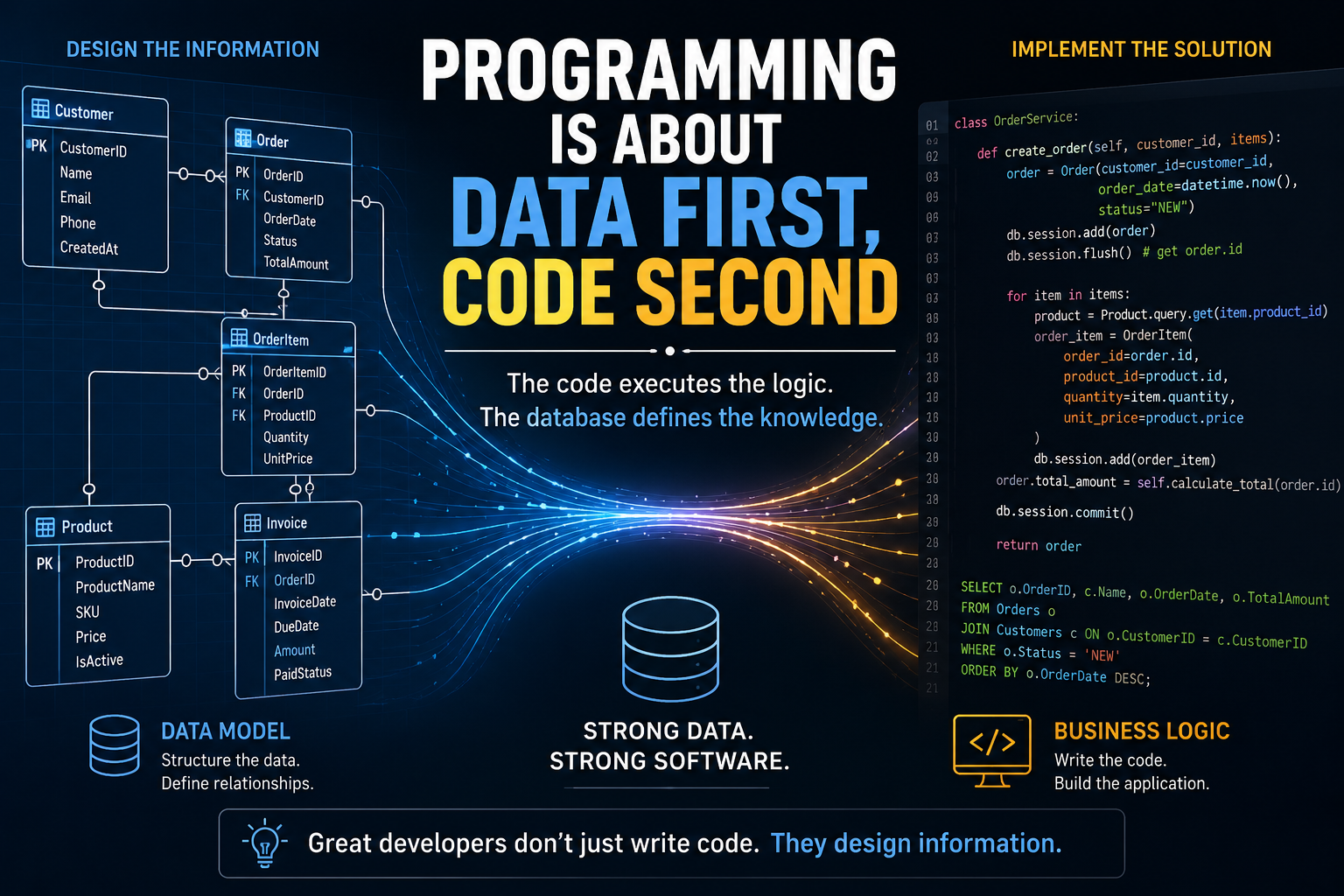
The truth is that most software applications exist to manage information.
By Dr. Kai Dupe July 1, 2026
Artificial intelligence has become the newest member of nearly every software development team.
By Dr. Kai Dupe June 17, 2026
The true promise of computing is not found in the machines we build, but in the human potential we unlock when knowledge becomes accessible to everyone.
By Dr. Kai Dupe June 3, 2026
One of the reasons I value the MCT program so highly is that it represents more than technical knowledge.
By Dr. Kai Dupe May 22, 2026
Software engineering is not simply coding.
By Dr. Kai Dupe May 15, 2026
Companies often promote the idea that technical skill alone determines success.
By Dr. Kai Dupe May 3, 2026
Hackathons also strengthen teamwork and communication skills.
By Dr. Kai Dupe April 22, 2026
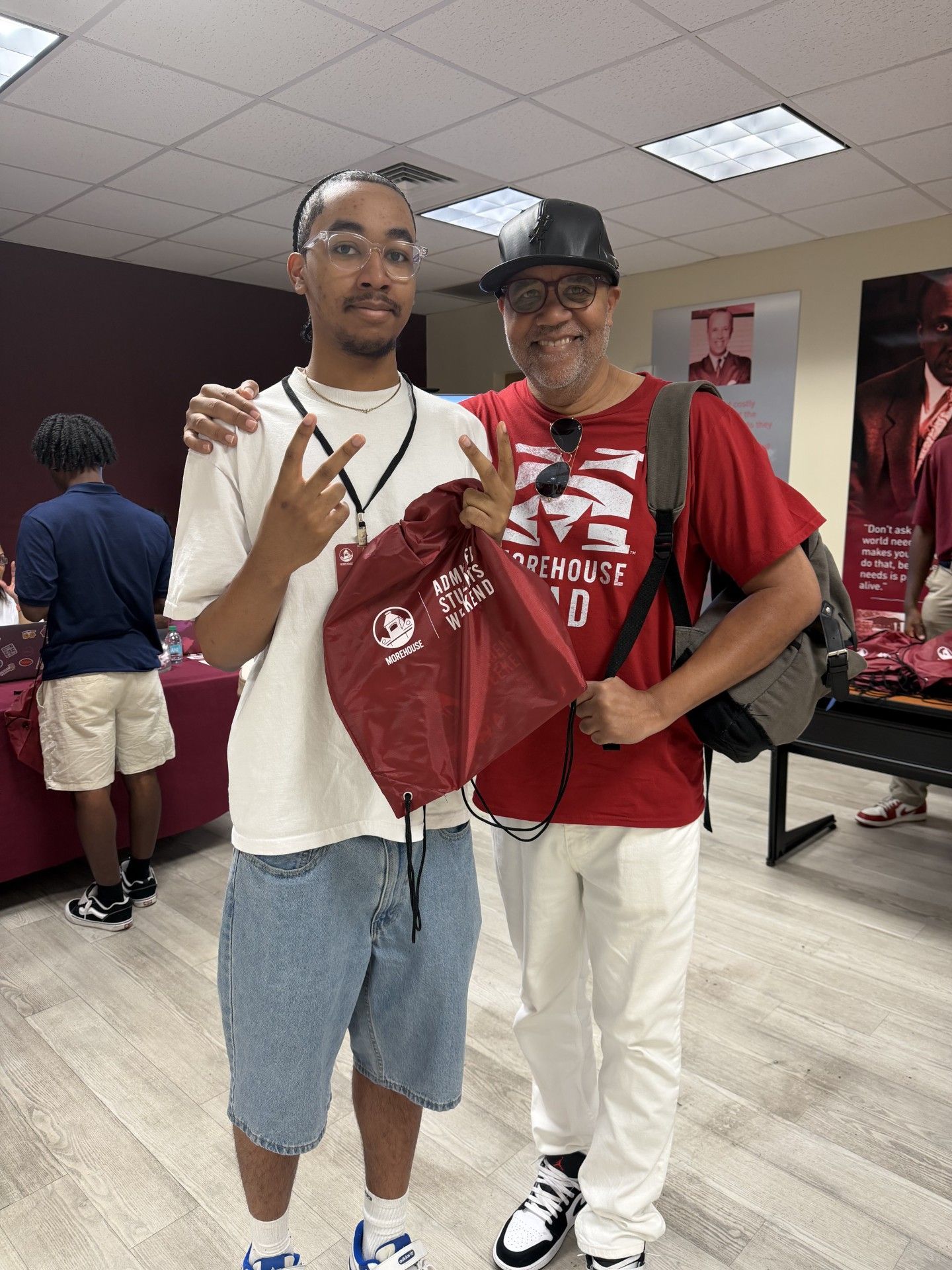
Stepping onto the campus of Morehouse College this past weekend for Admitted Students Day was more than a visit—it was a moment of reflection. As I watched young Black men walk with purpose across the yard, I found myself asking a simple but profound question: What would it have been like for me to study computer science here? My journey into computing was shaped in environments where I was often the only Black man in the room. That reality brings with it an unspoken weight—the need to prove you belong, the awareness of being watched, and sometimes, the quiet isolation that comes with underrepresentation. Standing at Morehouse, I realized that this burden is not a given. It is a condition of the environment. At Morehouse, the environment is different by design. Here, Black men are not anomalies—they are the standard. I imagined what it would feel like to learn algorithms, data structures, and software development in a space where my identity was not questioned but affirmed. Where excellence is expected, not in spite of who you are, but because of it. As a computer science professor, I understand the academic rigor required to succeed in this field. There is no shortcut through recursion, no bypass around debugging, no substitute for disciplined problem-solving. But what struck me during my visit is how much context matters. When students are free from the psychological burden of proving they belong, they can redirect that energy toward mastering the material. They can collaborate more openly, ask questions more freely, and take intellectual risks without fear. I also thought about legacy. At Morehouse, students walk the same grounds as Martin Luther King Jr.. That kind of history does something to a person. It raises the bar—not just academically, but personally. It invites students to see their education not just as a pathway to a career, but as preparation for impact. Leaving campus, I felt inspired—but also reflective. I cannot rewrite my journey, but I can appreciate what spaces like Morehouse offer the next generation. For a Black male pursuing computer science, it is more than a degree. It is an opportunity to develop skill, confidence, and identity in alignment. And that combination is powerful.