
Racism in Tech Hiring: A Barrier to Diversity and Inclusion
Dr. Kai Dupe • January 29, 2025
The tech industry has long faced scrutiny for its lack of diversity.

The tech industry has long faced scrutiny for its lack of diversity, and evidence shows that racism—both overt and systemic—continues to play a role in hiring practices, hindering progress toward equity and inclusion. From implicit biases to discriminatory policies, these practices disproportionately impact Black, Latinx, and Indigenous individuals seeking opportunities in tech.
The Evidence of Racism in Hiring
Numerous studies highlight how racial bias influences hiring decisions. Resume studies, for instance, reveal that candidates with “ethnic-sounding” names receive fewer callbacks than those with “white-sounding” names, even when qualifications are identical. A landmark study by Bertrand and Mullainathan found that resumes with names like “Emily” or “Greg” were 50% more likely to receive callbacks than those with names like “Lakisha” or “Jamal.” This bias underscores a systemic disadvantage for underrepresented groups.
Hiring practices often reinforce homogeneity within tech companies. Employee referral programs, a common recruitment method, favor candidates within existing networks, which tend to lack diversity. Additionally, technical assessments and culturally biased interview questions can disadvantage candidates from marginalized communities. The emphasis on degrees from elite institutions further exacerbates disparities, as these schools often enroll fewer Black and Latinx students
.
Disparities Extend Beyond Hiring
Racism doesn’t stop at the hiring stage. Pay inequity and limited access to promotions are persistent issues for Black and Latinx employees in tech. Whistleblower reports and lawsuits have brought attention to discriminatory practices, including allegations against major tech companies like Facebook, which was sued in 2020 for favoring temporary visa holders over U.S. workers.
Addressing the Problem
Some tech companies have taken steps to mitigate racism in hiring. Initiatives like blind resume reviews aim to reduce name-based bias, while structured interviews help standardize evaluation criteria. Partnerships with organizations like Code2040, AfroTech, and Blacks in Technology are helping companies tap into underrepresented talent pools. Implicit bias training for hiring managers is also becoming more common.
However, these efforts must go further. Tackling systemic racism requires not just incremental changes but a reevaluation of hiring practices, workplace culture, and access to opportunities. Companies must actively invest in creating equitable pathways to leadership and foster an inclusive environment that enables diverse talent to thrive. If tech is to fulfill its promise of innovation, it must first address the inequalities baked into its systems. Diversity isn’t just a moral imperative—it’s a business necessity.
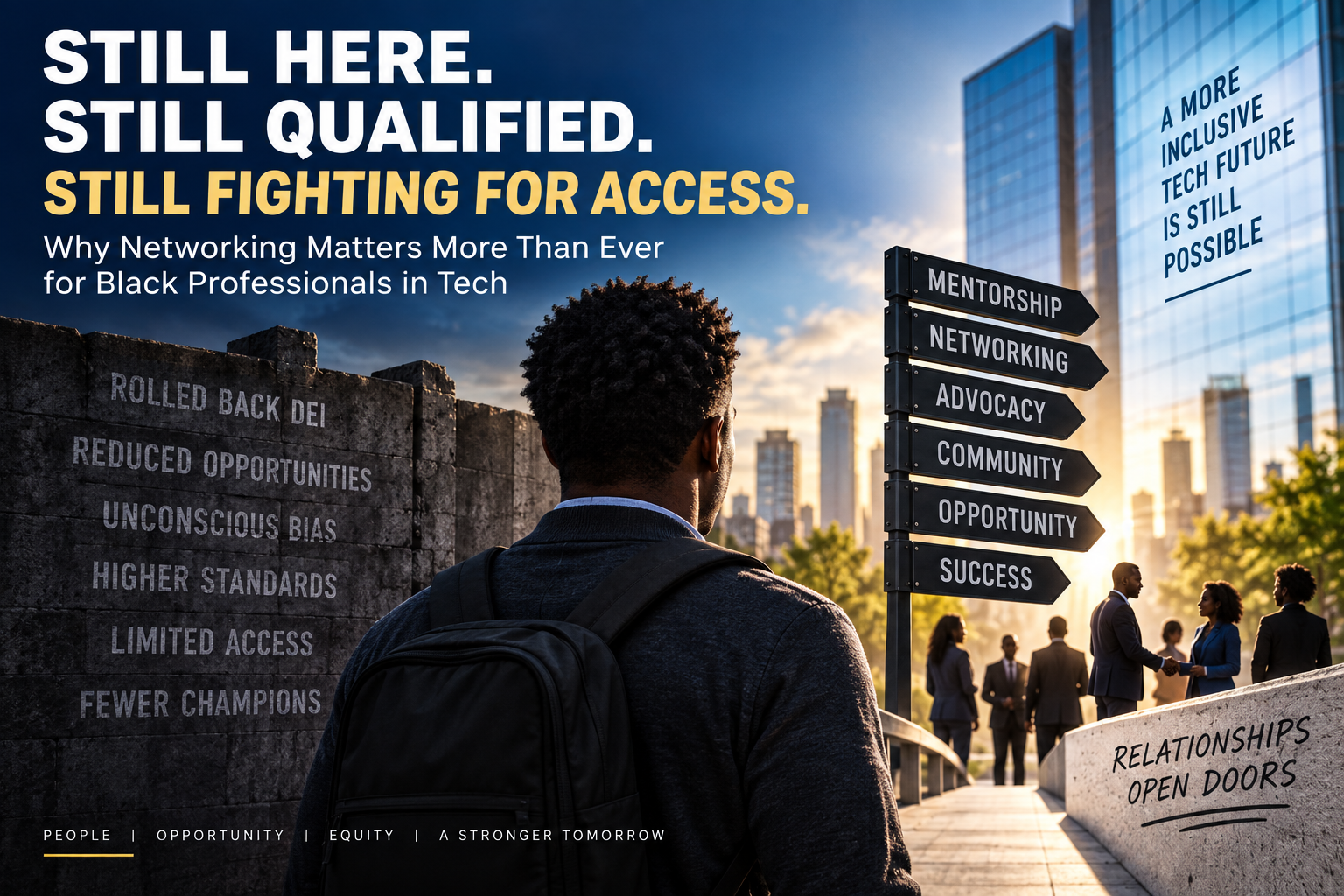
A mentor gives you advice. A sponsor creates opportunities.
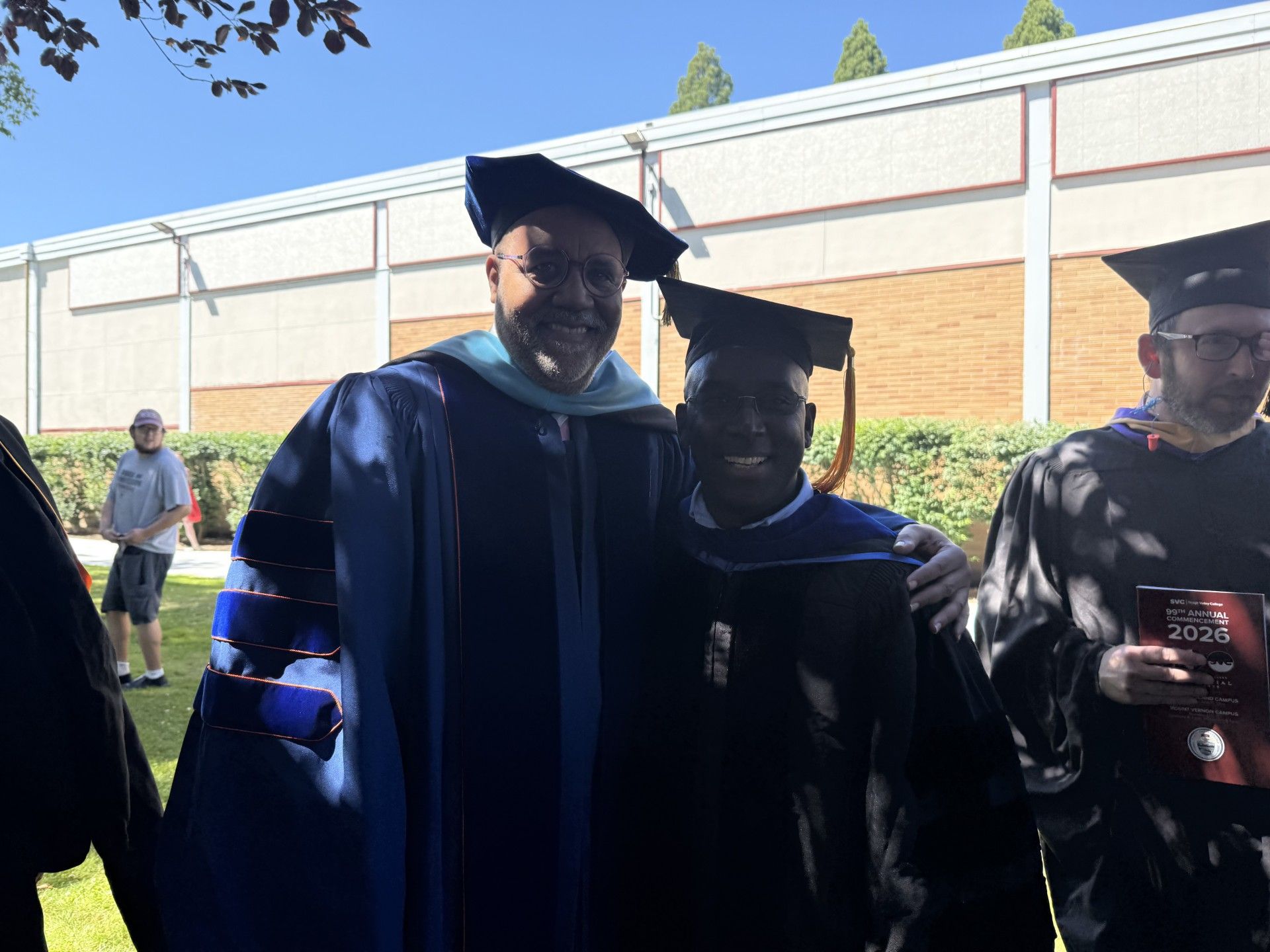
Representation alone will not solve the persistent racial disparities in computing.

The truth is that most software applications exist to manage information.
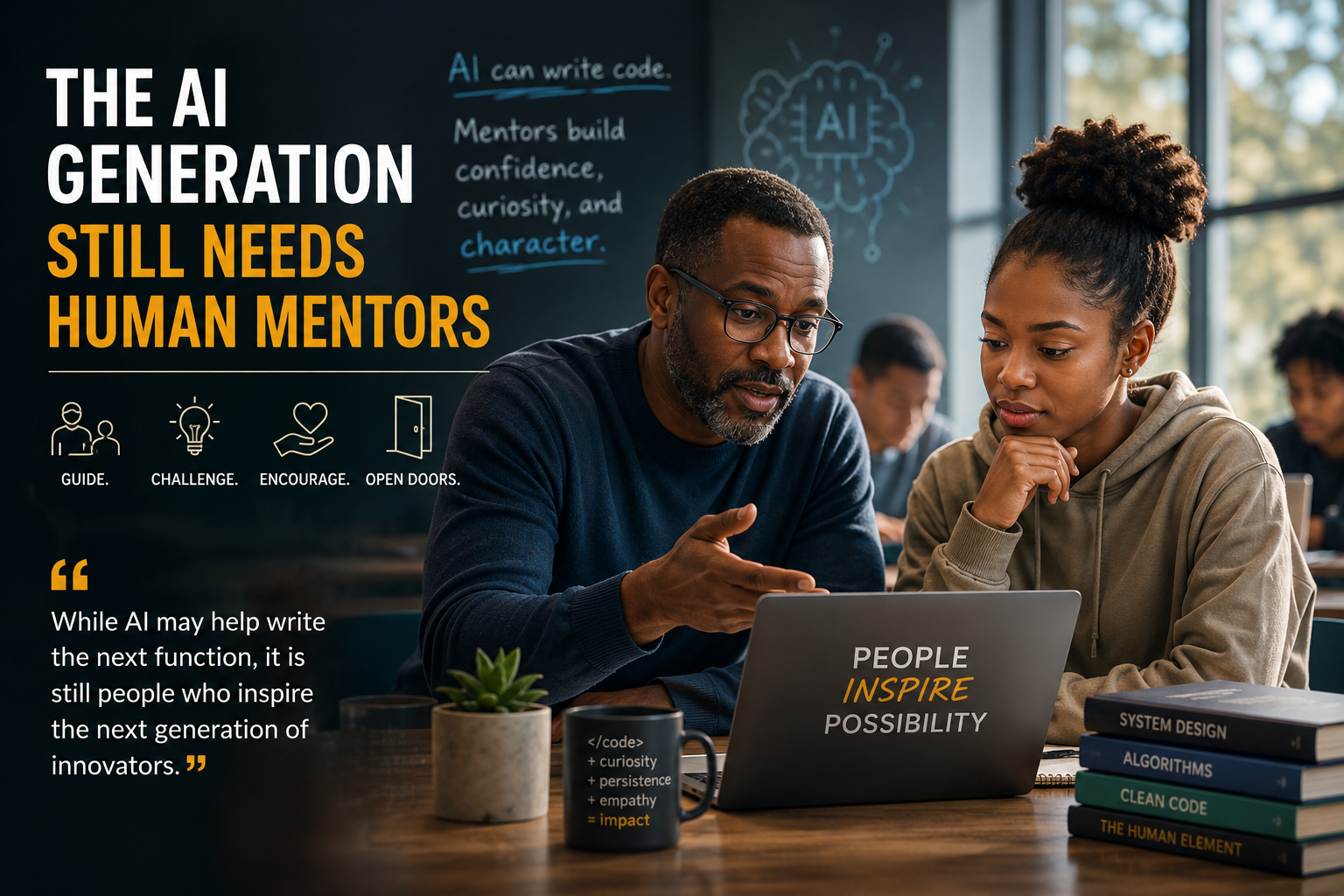
Artificial intelligence has become the newest member of nearly every software development team.

The true promise of computing is not found in the machines we build, but in the human potential we unlock when knowledge becomes accessible to everyone.

One of the reasons I value the MCT program so highly is that it represents more than technical knowledge.

Software engineering is not simply coding.

Companies often promote the idea that technical skill alone determines success.
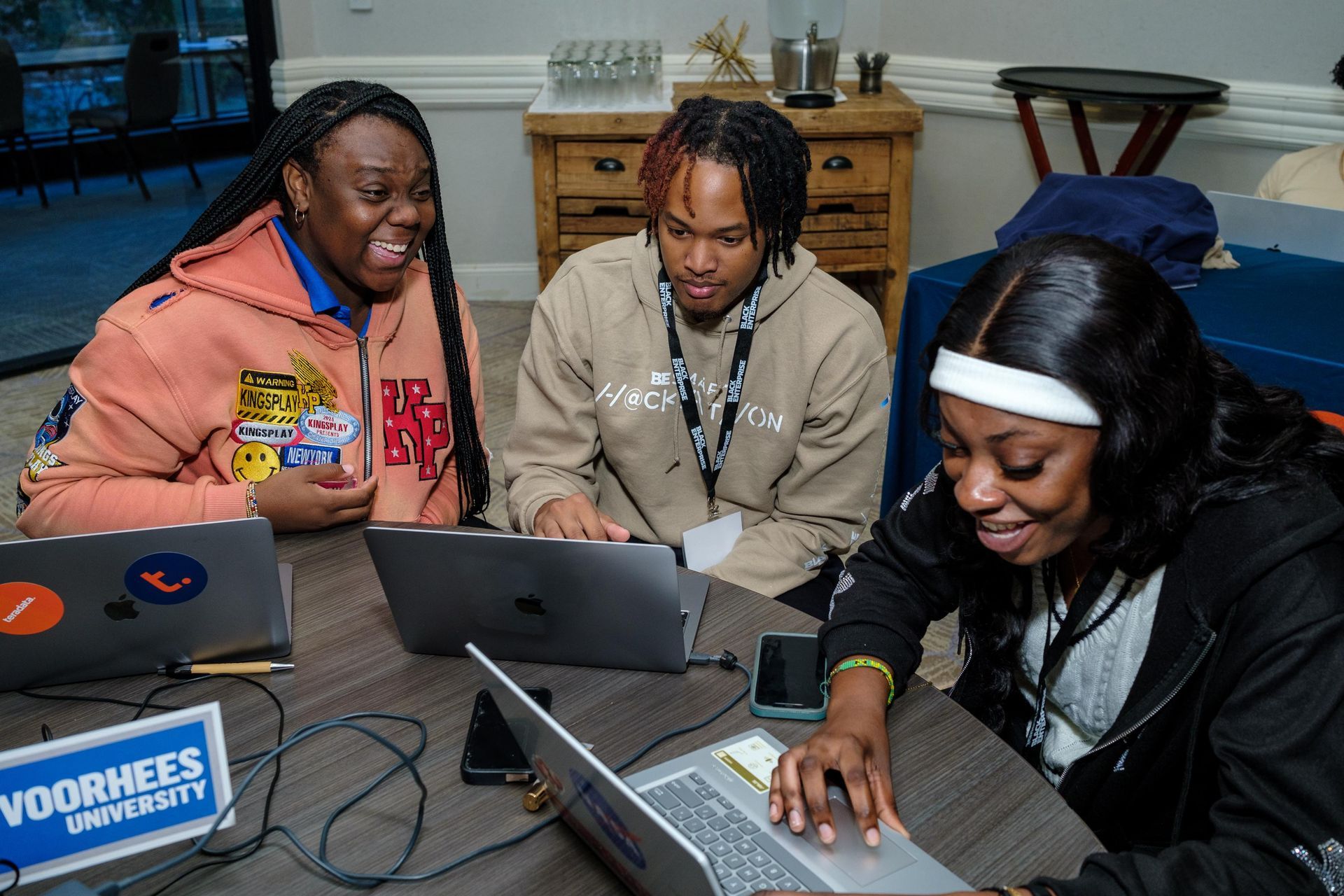
Hackathons also strengthen teamwork and communication skills.
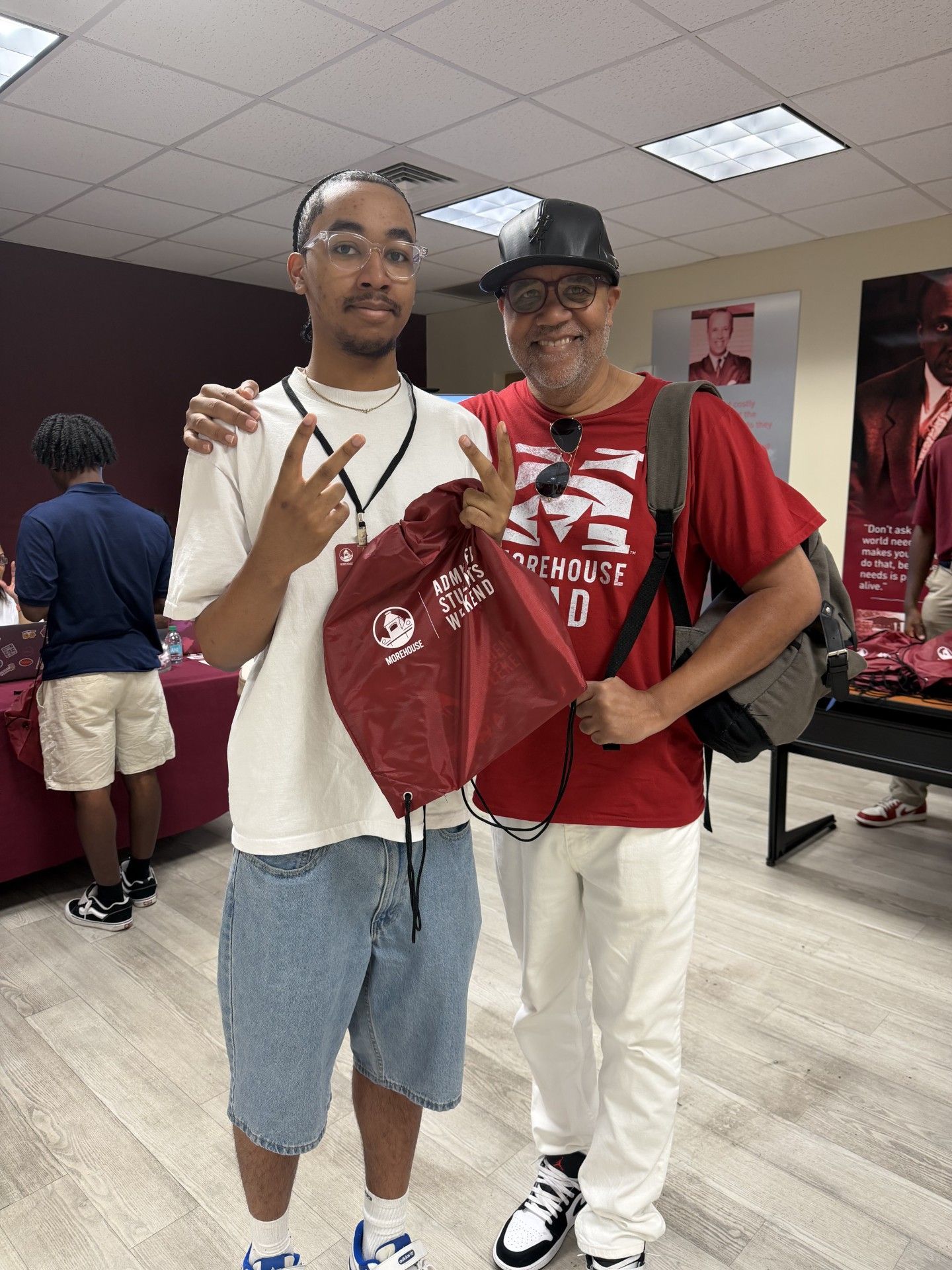
Stepping onto the campus of Morehouse College this past weekend for Admitted Students Day was more than a visit—it was a moment of reflection. As I watched young Black men walk with purpose across the yard, I found myself asking a simple but profound question: What would it have been like for me to study computer science here? My journey into computing was shaped in environments where I was often the only Black man in the room. That reality brings with it an unspoken weight—the need to prove you belong, the awareness of being watched, and sometimes, the quiet isolation that comes with underrepresentation. Standing at Morehouse, I realized that this burden is not a given. It is a condition of the environment. At Morehouse, the environment is different by design. Here, Black men are not anomalies—they are the standard. I imagined what it would feel like to learn algorithms, data structures, and software development in a space where my identity was not questioned but affirmed. Where excellence is expected, not in spite of who you are, but because of it. As a computer science professor, I understand the academic rigor required to succeed in this field. There is no shortcut through recursion, no bypass around debugging, no substitute for disciplined problem-solving. But what struck me during my visit is how much context matters. When students are free from the psychological burden of proving they belong, they can redirect that energy toward mastering the material. They can collaborate more openly, ask questions more freely, and take intellectual risks without fear. I also thought about legacy. At Morehouse, students walk the same grounds as Martin Luther King Jr.. That kind of history does something to a person. It raises the bar—not just academically, but personally. It invites students to see their education not just as a pathway to a career, but as preparation for impact. Leaving campus, I felt inspired—but also reflective. I cannot rewrite my journey, but I can appreciate what spaces like Morehouse offer the next generation. For a Black male pursuing computer science, it is more than a degree. It is an opportunity to develop skill, confidence, and identity in alignment. And that combination is powerful.