
Racism in the White House: A Historical Look at U.S. Presidents
Dr. Kai Dupe • February 17, 2025
Throughout American history, racism has been deeply embedded in the nation's political institutions.

Throughout American history, racism has been deeply embedded in the nation's political institutions, and many U.S. presidents have contributed to, upheld, or reinforced racist policies. While some presidents are widely celebrated for their leadership, their records often include actions and statements that disproportionately harmed racial minorities.
Founding Fathers and Slavery
Many early U.S. presidents were enslavers, profiting from the forced labor of Black Americans.
- George Washington owned over 100 enslaved people and signed the Fugitive Slave Act of 1793, which allowed for the capture and return of escaped enslaved individuals.
- Thomas Jefferson, who wrote "all men are created equal," enslaved over 600 people and stated in Notes on the State of Virginia that Black people were "inferior" in reason and imagination.
- Andrew Jackson expanded slavery into new territories and was responsible for the Indian Removal Act (1830), which led to the Trail of Tears, a forced march that killed thousands of Native Americans.
Racism in Federal Policy
Some presidents institutionalized racism through policies that actively discriminated against racial minorities.
- Woodrow Wilson segregated federal offices and screened The Birth of a Nation, a film glorifying the Ku Klux Klan, in the White House.
- Franklin D. Roosevelt ordered the internment of over 120,000 Japanese Americans during World War II, citing national security concerns but ignoring the blatant racial discrimination behind the policy.
- Lyndon B. Johnson, despite signing civil rights legislation, was known for using racial slurs and reportedly opposed certain provisions of the Civil Rights Act of 1964.
Modern-Era Presidents and Systemic Racism
Even in recent history, presidents have upheld policies disproportionately targeting racial minorities.
- Richard Nixon's "War on Drugs" was later revealed by his adviser John Ehrlichman to have been designed to target Black Americans and anti-war activists.
- Ronald Reagan continued the War on Drugs, disproportionately incarcerating Black and Latino Americans, and opposed economic sanctions against apartheid South Africa.
- Bill Clinton's 1994 Crime Bill contributed to mass incarceration, leading to a significant increase in prison populations, disproportionately affecting Black Americans.
Conclusion
While some U.S. presidents have taken steps toward racial justice, history shows that many have engaged in policies and rhetoric that upheld racism. Recognizing this past is essential for understanding how systemic racism continues to shape America today.
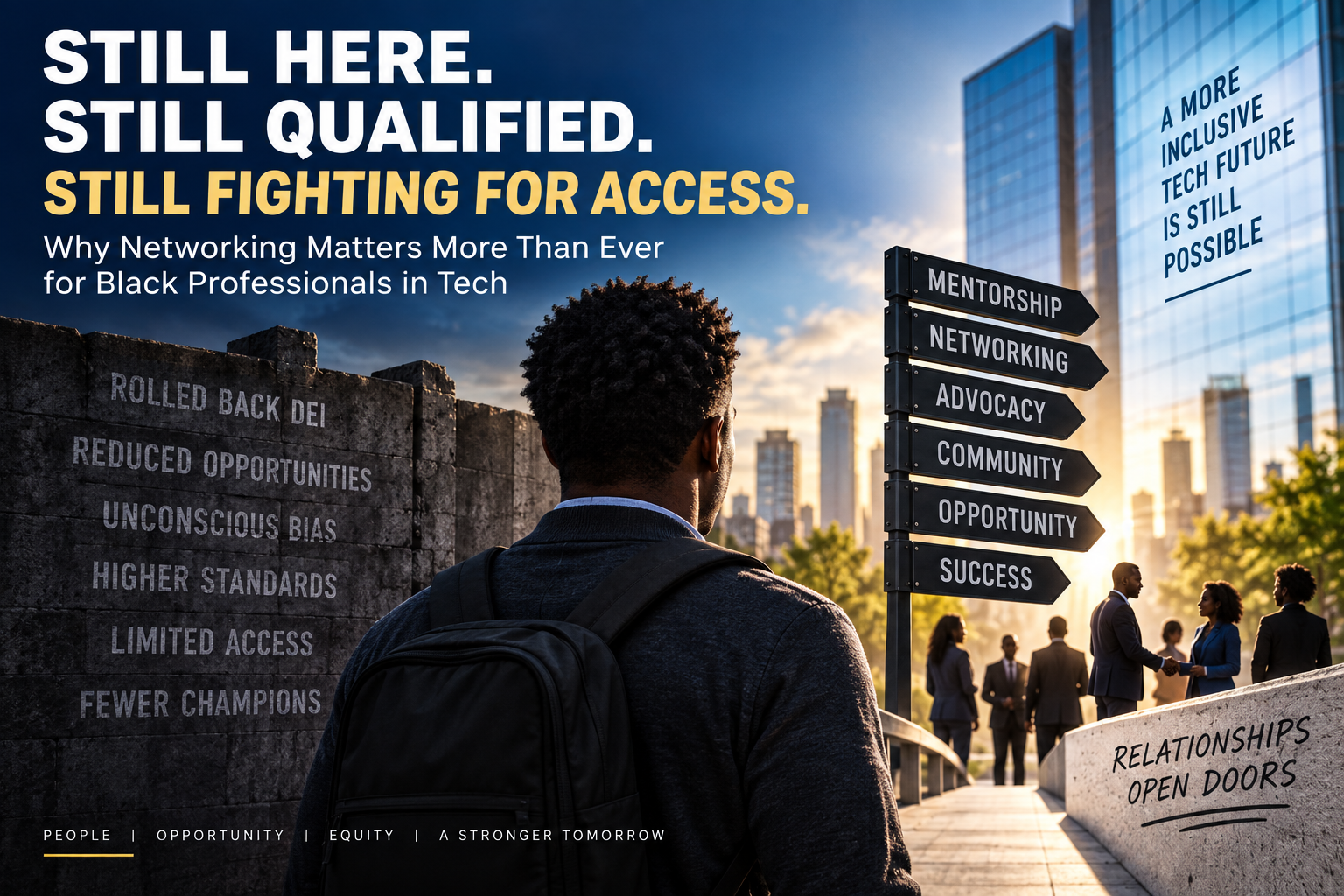
A mentor gives you advice. A sponsor creates opportunities.
Representation alone will not solve the persistent racial disparities in computing.

The truth is that most software applications exist to manage information.

Artificial intelligence has become the newest member of nearly every software development team.

The true promise of computing is not found in the machines we build, but in the human potential we unlock when knowledge becomes accessible to everyone.

One of the reasons I value the MCT program so highly is that it represents more than technical knowledge.

Software engineering is not simply coding.

Companies often promote the idea that technical skill alone determines success.
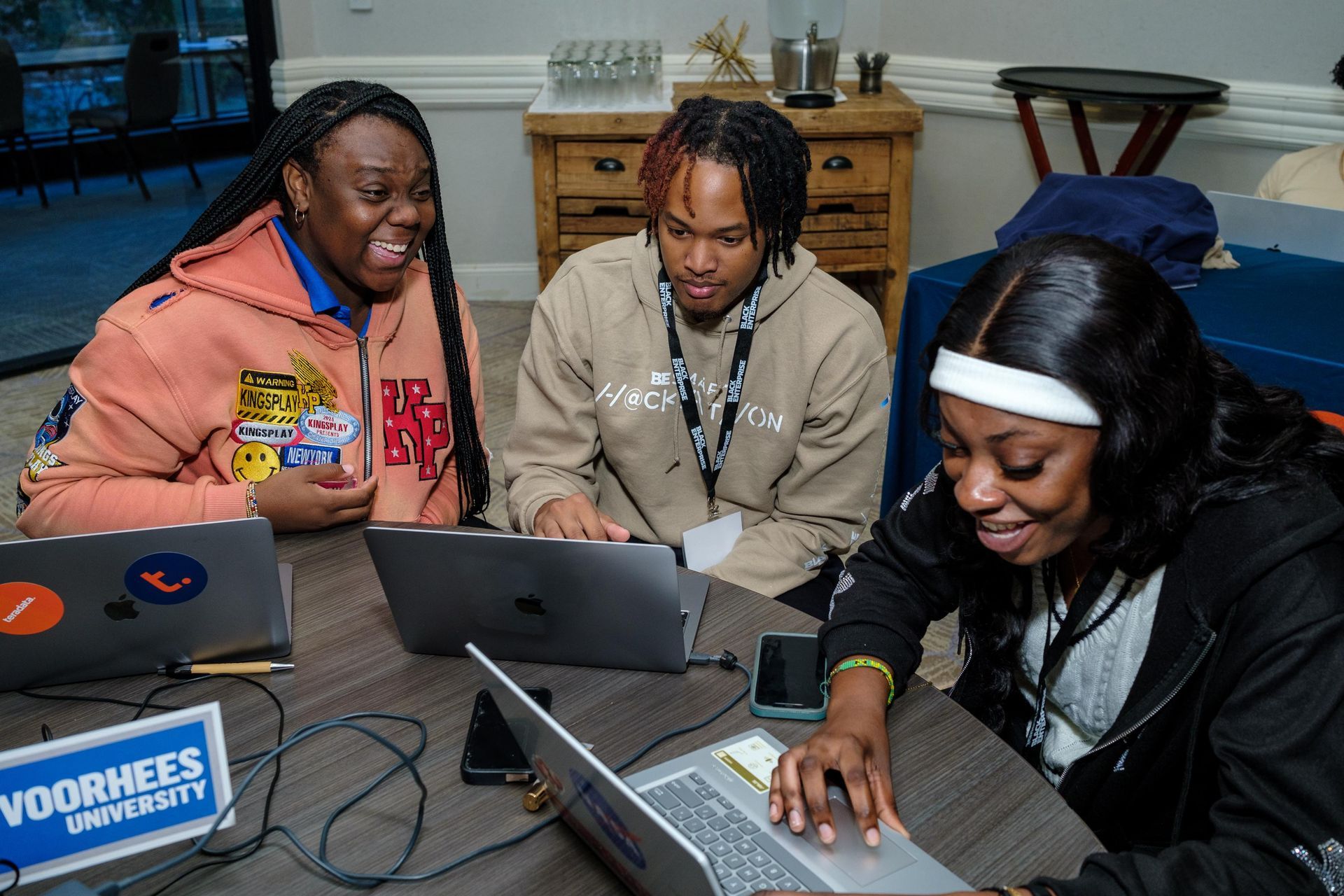
Hackathons also strengthen teamwork and communication skills.
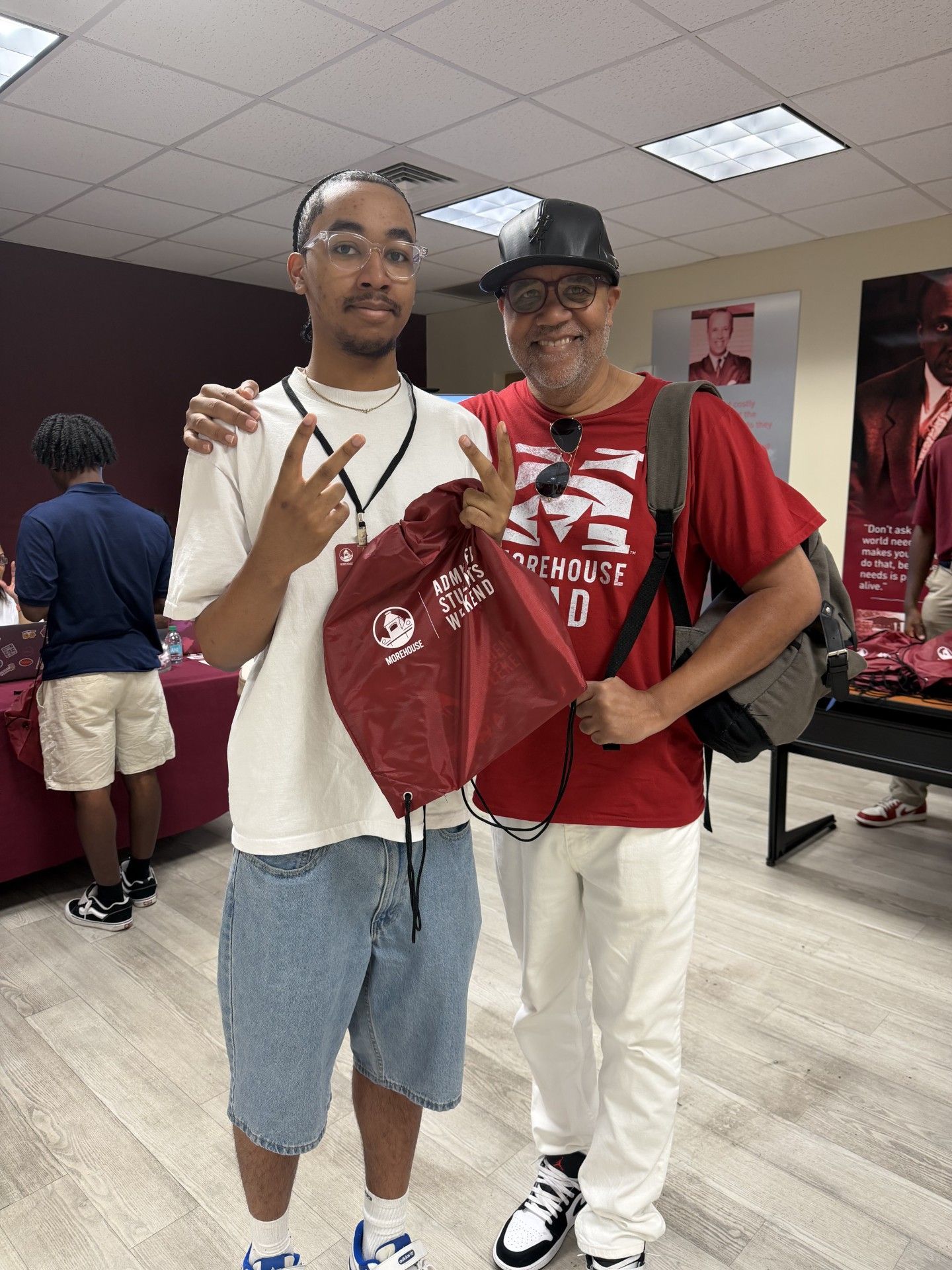
Stepping onto the campus of Morehouse College this past weekend for Admitted Students Day was more than a visit—it was a moment of reflection. As I watched young Black men walk with purpose across the yard, I found myself asking a simple but profound question: What would it have been like for me to study computer science here? My journey into computing was shaped in environments where I was often the only Black man in the room. That reality brings with it an unspoken weight—the need to prove you belong, the awareness of being watched, and sometimes, the quiet isolation that comes with underrepresentation. Standing at Morehouse, I realized that this burden is not a given. It is a condition of the environment. At Morehouse, the environment is different by design. Here, Black men are not anomalies—they are the standard. I imagined what it would feel like to learn algorithms, data structures, and software development in a space where my identity was not questioned but affirmed. Where excellence is expected, not in spite of who you are, but because of it. As a computer science professor, I understand the academic rigor required to succeed in this field. There is no shortcut through recursion, no bypass around debugging, no substitute for disciplined problem-solving. But what struck me during my visit is how much context matters. When students are free from the psychological burden of proving they belong, they can redirect that energy toward mastering the material. They can collaborate more openly, ask questions more freely, and take intellectual risks without fear. I also thought about legacy. At Morehouse, students walk the same grounds as Martin Luther King Jr.. That kind of history does something to a person. It raises the bar—not just academically, but personally. It invites students to see their education not just as a pathway to a career, but as preparation for impact. Leaving campus, I felt inspired—but also reflective. I cannot rewrite my journey, but I can appreciate what spaces like Morehouse offer the next generation. For a Black male pursuing computer science, it is more than a degree. It is an opportunity to develop skill, confidence, and identity in alignment. And that combination is powerful.