
The Hidden Truth of the Statue of Liberty: A Forgotten Tribute to the Abolition of Slavery
Dr. Kai Dupe • March 9, 2025
A deeper look into her origins reveals a profound connection to the abolition of slavery in the United States.

The Statue of Liberty, standing tall in New York Harbor, is universally recognized as a symbol of freedom and democracy. While many associate her with welcoming immigrants, a deeper look into her origins reveals a profound connection to the abolition of slavery in the United States.
Origins Rooted in Abolition
The inception of the Statue of Liberty traces back to Édouard René de Laboulaye, a French political thinker, professor, and ardent abolitionist. Laboulaye was a vocal supporter of the Union during the American Civil War and saw the end of slavery as a monumental step toward universal liberty. In 1865, he proposed the idea of a commemorative monument, not just to celebrate American independence, but specifically to honor the abolition of slavery. Collaborating with sculptor Frédéric Auguste Bartholdi, Laboulaye envisioned a statue that would embody freedom breaking free from bondage. Early designs prominently featured Lady Liberty holding broken chains and shackles, symbolizing the end of slavery. However, to create a more universal symbol of liberty, Bartholdi later modified the design, placing the broken chains beneath her feet.
The Hidden Symbolism at Her Feet
Today, visitors to Liberty Island might overlook a subtle yet powerful detail: at the feet of the Statue of Liberty lie broken shackles and chains.
These elements, partially obscured by her flowing robes, represent Liberty breaking free from oppression and tyranny, directly alluding to the abolition of slavery. This imagery serves as a poignant reminder that the struggle for freedom is intertwined with the fight against slavery. The broken chains at her feet underscore the triumph over bondage and the enduring pursuit of human rights.
Evolution of Symbolism
While the statue's original intent was to celebrate emancipation, over time, its symbolism expanded. By the early 20th century, as waves of immigrants arrived in the United States, the Statue of Liberty became a beacon of hope and a welcoming figure for those seeking a new life. The addition of Emma Lazarus's poem, "The New Colossus," inscribed on a plaque in 1903, further cemented this association. Phrases like "Give me your tired, your poor, your huddled masses yearning to breathe free" shifted the narrative towards immigration.
However, it's crucial to acknowledge and remember the statue's original symbolism. The broken chains at her feet are not merely artistic details; they are emblematic of a nation's journey from slavery to freedom. Recognizing this aspect adds depth to our understanding of the monument and honors the legacy of those who fought for abolition.
Conclusion
The Statue of Liberty stands as a multifaceted symbol, embodying the ideals of freedom, democracy, and hope. Beyond her association with welcoming immigrants, her very foundation is rooted in the celebration of emancipation and the end of slavery. The broken chains at her feet serve as a testament to this legacy, reminding us of the enduring struggle for liberty and justice for all.

A mentor gives you advice. A sponsor creates opportunities.
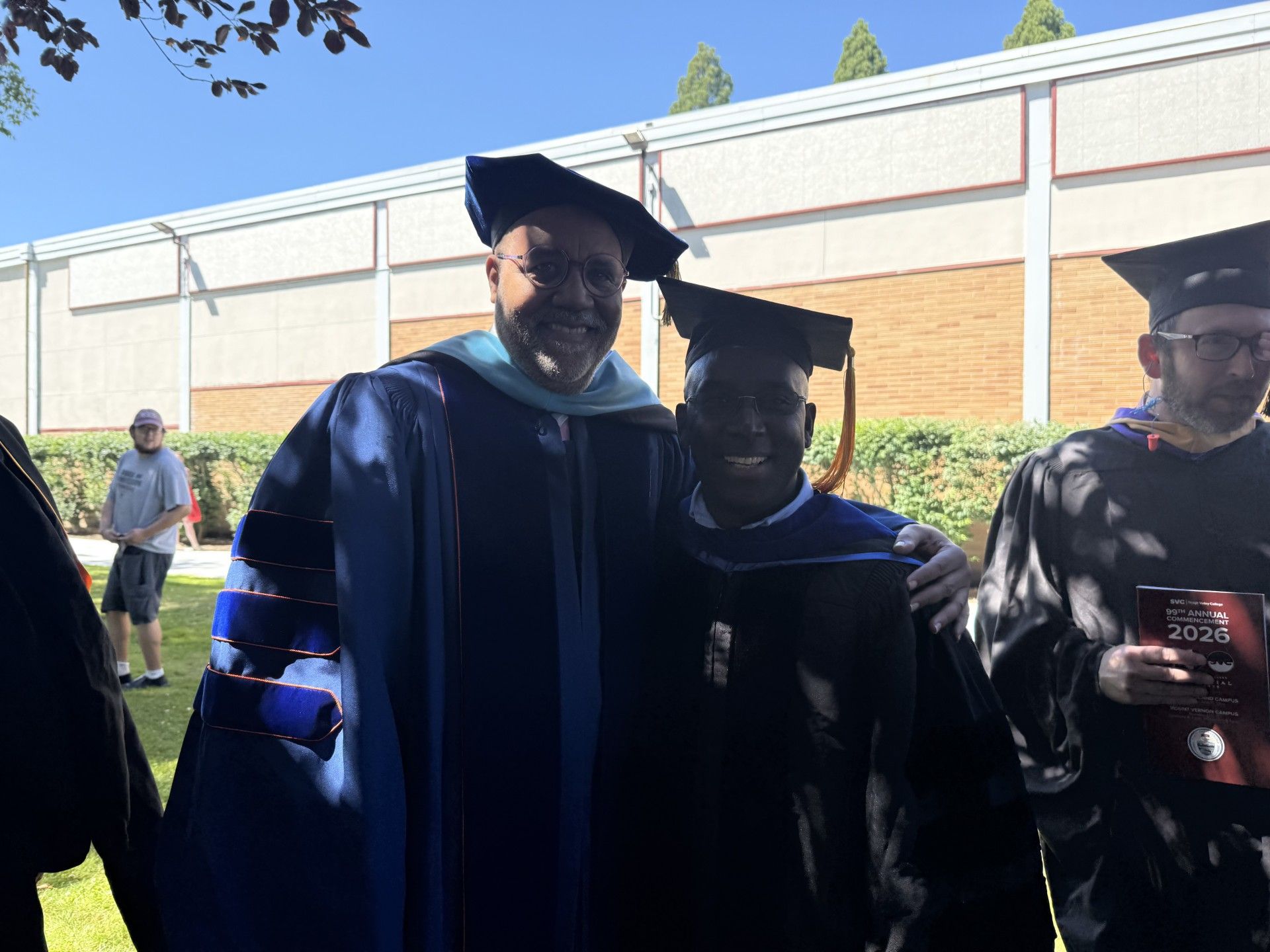
Representation alone will not solve the persistent racial disparities in computing.

The truth is that most software applications exist to manage information.

Artificial intelligence has become the newest member of nearly every software development team.

The true promise of computing is not found in the machines we build, but in the human potential we unlock when knowledge becomes accessible to everyone.

One of the reasons I value the MCT program so highly is that it represents more than technical knowledge.

Software engineering is not simply coding.

Companies often promote the idea that technical skill alone determines success.
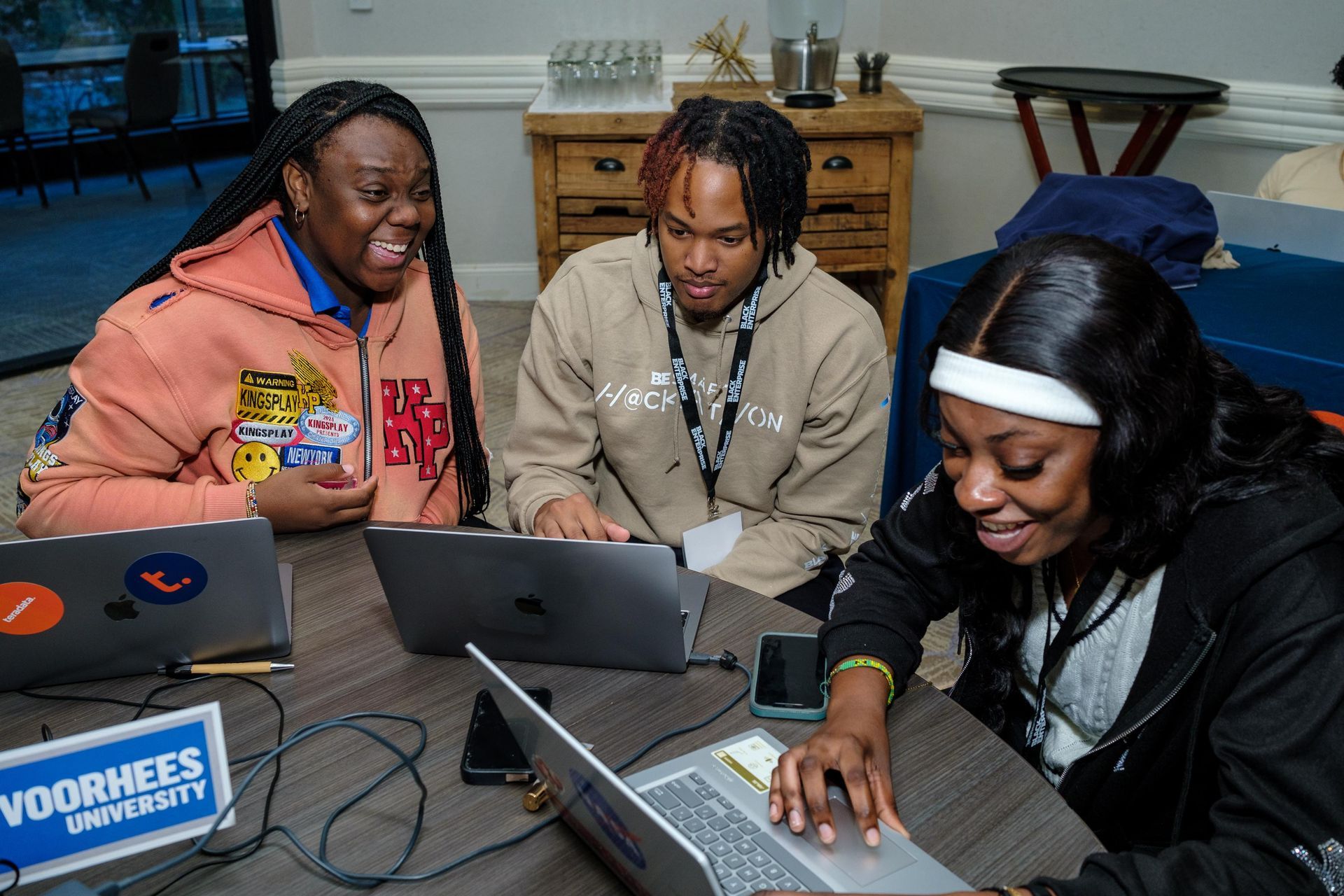
Hackathons also strengthen teamwork and communication skills.
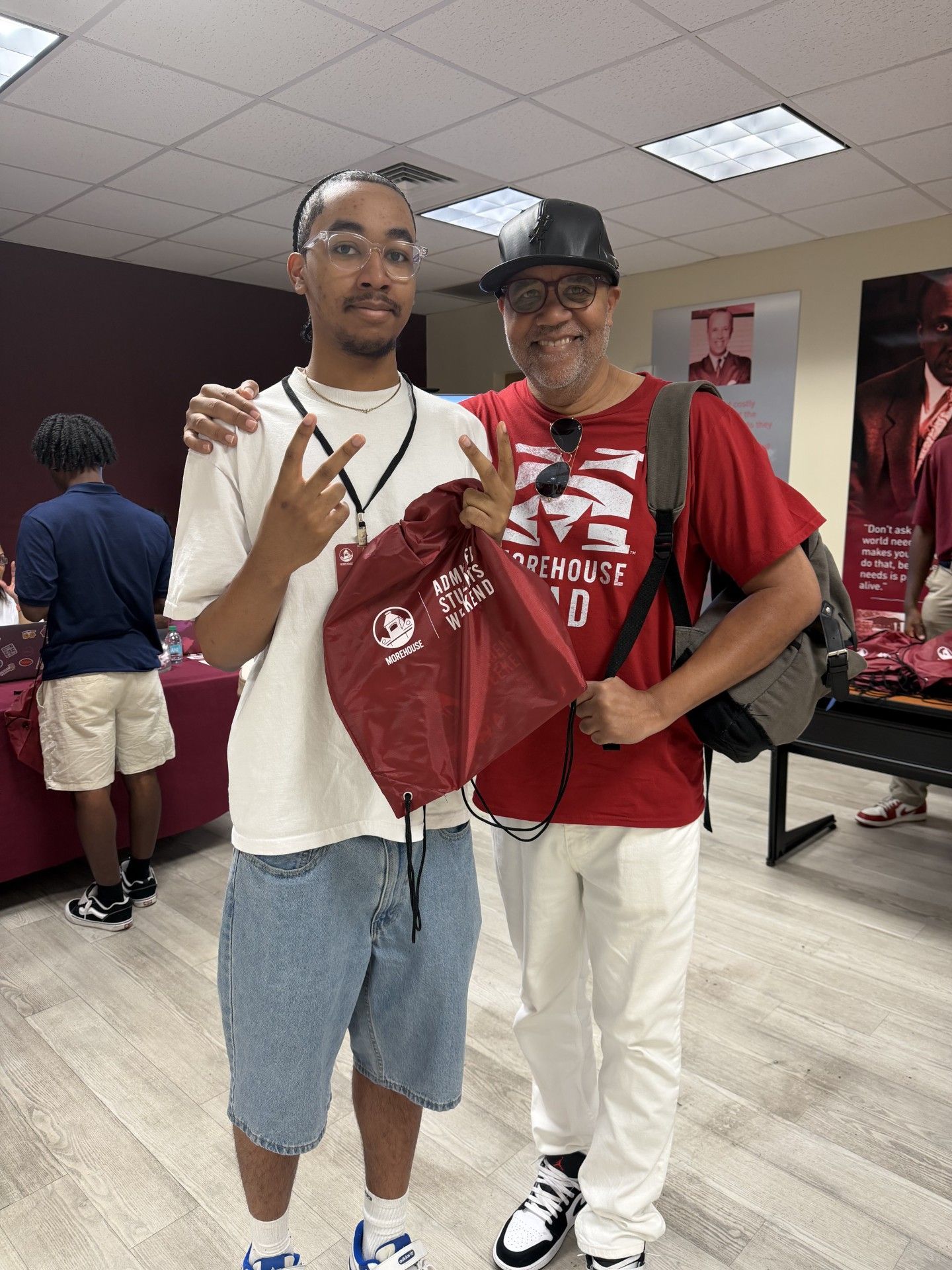
Stepping onto the campus of Morehouse College this past weekend for Admitted Students Day was more than a visit—it was a moment of reflection. As I watched young Black men walk with purpose across the yard, I found myself asking a simple but profound question: What would it have been like for me to study computer science here? My journey into computing was shaped in environments where I was often the only Black man in the room. That reality brings with it an unspoken weight—the need to prove you belong, the awareness of being watched, and sometimes, the quiet isolation that comes with underrepresentation. Standing at Morehouse, I realized that this burden is not a given. It is a condition of the environment. At Morehouse, the environment is different by design. Here, Black men are not anomalies—they are the standard. I imagined what it would feel like to learn algorithms, data structures, and software development in a space where my identity was not questioned but affirmed. Where excellence is expected, not in spite of who you are, but because of it. As a computer science professor, I understand the academic rigor required to succeed in this field. There is no shortcut through recursion, no bypass around debugging, no substitute for disciplined problem-solving. But what struck me during my visit is how much context matters. When students are free from the psychological burden of proving they belong, they can redirect that energy toward mastering the material. They can collaborate more openly, ask questions more freely, and take intellectual risks without fear. I also thought about legacy. At Morehouse, students walk the same grounds as Martin Luther King Jr.. That kind of history does something to a person. It raises the bar—not just academically, but personally. It invites students to see their education not just as a pathway to a career, but as preparation for impact. Leaving campus, I felt inspired—but also reflective. I cannot rewrite my journey, but I can appreciate what spaces like Morehouse offer the next generation. For a Black male pursuing computer science, it is more than a degree. It is an opportunity to develop skill, confidence, and identity in alignment. And that combination is powerful.