Advancing Diversity: The State of African Americans in Computer Science
The underrepresentation of African Americans in Computer Science
Introduction
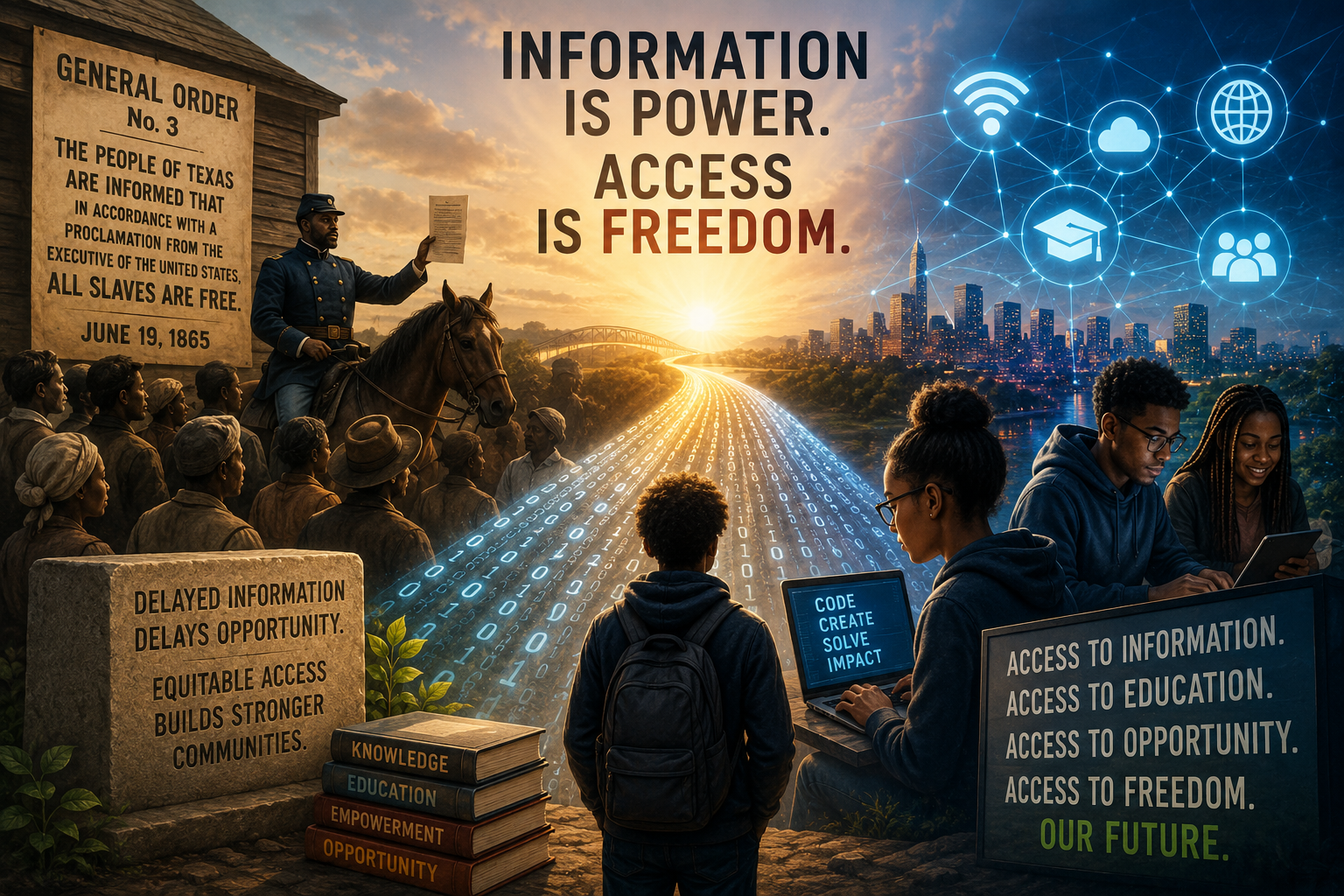
In the ever-evolving landscape of technology, diversity is not just a buzzword; it is a necessity for innovation and progress. African Americans have made significant contributions to the field of computer science, but they still face unique challenges and underrepresentation. In this blog post, we will explore the current state of African Americans in computer science, shedding light on their achievements, struggles, and the steps being taken to foster inclusivity.
Historical Contributions
African Americans have a rich history in computer science. Trailblazers like Dorothy Vaughan, Mary Jackson, and Katherine Johnson, who were featured in the book and movie "Hidden Figures," played crucial roles at NASA during the Space Race. Their pioneering work not only broke racial barriers but also laid the foundation for future generations of African American computer scientists.
Challenges Faced
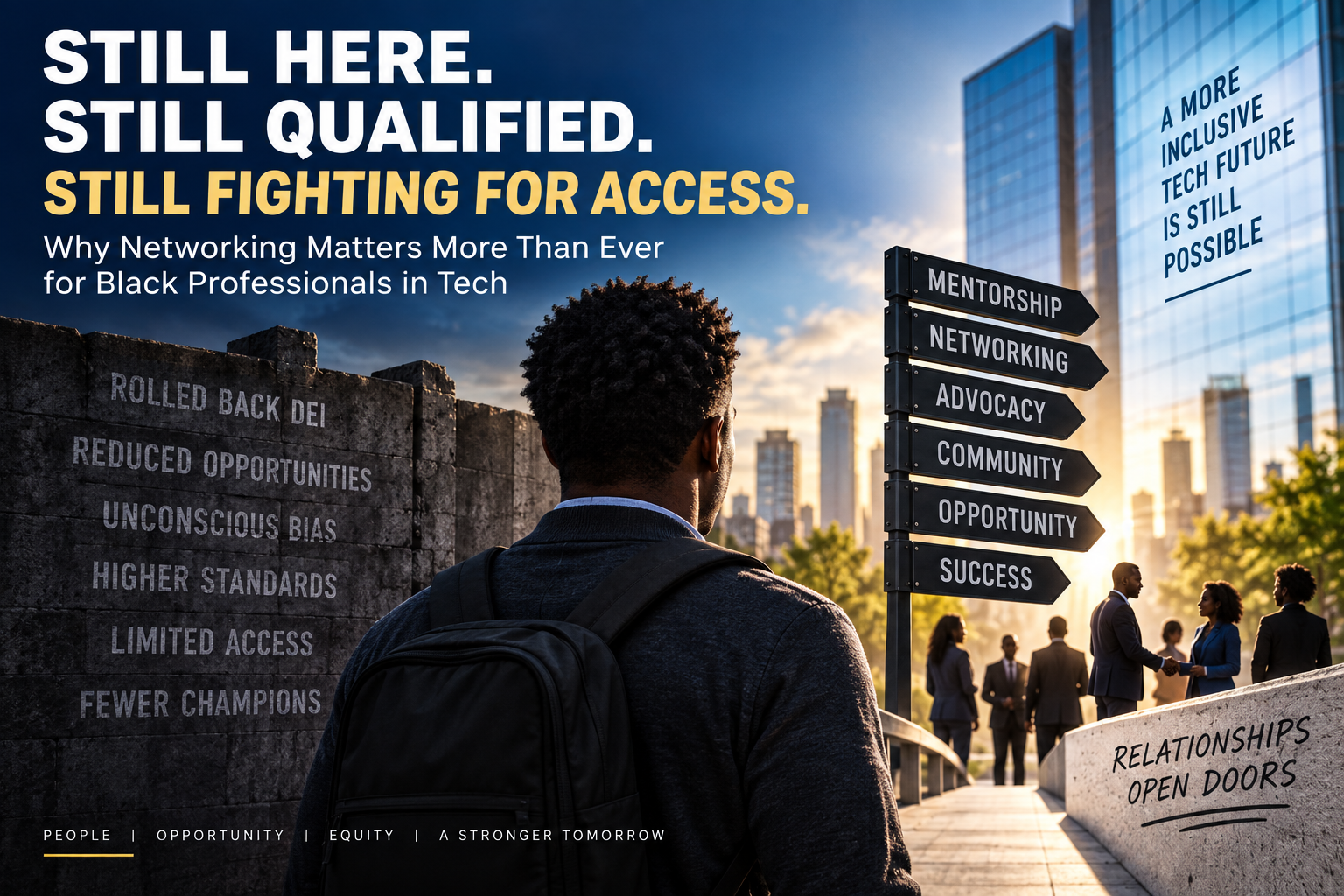
Despite the remarkable accomplishments of individuals like Vaughan, Jackson, and Johnson, African Americans still encounter significant challenges in the field of computer science. Underrepresentation is one of the foremost issues. According to the National Center for Women & Information Technology, in 2019, only 9% of bachelor's degrees in computer science and computer engineering were awarded to African American students.
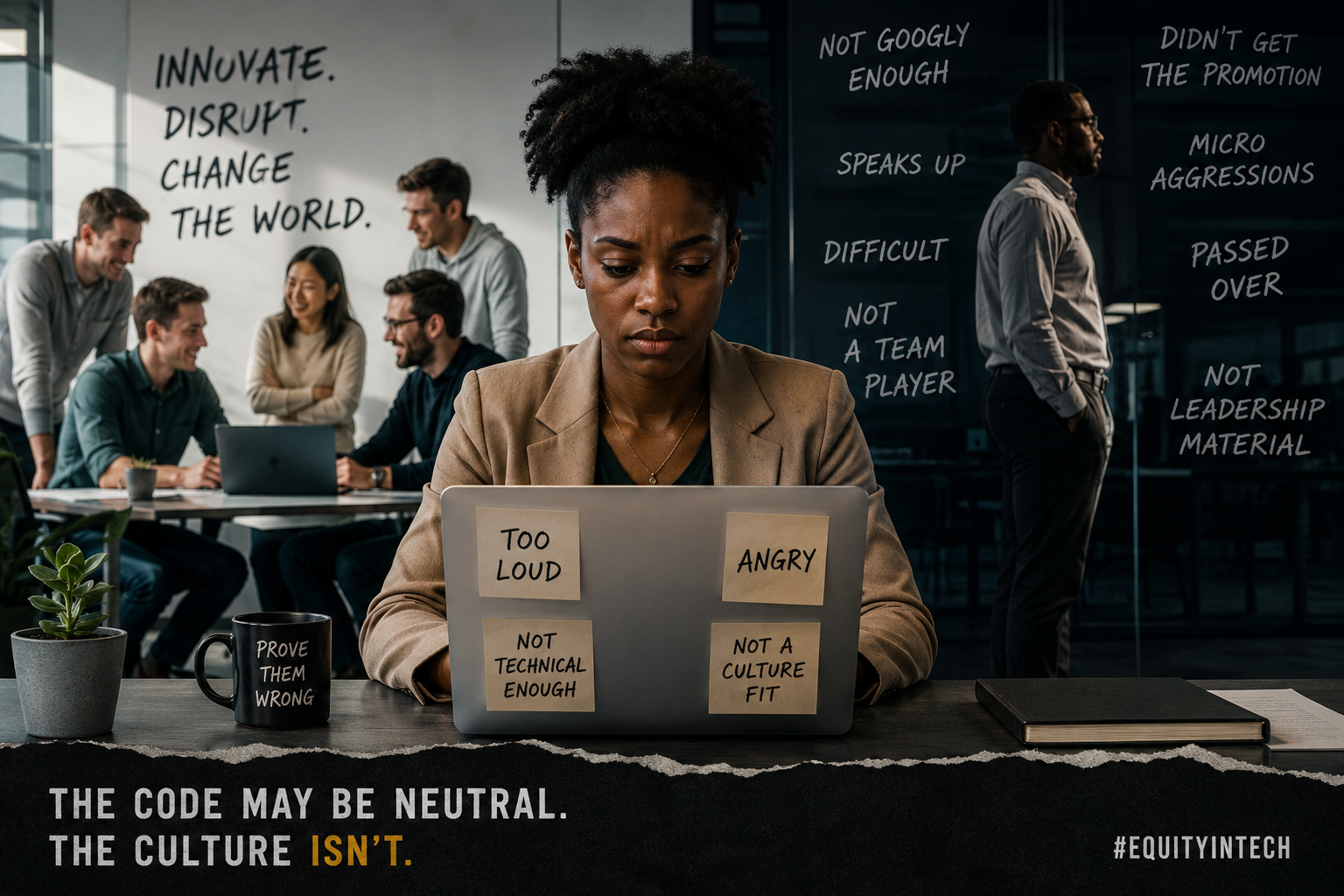
Stereotyping and bias also persist. African American students and professionals may face unconscious bias that undermines their abilities and potential in the tech industry. Furthermore, access to quality education and mentorship opportunities is not evenly distributed, making it more difficult for African American individuals to enter and advance in computer science careers.
Progress and Initiatives
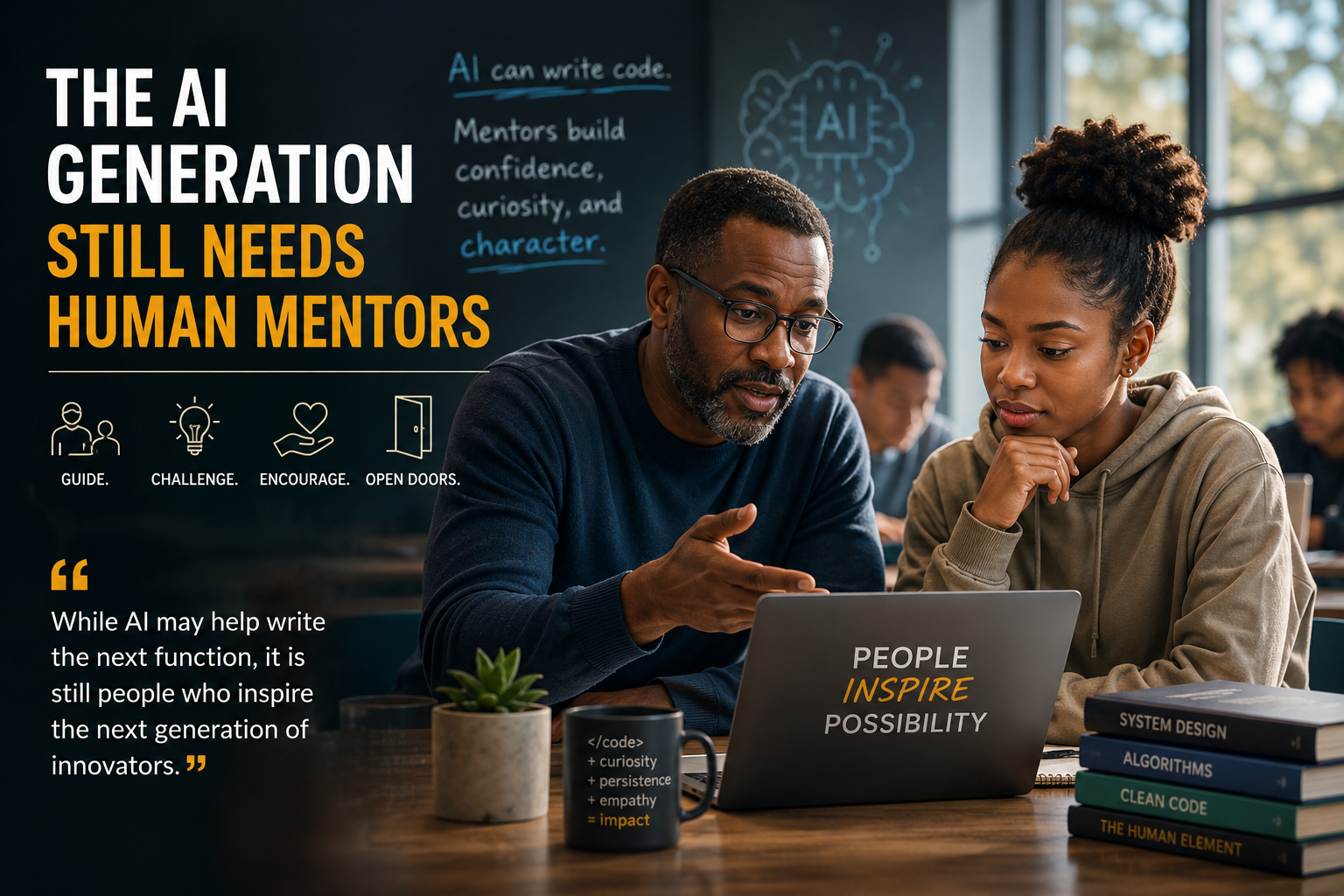
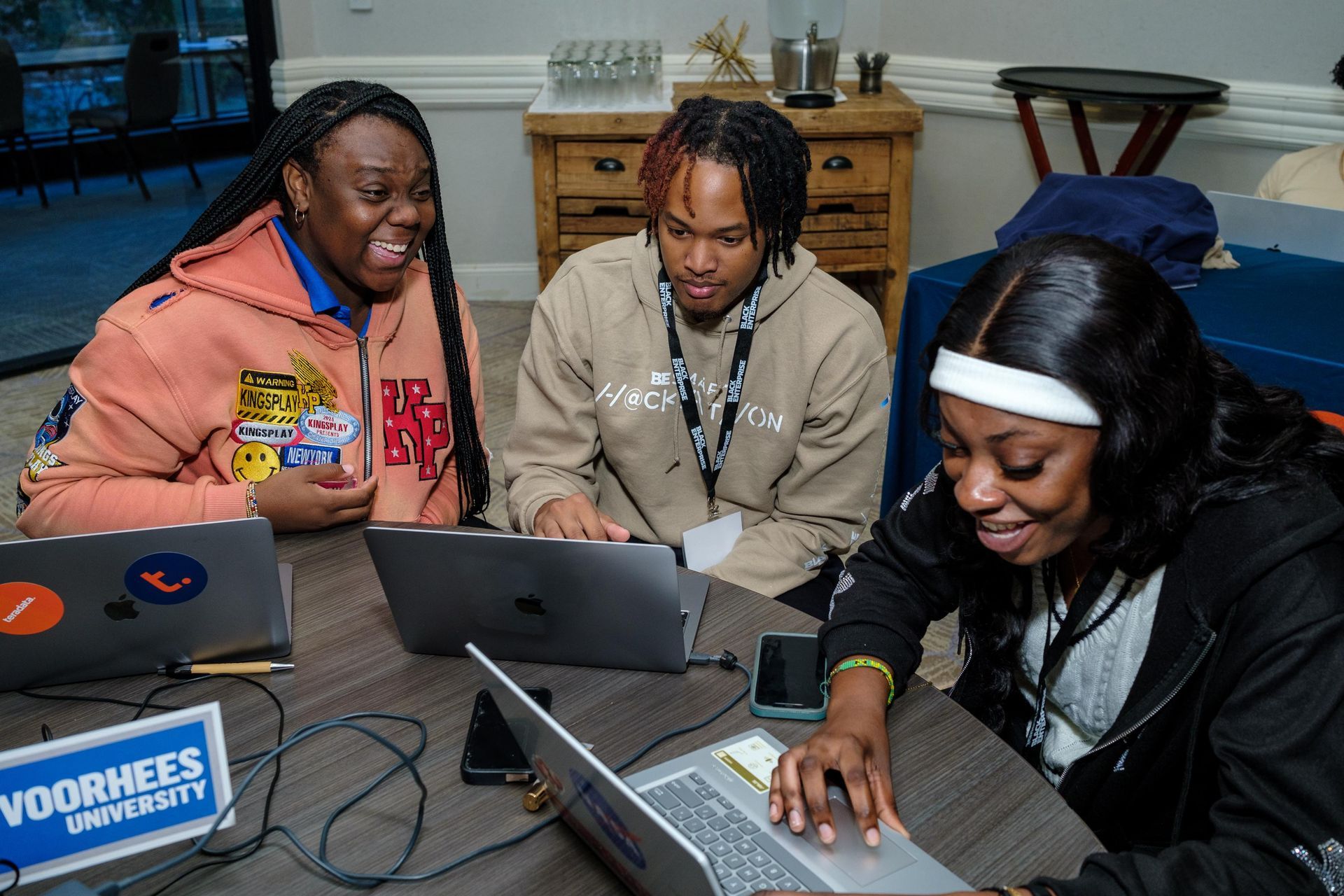
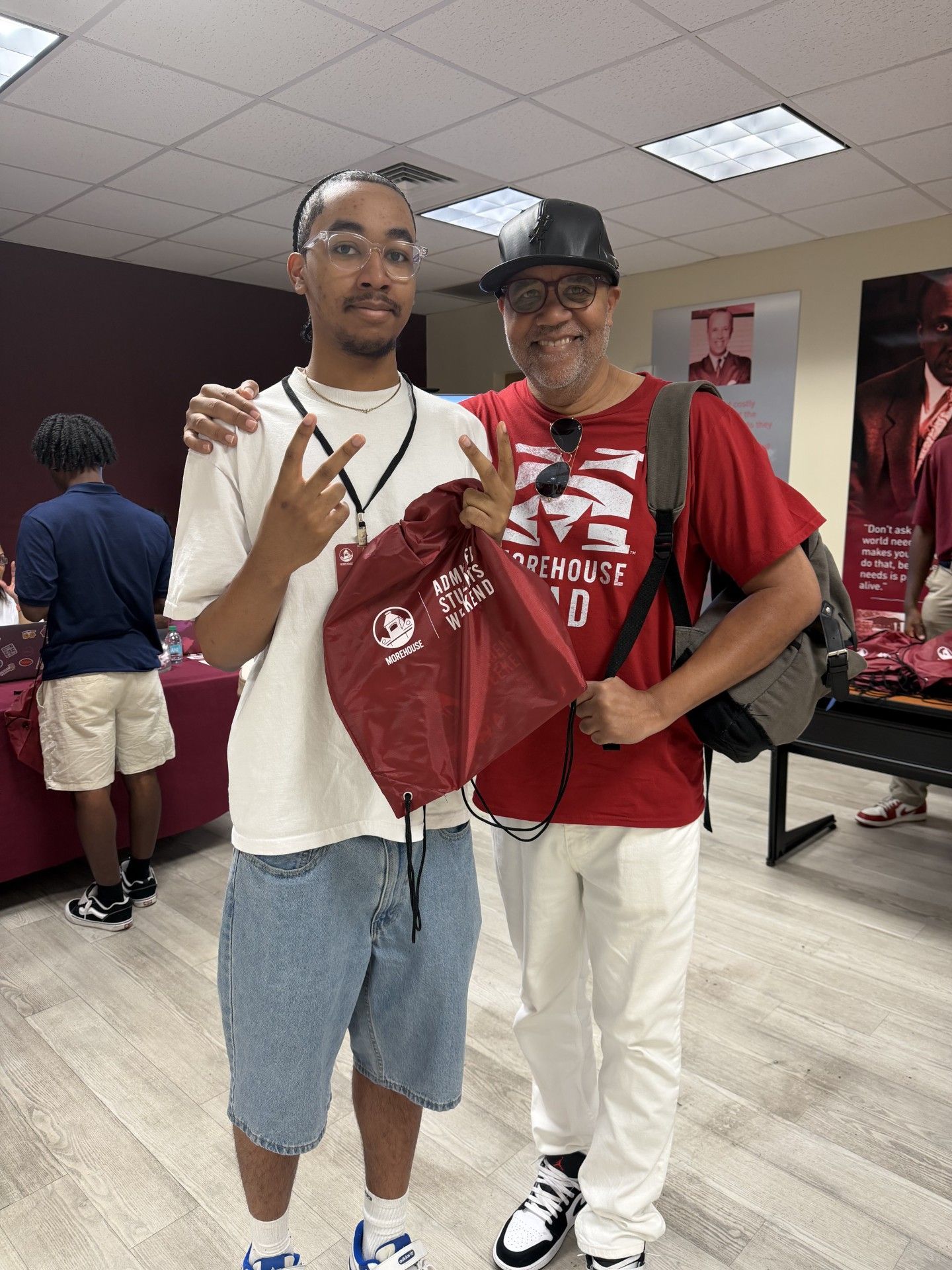
Despite these challenges, there is reason for optimism. Many organizations and institutions are actively working to improve diversity in computer science. Programs like Code.org and Black Girls CODE aim to introduce coding and computer science concepts to young African American students. Scholarships and mentorship programs target underrepresented minorities, offering them opportunities to pursue education and careers in tech.
Prominent tech companies are also taking steps to address diversity and inclusion. Initiatives like Google's "Tech Exchange" and Microsoft's "LEAP" program aim to attract and support underrepresented talent in the industry. Furthermore, companies are increasingly recognizing the importance of diverse perspectives in driving innovation and problem-solving.
Conclusion
The state of African Americans in computer science is a mixed bag of remarkable accomplishments, persistent challenges, and ongoing efforts to create a more inclusive and equitable future. It is crucial for society to continue supporting and celebrating the achievements of African American computer scientists while actively addressing the barriers that still exist. By fostering diversity and inclusion in the tech industry, we can unlock the full potential of innovation and create a brighter future for all. In the spirit of pioneers like Dorothy Vaughan, Mary Jackson, and Katherine Johnson, we must continue to break down barriers and inspire the next generation of African American computer scientists to reach for the stars.