Creative Problem Solving is at the Heart of Computer Programming

Dr. Kai Dupe • January 24, 2024

Programming is Problem Solving

In the ever-evolving landscape of technology and computer science education, there's a crucial element that often takes a back seat to the intricacies of coding languages and frameworks—the essence of computer programming as problem-solving. While technological proficiency is undoubtedly essential, an increasing concern is the disproportionate emphasis on tools and languages, leaving creativity and problem-solving skills in the shadows.


At its core, computer programming is a form of creative problem solving. The ability to analyze complex issues, break them down into manageable components, and devise elegant solutions is the hallmark of a proficient programmer. Yet, the modern curriculum in technology and computer science frequently leans heavily towards teaching specific programming languages, software, and tools. This shift, while providing students with technical know-how, risks overshadowing the art of problem solving—the very essence that makes a programmer truly effective.


One of the consequences of this imbalance is the potential stifling of creativity. Students, in their quest to master the latest languages or frameworks, may find themselves constrained by rigid structures and predefined solutions. True innovation and creative problem solving require thinking beyond the lines of code and embracing a mindset that thrives on ingenuity.


In many technology classes, the focus on rote learning and memorization can detract from the development of critical thinking skills. Students may excel at writing code that adheres to specific patterns, but they might struggle when faced with novel challenges that demand a creative approach. The ability to tackle unique problems is a key attribute that distinguishes exceptional programmers from the rest.


To address this imbalance, there's a growing call for a paradigm shift in computer science education. Emphasizing problem-solving skills in conjunction with technical knowledge can empower students to become versatile thinkers. Incorporating real-world problem-solving scenarios into the curriculum encourages students to apply their coding skills in practical situations, fostering a deeper understanding of the interconnectedness between technology and problem solving.


Moreover, collaborative and project-based learning experiences can play a pivotal role in honing problem-solving abilities. Encouraging students to work on open-ended projects not only promotes creativity but also instills the resilience needed to navigate the unpredictable challenges that arise in the professional world of software development.


In conclusion, the essence of computer programming lies in its inherent nature as problem solving. While mastering programming languages and technologies is crucial, a holistic approach that prioritizes creativity and problem-solving skills is equally vital. Striking a balance between technical proficiency and the ability to tackle diverse challenges ensures that the next generation of programmers emerges not only as code warriors but as innovative problem solvers who can navigate the complexities of the ever-evolving tech landscape.
By Dr. Kai Dupe September 18, 2026
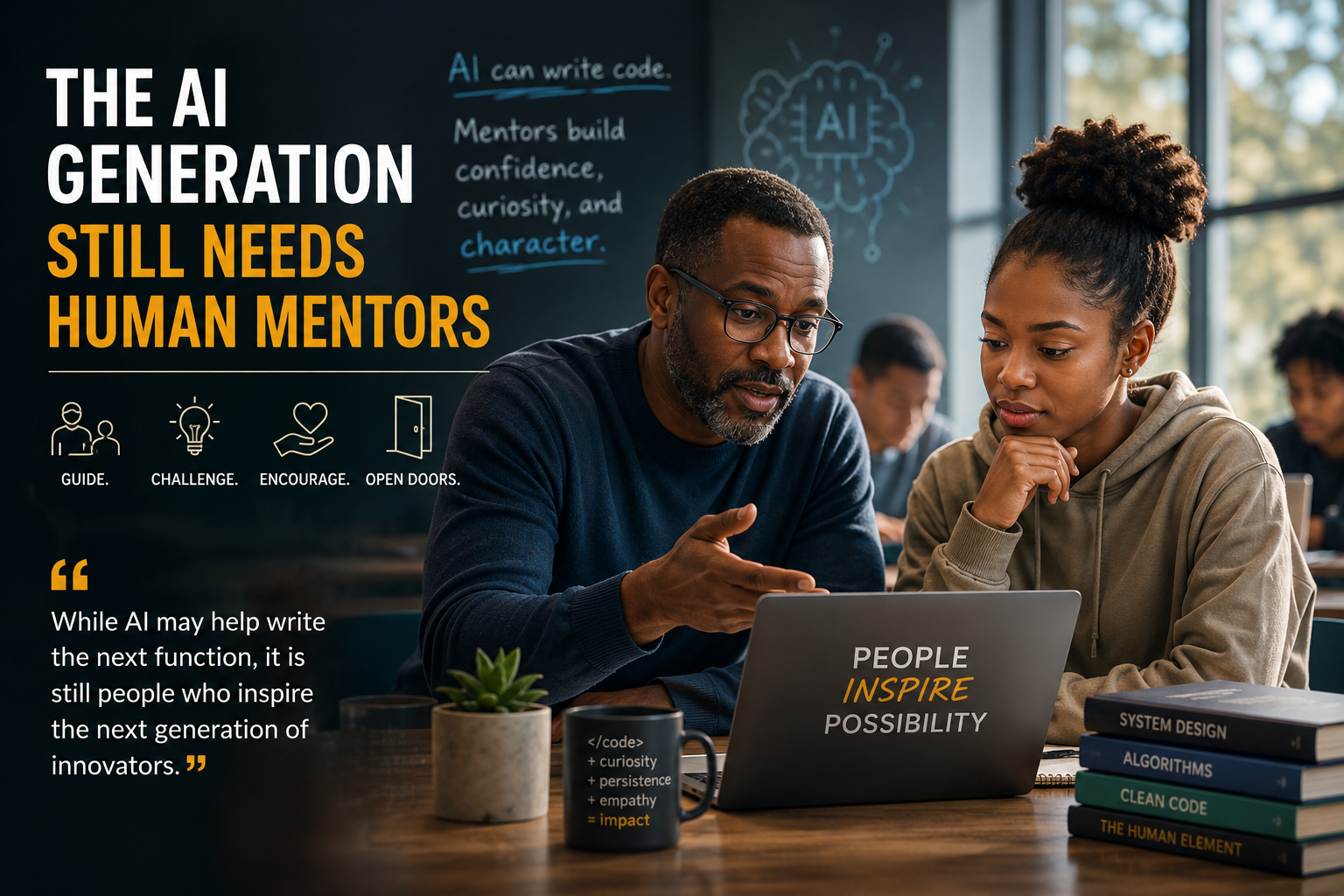
A mentor gives you advice. A sponsor creates opportunities.
By Dr. Kai Dupe August 20, 2026
Representation alone will not solve the persistent racial disparities in computing.
By Dr. Kai Dupe July 28, 2026
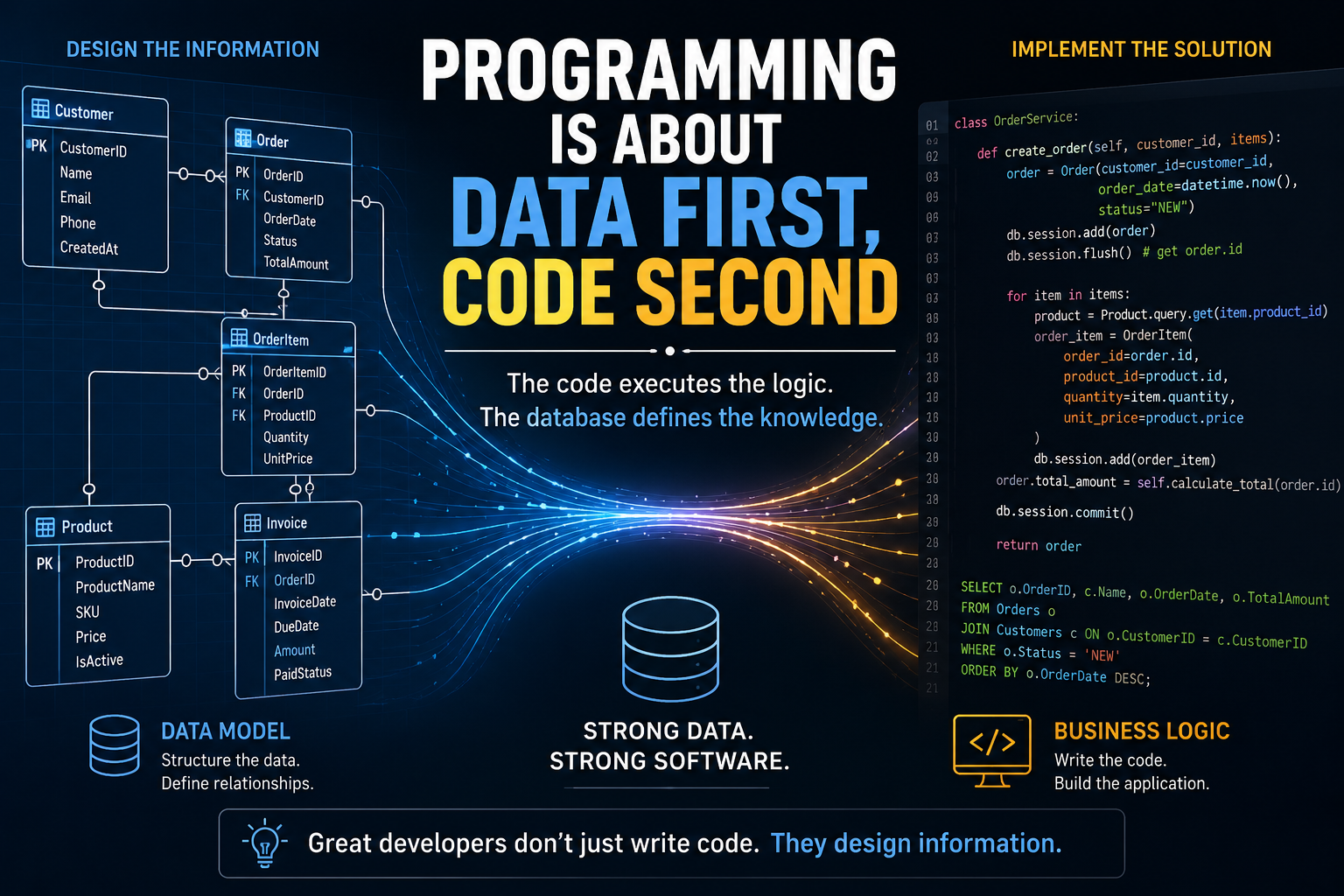
The truth is that most software applications exist to manage information.
By Dr. Kai Dupe July 1, 2026
Artificial intelligence has become the newest member of nearly every software development team.
By Dr. Kai Dupe June 17, 2026
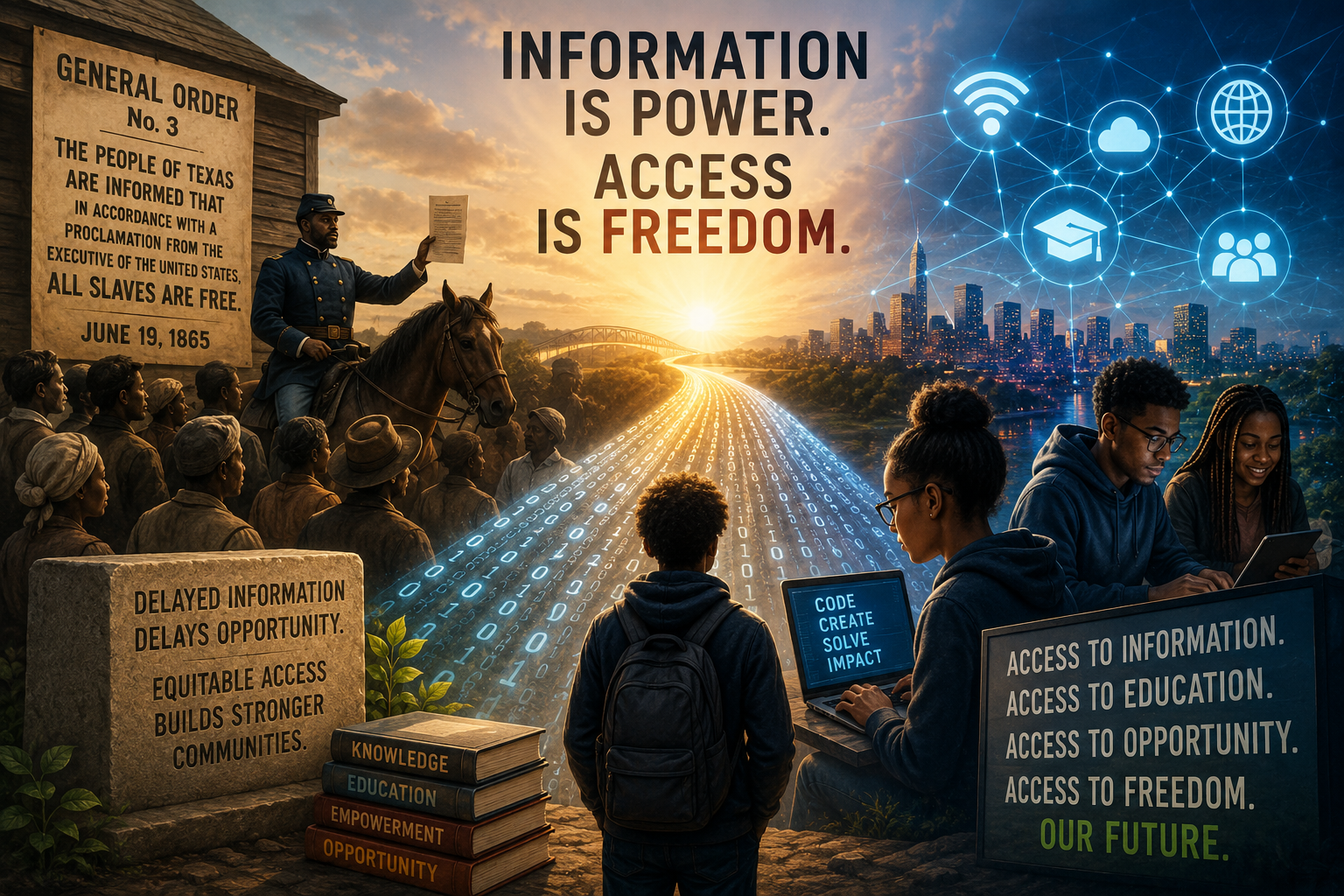
The true promise of computing is not found in the machines we build, but in the human potential we unlock when knowledge becomes accessible to everyone.
By Dr. Kai Dupe June 3, 2026
One of the reasons I value the MCT program so highly is that it represents more than technical knowledge.
By Dr. Kai Dupe May 22, 2026
Software engineering is not simply coding.
By Dr. Kai Dupe May 15, 2026
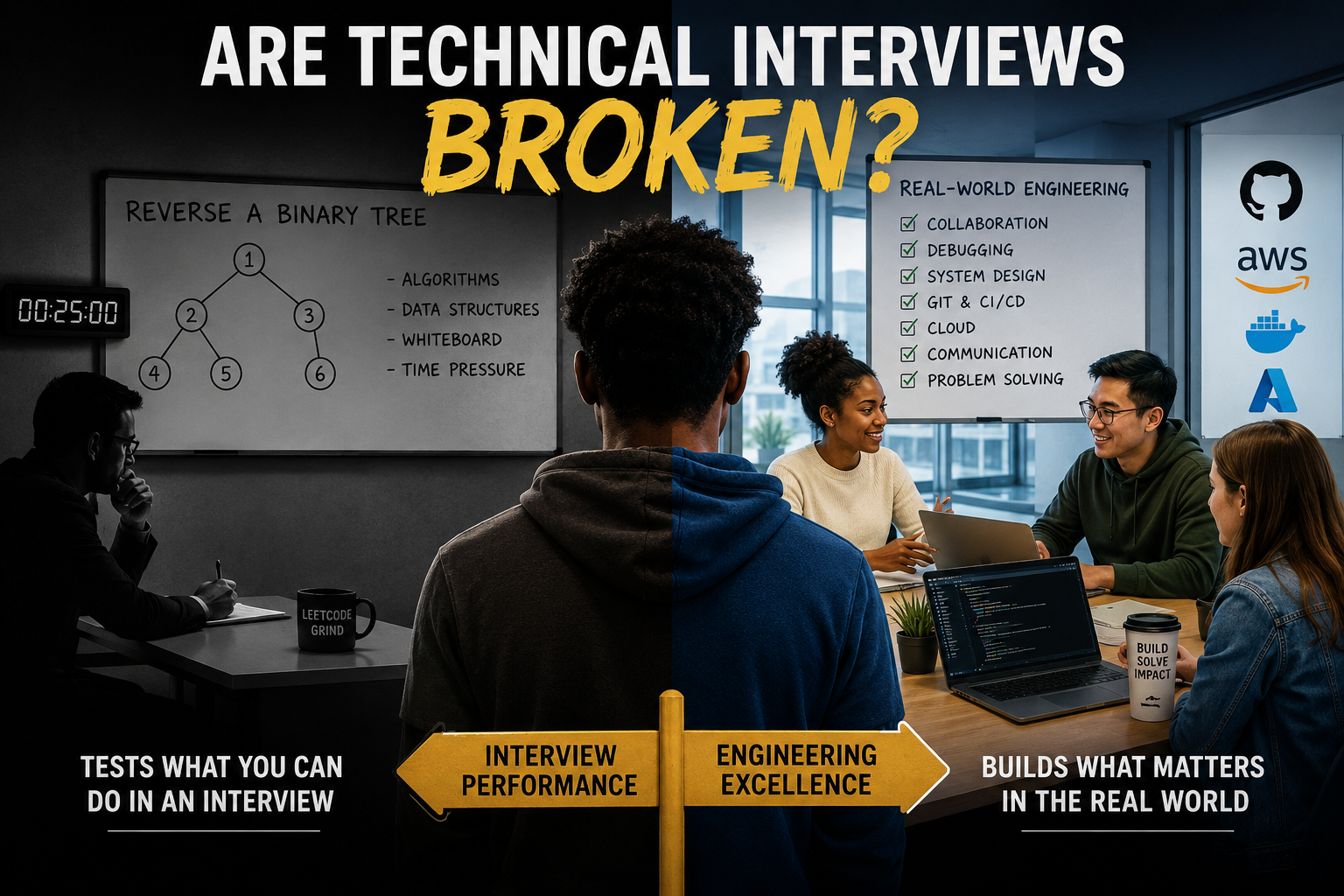
Companies often promote the idea that technical skill alone determines success.
By Dr. Kai Dupe May 3, 2026
Hackathons also strengthen teamwork and communication skills.
By Dr. Kai Dupe April 22, 2026
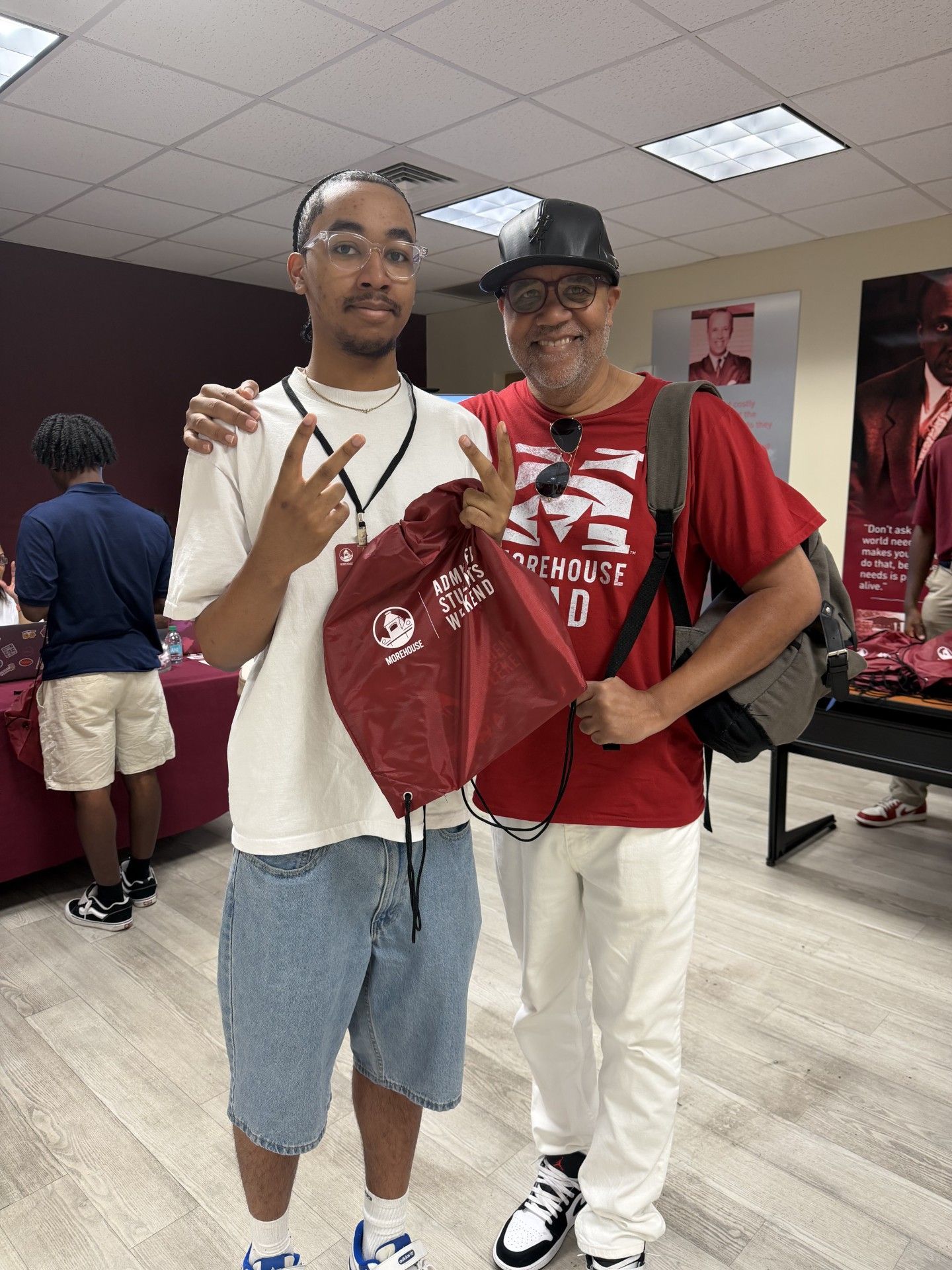
Stepping onto the campus of Morehouse College this past weekend for Admitted Students Day was more than a visit—it was a moment of reflection. As I watched young Black men walk with purpose across the yard, I found myself asking a simple but profound question: What would it have been like for me to study computer science here? My journey into computing was shaped in environments where I was often the only Black man in the room. That reality brings with it an unspoken weight—the need to prove you belong, the awareness of being watched, and sometimes, the quiet isolation that comes with underrepresentation. Standing at Morehouse, I realized that this burden is not a given. It is a condition of the environment. At Morehouse, the environment is different by design. Here, Black men are not anomalies—they are the standard. I imagined what it would feel like to learn algorithms, data structures, and software development in a space where my identity was not questioned but affirmed. Where excellence is expected, not in spite of who you are, but because of it. As a computer science professor, I understand the academic rigor required to succeed in this field. There is no shortcut through recursion, no bypass around debugging, no substitute for disciplined problem-solving. But what struck me during my visit is how much context matters. When students are free from the psychological burden of proving they belong, they can redirect that energy toward mastering the material. They can collaborate more openly, ask questions more freely, and take intellectual risks without fear. I also thought about legacy. At Morehouse, students walk the same grounds as Martin Luther King Jr.. That kind of history does something to a person. It raises the bar—not just academically, but personally. It invites students to see their education not just as a pathway to a career, but as preparation for impact. Leaving campus, I felt inspired—but also reflective. I cannot rewrite my journey, but I can appreciate what spaces like Morehouse offer the next generation. For a Black male pursuing computer science, it is more than a degree. It is an opportunity to develop skill, confidence, and identity in alignment. And that combination is powerful.