Mastering the Art of Debugging: Techniques Every Programmer Should Know

Dr. Kai Dupe • October 27, 2024

Debugging is both a science and an art for programmers, essential for delivering high-quality software.
Debugging is both a science and an art for programmers, essential for delivering high-quality software. Bugs can range from subtle logic errors to critical crashes, and efficiently fixing them requires a toolkit of strategies and a strong problem-solving mindset. Here are some of the best techniques programmers use to debug software and tackle issues effectively.


Understanding the Problem
Effective debugging starts with a clear understanding of the problem. This involves reproducing the bug and analyzing its effects on the program. Programmers often break down the issue by asking,
What exactly is going wrong? and Under what conditions does this bug occur? Understanding the problem's specifics makes it easier to pinpoint the bug's origin.


Using Debuggers and Logging
Debugging tools, like GDB, LLDB, or Visual Studio Debugger, are essential for stepping through code line-by-line. These tools allow programmers to inspect variable values, check memory usage, and track the flow of execution. Logging is another powerful technique, as it lets programmers record the program’s behavior at various stages. By strategically placing log statements, they can follow the program’s logic and isolate where things go wrong.


Divide and Conquer
The divide-and-conquer approach is especially effective for larger codebases. Programmers systematically narrow down the bug’s location by isolating sections of code and testing each one. This technique often involves commenting out parts of the code or using conditional breakpoints to focus on smaller code segments until they find the bug.


Rubber Duck Debugging

This quirky method involves explaining the problem out loud, often to a “rubber duck” or another object. Verbalizing the issue helps clarify thought processes and sometimes reveals errors overlooked in silence. Surprisingly effective, this technique helps programmers re-evaluate assumptions and find solutions faster.


Automated Testing and Regression Testing
Automated tests are invaluable for catching bugs early. Unit tests verify that individual functions work as intended, while regression tests ensure new code doesn’t reintroduce old bugs. Writing tests before debugging helps programmers identify exactly when and where a function misbehaves, providing an anchor point for debugging efforts.


Refactoring and Code Readability
Clear, well-organized code is easier to debug. Refactoring, or restructuring code for readability, can reveal hidden bugs or logical flaws. Additionally, reviewing code with fresh eyes or asking a colleague for a peer review can often bring fresh perspectives and insights.


With these techniques, debugging becomes a systematic and less daunting task. Debugging may seem challenging, but by mastering these strategies, programmers can improve their problem-solving skills and deliver more robust software.

By Dr. Kai Dupe September 18, 2026
A mentor gives you advice. A sponsor creates opportunities.
By Dr. Kai Dupe August 20, 2026
Representation alone will not solve the persistent racial disparities in computing.
By Dr. Kai Dupe July 28, 2026
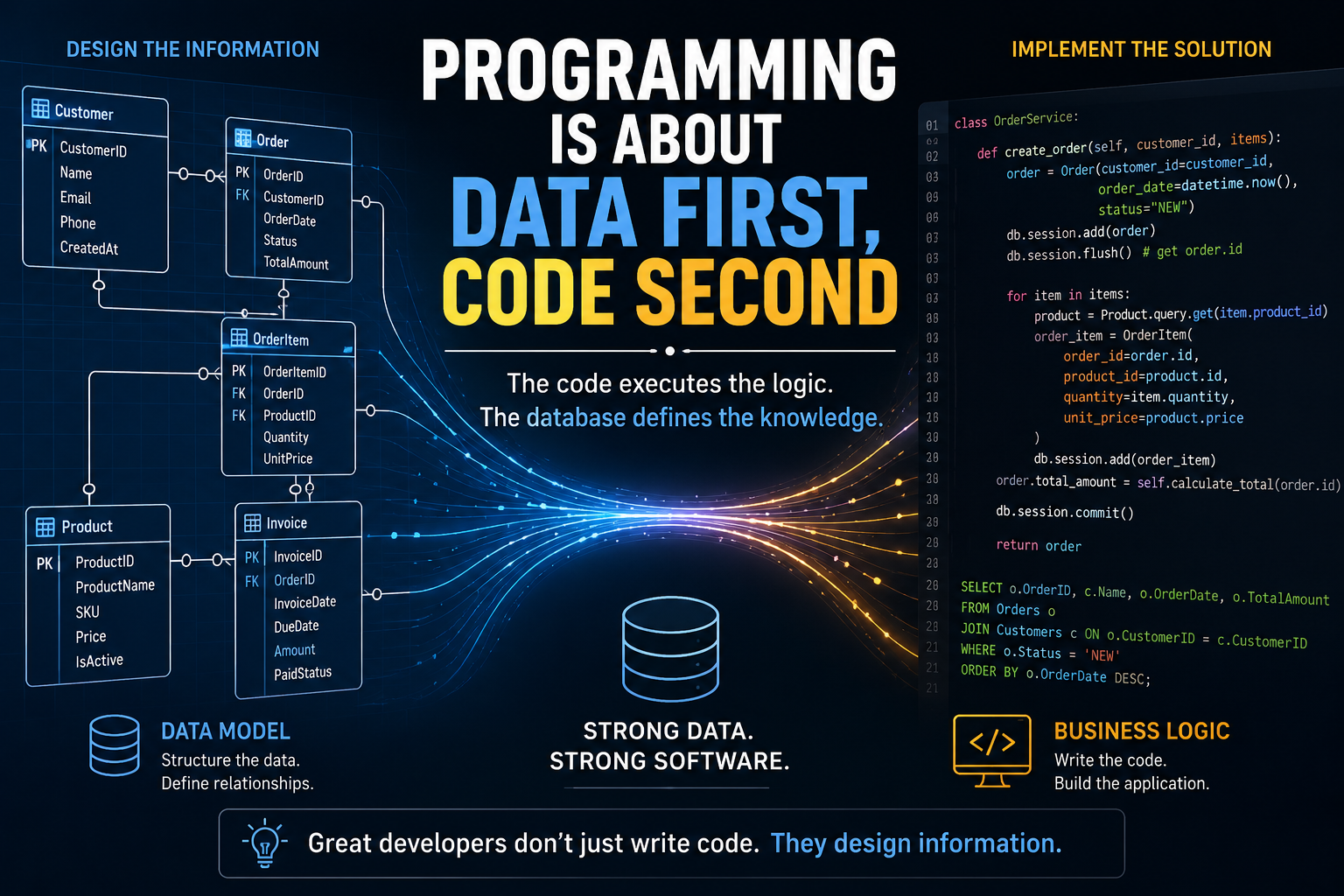
The truth is that most software applications exist to manage information.
By Dr. Kai Dupe July 1, 2026
Artificial intelligence has become the newest member of nearly every software development team.
By Dr. Kai Dupe June 17, 2026
The true promise of computing is not found in the machines we build, but in the human potential we unlock when knowledge becomes accessible to everyone.
By Dr. Kai Dupe June 3, 2026
One of the reasons I value the MCT program so highly is that it represents more than technical knowledge.
By Dr. Kai Dupe May 22, 2026
Software engineering is not simply coding.
By Dr. Kai Dupe May 15, 2026
Companies often promote the idea that technical skill alone determines success.
By Dr. Kai Dupe May 3, 2026
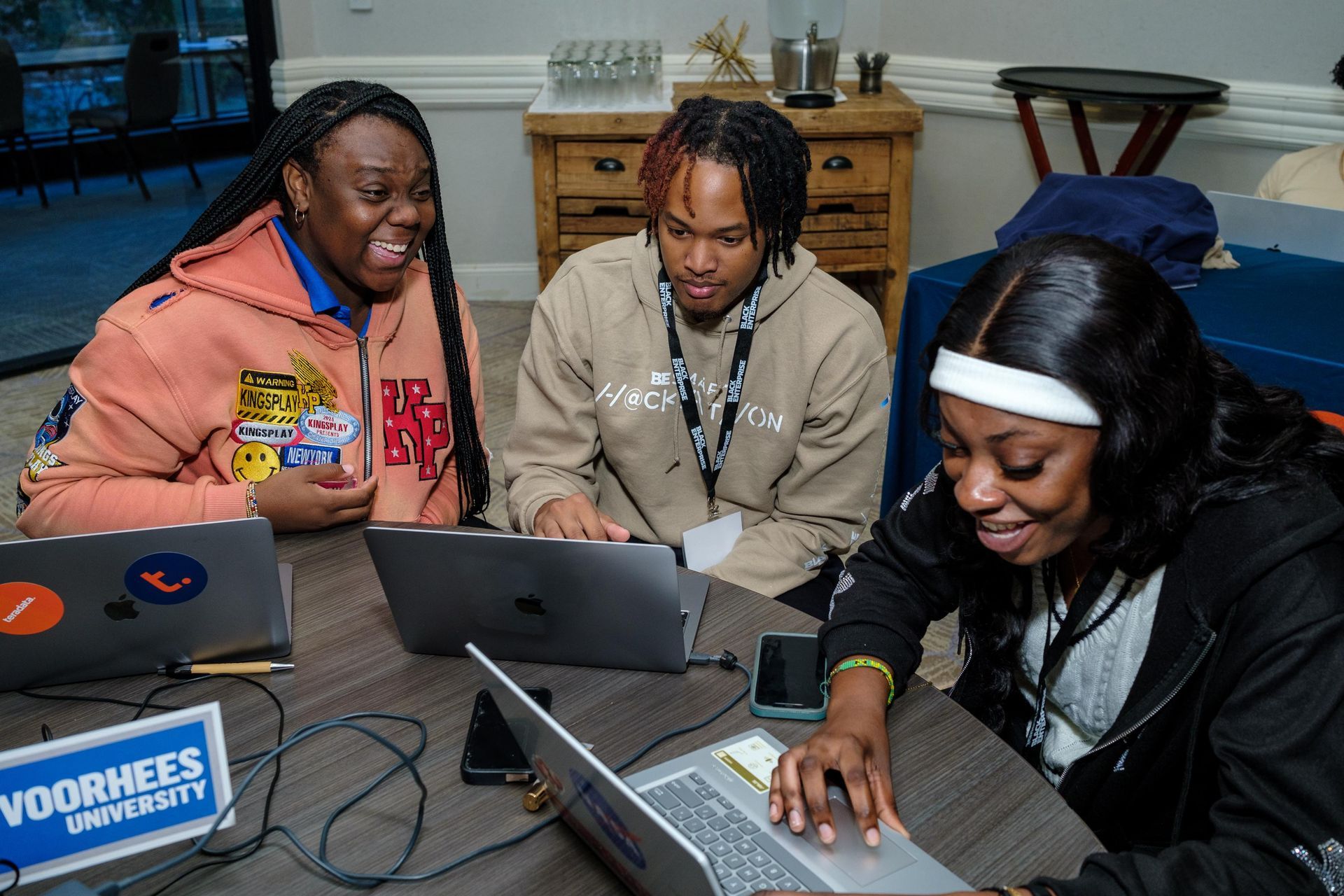
Hackathons also strengthen teamwork and communication skills.
By Dr. Kai Dupe April 22, 2026
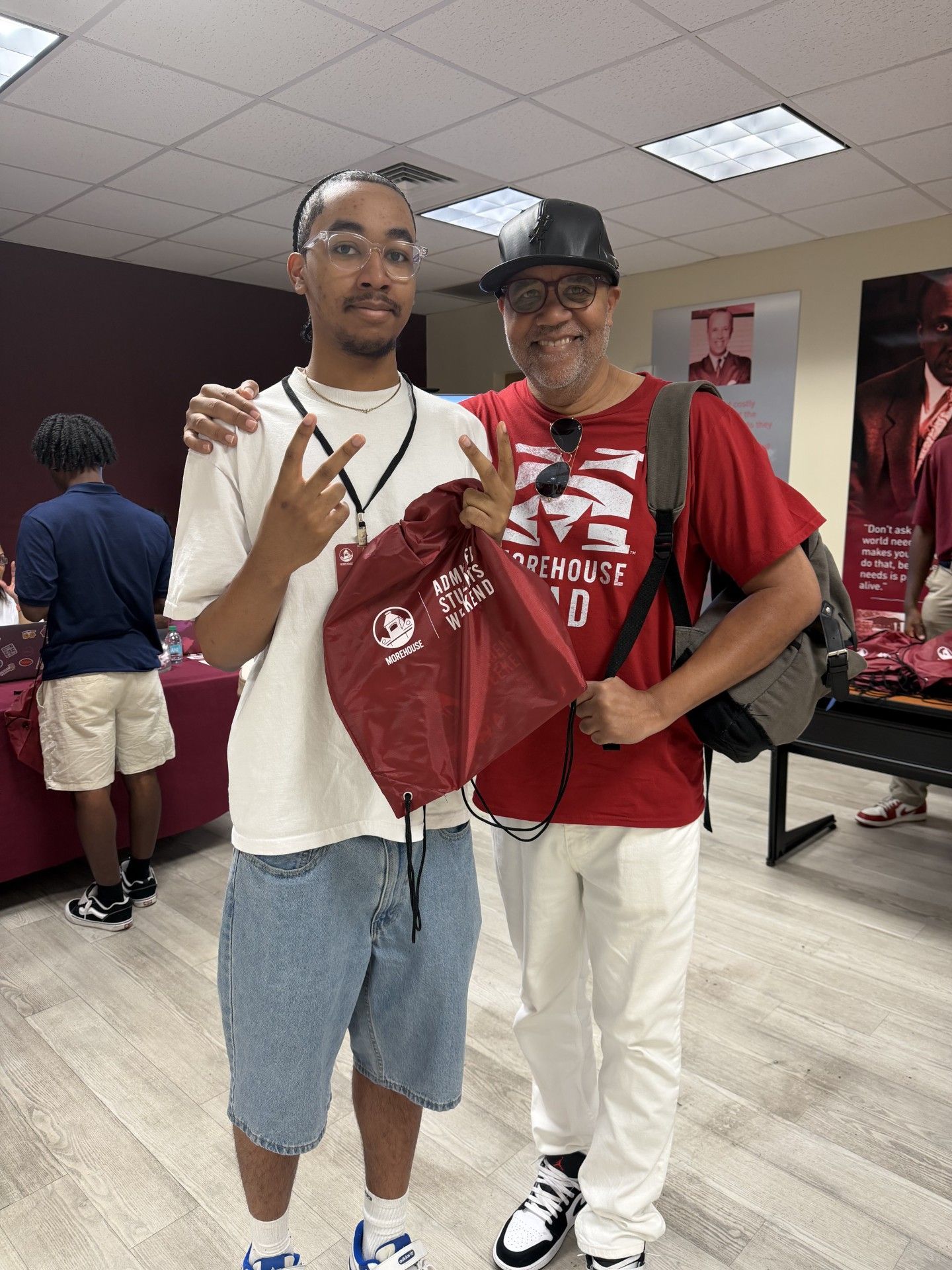
Stepping onto the campus of Morehouse College this past weekend for Admitted Students Day was more than a visit—it was a moment of reflection. As I watched young Black men walk with purpose across the yard, I found myself asking a simple but profound question: What would it have been like for me to study computer science here? My journey into computing was shaped in environments where I was often the only Black man in the room. That reality brings with it an unspoken weight—the need to prove you belong, the awareness of being watched, and sometimes, the quiet isolation that comes with underrepresentation. Standing at Morehouse, I realized that this burden is not a given. It is a condition of the environment. At Morehouse, the environment is different by design. Here, Black men are not anomalies—they are the standard. I imagined what it would feel like to learn algorithms, data structures, and software development in a space where my identity was not questioned but affirmed. Where excellence is expected, not in spite of who you are, but because of it. As a computer science professor, I understand the academic rigor required to succeed in this field. There is no shortcut through recursion, no bypass around debugging, no substitute for disciplined problem-solving. But what struck me during my visit is how much context matters. When students are free from the psychological burden of proving they belong, they can redirect that energy toward mastering the material. They can collaborate more openly, ask questions more freely, and take intellectual risks without fear. I also thought about legacy. At Morehouse, students walk the same grounds as Martin Luther King Jr.. That kind of history does something to a person. It raises the bar—not just academically, but personally. It invites students to see their education not just as a pathway to a career, but as preparation for impact. Leaving campus, I felt inspired—but also reflective. I cannot rewrite my journey, but I can appreciate what spaces like Morehouse offer the next generation. For a Black male pursuing computer science, it is more than a degree. It is an opportunity to develop skill, confidence, and identity in alignment. And that combination is powerful.