Reimagining Independence: Why Some Black Americans Choose Not to Celebrate the 4th of July

Kai Dupé • July 3, 2023

What Should the Fourth of July Mean to the descendants of slaves?

The 4th of July, a day synonymous with American patriotism and celebration, holds a different meaning for many Black Americans. As we reflect on the history of our nation, it becomes essential to acknowledge the complex relationship that exists between Black Americans and the 4th of July. In this blog post, we explore why some Black Americans choose not to celebrate this holiday, highlighting the historical context and ongoing struggles for equality and justice.


On July 4, 1776, the United States declared its independence from British rule, but this declaration of freedom did not extend to all. While celebrating independence, it is crucial to remember that millions of Black people were still held in bondage. Slavery persisted for nearly a century after the nation's founding, a painful reminder of the contradictions within the ideals of freedom and equality upon which America was built.


Black Americans have faced centuries of systemic oppression, racism, and discrimination. From the era of slavery to Jim Crow laws, segregation, and ongoing racial inequalities, the promise of equality and justice for all remains unfulfilled. The 4th of July, seen by some as a celebration of freedom and equality, can be a painful reminder of the persistent disparities and challenges faced by Black communities.


For some Black Americans, refraining from celebrating the 4th of July is a way to reclaim independence and celebrate on their own terms. It is an opportunity to honor the resilience, resistance, and contributions of Black ancestors who fought for liberation and continue to strive for equality. By shifting the focus to community, self-determination, and promoting social justice, alternative celebrations and gatherings are becoming avenues for meaningful reflection and progress.


Choosing not to celebrate the 4th of July can serve as a platform to amplify the voices and stories often marginalized in mainstream historical narratives. By highlighting lesser-known figures and events in Black history, we can shed light on the struggles, achievements, and contributions of Black Americans throughout the nation's history. This recontextualization provides an opportunity for critical reflection and a deeper understanding of the ongoing fight for justice.


Rather than solely engaging in celebratory activities, some Black Americans prioritize advocating for tangible change and dismantling systemic racism. They channel their energies into grassroots activism, community organizing, voter registration efforts, and other forms of social and political engagement. By focusing on the pursuit of justice, they actively contribute to shaping a more equitable society.


As we commemorate the 4th of July, it is crucial to acknowledge the complexities and varied perspectives surrounding this holiday. For some Black Americans, the decision not to celebrate is rooted in historical context, ongoing struggles for equality, and a desire to redefine independence on their own terms. By recognizing these perspectives and engaging in critical reflection, we can collectively work towards building a more inclusive and just society for all.


By Dr. Kai Dupe September 18, 2026
A mentor gives you advice. A sponsor creates opportunities.
By Dr. Kai Dupe August 20, 2026
Representation alone will not solve the persistent racial disparities in computing.
By Dr. Kai Dupe July 28, 2026
The truth is that most software applications exist to manage information.
By Dr. Kai Dupe July 1, 2026
Artificial intelligence has become the newest member of nearly every software development team.
By Dr. Kai Dupe June 17, 2026
The true promise of computing is not found in the machines we build, but in the human potential we unlock when knowledge becomes accessible to everyone.
By Dr. Kai Dupe June 3, 2026
One of the reasons I value the MCT program so highly is that it represents more than technical knowledge.
By Dr. Kai Dupe May 22, 2026
Software engineering is not simply coding.
By Dr. Kai Dupe May 15, 2026
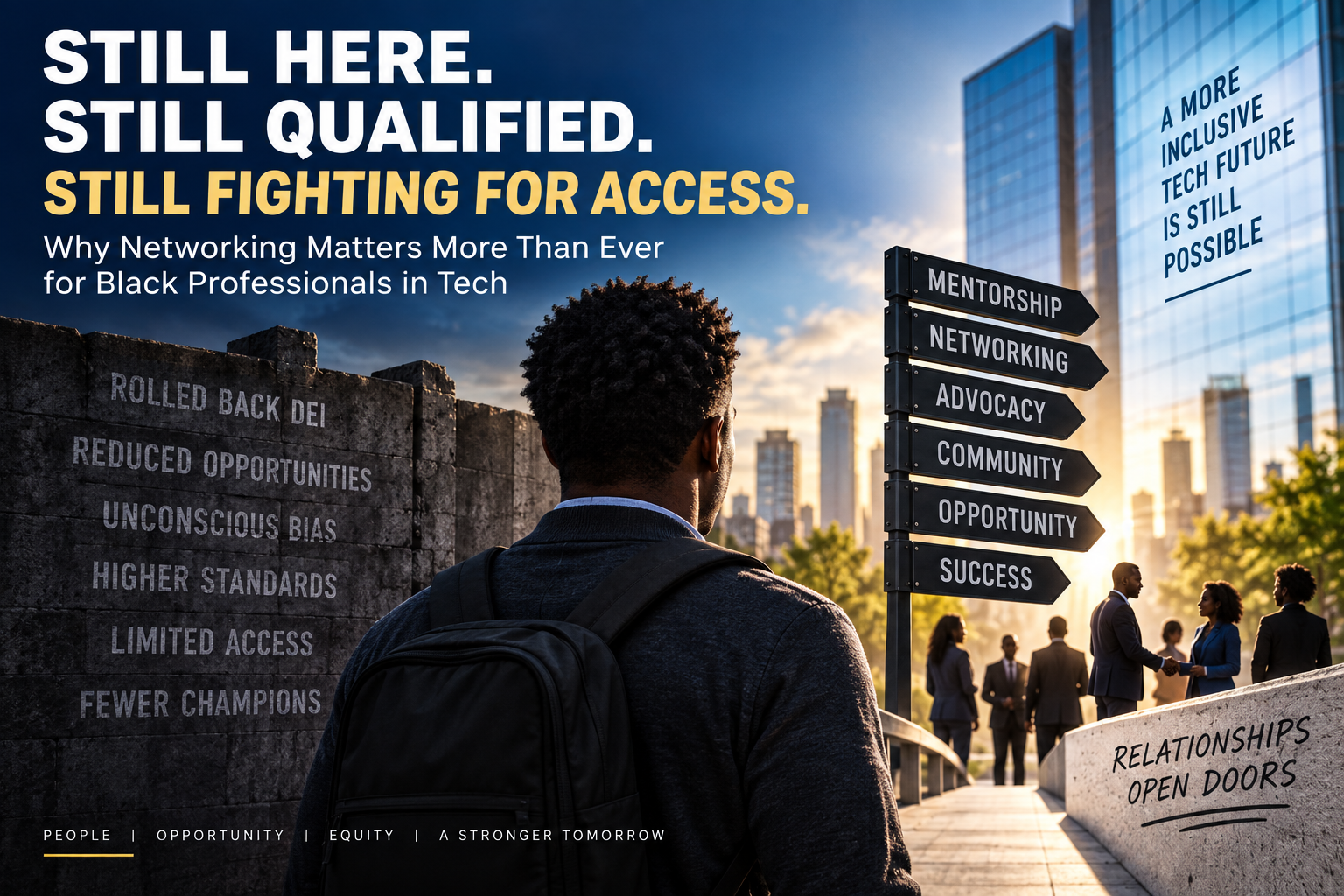
Companies often promote the idea that technical skill alone determines success.
By Dr. Kai Dupe May 3, 2026
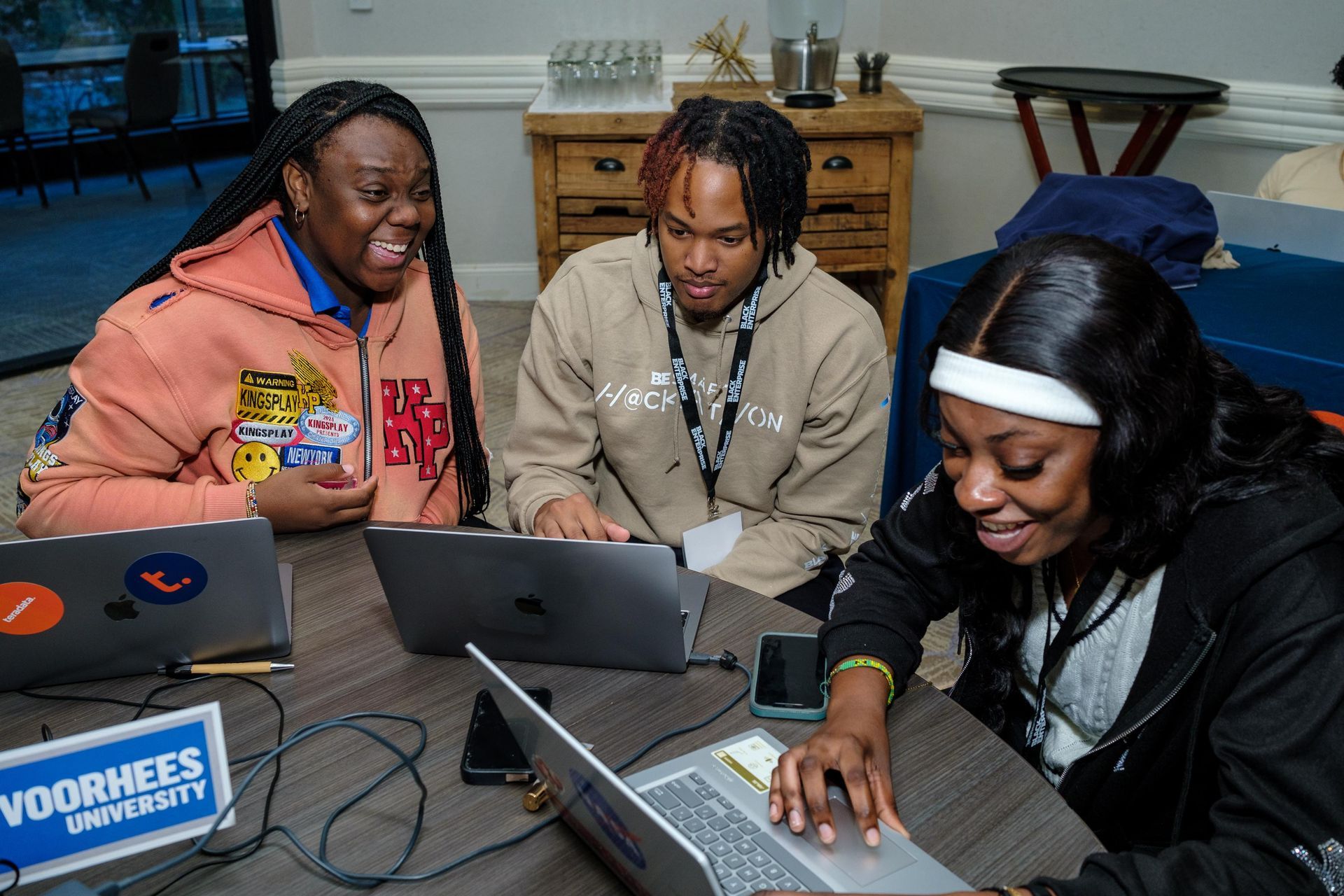
Hackathons also strengthen teamwork and communication skills.
By Dr. Kai Dupe April 22, 2026
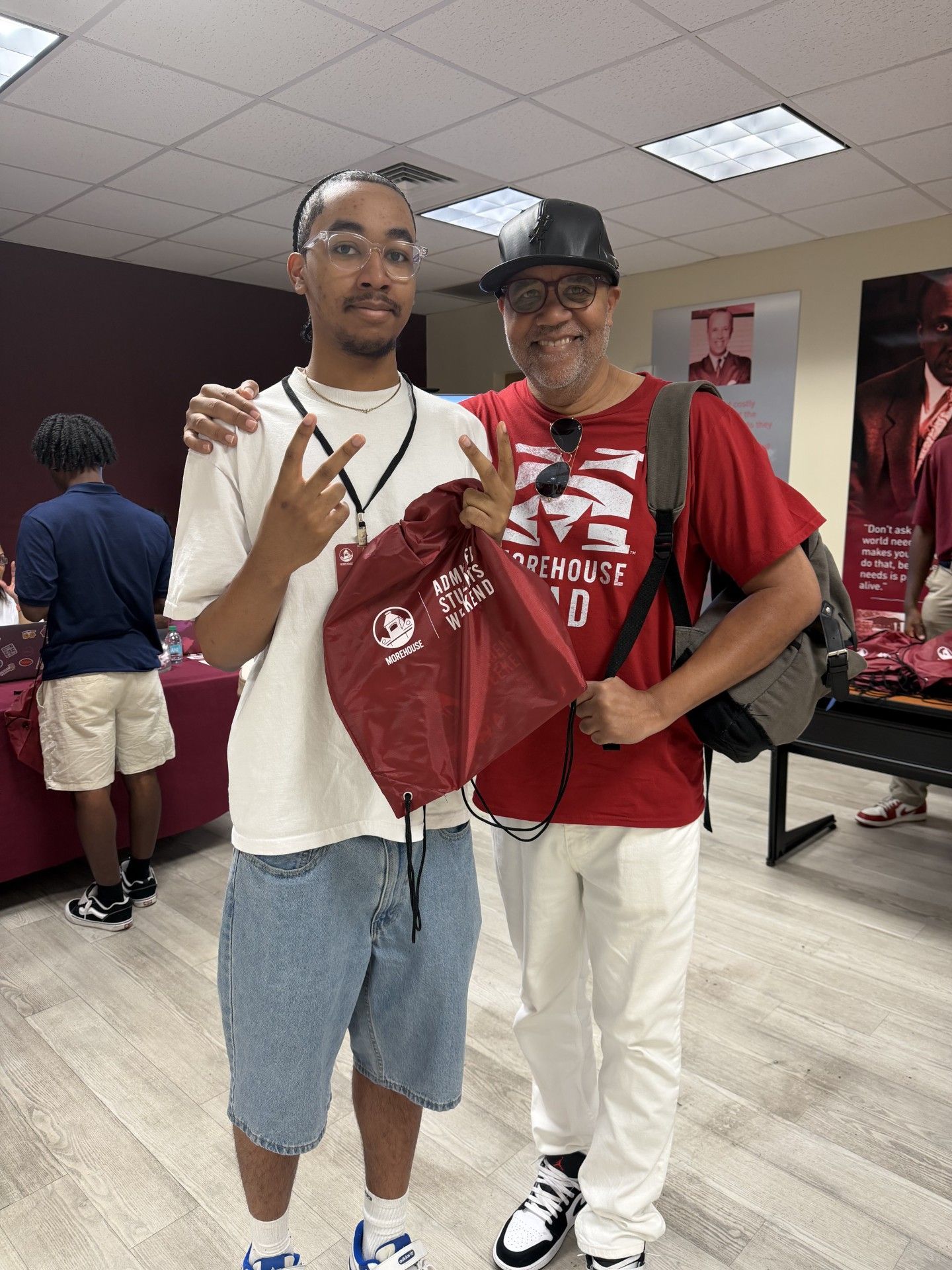
Stepping onto the campus of Morehouse College this past weekend for Admitted Students Day was more than a visit—it was a moment of reflection. As I watched young Black men walk with purpose across the yard, I found myself asking a simple but profound question: What would it have been like for me to study computer science here? My journey into computing was shaped in environments where I was often the only Black man in the room. That reality brings with it an unspoken weight—the need to prove you belong, the awareness of being watched, and sometimes, the quiet isolation that comes with underrepresentation. Standing at Morehouse, I realized that this burden is not a given. It is a condition of the environment. At Morehouse, the environment is different by design. Here, Black men are not anomalies—they are the standard. I imagined what it would feel like to learn algorithms, data structures, and software development in a space where my identity was not questioned but affirmed. Where excellence is expected, not in spite of who you are, but because of it. As a computer science professor, I understand the academic rigor required to succeed in this field. There is no shortcut through recursion, no bypass around debugging, no substitute for disciplined problem-solving. But what struck me during my visit is how much context matters. When students are free from the psychological burden of proving they belong, they can redirect that energy toward mastering the material. They can collaborate more openly, ask questions more freely, and take intellectual risks without fear. I also thought about legacy. At Morehouse, students walk the same grounds as Martin Luther King Jr.. That kind of history does something to a person. It raises the bar—not just academically, but personally. It invites students to see their education not just as a pathway to a career, but as preparation for impact. Leaving campus, I felt inspired—but also reflective. I cannot rewrite my journey, but I can appreciate what spaces like Morehouse offer the next generation. For a Black male pursuing computer science, it is more than a degree. It is an opportunity to develop skill, confidence, and identity in alignment. And that combination is powerful.