The Best Path to Becoming a Software Developer

Kai Dupé • March 14, 2022

Bootcamps or Certification.  Which pathway is best for me?

I am often asked to give my thoughts about what are the best ways to get into the tech industry.  I may be a little biased but in my opinion the best route is to earn an undergraduate degree in computer science from an accredited university.  While I understand this may not be an option for many because college can be very expensive.  In fact, without financial aid, it would not have been an option for me. With that being said, you should take the route that is best for you and today there are several options available to you than what was available to me in the early eighties.


If you can afford college I stand by my position that college is your best route.  Other options that are popular these days are certifications, boot camps, auto didactic, and on the job training.  If you are fortunate enough to land a paid internship or an on the job training program that in my opinion would be the next best thing to college.  It may even be better because you are learning from those who are actually doing the work and you are drawing a paycheck while you learn.  And more than likely if you do well you will be offered a position once the training is done.  It is a win-win.  It is hard to see a downside.


Earning a certification is another popular option.  I am a fan of tech certifications.  In fact, in my role as a technical trainer for Microsoft, a huge part of my job is to earn and maintain a healthy slate of certifications.  I have been earning certifications since 2005.  There is a huge opportunity here.  Because there is such a shortage of tech talent in the world right now, many companies give a great deal of respect to someone who has earned a certification. 


And because of that I do see it is a viable means to enter the tech industry.  In fact, there are those who have setup shop and are offering their services to help you to earn your certification, a kind of certification preparation if you will.  You go through their program and they help you to pass the certification.  You can then use that certification to apply and possibly land a job in the tech industry. 


My least favorite method is attending a boot camp.  The duration of most of these boot camps are 6 months or less.  You simply are not going to be properly prepared in such a short time.  However, if the boot camp can guarantee you a job upon graduation that may be worth it.  The completion of the boot camp can be your entry card into the tech world.  That would make the price of the boot camp worth it. 


But you will definitely have much more to learn before you become a valuable employee.  The learning in most boot camps is one dimensional.  The reason I favor many certifications over boot camps is because some boot camps, say those on cloud computing, are focused and that focus can make you knowledgeable about Azure or AWS in a way that gives you an edge working with those technologies.


Ultimately you will simply choose what method works best for you.  Please understand that no matter which way you choose to go it will only be the start of a career that demands of you a journey of lifelong learning.  So, regardless of your choice, you will be learning for the rest of your time in tech no matter what.
By Dr. Kai Dupe September 18, 2026
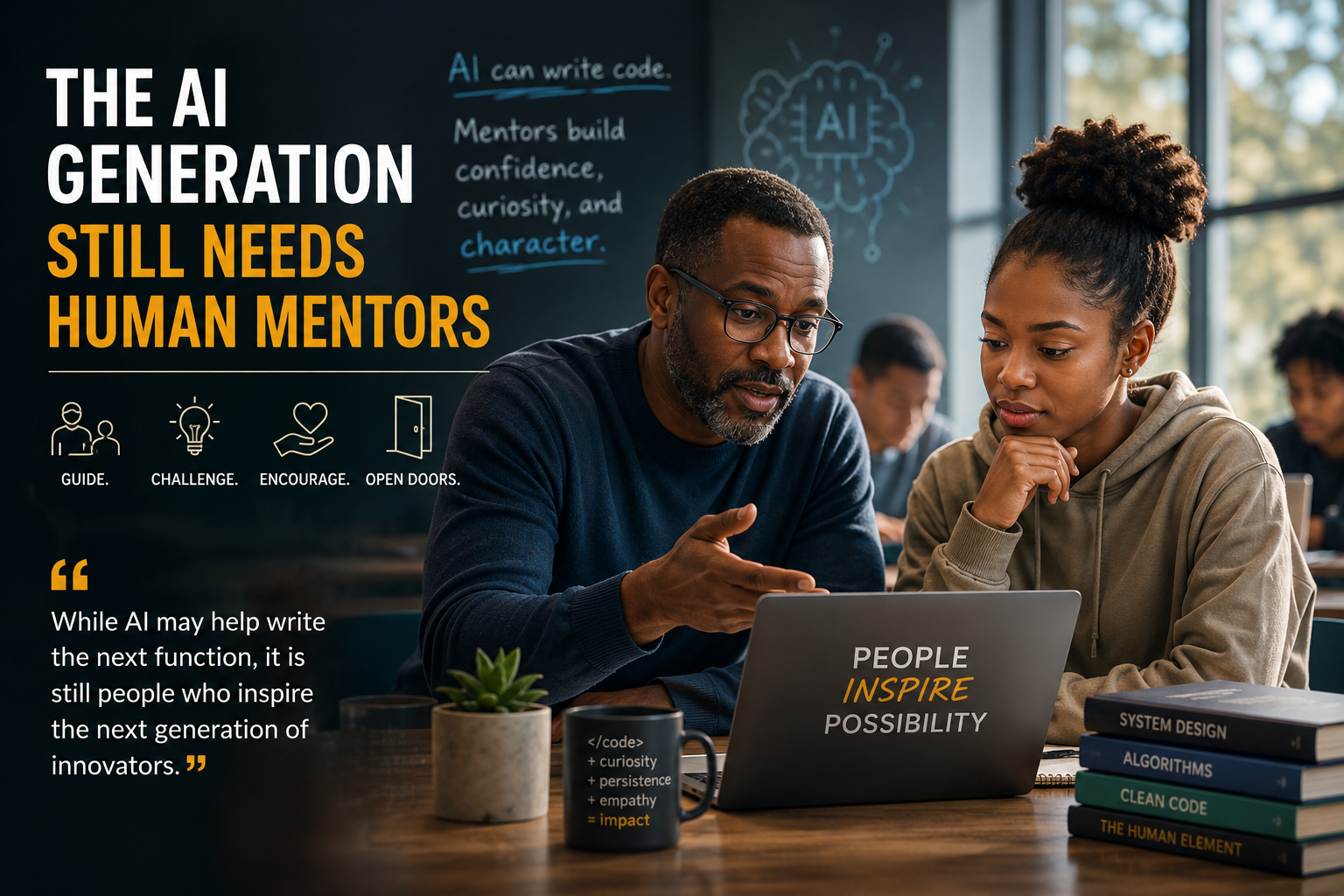
A mentor gives you advice. A sponsor creates opportunities.
By Dr. Kai Dupe August 20, 2026
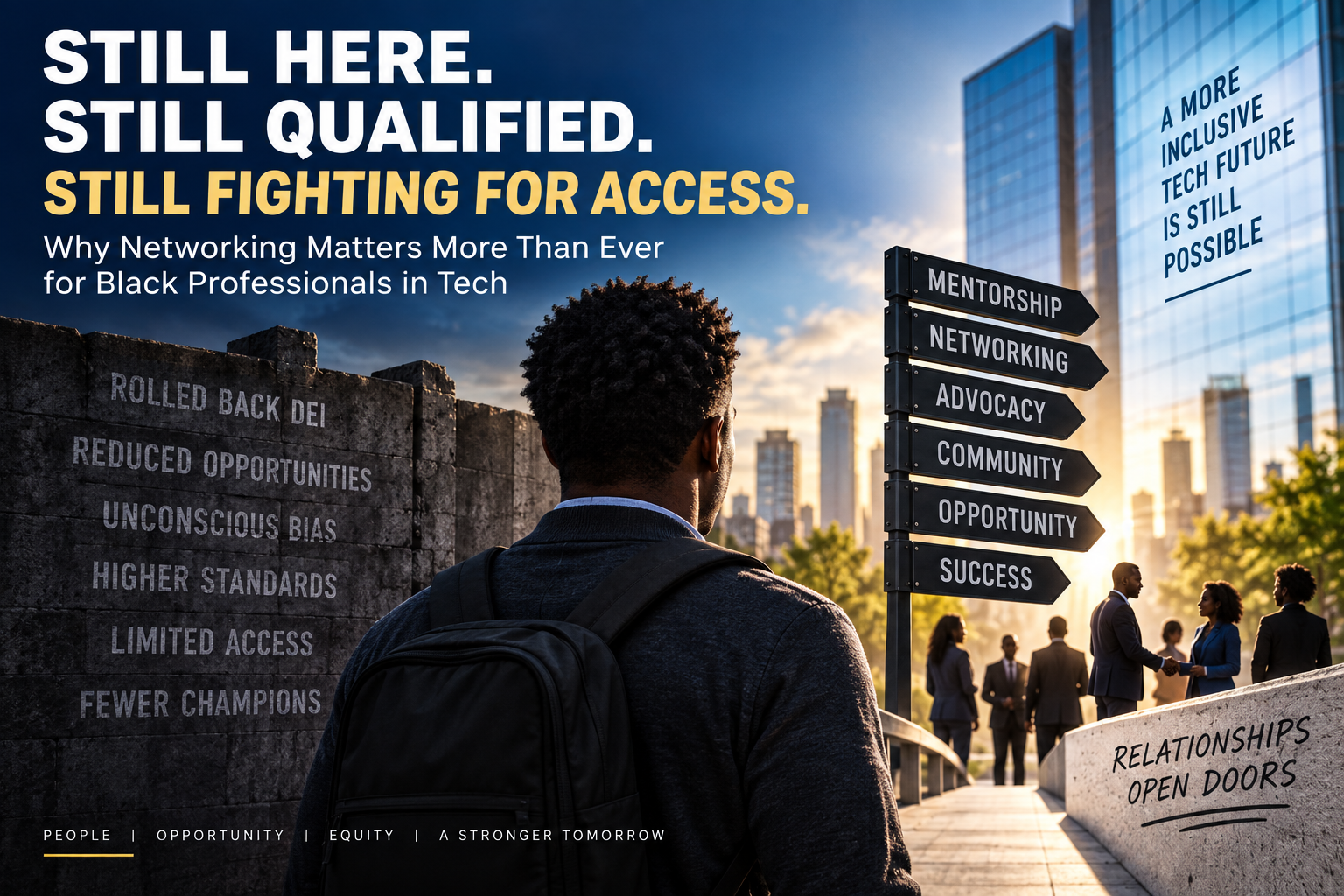
Representation alone will not solve the persistent racial disparities in computing.
By Dr. Kai Dupe July 28, 2026
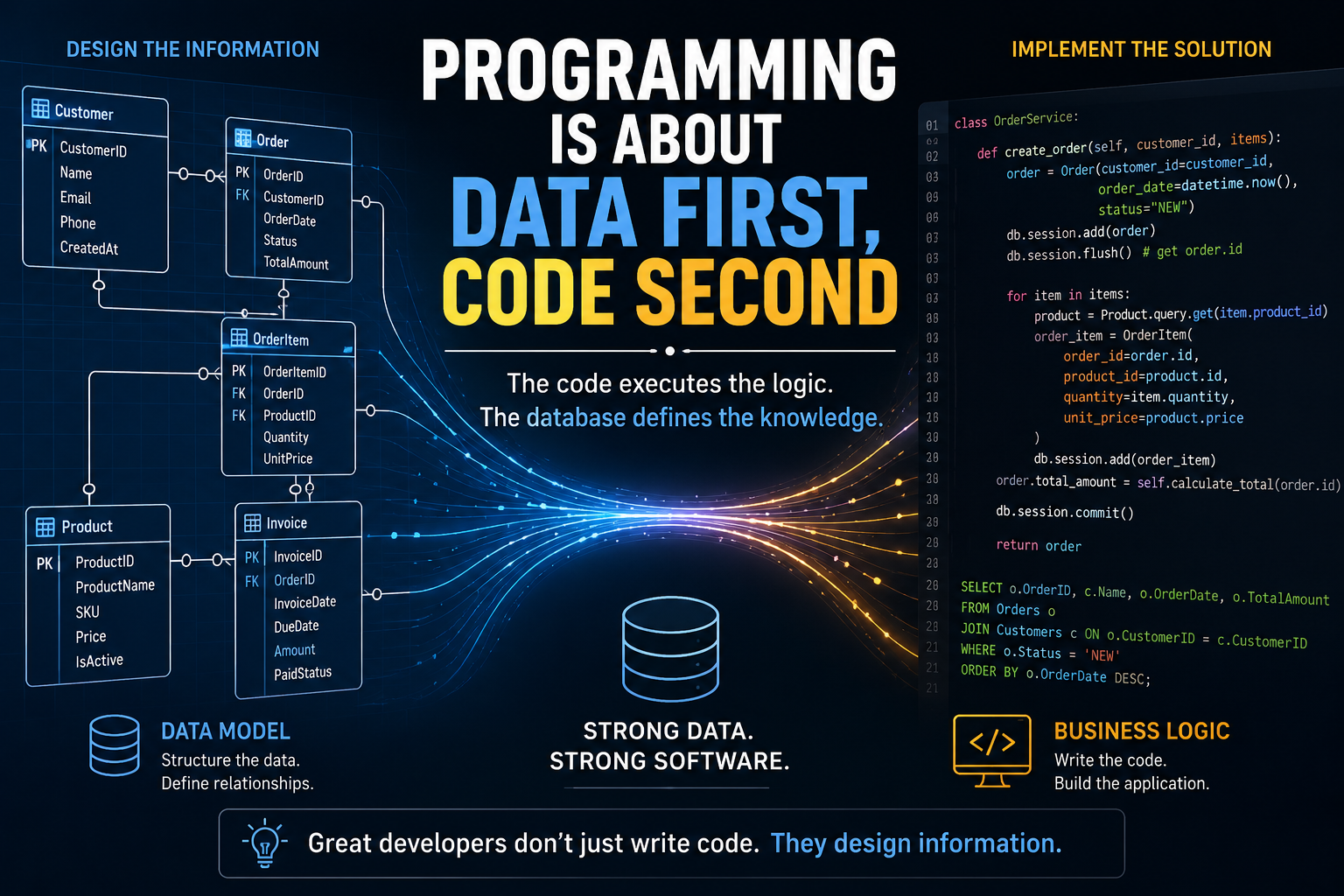
The truth is that most software applications exist to manage information.
By Dr. Kai Dupe July 1, 2026
Artificial intelligence has become the newest member of nearly every software development team.
By Dr. Kai Dupe June 17, 2026
The true promise of computing is not found in the machines we build, but in the human potential we unlock when knowledge becomes accessible to everyone.
By Dr. Kai Dupe June 3, 2026
One of the reasons I value the MCT program so highly is that it represents more than technical knowledge.
By Dr. Kai Dupe May 22, 2026
Software engineering is not simply coding.
By Dr. Kai Dupe May 15, 2026
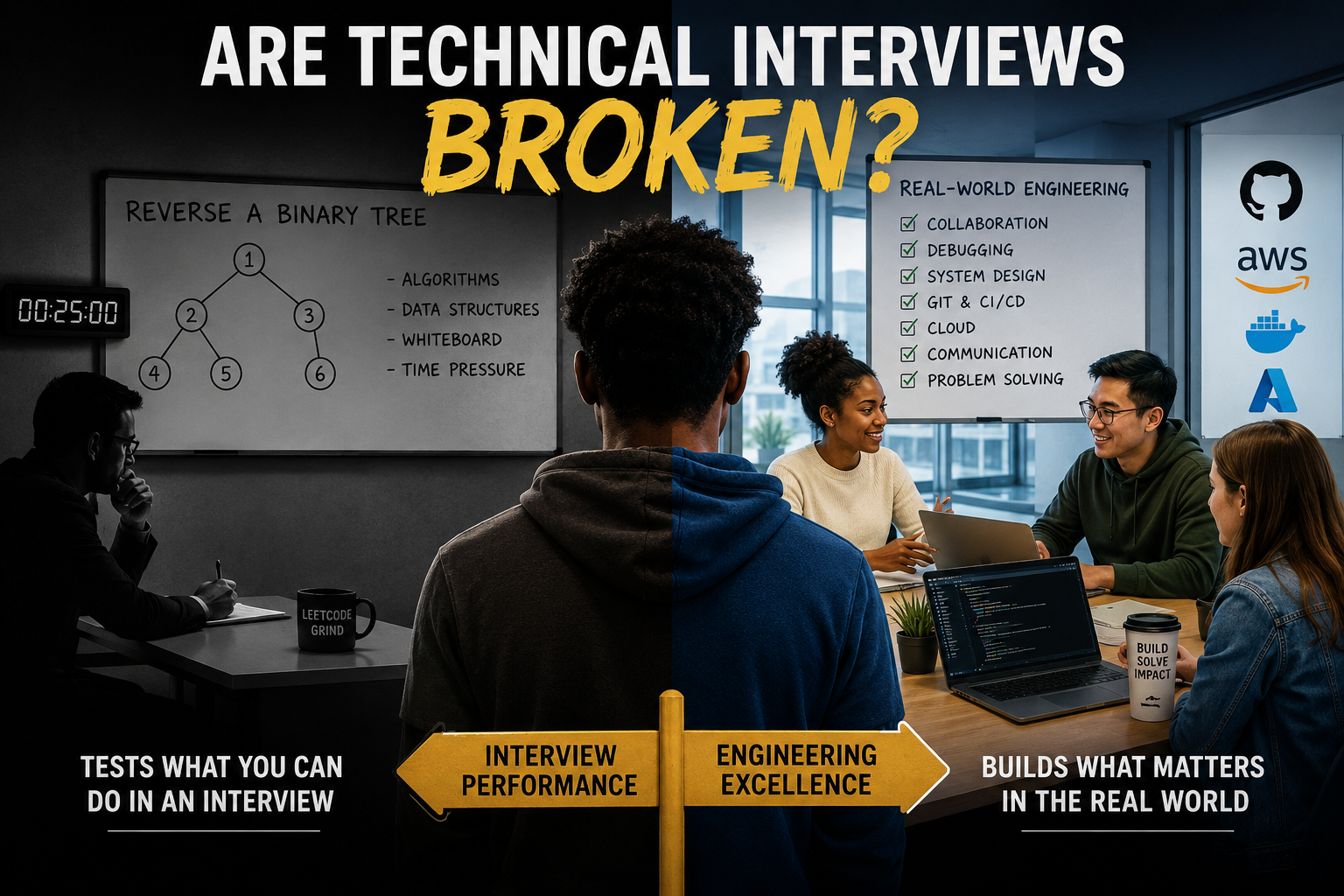
Companies often promote the idea that technical skill alone determines success.
By Dr. Kai Dupe May 3, 2026
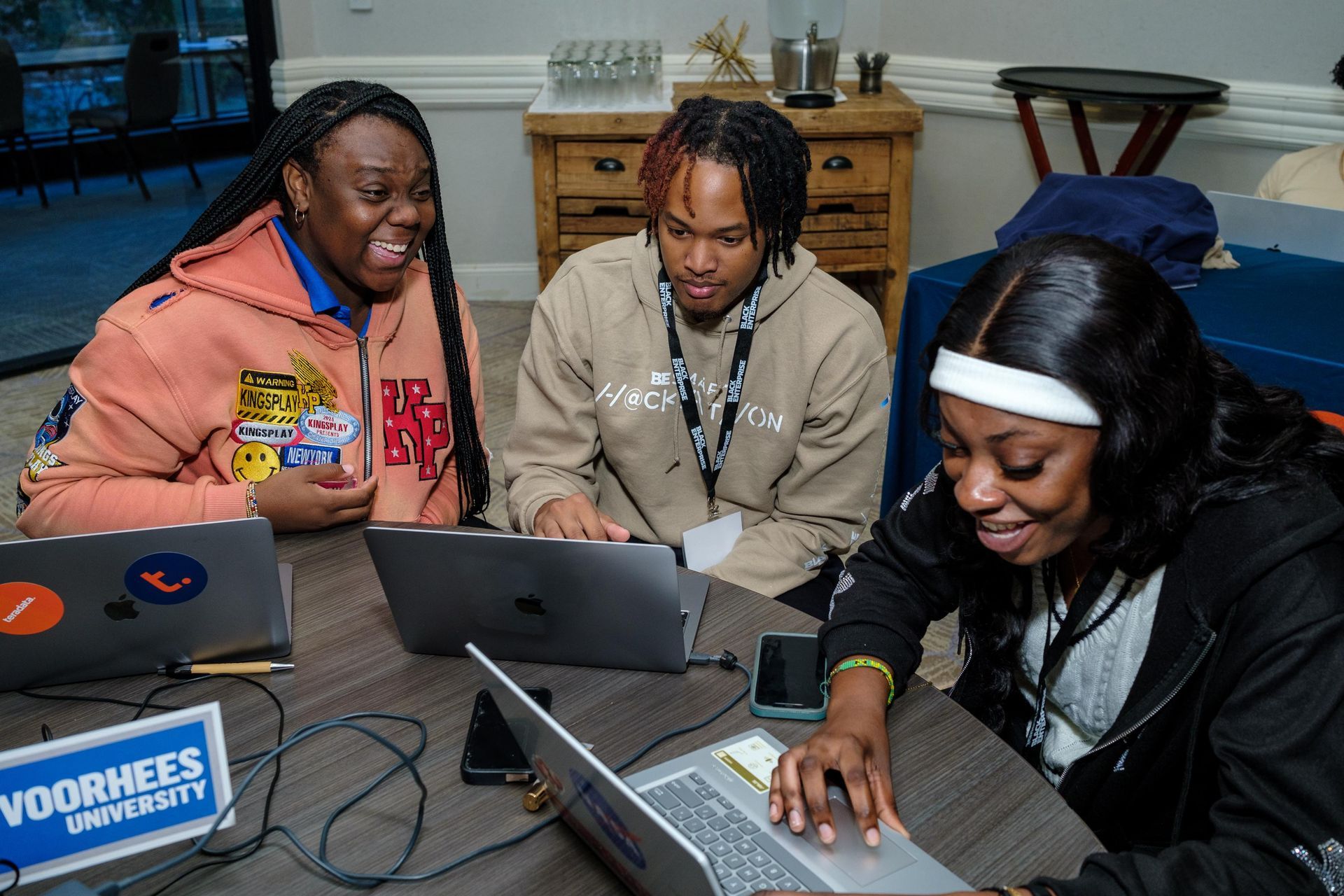
Hackathons also strengthen teamwork and communication skills.
By Dr. Kai Dupe April 22, 2026
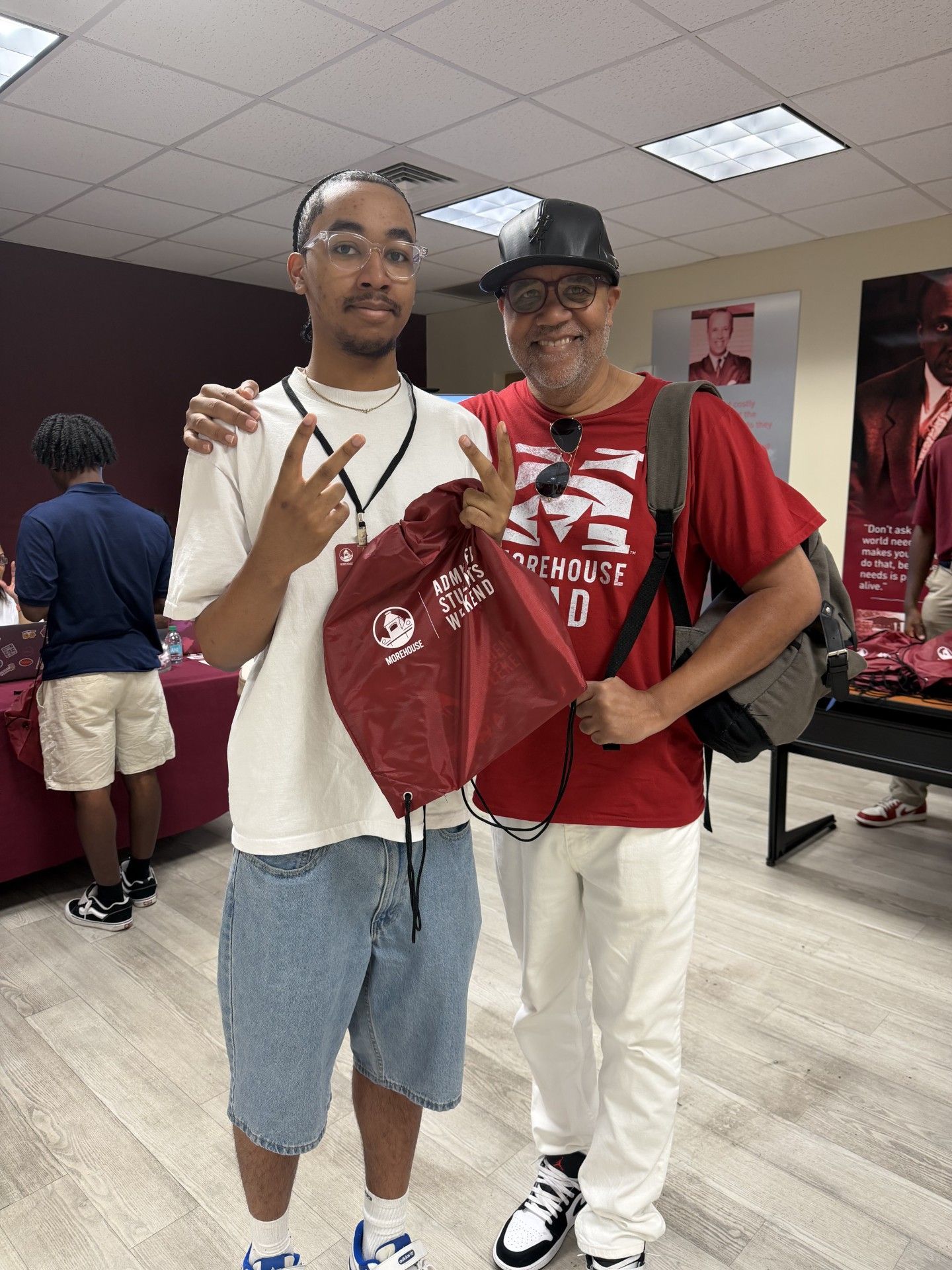
Stepping onto the campus of Morehouse College this past weekend for Admitted Students Day was more than a visit—it was a moment of reflection. As I watched young Black men walk with purpose across the yard, I found myself asking a simple but profound question: What would it have been like for me to study computer science here? My journey into computing was shaped in environments where I was often the only Black man in the room. That reality brings with it an unspoken weight—the need to prove you belong, the awareness of being watched, and sometimes, the quiet isolation that comes with underrepresentation. Standing at Morehouse, I realized that this burden is not a given. It is a condition of the environment. At Morehouse, the environment is different by design. Here, Black men are not anomalies—they are the standard. I imagined what it would feel like to learn algorithms, data structures, and software development in a space where my identity was not questioned but affirmed. Where excellence is expected, not in spite of who you are, but because of it. As a computer science professor, I understand the academic rigor required to succeed in this field. There is no shortcut through recursion, no bypass around debugging, no substitute for disciplined problem-solving. But what struck me during my visit is how much context matters. When students are free from the psychological burden of proving they belong, they can redirect that energy toward mastering the material. They can collaborate more openly, ask questions more freely, and take intellectual risks without fear. I also thought about legacy. At Morehouse, students walk the same grounds as Martin Luther King Jr.. That kind of history does something to a person. It raises the bar—not just academically, but personally. It invites students to see their education not just as a pathway to a career, but as preparation for impact. Leaving campus, I felt inspired—but also reflective. I cannot rewrite my journey, but I can appreciate what spaces like Morehouse offer the next generation. For a Black male pursuing computer science, it is more than a degree. It is an opportunity to develop skill, confidence, and identity in alignment. And that combination is powerful.