The Significance of Tech Certifications: A Piece of the Credential Puzzle

Dr. Kai Dupe • January 1, 2024

There is more to credentials than certifications

In today's rapidly evolving tech landscape, professionals are continually seeking ways to enhance their skills and remain competitive in the job market. One avenue that has gained prominence is earning tech certifications, which undoubtedly offer valuable expertise and industry recognition. However, it's crucial to view certifications as just one piece of the larger credential portfolio puzzle.


Tech certifications are undoubtedly valuable—they validate specific skills, demonstrate a commitment to professional growth, and often lead to increased job opportunities and higher earning potential. Employers frequently use certifications as a quick way to assess a candidate's proficiency in a particular technology or framework. However, relying solely on certifications may not provide a comprehensive picture of an individual's capabilities.


To truly stand out in the tech industry, professionals should consider certifications as part of a broader strategy. A well-rounded credential portfolio includes a mix of formal education, practical experience, and continuous learning. For instance, a candidate with a relevant degree and hands-on project experience may demonstrate a deeper understanding of concepts than someone with certifications alone.


Moreover, the tech industry values adaptability and a willingness to learn. While certifications showcase expertise in specific technologies, they may not always reflect the ability to adapt to new challenges or emerging trends. Employers seek individuals who can navigate the dynamic nature of technology and contribute creatively to problem-solving. This is where a diversified credential portfolio, which may include real-world projects, open-source contributions, or even soft skills like effective communication, becomes crucial.


Another consideration is the vendor-centric nature of many tech certifications. While certifications from major tech companies are undoubtedly valuable, they may not always align with the diverse needs of different organizations. A well-rounded portfolio that encompasses a variety of certifications, including vendor-neutral ones, showcases a broader skill set and a more adaptable approach to technology challenges.


Continuous learning is a cornerstone of success in the tech industry. While certifications provide an excellent foundation, they should be viewed as milestones in a lifelong learning journey. Professionals must engage in ongoing education, stay updated on industry trends, and seek out opportunities for professional development. This commitment to learning not only enhances knowledge but also demonstrates a proactive approach to staying relevant in a fast-paced field.


In conclusion, while tech certifications are undeniably important, they should be seen as just one part of a comprehensive credential portfolio. Professionals looking to thrive in the tech industry should combine certifications with formal education, practical experience, and a commitment to continuous learning. This holistic approach not only enhances employability but also ensures adaptability and sustained success in an ever-evolving technological landscape.
By Dr. Kai Dupe September 18, 2026
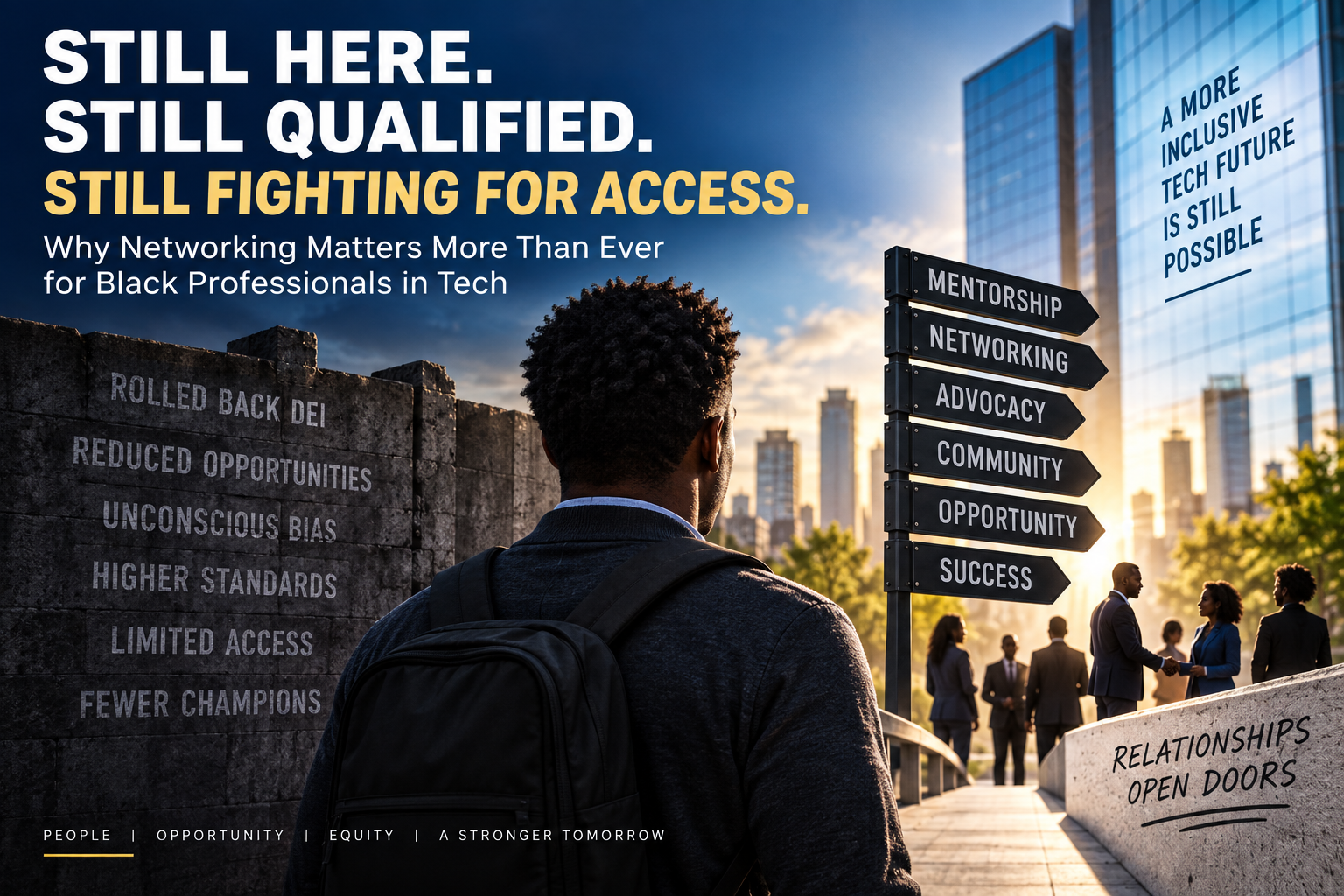
A mentor gives you advice. A sponsor creates opportunities.
By Dr. Kai Dupe August 20, 2026
Representation alone will not solve the persistent racial disparities in computing.
By Dr. Kai Dupe July 28, 2026
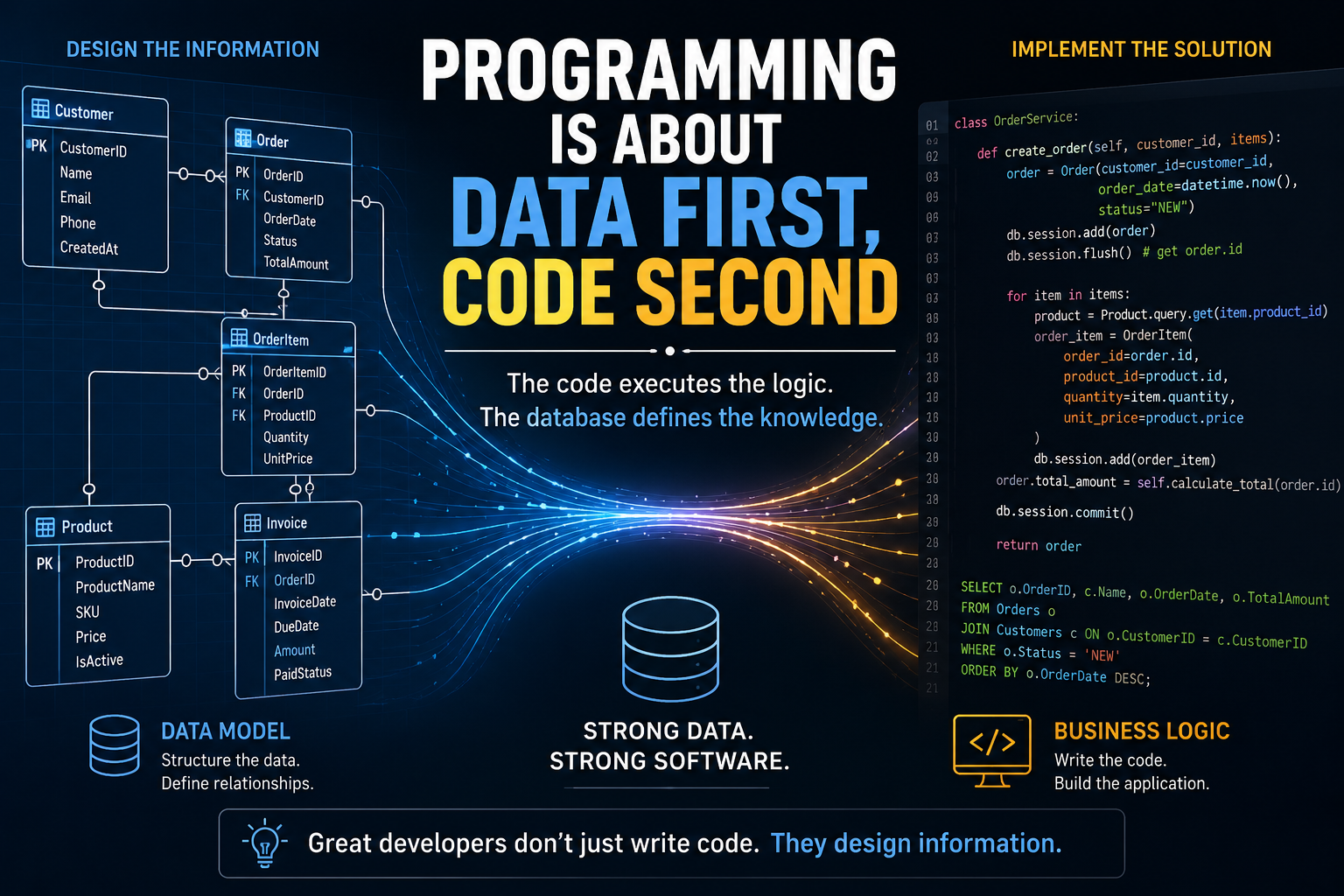
The truth is that most software applications exist to manage information.
By Dr. Kai Dupe July 1, 2026
Artificial intelligence has become the newest member of nearly every software development team.
By Dr. Kai Dupe June 17, 2026
The true promise of computing is not found in the machines we build, but in the human potential we unlock when knowledge becomes accessible to everyone.
By Dr. Kai Dupe June 3, 2026
One of the reasons I value the MCT program so highly is that it represents more than technical knowledge.
By Dr. Kai Dupe May 22, 2026
Software engineering is not simply coding.
By Dr. Kai Dupe May 15, 2026
Companies often promote the idea that technical skill alone determines success.
By Dr. Kai Dupe May 3, 2026
Hackathons also strengthen teamwork and communication skills.
By Dr. Kai Dupe April 22, 2026
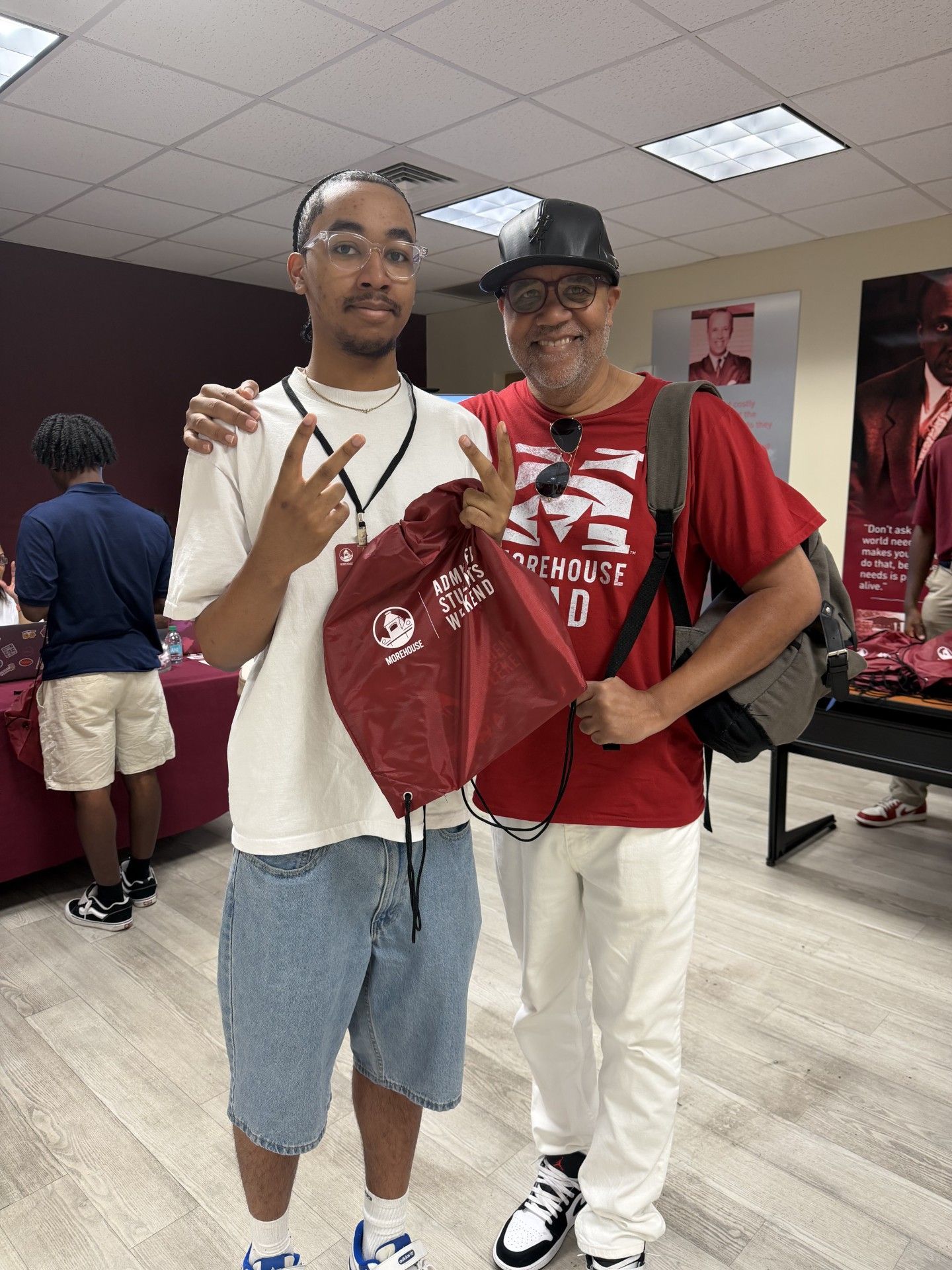
Stepping onto the campus of Morehouse College this past weekend for Admitted Students Day was more than a visit—it was a moment of reflection. As I watched young Black men walk with purpose across the yard, I found myself asking a simple but profound question: What would it have been like for me to study computer science here? My journey into computing was shaped in environments where I was often the only Black man in the room. That reality brings with it an unspoken weight—the need to prove you belong, the awareness of being watched, and sometimes, the quiet isolation that comes with underrepresentation. Standing at Morehouse, I realized that this burden is not a given. It is a condition of the environment. At Morehouse, the environment is different by design. Here, Black men are not anomalies—they are the standard. I imagined what it would feel like to learn algorithms, data structures, and software development in a space where my identity was not questioned but affirmed. Where excellence is expected, not in spite of who you are, but because of it. As a computer science professor, I understand the academic rigor required to succeed in this field. There is no shortcut through recursion, no bypass around debugging, no substitute for disciplined problem-solving. But what struck me during my visit is how much context matters. When students are free from the psychological burden of proving they belong, they can redirect that energy toward mastering the material. They can collaborate more openly, ask questions more freely, and take intellectual risks without fear. I also thought about legacy. At Morehouse, students walk the same grounds as Martin Luther King Jr.. That kind of history does something to a person. It raises the bar—not just academically, but personally. It invites students to see their education not just as a pathway to a career, but as preparation for impact. Leaving campus, I felt inspired—but also reflective. I cannot rewrite my journey, but I can appreciate what spaces like Morehouse offer the next generation. For a Black male pursuing computer science, it is more than a degree. It is an opportunity to develop skill, confidence, and identity in alignment. And that combination is powerful.