
The Trailblazing Contributions of Donna Auguste to Computer Technology
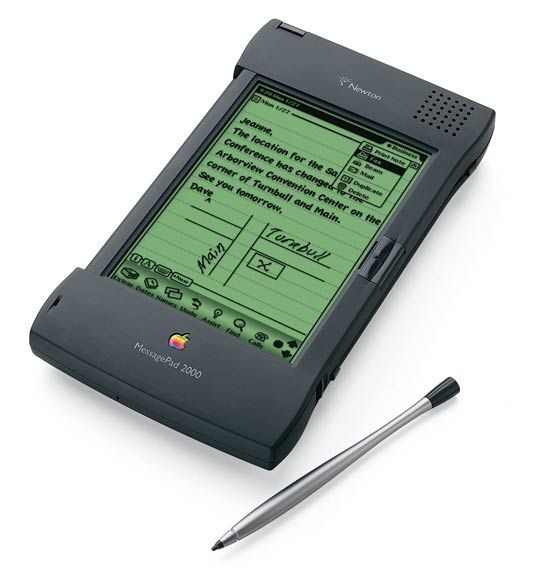
Auguste was hired by Apple Computer in 1990 to serve as lead software engineering manager for the Newton PDA development project.
In the dynamic world of computer technology, few individuals have left as profound an impact as Donna Auguste. Her journey from computer scientist to tech leader has been marked by a relentless pursuit of innovation and a steadfast commitment to empowering others. Let's delve into the remarkable contributions of Donna Auguste and how her work has shaped the landscape of computer technology.
Auguste's career in computer technology began with a solid foundation in academia, earning degrees in computer science and electrical engineering. Armed with this knowledge, she ventured into the realm of software development, where she quickly made her mark with her groundbreaking work in user interface design and human-computer interaction.
One of Auguste's most significant contributions to the field is her role in the development of user-friendly software applications. She recognized early on the importance of designing technology that is intuitive and accessible to users of all levels of expertise. Through her innovative approaches to interface design, she has helped bridge the gap between users and technology, making complex systems more navigable and user-friendly.
Moreover, Auguste's entrepreneurial spirit led her to co-found a software company focused on creating educational tools for children. Her vision was to harness the power of technology to enhance learning experiences and inspire young minds. This venture not only showcased her technical prowess but also demonstrated her commitment to using technology for social good.
Beyond her work in software development, Auguste has been a tireless advocate for diversity and inclusion in the tech industry. She has actively championed initiatives aimed at increasing representation of women and underrepresented minorities in computer technology, recognizing the importance of diverse perspectives in driving innovation.
Auguste's contributions to computer technology extend beyond her technical achievements; her leadership roles in various tech organizations have allowed her to influence policy and foster a culture of inclusion within the industry. Through mentorship programs and networking initiatives, she has provided support and guidance to aspiring technologists, helping to cultivate the next generation of diverse tech leaders.
In recognition of her contributions, Auguste has received numerous accolades and awards, solidifying her status as a trailblazer in the field of computer technology. Yet, her impact goes far beyond the accolades; her work has inspired countless individuals to pursue careers in technology and has helped shape the future of the industry.
In conclusion, Donna Auguste's contributions to the field of computer technology are both pioneering and impactful. From her innovative work in user interface design to her advocacy for diversity and inclusion, she has left an indelible mark on the industry and paved the way for a more inclusive and innovative future. As we continue to navigate the ever-evolving landscape of technology, we can look to Donna Auguste as a shining example of what is possible when passion, innovation, and inclusivity converge.