The Transformative Power of Mentorship for Young African Americans in Software Development
African American software developers need mentors

Introduction
In the ever-evolving world of technology, the demand for diverse voices and perspectives is stronger than ever. Young African Americans have a vital role to play in shaping the future of software development, but they often face unique challenges and barriers in this field. Mentorship has emerged as a powerful tool to bridge these gaps and empower the next generation of software developers. In this evidence-based blog post, we'll explore why mentorship is crucial for young African Americans pursuing careers in software development.
1. Breaking Down Barriers
Historically, African Americans have been underrepresented in tech, a trend that continues today. Mentorship programs actively work to break down these barriers by providing guidance, support, and connections that might otherwise be inaccessible. Mentors can help navigate the industry's complexities, from understanding the tech landscape to networking effectively.
Evidence: According to a study by McKinsey & Company, companies with diverse leadership are 35% more likely to outperform their peers. Mentorship programs contribute to fostering diversity, which is essential for innovation and growth in the tech sector.
2. Building Confidence
Mentorship doesn't just provide practical knowledge; it also boosts self-esteem and confidence. African American mentees often face imposter syndrome and doubts about their capabilities. Having a mentor who believes in their potential can be a game-changer.
Evidence: A survey by the National Mentoring Partnership found that 76% of at-risk young adults who had a mentor aspire to attend college, compared to 56% without a mentor. Confidence gained through mentorship can lead to greater aspirations and success.
3. Skill Development
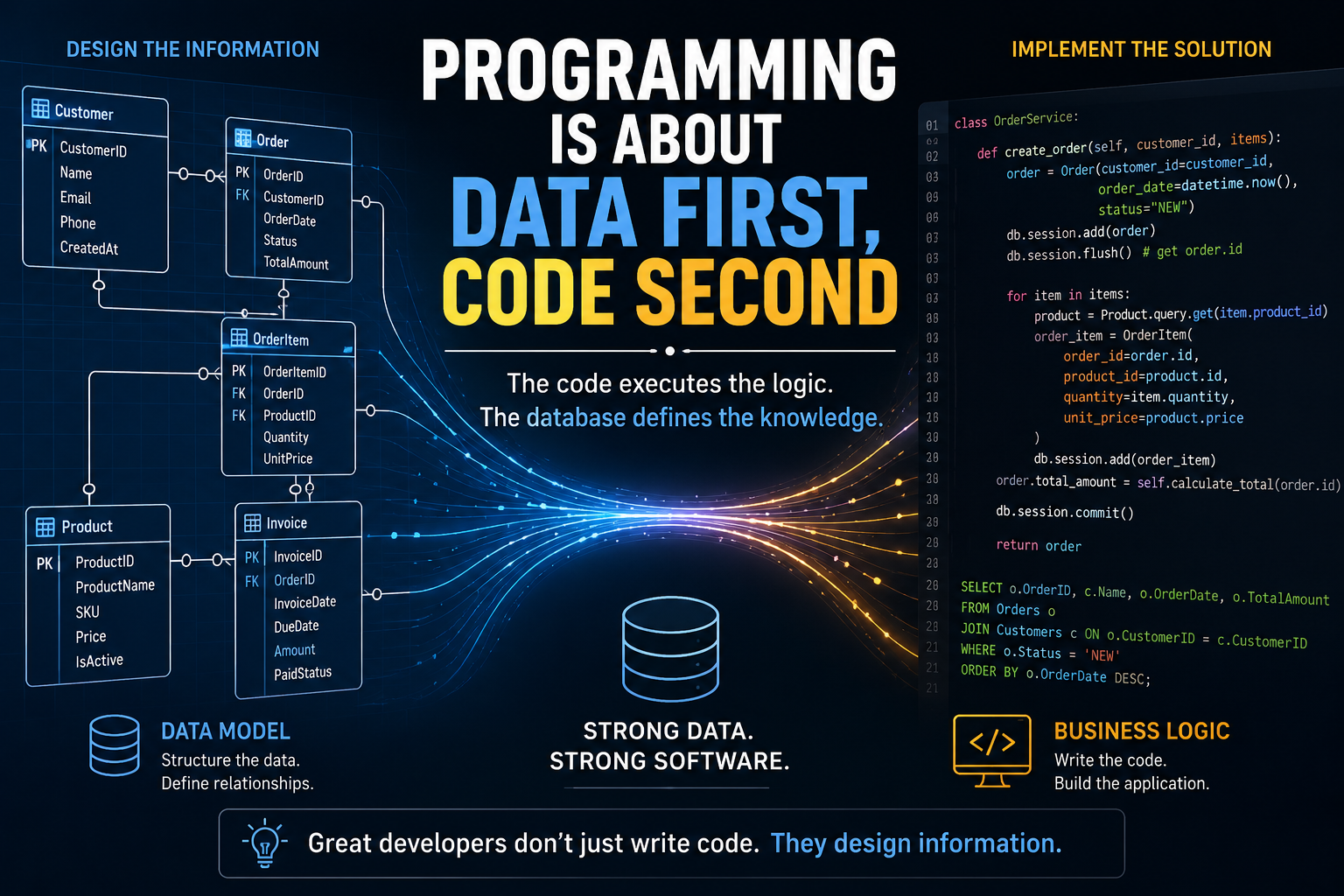
Mentors offer valuable insights into the technical skills required for success in software development. They can help mentees set goals, acquire specific skills, and provide feedback on projects. This guidance can accelerate career growth.
Evidence: A study published in the Journal of Vocational Behavior found that mentorship positively influences career development and skill acquisition. Having a mentor can shorten the learning curve and enhance skill development.
4. Expanding Networks
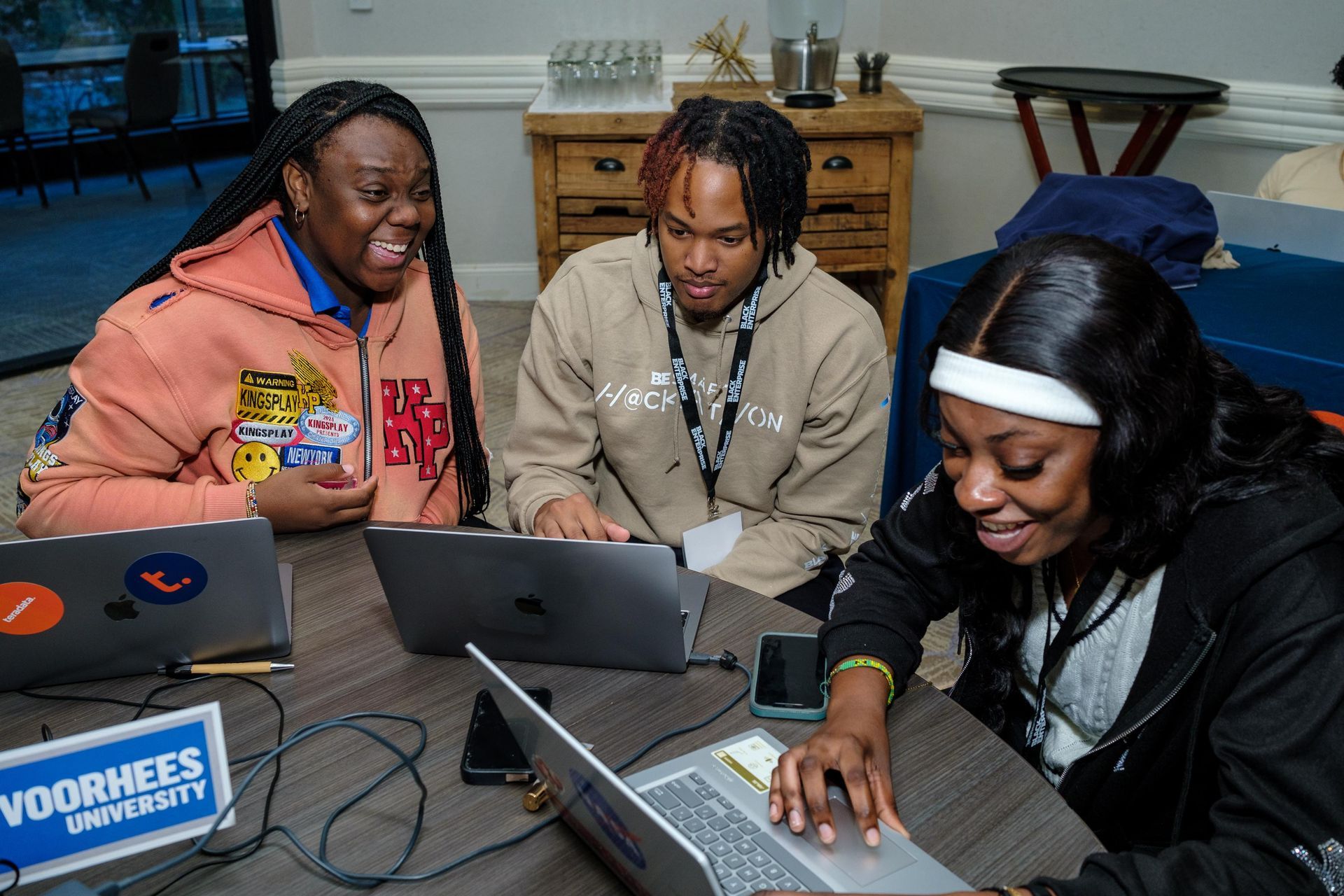
In the tech industry, networking is crucial for career advancement. Mentors often introduce their mentees to their professional networks, opening doors to opportunities and collaborations that might have remained hidden.
Evidence: The Harvard Business Review reports that mentorship can significantly expand an individual's network, with the potential to increase their income and career satisfaction.
5. Inspiring Role Models
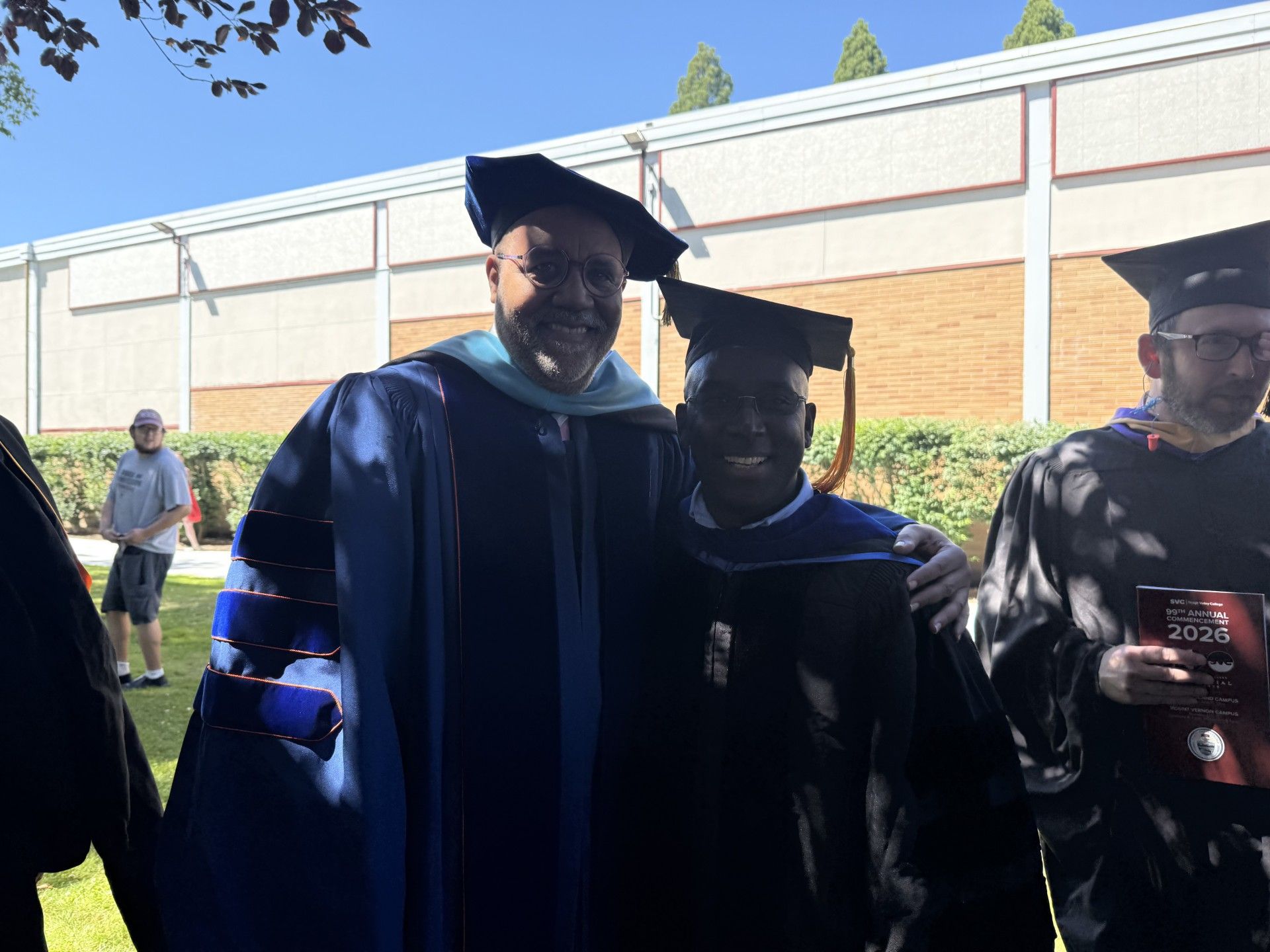
Representation matters. Having African American mentors in the software development field serves as a powerful source of inspiration for young individuals. Seeing someone who looks like them succeed can ignite their own ambitions.
Evidence: A study published in the Journal of Social Issues found that positive role models have a significant impact on career aspirations, especially among underrepresented groups.
Conclusion
Mentorship is not just a helpful tool but a necessary one for young African Americans pursuing careers in software development. It breaks down barriers, builds confidence, fosters skill development, expands networks, and provides much-needed representation. Evidence clearly shows that mentorship can be a transformative force, unlocking doors to success and innovation in the tech industry. To empower the next generation of software developers and ensure a diverse, inclusive future for the field, investing in mentorship programs is not an option but a responsibility.