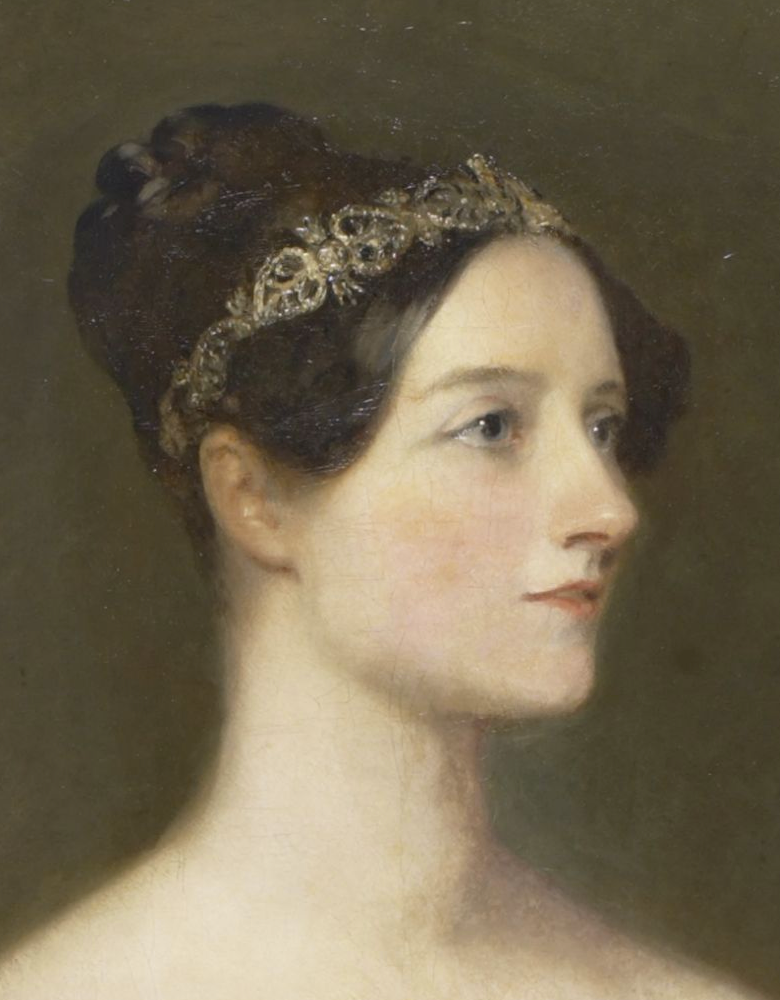
Ada Lovelace: Pioneering the Path to Modern Computing

Dr. Kai Dupe • March 10, 2024

The First Programmer

Title: Ada Lovelace: Pioneering the Path to Modern Computing


In the annals of computer science history, one name stands out as a beacon of innovation and foresight: Ada Lovelace. Born in 1815 as Augusta Ada Byron, she became widely known as the world's first computer programmer, laying the groundwork for the digital age long before the first computer was even built.


Ada's remarkable journey into the world of computing began under the guidance of her mother, Lady Byron, who encouraged her to study mathematics—a subject not typically associated with women in the 19th century. Through her studies, Ada developed a keen intellect and a passion for numbers that would shape her future endeavors.


Her path intersected with that of Charles Babbage, a mathematician and inventor who conceptualized the Analytical Engine, a mechanical computing device designed to perform various mathematical calculations. Recognizing Ada's mathematical prowess, Babbage invited her to translate an article about his invention from French to English. However, Ada went above and beyond mere translation, adding extensive notes and insights of her own.


It was in these annotations that Ada's genius truly shone. She not only grasped the potential of Babbage's machine but also foresaw its capabilities far beyond simple arithmetic. In her notes, she outlined a method for the Analytical Engine to compute Bernoulli numbers—a groundbreaking concept that laid the foundation for modern computer programming.


What sets Ada's contributions apart is her visionary understanding of the Analytical Engine's potential. While Babbage envisioned it as a tool for numerical calculations, Ada saw its broader applicability, suggesting that it could manipulate symbols and not just numbers. In essence, she conceived of a universal computing machine capable of executing any sequence of instructions—a concept that foreshadowed the programmable computers of today.


Ada's vision was revolutionary, challenging the prevailing notion of computers as mere calculators and anticipating the development of programming languages and software. Her insights into the Analytical Engine's capabilities were decades ahead of their time, demonstrating a profound understanding of the fundamental principles of computation.


Despite her untimely death at the age of 36, Ada Lovelace left an indelible mark on the field of computer science. Her pioneering work laid the groundwork for generations of programmers and engineers, inspiring them to push the boundaries of what computers could achieve.


Today, Ada Lovelace's legacy endures as a testament to the power of imagination and intellect. As we continue to innovate and advance the field of computing, let us remember the visionary woman who paved the way for us all.

By Dr. Kai Dupe September 18, 2026
A mentor gives you advice. A sponsor creates opportunities.
By Dr. Kai Dupe August 20, 2026
Representation alone will not solve the persistent racial disparities in computing.
By Dr. Kai Dupe July 28, 2026
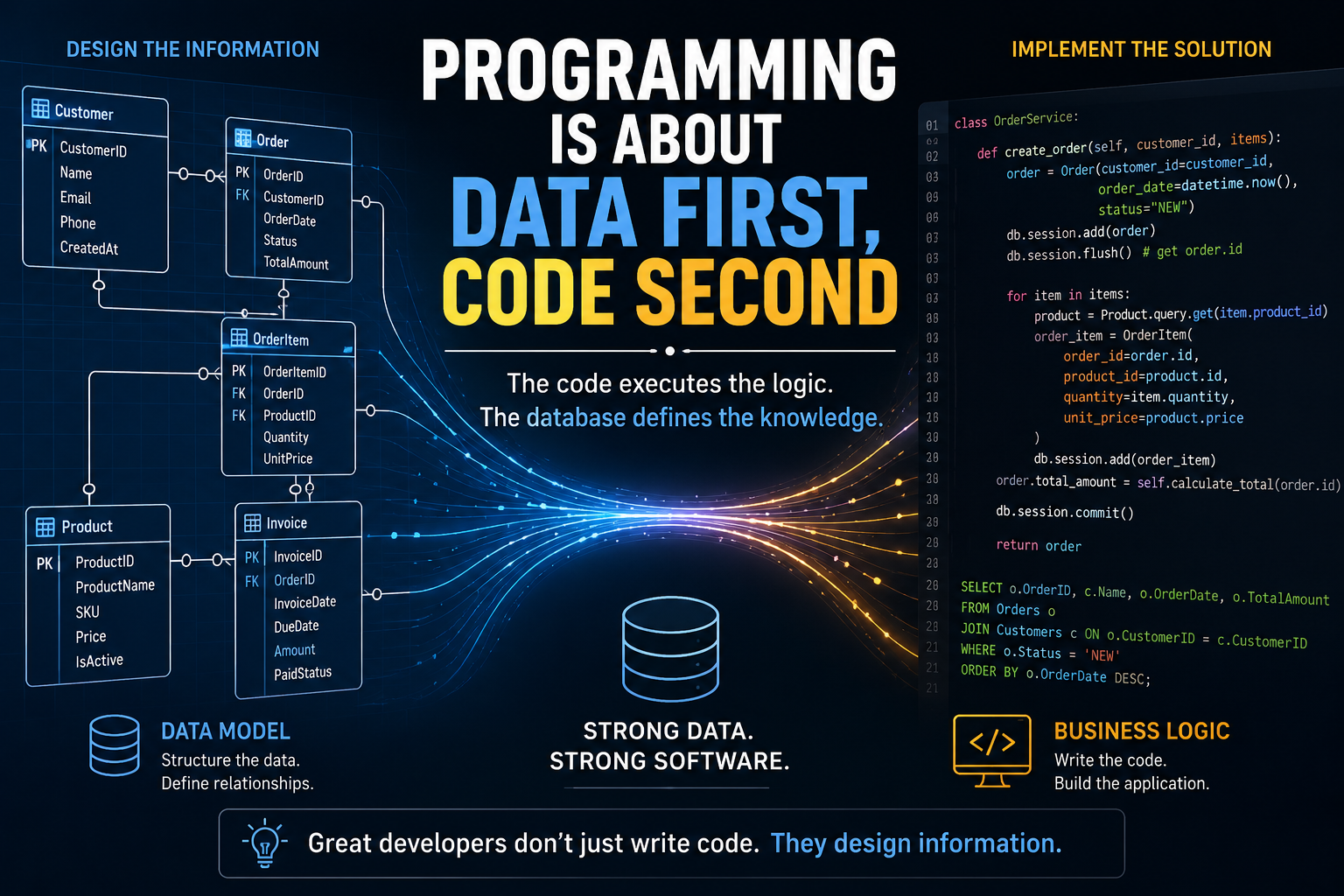
The truth is that most software applications exist to manage information.
By Dr. Kai Dupe July 1, 2026
Artificial intelligence has become the newest member of nearly every software development team.
By Dr. Kai Dupe June 17, 2026
The true promise of computing is not found in the machines we build, but in the human potential we unlock when knowledge becomes accessible to everyone.
By Dr. Kai Dupe June 3, 2026
One of the reasons I value the MCT program so highly is that it represents more than technical knowledge.
By Dr. Kai Dupe May 22, 2026
Software engineering is not simply coding.
By Dr. Kai Dupe May 15, 2026
Companies often promote the idea that technical skill alone determines success.
By Dr. Kai Dupe May 3, 2026
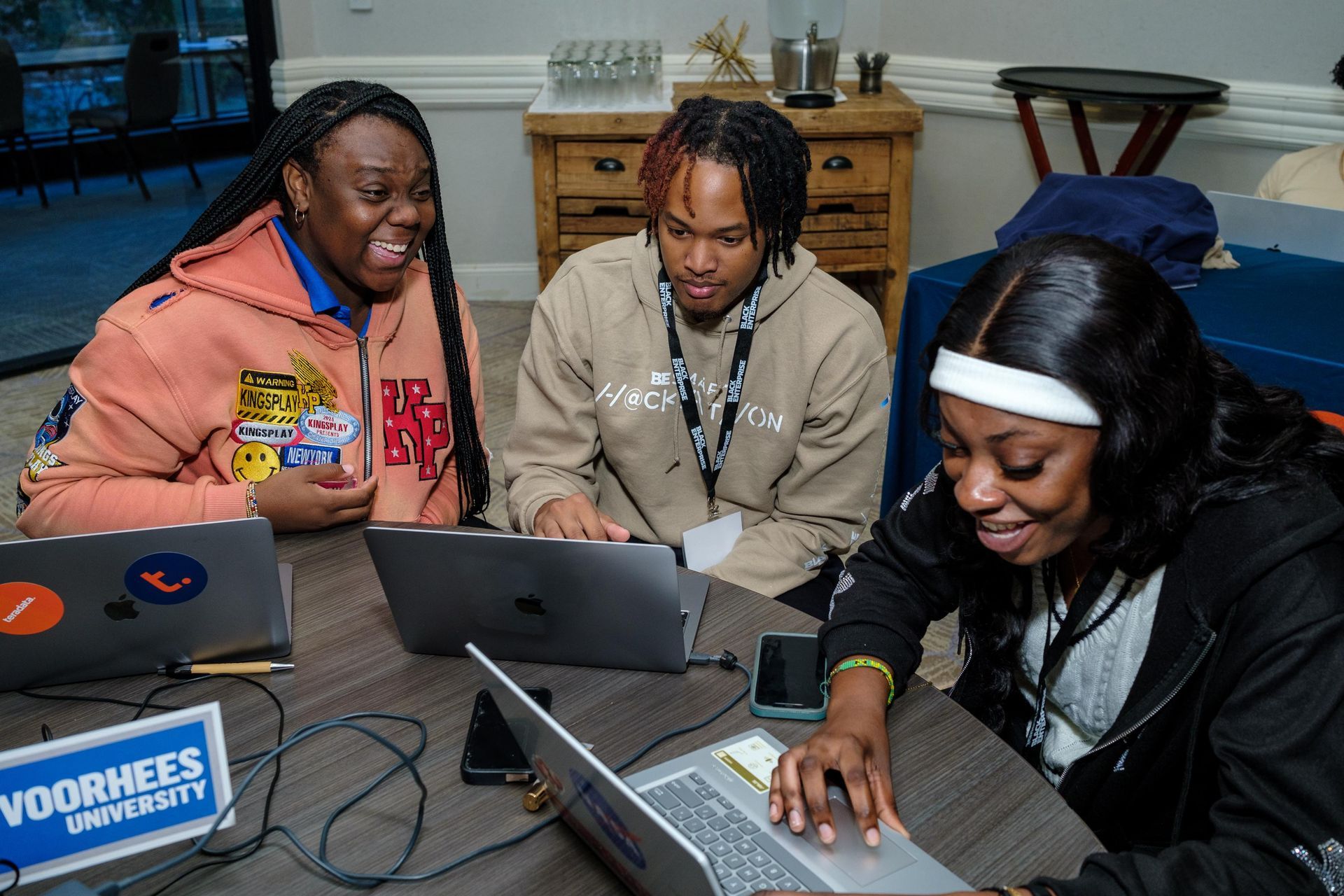
Hackathons also strengthen teamwork and communication skills.
By Dr. Kai Dupe April 22, 2026
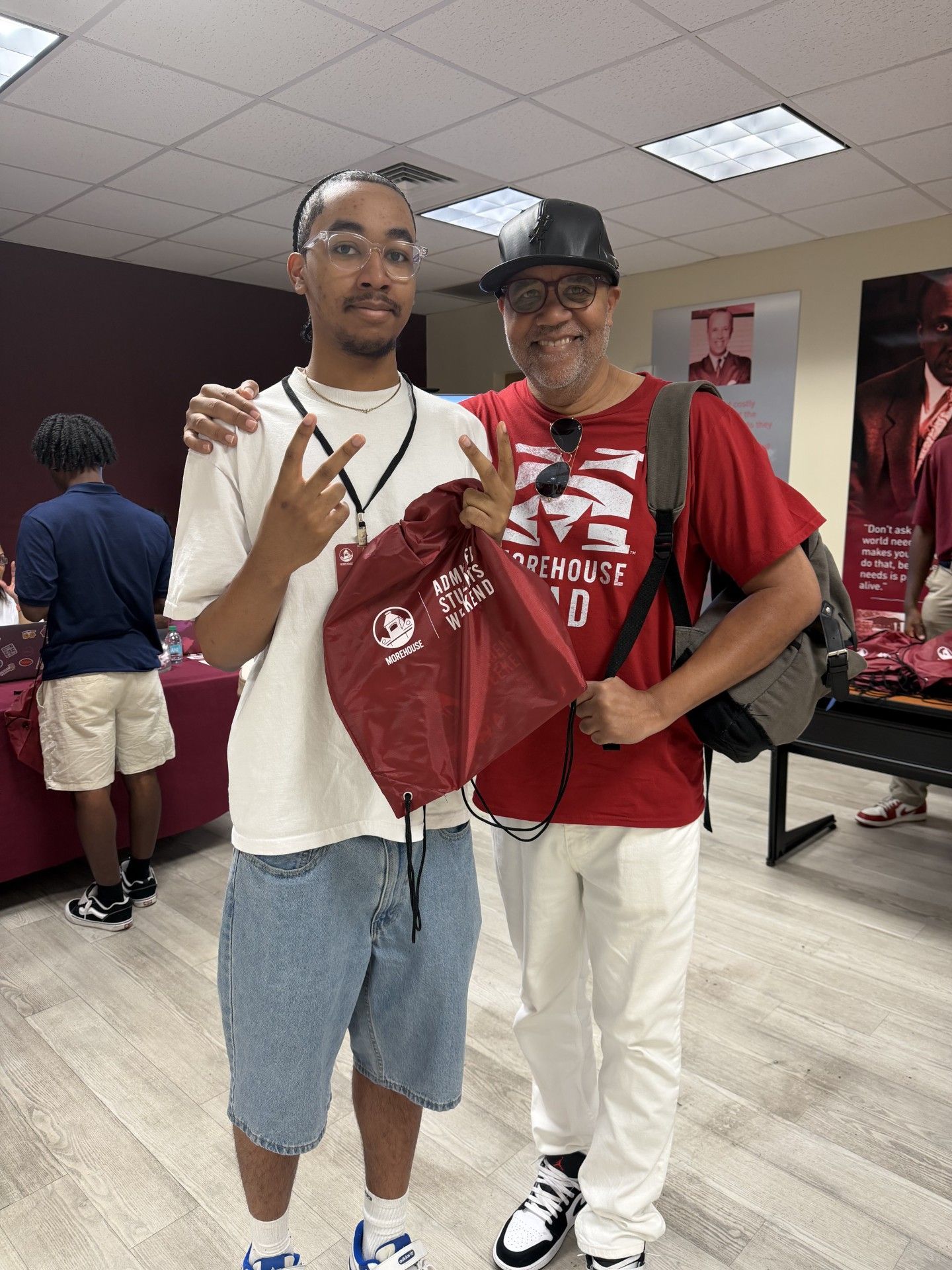
Stepping onto the campus of Morehouse College this past weekend for Admitted Students Day was more than a visit—it was a moment of reflection. As I watched young Black men walk with purpose across the yard, I found myself asking a simple but profound question: What would it have been like for me to study computer science here? My journey into computing was shaped in environments where I was often the only Black man in the room. That reality brings with it an unspoken weight—the need to prove you belong, the awareness of being watched, and sometimes, the quiet isolation that comes with underrepresentation. Standing at Morehouse, I realized that this burden is not a given. It is a condition of the environment. At Morehouse, the environment is different by design. Here, Black men are not anomalies—they are the standard. I imagined what it would feel like to learn algorithms, data structures, and software development in a space where my identity was not questioned but affirmed. Where excellence is expected, not in spite of who you are, but because of it. As a computer science professor, I understand the academic rigor required to succeed in this field. There is no shortcut through recursion, no bypass around debugging, no substitute for disciplined problem-solving. But what struck me during my visit is how much context matters. When students are free from the psychological burden of proving they belong, they can redirect that energy toward mastering the material. They can collaborate more openly, ask questions more freely, and take intellectual risks without fear. I also thought about legacy. At Morehouse, students walk the same grounds as Martin Luther King Jr.. That kind of history does something to a person. It raises the bar—not just academically, but personally. It invites students to see their education not just as a pathway to a career, but as preparation for impact. Leaving campus, I felt inspired—but also reflective. I cannot rewrite my journey, but I can appreciate what spaces like Morehouse offer the next generation. For a Black male pursuing computer science, it is more than a degree. It is an opportunity to develop skill, confidence, and identity in alignment. And that combination is powerful.