How Computer Programming Shifted from Women to Men

Dr. Kai Dupe • March 4, 2024

Women once dominated the computer programming industry

In the early days of computer programming, the landscape looked vastly different from what it does today. Contrary to popular belief, the field was once predominantly occupied by women. The pioneering days of programming saw women playing a central role in shaping the digital world we now inhabit. However, over time, a dramatic shift occurred, leading to the male-dominated industry we see today.


During World War II, as men were enlisted in the military, women stepped into roles traditionally held by men, including computing. The war effort required complex mathematical calculations for activities such as ballistic trajectory and code-breaking. Women like Grace Hopper, Jean Jennings Bartik, and many others were at the forefront of this computational revolution.


Following the war, programming continued to be seen as women's work. Programming languages like COBOL, created by Grace Hopper, became widely used in business and government sectors. Women were heavily recruited into programming roles, and the field saw a high percentage of female graduates in computer science and related disciplines throughout the 1960s and 1970s.


So, what caused this once female-dominated field to shift towards male dominance? Several factors contributed to this transformation. One significant influence was the emergence of personal computers in the 1980s. With the rise of home computing, marketing campaigns often targeted boys and men, perpetuating the stereotype that computers were masculine and technical prowess was a male trait.


Additionally, the culture surrounding computing began to change. As the industry grew, it became more competitive and lucrative. Tech companies, often founded and led by men, perpetuated a male-centric culture that alienated many women. The stereotype of the socially awkward male computer programmer became entrenched, further dissuading women from entering or staying in the field.


Moreover, institutional barriers such as sexism, discrimination, and lack of support for women in STEM fields played a significant role. Women faced systemic obstacles in education, hiring, and promotion, making it increasingly difficult for them to thrive in the male-dominated tech industry.


As a result of these complex factors, the gender balance in computer programming shifted dramatically, with women now vastly underrepresented in the field. This shift not only deprived the industry of diverse perspectives and talent but also perpetuated inequalities that persist today.


Recognizing and understanding this forgotten history is crucial for addressing the gender disparity in computer programming and creating a more inclusive and equitable tech industry. By acknowledging the contributions of women in the early days of computing and dismantling the barriers that have hindered their participation, we can work towards building a future where programming is a field open to all, regardless of gender.

By Dr. Kai Dupe September 18, 2026
A mentor gives you advice. A sponsor creates opportunities.
By Dr. Kai Dupe August 20, 2026
Representation alone will not solve the persistent racial disparities in computing.
By Dr. Kai Dupe July 28, 2026
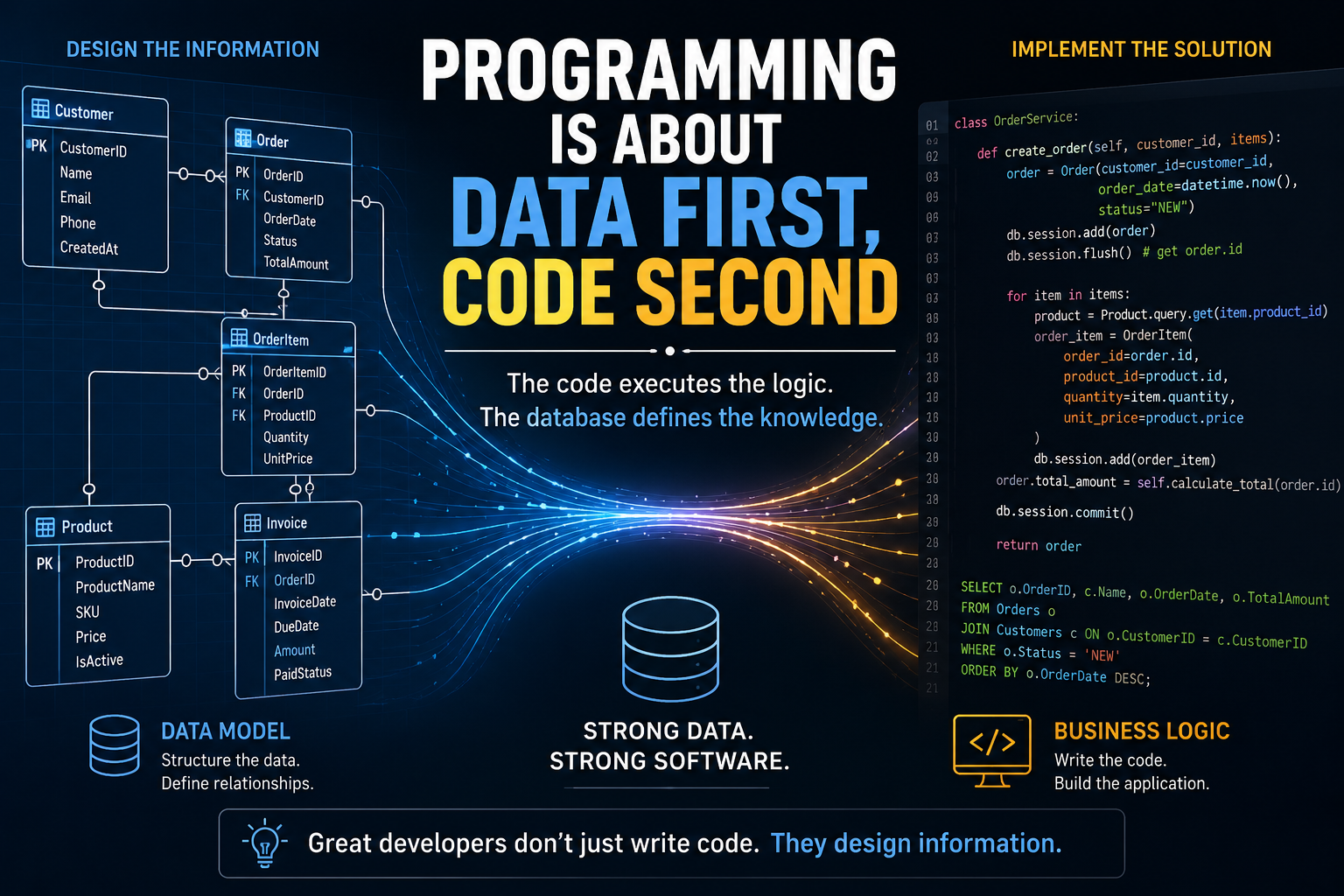
The truth is that most software applications exist to manage information.
By Dr. Kai Dupe July 1, 2026
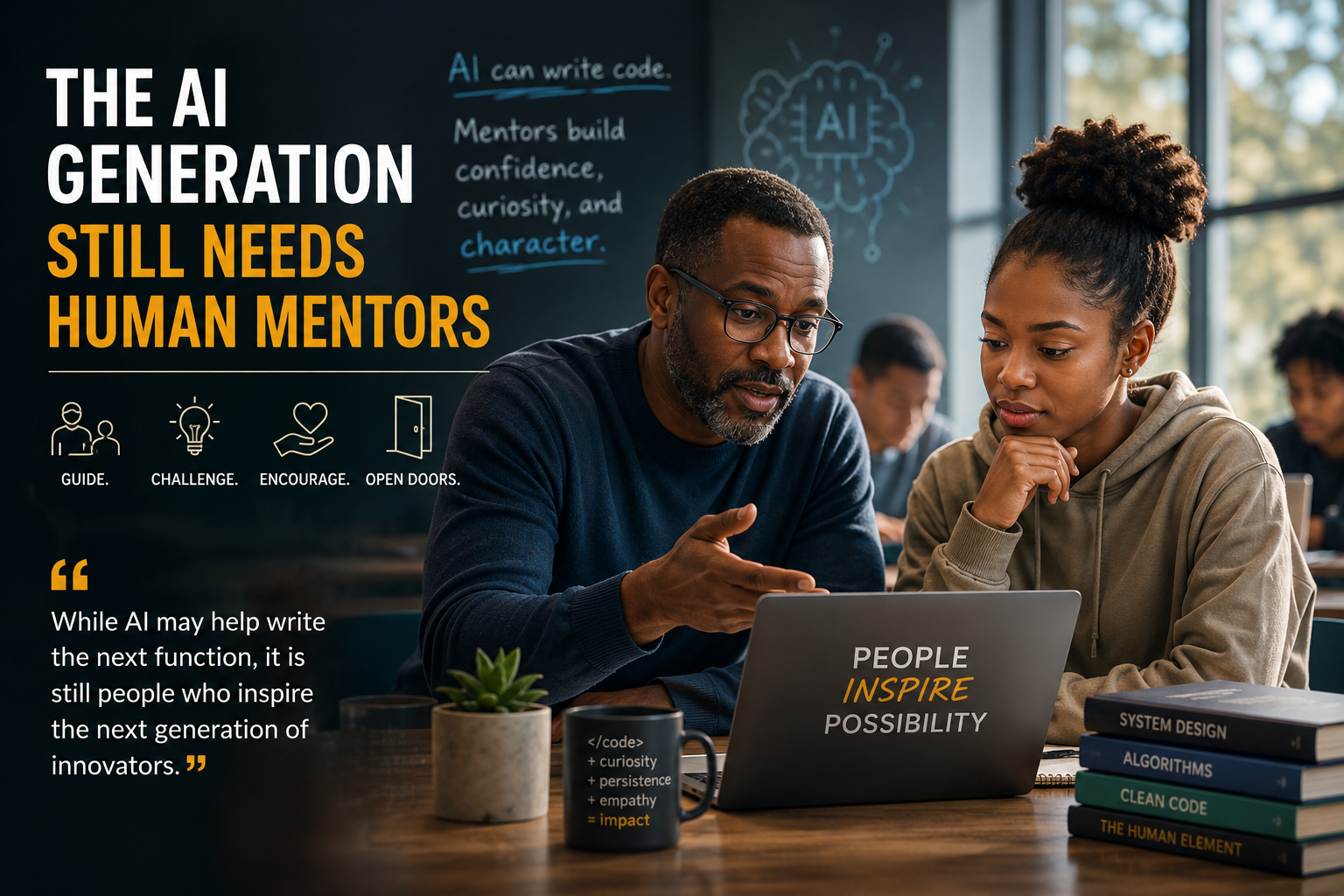
Artificial intelligence has become the newest member of nearly every software development team.
By Dr. Kai Dupe June 17, 2026
The true promise of computing is not found in the machines we build, but in the human potential we unlock when knowledge becomes accessible to everyone.
By Dr. Kai Dupe June 3, 2026
One of the reasons I value the MCT program so highly is that it represents more than technical knowledge.
By Dr. Kai Dupe May 22, 2026
Software engineering is not simply coding.
By Dr. Kai Dupe May 15, 2026
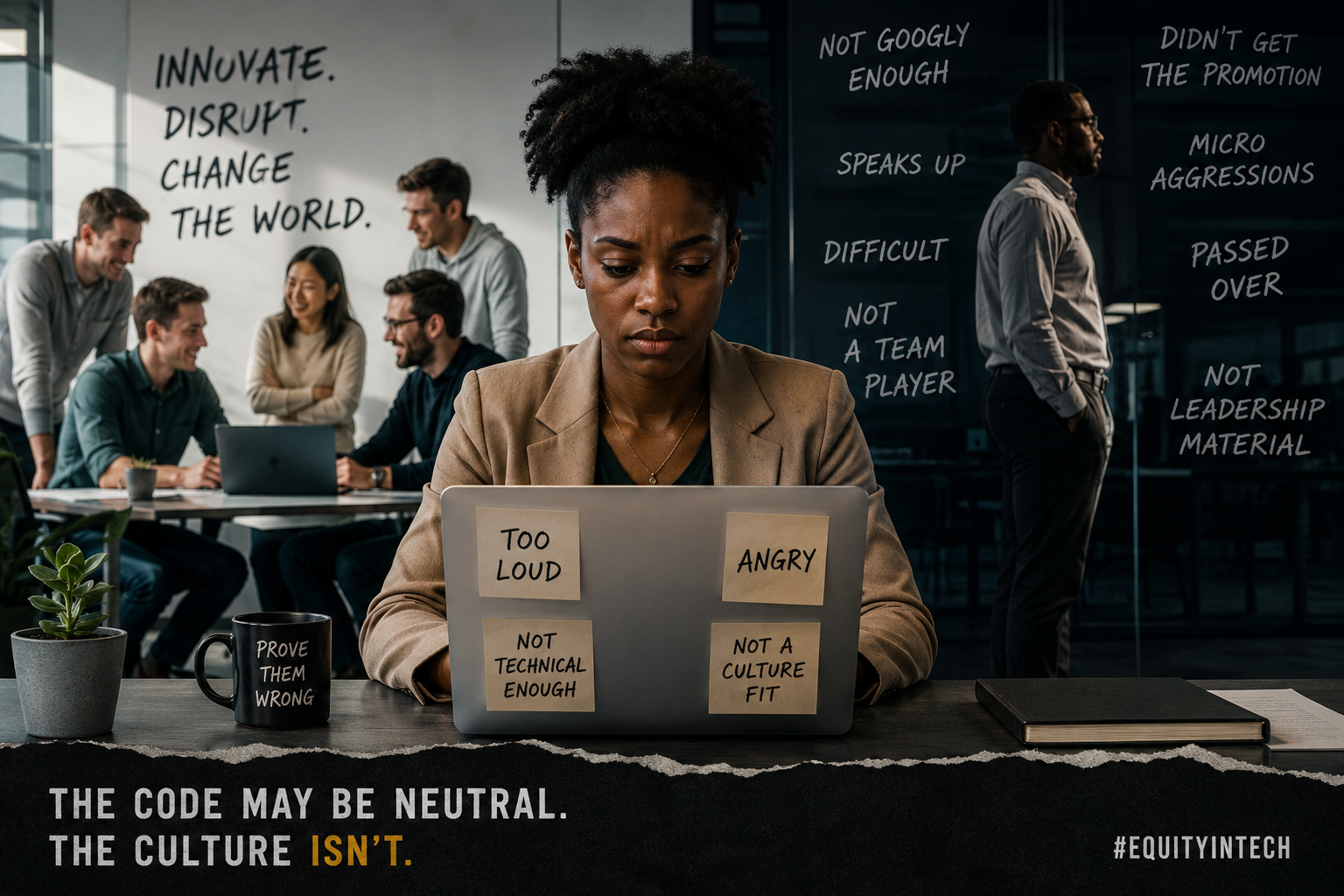
Companies often promote the idea that technical skill alone determines success.
By Dr. Kai Dupe May 3, 2026
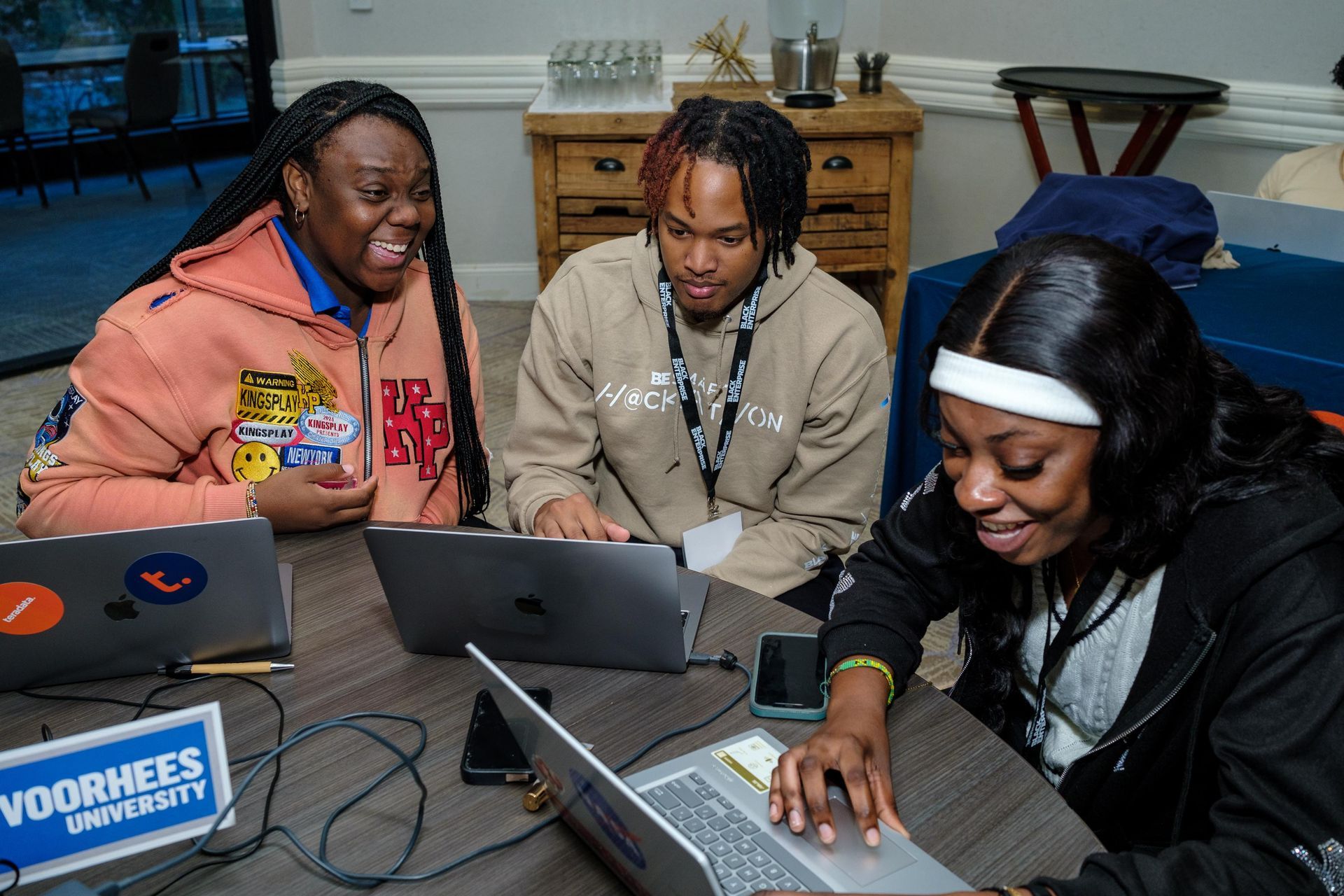
Hackathons also strengthen teamwork and communication skills.
By Dr. Kai Dupe April 22, 2026
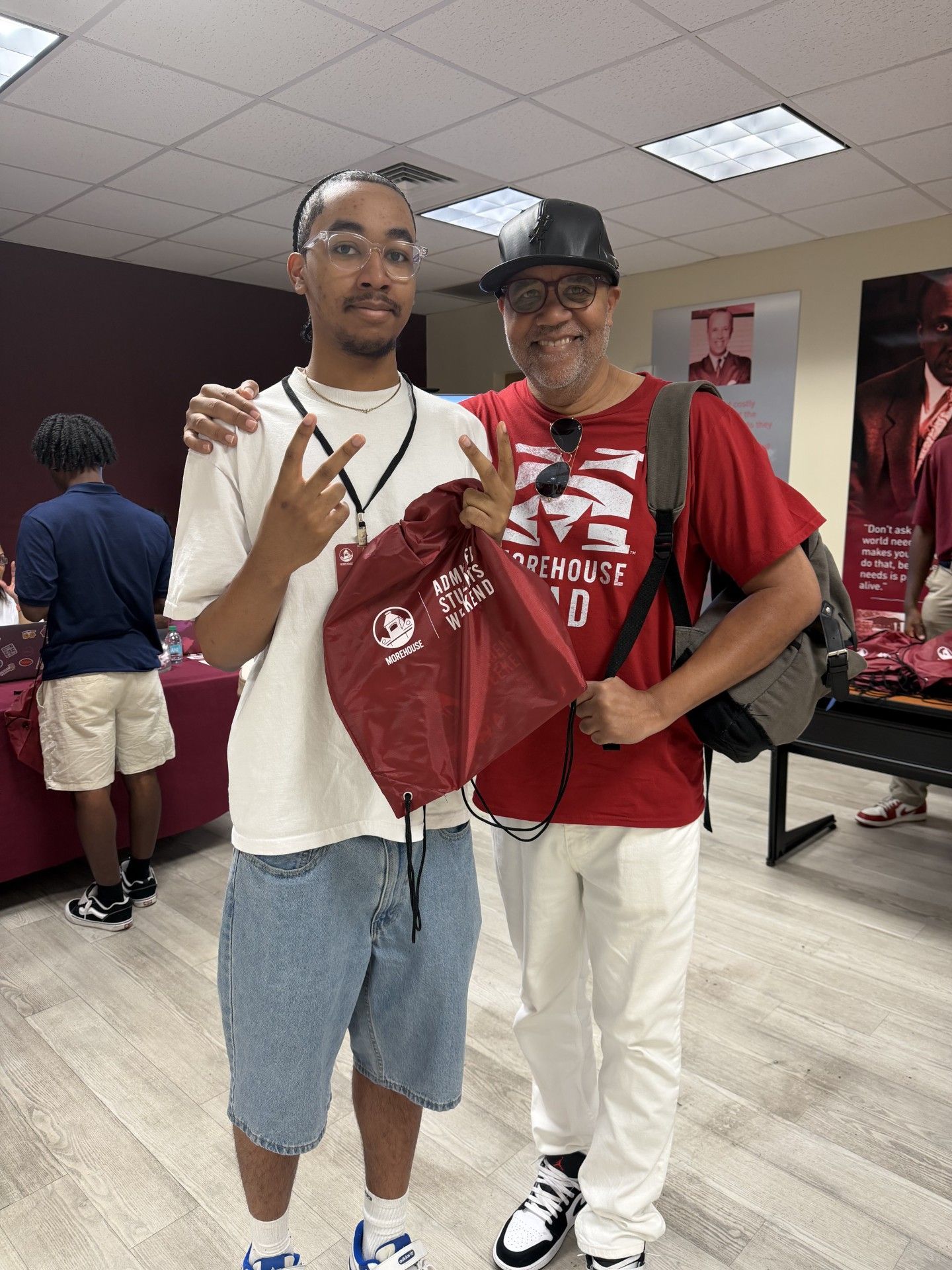
Stepping onto the campus of Morehouse College this past weekend for Admitted Students Day was more than a visit—it was a moment of reflection. As I watched young Black men walk with purpose across the yard, I found myself asking a simple but profound question: What would it have been like for me to study computer science here? My journey into computing was shaped in environments where I was often the only Black man in the room. That reality brings with it an unspoken weight—the need to prove you belong, the awareness of being watched, and sometimes, the quiet isolation that comes with underrepresentation. Standing at Morehouse, I realized that this burden is not a given. It is a condition of the environment. At Morehouse, the environment is different by design. Here, Black men are not anomalies—they are the standard. I imagined what it would feel like to learn algorithms, data structures, and software development in a space where my identity was not questioned but affirmed. Where excellence is expected, not in spite of who you are, but because of it. As a computer science professor, I understand the academic rigor required to succeed in this field. There is no shortcut through recursion, no bypass around debugging, no substitute for disciplined problem-solving. But what struck me during my visit is how much context matters. When students are free from the psychological burden of proving they belong, they can redirect that energy toward mastering the material. They can collaborate more openly, ask questions more freely, and take intellectual risks without fear. I also thought about legacy. At Morehouse, students walk the same grounds as Martin Luther King Jr.. That kind of history does something to a person. It raises the bar—not just academically, but personally. It invites students to see their education not just as a pathway to a career, but as preparation for impact. Leaving campus, I felt inspired—but also reflective. I cannot rewrite my journey, but I can appreciate what spaces like Morehouse offer the next generation. For a Black male pursuing computer science, it is more than a degree. It is an opportunity to develop skill, confidence, and identity in alignment. And that combination is powerful.