Embracing Excellence: The Endless Benefits of Attending an HBCU
Affirm Historically Black Colleges and Universities with your attendance

Embracing Excellence: The Endless Benefits of Attending an HBCU
Full disclosure. I did not attend an HBCU. However, considering the recent decision of the supreme court regarding Affirmative Action, now may be a perfect time to give HBCUs the consideration they deserve. Historically Black Colleges and Universities (HBCUs) stand as pillars of academic excellence and cultural heritage. Since their inception, these institutions have played a significant role in shaping the lives of countless students and communities. As the world evolves, the benefits of attending an HBCU remain as powerful and relevant as ever. In this blog post, we will explore the transformative advantages that await those who choose to embrace the HBCU experience.
1. A Nurturing Environment:
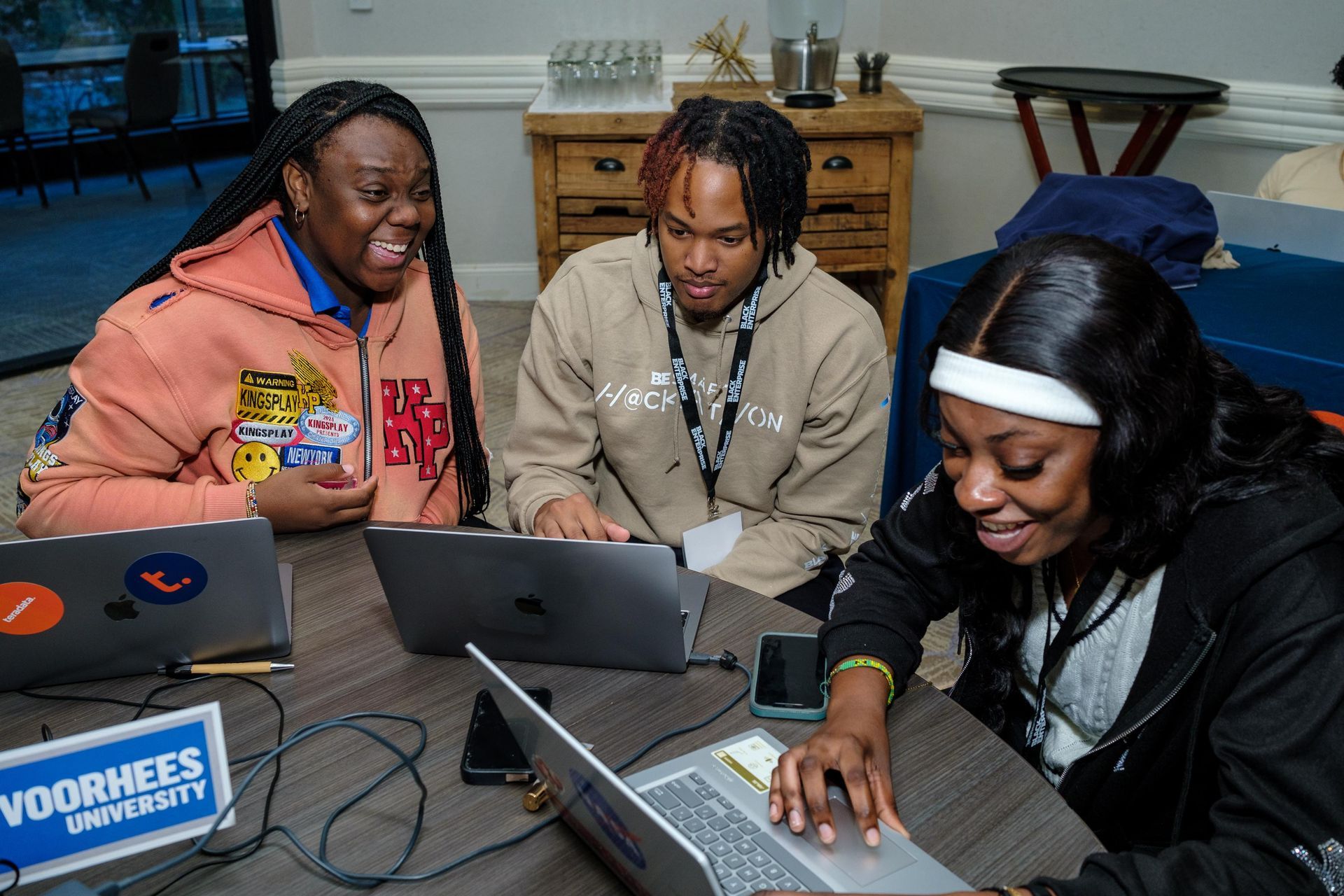
HBCUs pride themselves on fostering an inclusive and supportive environment for all students. Smaller class sizes allow for more personalized attention from professors and advisors, promoting better academic performance and individual growth. These institutions often cultivate a strong sense of community, making it easier for students to build lasting connections and form lifelong friendships.
2. Rich Cultural Heritage:
HBCUs have been instrumental in preserving and celebrating African American culture, history, and traditions. Students who attend these institutions gain a profound appreciation for their heritage, instilling a sense of pride and belonging that transcends the classroom. This cultural immersion can be a transformative experience, shaping students into well-rounded individuals who are better equipped to navigate a diverse world.
3. Academic Excellence:
HBCUs consistently produce graduates who excel in various fields. These institutions offer rigorous academic programs, equipping students with the knowledge and skills necessary for success in their chosen careers. Many HBCUs have specialized programs and research opportunities that allow students to explore their interests and make significant contributions to their fields.
4. Dedicated Faculty and Mentorship:
The faculty at HBCUs are often committed to their students' success beyond the classroom. Professors and staff members actively engage with students, providing mentorship and guidance to help them navigate their academic journey and future career paths. This supportive network can be invaluable, especially for first-generation college students who may need additional assistance transitioning into higher education.
5. Impactful Networking:
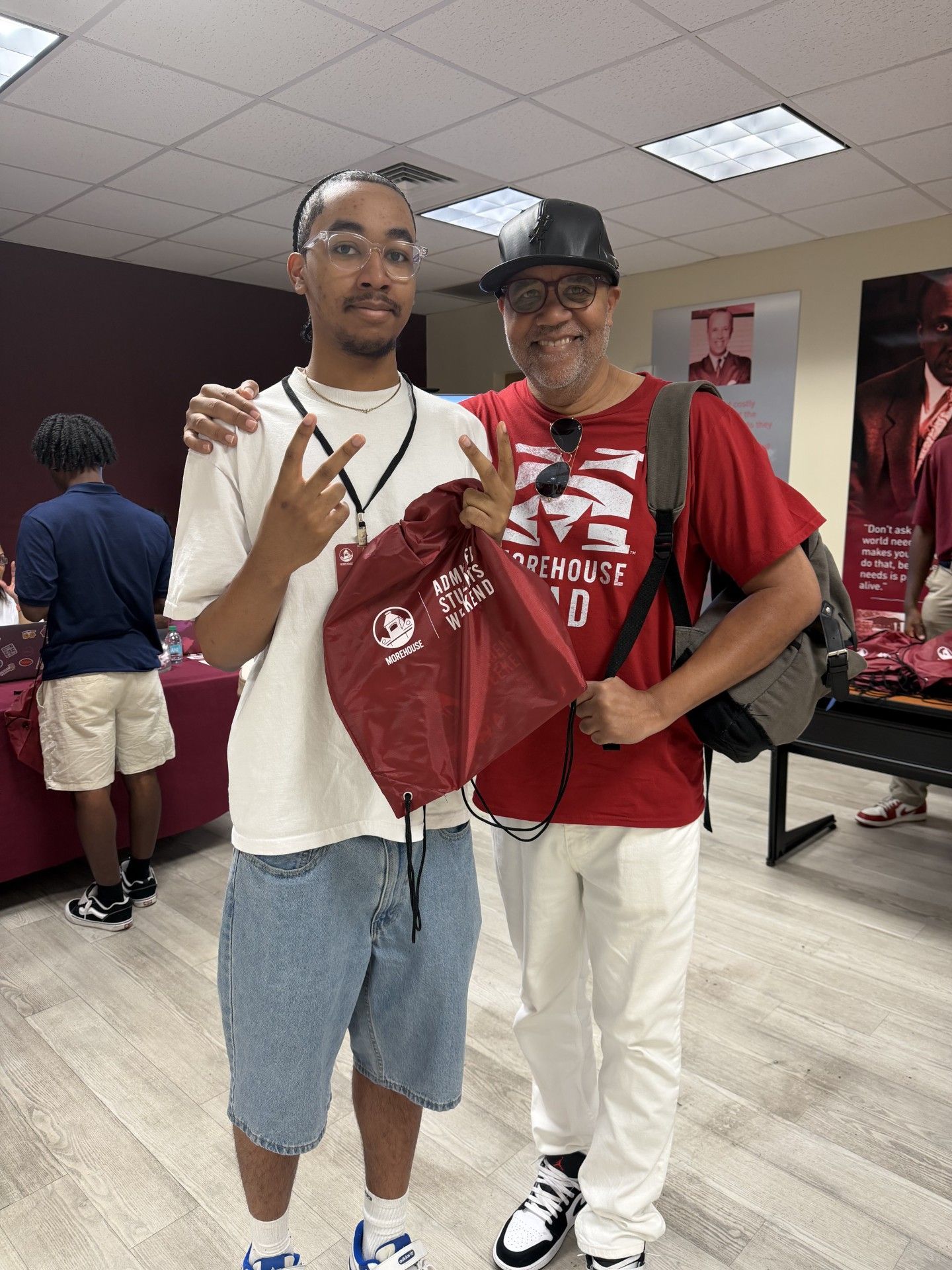
Attending an HBCU opens doors to a vast and influential network of alumni. These connections span various industries and professions, providing graduates with unique networking opportunities. HBCU alumni often feel a strong sense of camaraderie and are eager to support current students and fellow graduates through mentorship, internships, and job referrals.
6. Empowerment and Leadership Development:
HBCUs have a long-standing history of empowering students to become leaders in their communities and beyond. The nurturing environment, emphasis on cultural awareness, and dedication to academic excellence combine to instill in students a sense of confidence, resilience, and determination. This prepares them to take on leadership roles and make a positive impact in the world.
7. Championing Diversity:
Contrary to common misconceptions, HBCUs embrace diversity and welcome students from all backgrounds. These institutions celebrate and respect various cultural perspectives, fostering an inclusive atmosphere where everyone can thrive.
Attending an HBCU is a transformative experience with a multitude of benefits. From the nurturing environment and rich cultural heritage to the academic excellence and impactful networking opportunities, these institutions provide students with the tools they need to succeed personally and professionally. By embracing the HBCU experience, students not only receive a world-class education but also become part of a vibrant community that will support and uplift them throughout their lives.