Embracing Opportunities: Three Compelling Reasons for African Americans to Pursue Software Development in 2023
Opportunities in Software Development

In recent years, the field of software development has witnessed remarkable growth and innovation, with technology playing an increasingly integral role in our daily lives. For African Americans, venturing into the world of software development presents a plethora of opportunities that extend far beyond mere career advancement. In 2023, this vibrant industry offers unique benefits that can significantly impact the lives of African Americans and the communities they represent. This blog post will explore the three most beneficial reasons for African Americans to pursue a career in software development in 2023.
1. Narrowing the Racial Divide in Tech
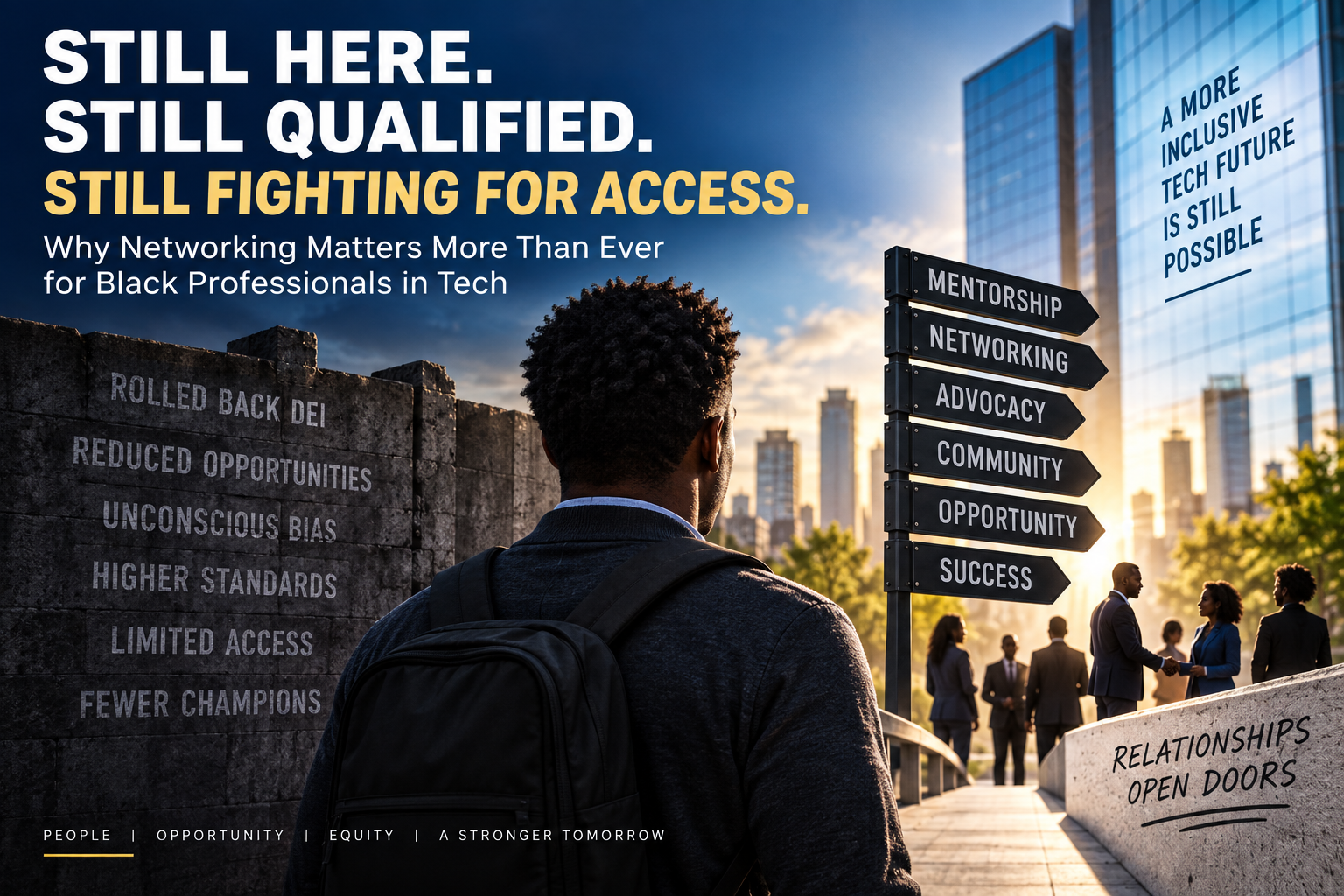
One of the most compelling reasons for African Americans to embrace software development is the potential to bridge the racial divide within the tech industry. Historically, this sector has grappled with issues of diversity and representation, leaving minority communities underrepresented and often excluded from decision-making processes. By pursuing careers in software development, African Americans can actively challenge this status quo.
In 2023, the tech industry is increasingly recognizing the value of diversity in fostering innovation and creativity. Companies are actively seeking diverse talent, creating opportunities for African Americans to take on prominent roles within these organizations. By joining the tech workforce, African Americans can not only break down racial barriers but also inspire future generations to pursue careers in technology. This collective effort towards inclusivity can lead to more equitable and representative innovations that benefit society as a whole.
2. Fostering Economic Empowerment
In 2023, the software development industry remains a burgeoning powerhouse of economic growth, offering African Americans a unique chance to attain financial empowerment. The demand for skilled software developers continues to surge, leading to competitive salaries and ample opportunities for career advancement. Moreover, the growth of remote work and freelance opportunities allows African American developers to explore job prospects both locally and internationally, transcending geographical boundaries and opening up avenues for economic prosperity.
Furthermore, as African Americans enter the tech field, they have the potential to become entrepreneurs and create startups that cater to the specific needs of their communities. By focusing on technology solutions that address long-standing challenges and underserved markets, these entrepreneurs can drive economic growth within their neighborhoods and contribute to the overall development of their communities.
3. Shaping the Future of Innovation and Social Impact
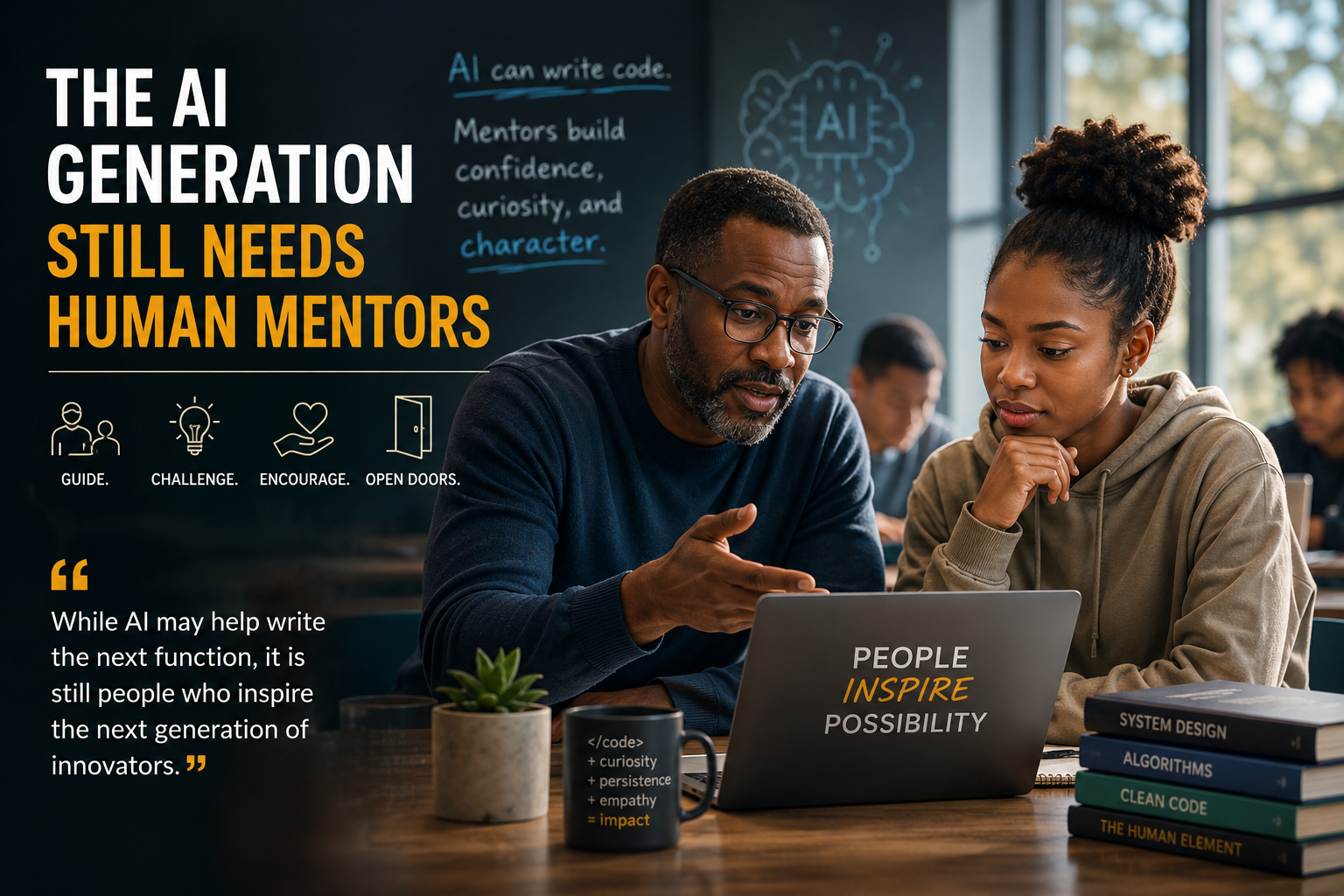
Software development is at the forefront of technological innovation and has the power to shape the future. By embracing careers in this field, African Americans can actively participate in creating technologies that address societal challenges and effect positive change. From developing applications that enhance access to education and healthcare, to using artificial intelligence for social good, the impact of software developers on society is immeasurable.
In 2023, numerous initiatives and organizations have emerged, focusing on tech-driven solutions to tackle issues like racial justice, environmental sustainability, and healthcare disparities. African American software developers can play a pivotal role in contributing to and leading such efforts, bringing a unique perspective to these vital challenges and ensuring that the technology we build is equitable and inclusive.
As we move into 2023, the software development industry offers African Americans an array of compelling reasons to explore career opportunities within its realm. By narrowing the racial divide in tech, fostering economic empowerment, and shaping the future of innovation and social impact, African American developers can make a significant difference in the industry and the world at large. Embracing these opportunities not only advances individual careers but also paves the way for a more inclusive and diverse tech landscape, benefiting society as a whole.