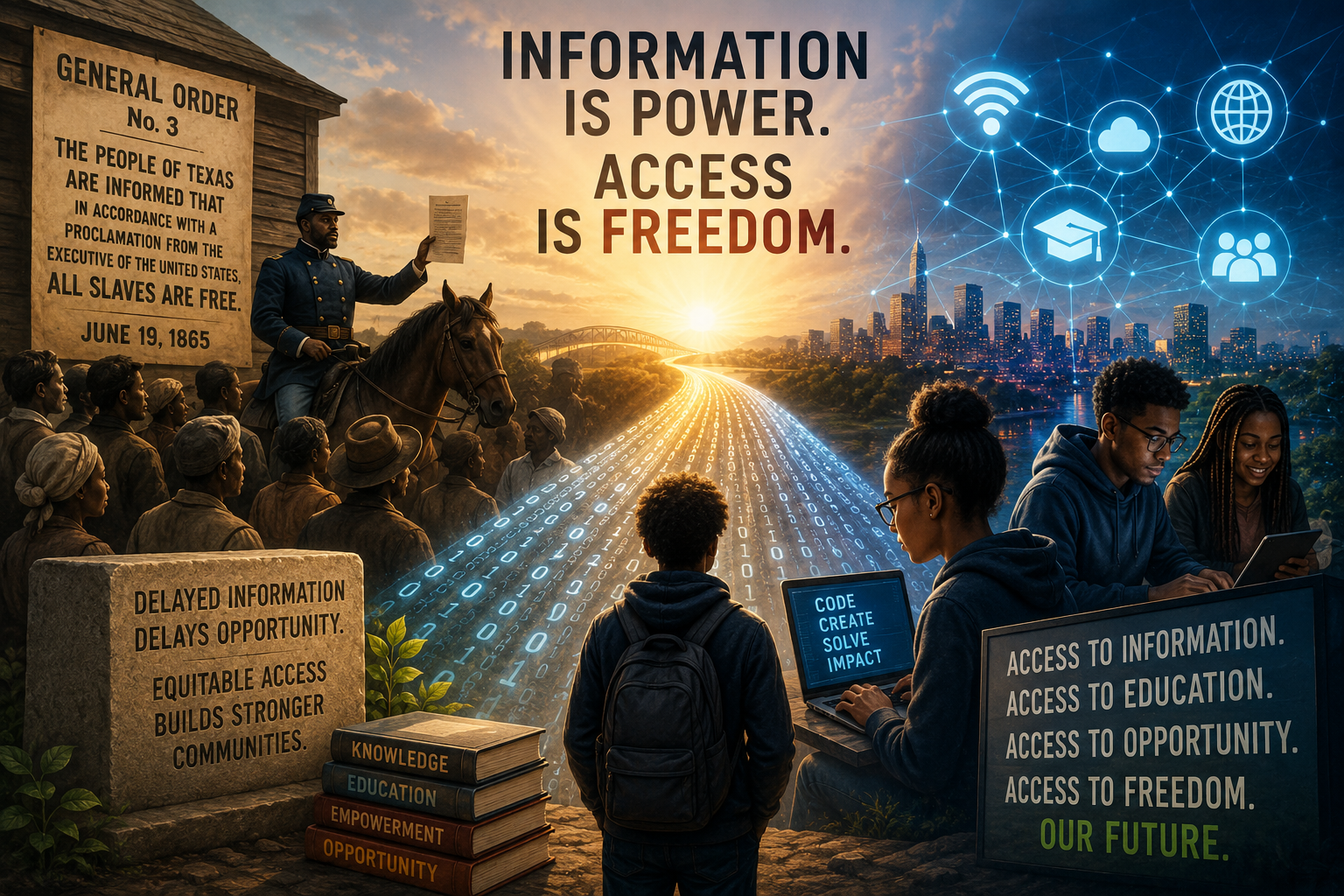
The Detrimental Impact of Banning Critical Race Theory in American Schools
All students need to know the truth

Critical Race Theory (CRT) has emerged as a controversial topic in education, with some states attempting to ban its teaching in schools. CRT is a framework that seeks to understand and address the systemic racism that has been ingrained in American institutions and society. While proponents argue that it is essential to acknowledge and address historical injustices, opponents view it as divisive and undermining the core values of America. However, banning CRT from classrooms can have detrimental consequences for the country's future. In this blog post, we will explore the three most salient reasons why America will suffer by ignoring its historical racial complexities.
By banning critical race theory in schools, we risk ignoring the uncomfortable yet essential historical truths about America's past. Understanding the impact of slavery, segregation, and discriminatory policies is crucial to shaping a more equitable future. Denying students the opportunity to learn about these historical realities deprives them of a comprehensive education. Without an honest examination of the past, the chances of repeating mistakes and perpetuating racial inequalities increase.
CRT provides a lens through which students can critically analyze the root causes of existing racial disparities. It encourages them to ask tough questions about current systems and their historical foundations. By banning CRT, we stifle opportunities for students to become informed and empathetic citizens, which can hinder progress towards a more inclusive society.
The study of critical race theory fosters critical thinking and empathy. It prompts students to think beyond the surface and consider the complexities of race and racism. Engaging with CRT enables young minds to recognize the multifaceted ways that systemic racism manifests in various aspects of life, such as education, criminal justice, and employment. This understanding nurtures empathy for marginalized communities and encourages the pursuit of justice and equality.
Banning CRT restricts the intellectual growth of students, hindering their ability to think critically and grapple with societal complexities. In a world that demands well-informed and compassionate individuals, this limitation threatens America's future by producing a generation unaware of the racial inequities that still persist and how they can be addressed. A crucial aspect of being an informed and engaged citizen is acknowledging the diverse experiences that make up the American tapestry. Critical race theory highlights the contributions, struggles, and resilience of various racial and ethnic communities throughout history. It enables students to appreciate the diverse perspectives that enrich the nation and inspires them to work towards a more inclusive and harmonious society.
Banning CRT sends a message that America is not willing to confront its past and actively work towards a better future. This can perpetuate a sense of exclusion among minority students, leading to a lack of trust in the educational system and a weakened sense of national unity. Embracing CRT and its teachings allows students to develop a stronger bond with their country, leading to active participation in civic life and a more united America.
Banning critical race theory in American schools will have far-reaching consequences that will negatively impact the country's future. Understanding the systemic racism built into America's history is vital for progress, fostering critical thinking, and nurturing empathetic citizens. By acknowledging the past and learning from it, we empower the next generation to build a more equitable, inclusive, and united America. Embracing the complexities of our history is not a threat; it is a path to a brighter and more harmonious future for all.