
Lessons To Learn From Nipsey Hussle’s Tech Investments
Dr. Kai Dupe • May 2, 2021
Nipsey Hussle was making a profound impact with Black Youth and Technology

We admire legends because of their foresight, insight and leadership. Nipsey Hussle should be recognized for bringing the tech conversation to the hood. He gave visibility to what can be done in tech and put it in a place where the Black community could have access to it.
As we spend time recognizing his many contributions to his LA kinship and hometown, Nipsey’s ability to go against the grain and follow his radical instincts, can be felt even when we take a closer look at his investments in technology.
He understood there weren’t many Black people penetrating the industry. For example, he saw the value of trading and exchanging cryptocurrency, a financial instrument built on BlockChain. BlockChain is known as one of the hottest technologies in the industry right now.
“When the value spreads, when the accessibility spreads, you’ll be sitting in the right chair,” Hussle commented once, in an interview talking about his investments.
Arguably his greatest influence on the youth however, he was augmenting & promoting STEM education. The bigger question is why aren’t our kids getting this education in their schools?
Understanding the business of -- and methods of supply and demand --- in technology is paramount for the advancement of the Black community. Technology has become a way of life. It’s a huge 21st century economic engine and in order to bring that money to the hood, we must capture the interest of the Black community and build those skill sets, in order to stay competitive. Nipsey understood the opportunities that exist in tech, and that access is rather time sensitive.
Increasingly software development and the ways in which we design and implement computer systems should be viewed through a multi-dimensional lens, but very few African Americans pursue careers in software development, or even show interest. There is research that suggests more diverse companies are better at problem solving and more profitable.
Nipsey’s vision is exactly what we should be replicating. Using these technologies and our skills to solve the problems in our communities. When these youngsters learn these new skills, they can build and create their own companies.
Did you know Nipsey’s team opened a co-working space in his community and prioritized renting space to tech-savvy entrepreneurs? The high point here isn’t that he opened a STEM center, it’s that he launched it in Crenshaw, LA, and residential fees weren’t free. He even took it a step further by reserving a science technology and education math center for children to learn and be mentored, within that same space. Research confirms mentorship is critical in this field because of the challenges and obstacles many Black people face throughout the STEM pipeline. The Too Big Too Fail academy in Crenshaw was just the first of many institutions he and his real estate business partner David Gross were planning. Baltimore, D.C. and Atlanta cities were also under consideration as the team looked to replicate the program around the country.
Nip was striving to create an environment where youngsters could see entrepreneurs and creators, who come from where they come from and look like him to emulate. Take a look at the value moguls like Jay-Z and Diddy place on tech investments, out on the east coast. Nipsey envisioned a resource networking system across major cities, designed for information sharing and software development. We need more of this.
The creativity that African-Americans brought to jazz, hip-hop and football, think Barry Sanders in the NFL or Allen Iverson’s crossover in the NBA; what Obama did with the presidency, we have yet to see the full effects of Black creativity in the tech space.
We must get past the intimidation stage.
Let’s take a note from Nipsey’s wisdom and legacy, by continuing to bridge the gap in STEM education in our communities, and commit to this much needed level of investments in the tech industry.
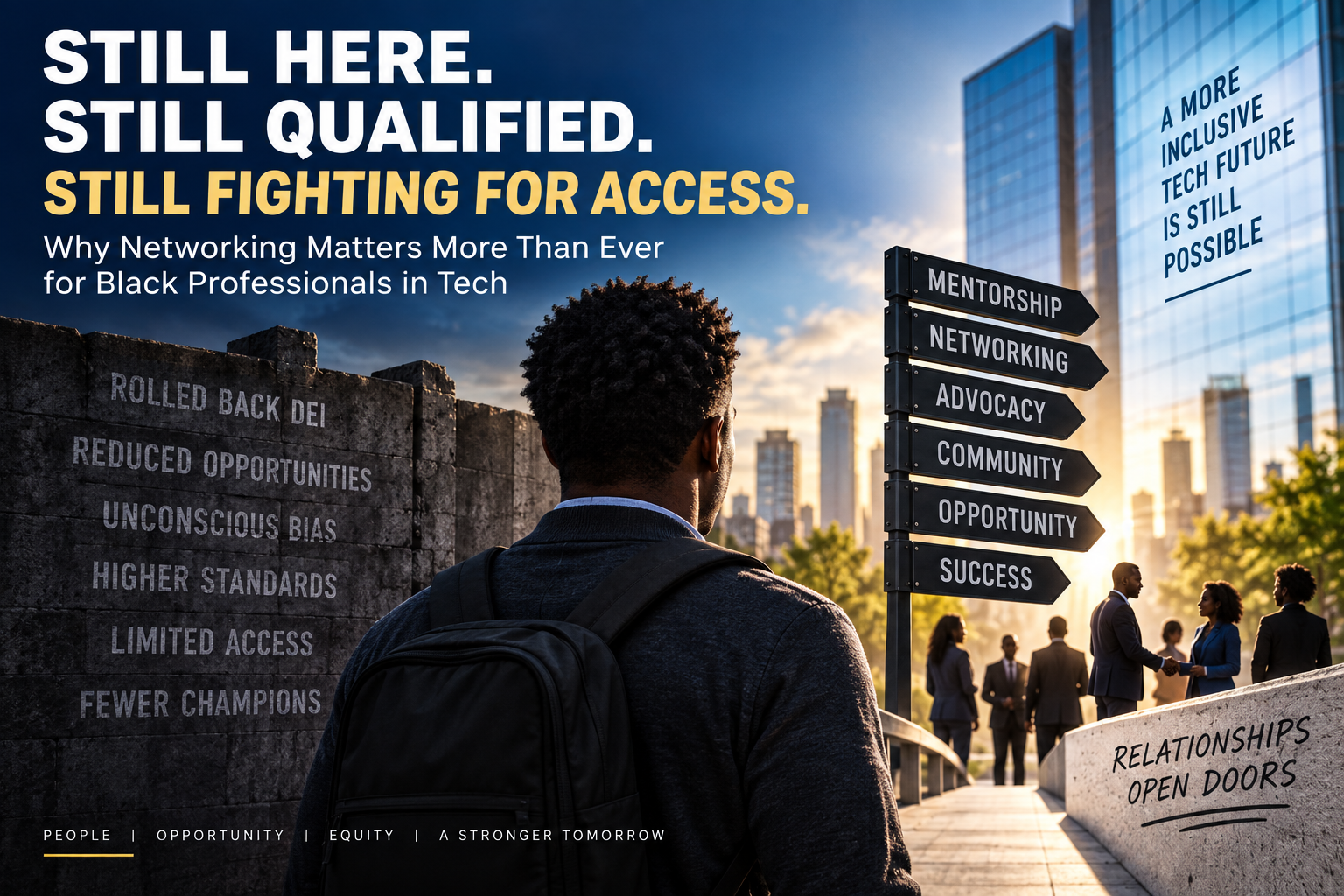
A mentor gives you advice. A sponsor creates opportunities.
Representation alone will not solve the persistent racial disparities in computing.
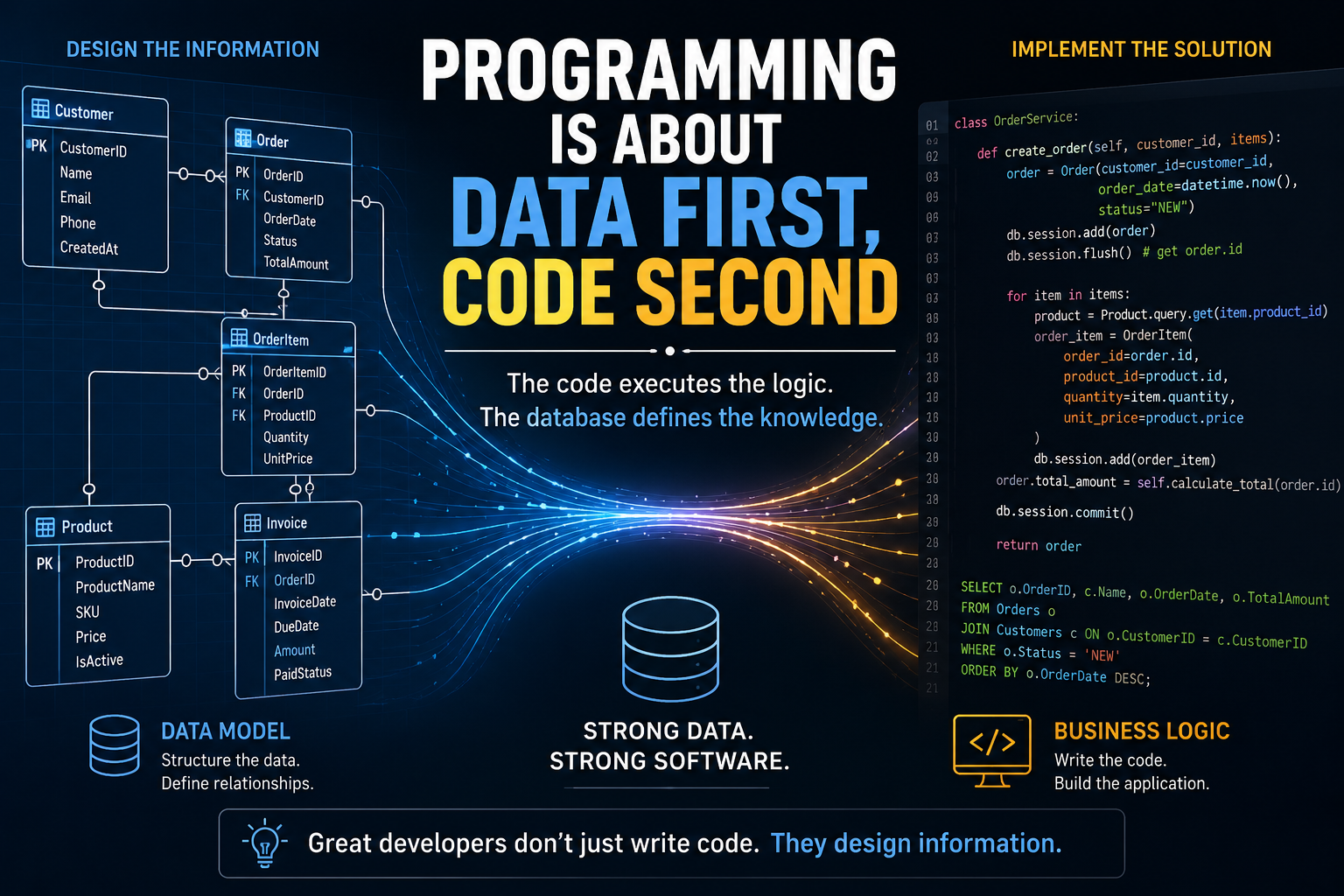
The truth is that most software applications exist to manage information.
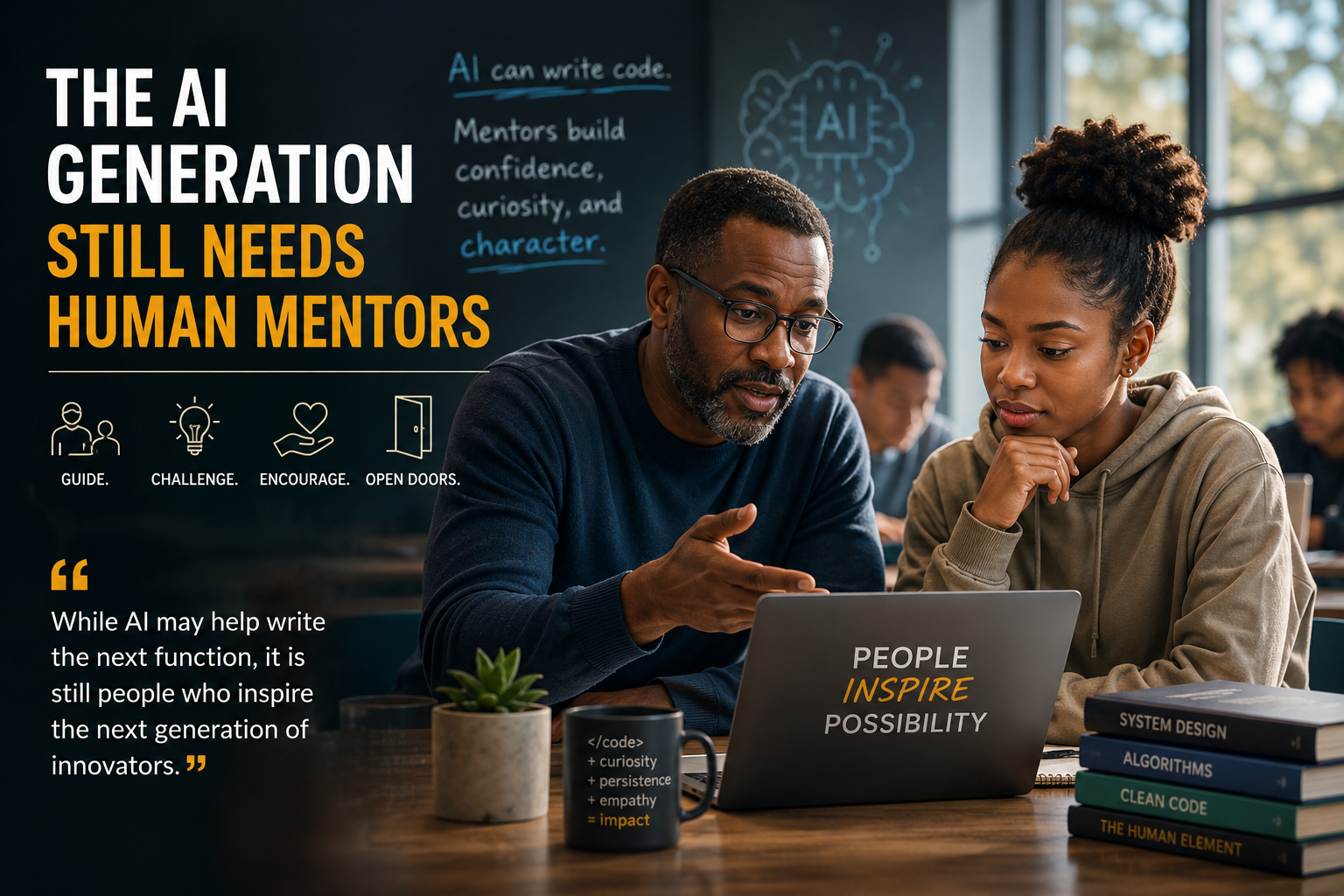
Artificial intelligence has become the newest member of nearly every software development team.
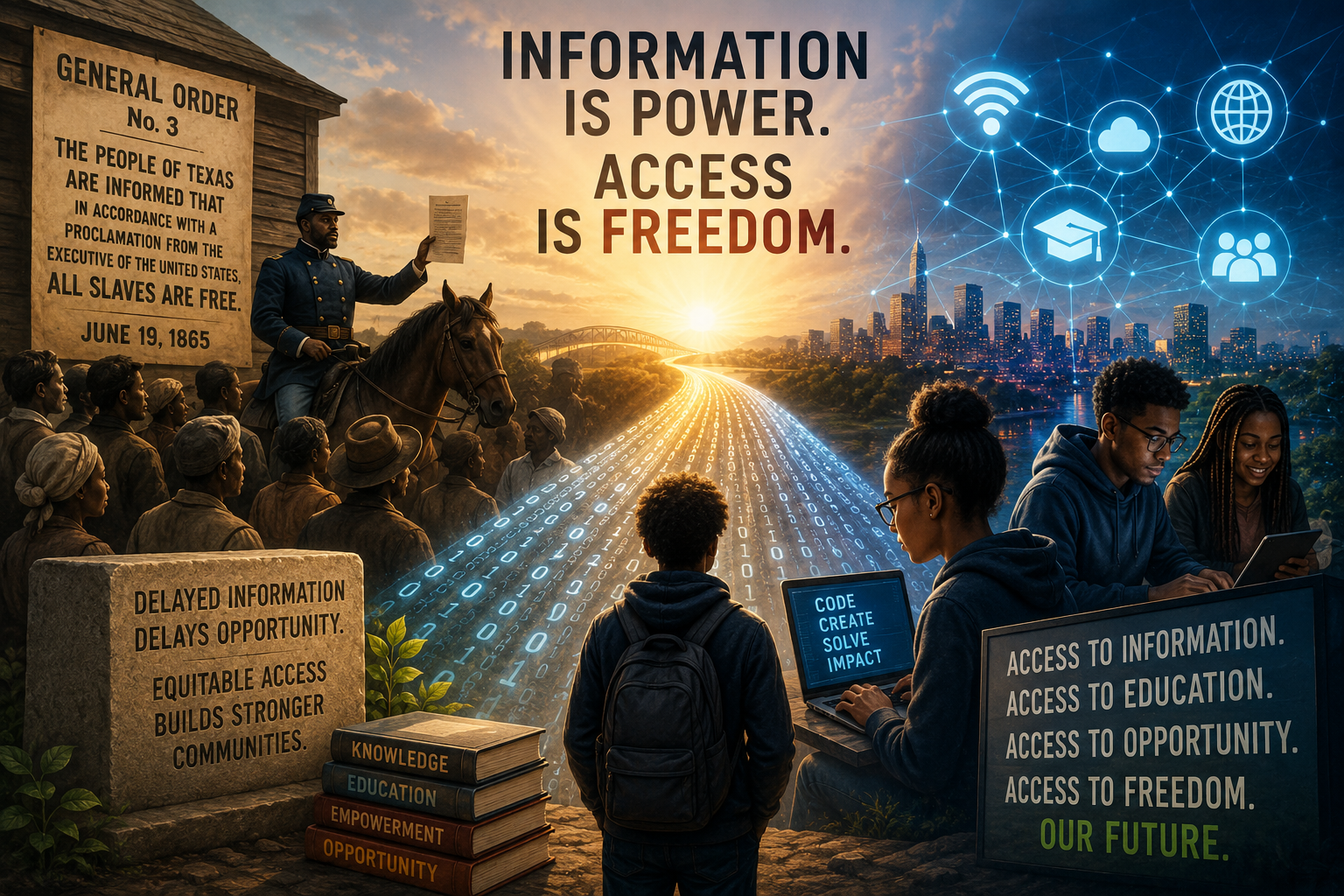
The true promise of computing is not found in the machines we build, but in the human potential we unlock when knowledge becomes accessible to everyone.

One of the reasons I value the MCT program so highly is that it represents more than technical knowledge.
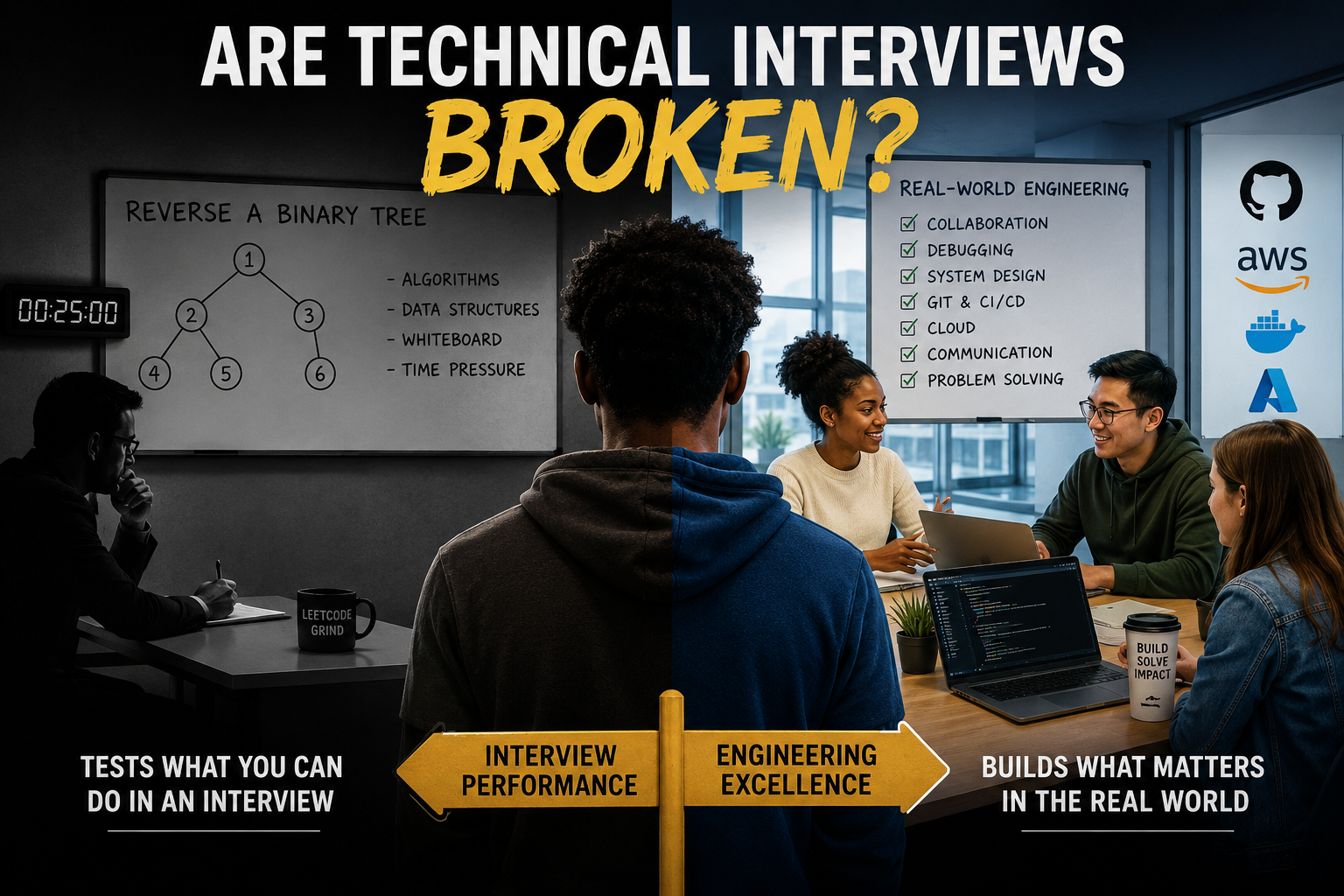
Software engineering is not simply coding.

Companies often promote the idea that technical skill alone determines success.
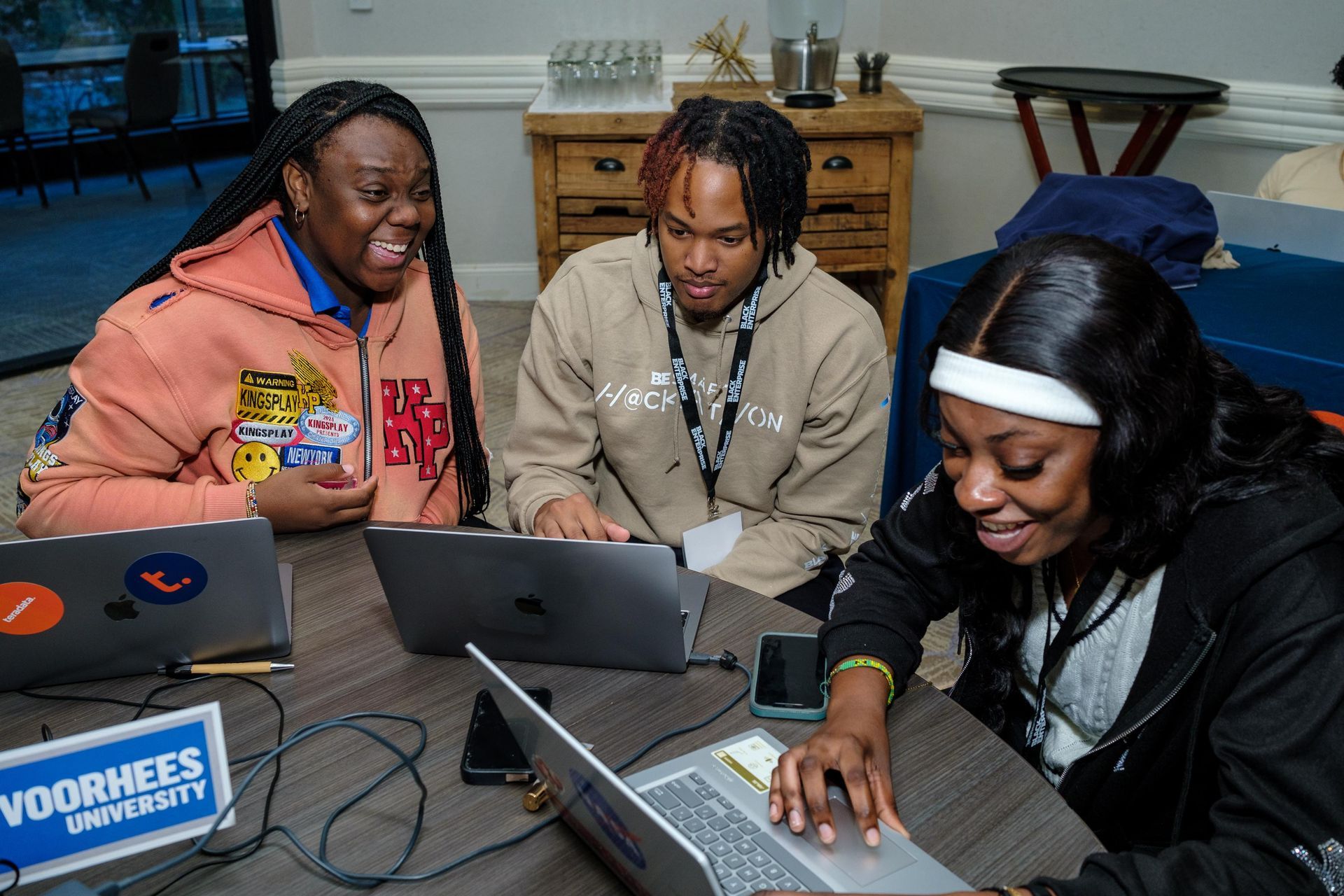
Hackathons also strengthen teamwork and communication skills.
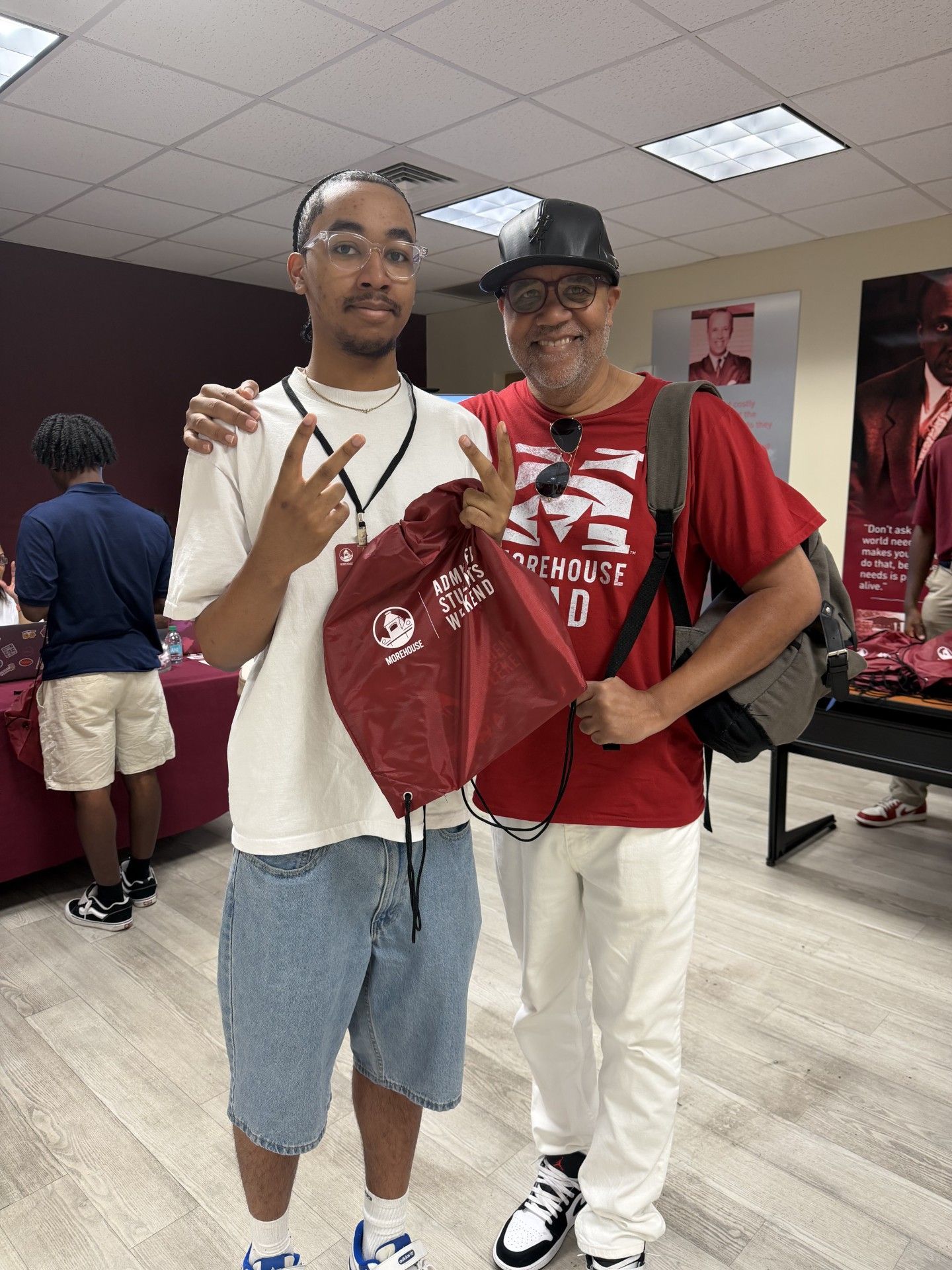
Stepping onto the campus of Morehouse College this past weekend for Admitted Students Day was more than a visit—it was a moment of reflection. As I watched young Black men walk with purpose across the yard, I found myself asking a simple but profound question: What would it have been like for me to study computer science here? My journey into computing was shaped in environments where I was often the only Black man in the room. That reality brings with it an unspoken weight—the need to prove you belong, the awareness of being watched, and sometimes, the quiet isolation that comes with underrepresentation. Standing at Morehouse, I realized that this burden is not a given. It is a condition of the environment. At Morehouse, the environment is different by design. Here, Black men are not anomalies—they are the standard. I imagined what it would feel like to learn algorithms, data structures, and software development in a space where my identity was not questioned but affirmed. Where excellence is expected, not in spite of who you are, but because of it. As a computer science professor, I understand the academic rigor required to succeed in this field. There is no shortcut through recursion, no bypass around debugging, no substitute for disciplined problem-solving. But what struck me during my visit is how much context matters. When students are free from the psychological burden of proving they belong, they can redirect that energy toward mastering the material. They can collaborate more openly, ask questions more freely, and take intellectual risks without fear. I also thought about legacy. At Morehouse, students walk the same grounds as Martin Luther King Jr.. That kind of history does something to a person. It raises the bar—not just academically, but personally. It invites students to see their education not just as a pathway to a career, but as preparation for impact. Leaving campus, I felt inspired—but also reflective. I cannot rewrite my journey, but I can appreciate what spaces like Morehouse offer the next generation. For a Black male pursuing computer science, it is more than a degree. It is an opportunity to develop skill, confidence, and identity in alignment. And that combination is powerful.