
The Lack of Technology in Urban Schools Is A Huge Problem
Kai Dupé • May 13, 2021
Technology makes learning opportunities more accessible to students

Note: This piece was originally written in 2011. The pandemic reminded us that not much has changed.
Also certain devices that are used in many schools to enhance instruction such as digital music players, tablet computers and cell phones are missing from most urban schools I have visited. As I began to investigate this situation, I learned from interviewing administrators and teachers in the urban school setting, that many of them are merely following policies that have been put in place by their central office. Policies that are in my opinion not only hindering the learning process but placing these students at a global disadvantage.
The National Alliance of Black School Educators (NABSE)
has declared:
Among the most significant trends that will increase the academic achievement levels of students is the use of technology. Technology makes learning opportunities more accessible to students at any time/any place. In particular, minority students will begin to realize their interests and learning patterns can be fulfilled with this new technology. Technology will enhance the classroom teacher, so that skill levels, learning styles, language barriers, and the place of learning will not be deterrents.
Those who craft these policies believe that these technologies detract from the learning process. For example, in New York City cell phones have been banned from schools. Although teachers and students are complaining about the ban, Mayor Michael Bloomberg and Schools Chancellor Joel Klein have staunchly refused to drop the ban. They insist cell phones are a distraction and are used to cheat, take inappropriate photos in bathrooms, and organize gang rendezvous. While this may be true, why not teach our students how to be responsible with these devices as opposed to simply not allowing the devices on campus?
People speed and drive while under the influence of alcohol – is this a reason to ban motor vehicles? There are school districts that are using these technologies to either increase the productivity of their teachers or enhance instruction. In Corpus Christi, Texas, Sandy Riggs, says “using texting as an education tool has increased her students’ access to her, their confidence and ultimately gained their trust” Why can’t New York learn from Corpus Christi? Are the schools and students that different?
Urban schools, like all schools, must have technology policies that reflect the need for our students to be prepared for life in the 21st century. That can’t be done without integrating technology simply because technology is a major part of life in the 21st century. Let us make sure that our students are prepared.
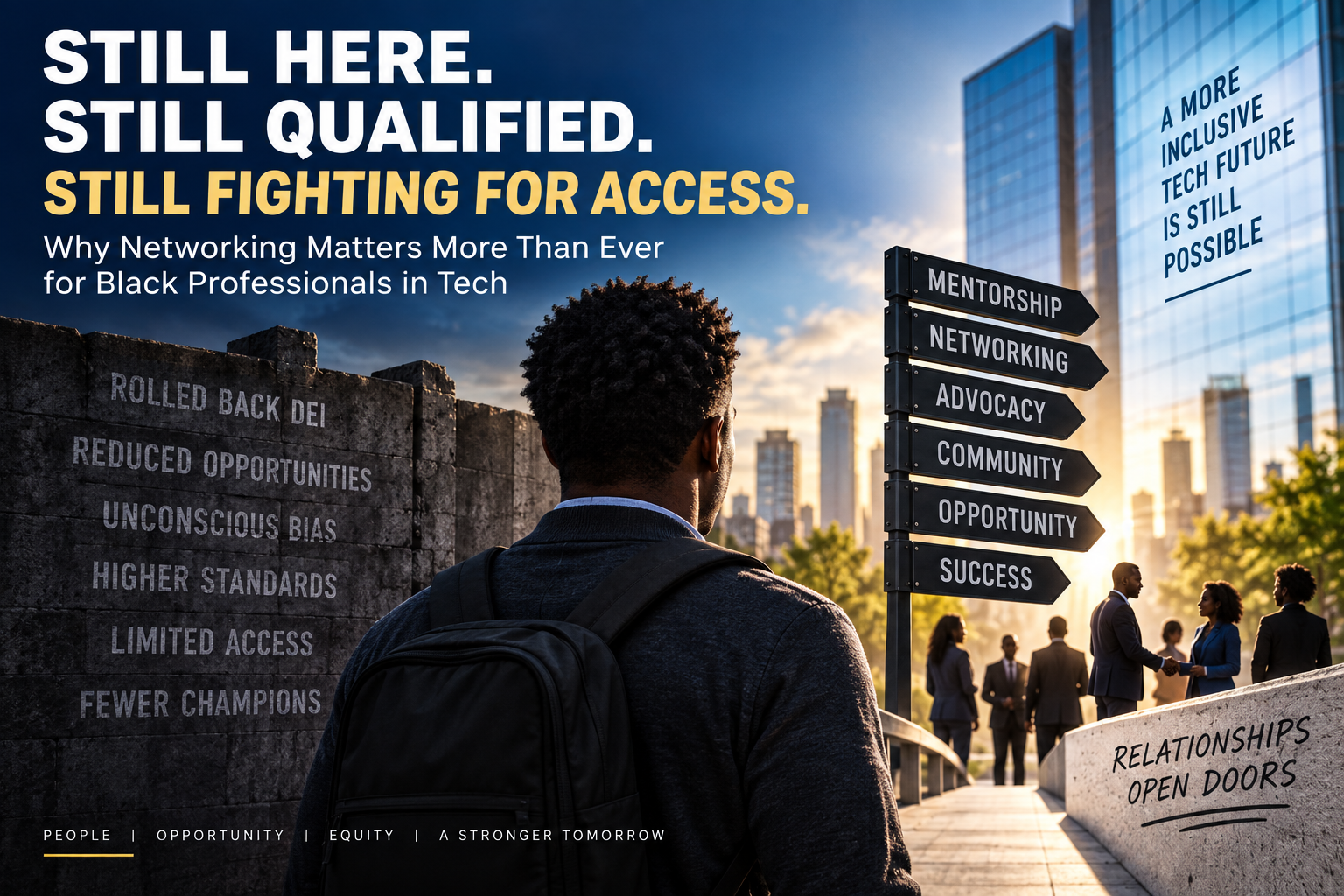
A mentor gives you advice. A sponsor creates opportunities.
Representation alone will not solve the persistent racial disparities in computing.

The truth is that most software applications exist to manage information.
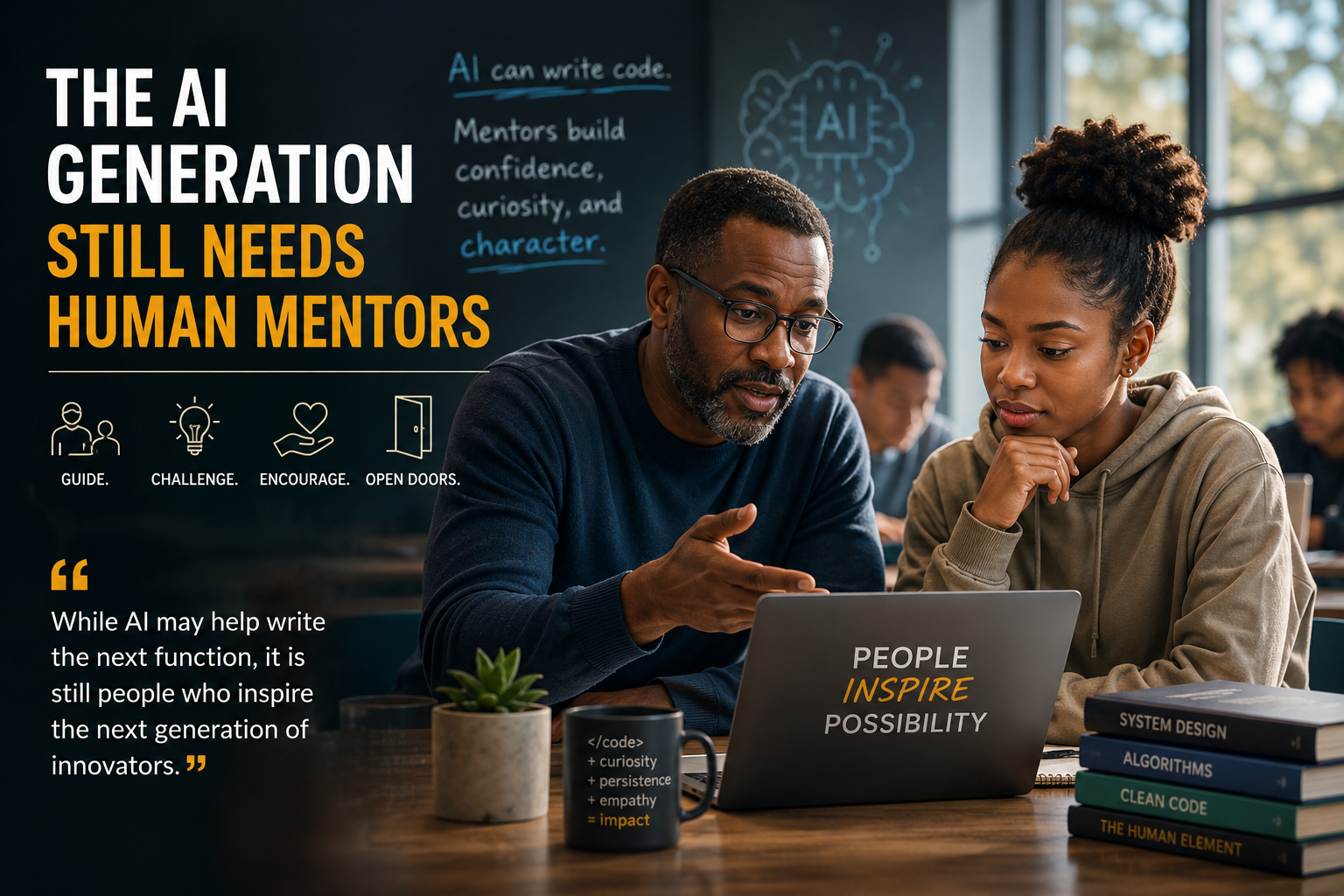
Artificial intelligence has become the newest member of nearly every software development team.
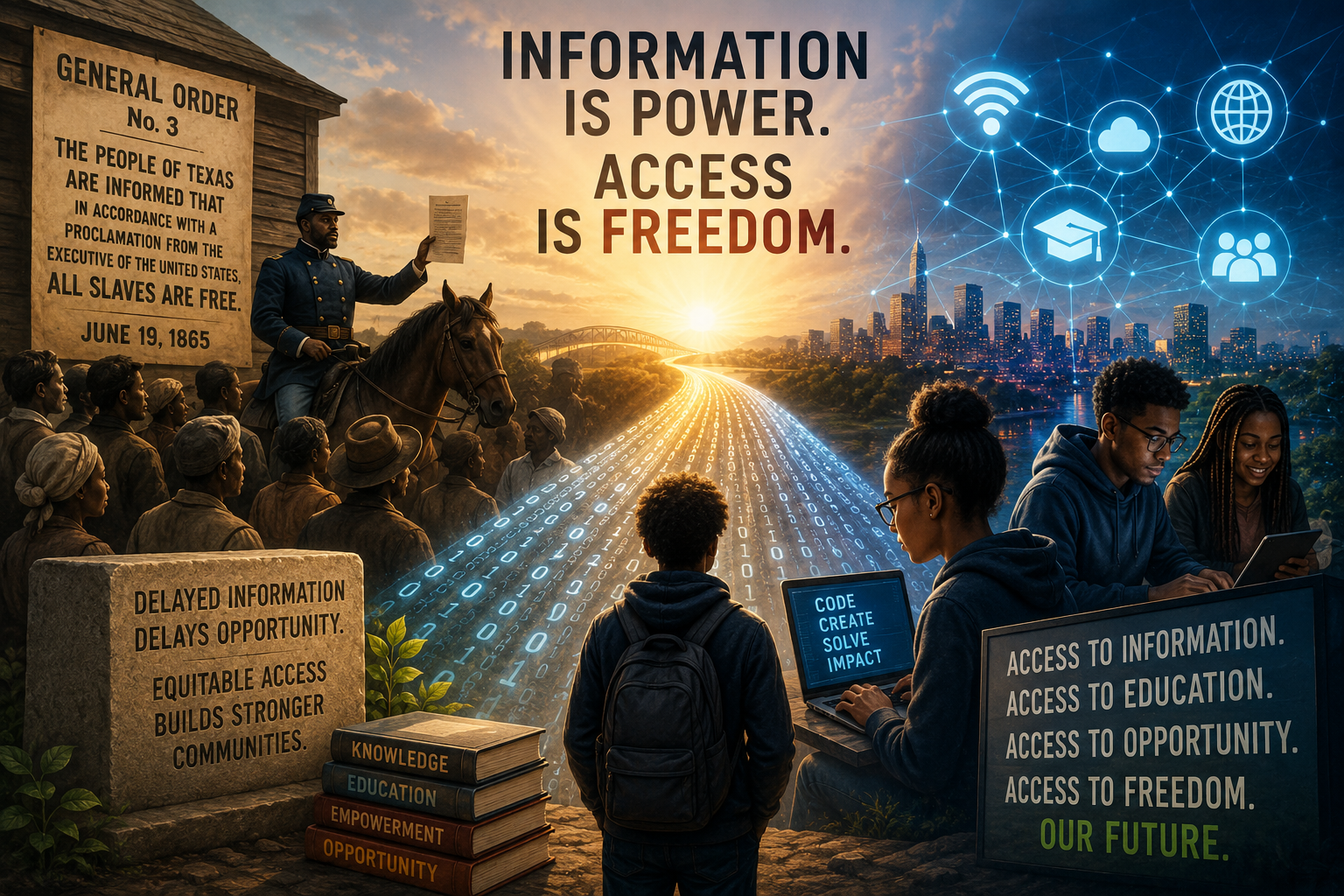
The true promise of computing is not found in the machines we build, but in the human potential we unlock when knowledge becomes accessible to everyone.

One of the reasons I value the MCT program so highly is that it represents more than technical knowledge.

Software engineering is not simply coding.

Companies often promote the idea that technical skill alone determines success.
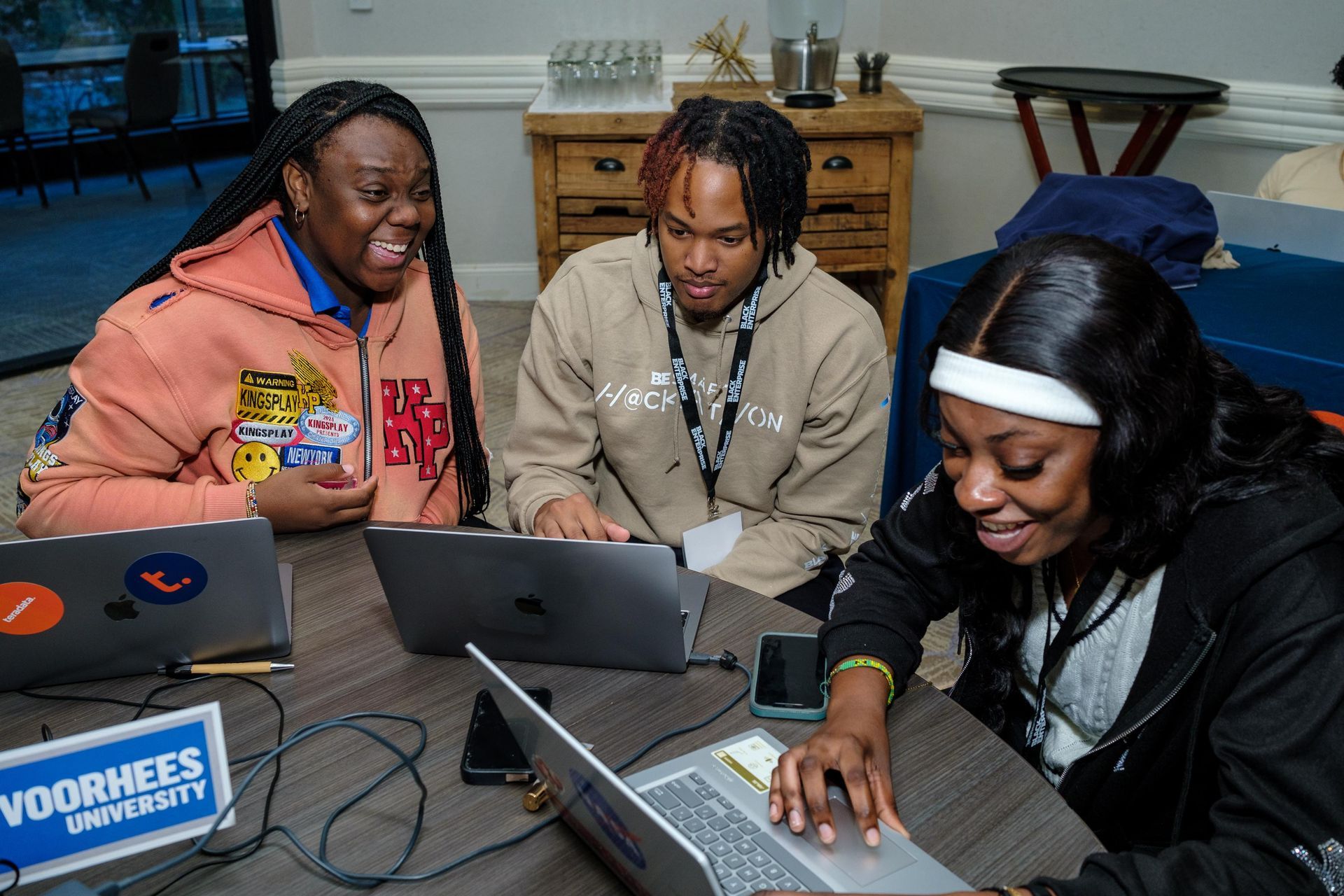
Hackathons also strengthen teamwork and communication skills.
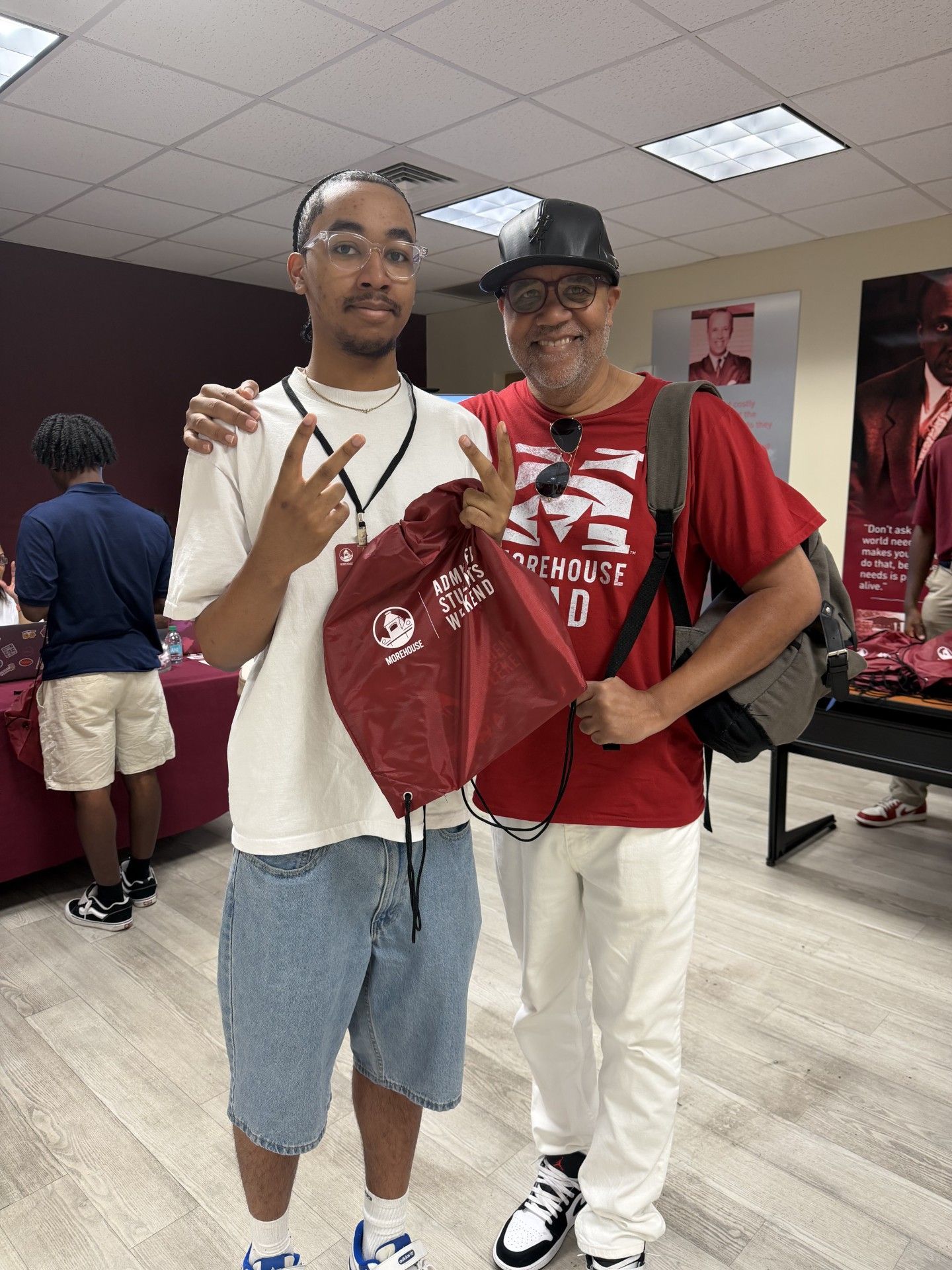
Stepping onto the campus of Morehouse College this past weekend for Admitted Students Day was more than a visit—it was a moment of reflection. As I watched young Black men walk with purpose across the yard, I found myself asking a simple but profound question: What would it have been like for me to study computer science here? My journey into computing was shaped in environments where I was often the only Black man in the room. That reality brings with it an unspoken weight—the need to prove you belong, the awareness of being watched, and sometimes, the quiet isolation that comes with underrepresentation. Standing at Morehouse, I realized that this burden is not a given. It is a condition of the environment. At Morehouse, the environment is different by design. Here, Black men are not anomalies—they are the standard. I imagined what it would feel like to learn algorithms, data structures, and software development in a space where my identity was not questioned but affirmed. Where excellence is expected, not in spite of who you are, but because of it. As a computer science professor, I understand the academic rigor required to succeed in this field. There is no shortcut through recursion, no bypass around debugging, no substitute for disciplined problem-solving. But what struck me during my visit is how much context matters. When students are free from the psychological burden of proving they belong, they can redirect that energy toward mastering the material. They can collaborate more openly, ask questions more freely, and take intellectual risks without fear. I also thought about legacy. At Morehouse, students walk the same grounds as Martin Luther King Jr.. That kind of history does something to a person. It raises the bar—not just academically, but personally. It invites students to see their education not just as a pathway to a career, but as preparation for impact. Leaving campus, I felt inspired—but also reflective. I cannot rewrite my journey, but I can appreciate what spaces like Morehouse offer the next generation. For a Black male pursuing computer science, it is more than a degree. It is an opportunity to develop skill, confidence, and identity in alignment. And that combination is powerful.