
On the Wrong Side of the Digital Divide
Kai Dupé • May 21, 2021
Africans Have Always Been Inventors

Every day I ask my daughter what she learned in school. This week she informed me that she learned Alexander Graham Bell invented the telephone. This is simply not the truth. That honor goes to Granville T. Woods. African Americans are shamefully underrepresented in the fields of science, technology, engineering, and math (STEM). Of the many socio-historical factors that have contributed to this gap and one of the most important, is the omission of African American contributions to the field.
The First Innovation
African Americans must be made aware of their contributions in the STEM fields. According to the great Senegalese scholar, Cheik Anta Diop in his great work, Civilization or Barbarism, Africans created math. How is that for a contribution to STEM?
Africans Have Always Been Inventors
The earliest direct evidence of tool usage is found in Ethiopia within the Great Rift Valley, dating back 2.5 million years ago. The oldest artifacts with drawings that depict wheeled carts date from about 3000 B.C. Master innovator, Imhotep, was considered the first multi-disciplinary genius. There is a long list of innovations from Ancient Egypt long before the Egyptians ever had contact with Europeans.
Coming to America
After arriving in America and being placed under some of the most oppressive systems ever, Africans continued to innovate. During the colonial period, the commodity of the day was rice. According to Bruce Sinclair, observed in Technology and the African American Experience, Africans brought with them the techniques and science for controlling the water to cultivate rice, thereby increasing economies in the region in which they were enslaved.
The Industrial Age
The contributions continued during the industrial period. These innovations include Andrew Baird’s jenny coupler (an automatic device which secures two train cars when they are bumped), and Frederick McKinley Jones’ mechanical refrigeration units for railroad cars and trucks. As the country transformed from the industrial economy to the digital age African Americans continued to make significant contributions.
The Black Digital Elite
John T. Barber chronicled for us some of the contributions of African Americans in tech in The Black Digital Elite, African Americans continued to innovate. Leaders such as Mark Dean and Dr. Clarence Ellis have carried the torch honorably. Dr. Ellis was part of the team who built Alto, the world’s first personal computer as well as interfaces, software and languages. Mark Dean was on the team that created the first personal computer at IBM. Dean is most noted for the architecture he designed for the PC AT. He has over 200 patents and led the team at IBM that developed the first Gigahertz chip. These are foundational contributions to the world of computing and should be recognized as such.
This is but a brief overview of the rich history of innovative technological contributions of both Africans and African Americans. It is my hope that opening the door to knowledge about our history will ignite a passion in our young people to become innovators and inventors.
We must make our young people aware of the contributions of our ancestors as well as make our young people aware of those engineers and scientist who are among them today.
A mentor gives you advice. A sponsor creates opportunities.
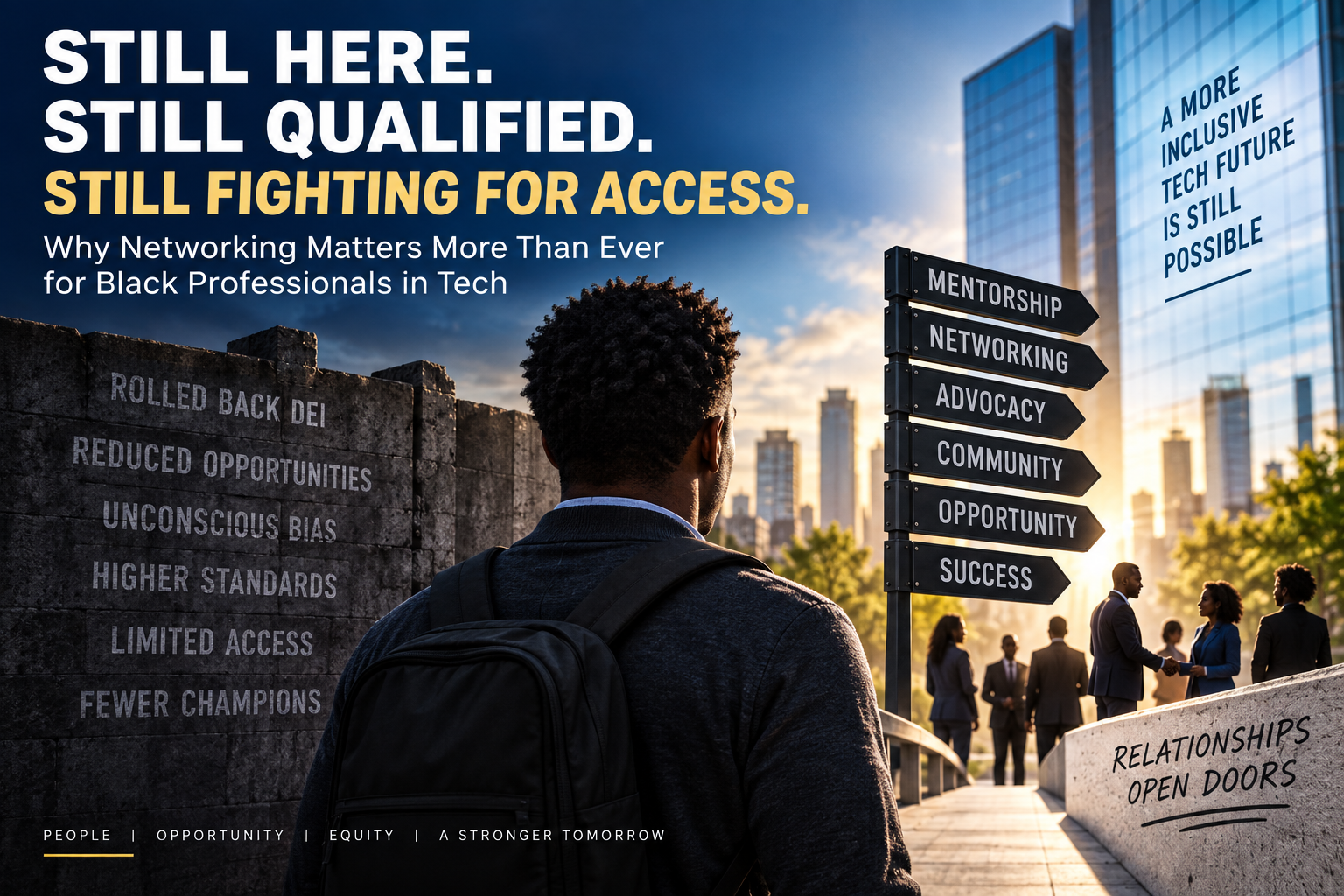
Representation alone will not solve the persistent racial disparities in computing.
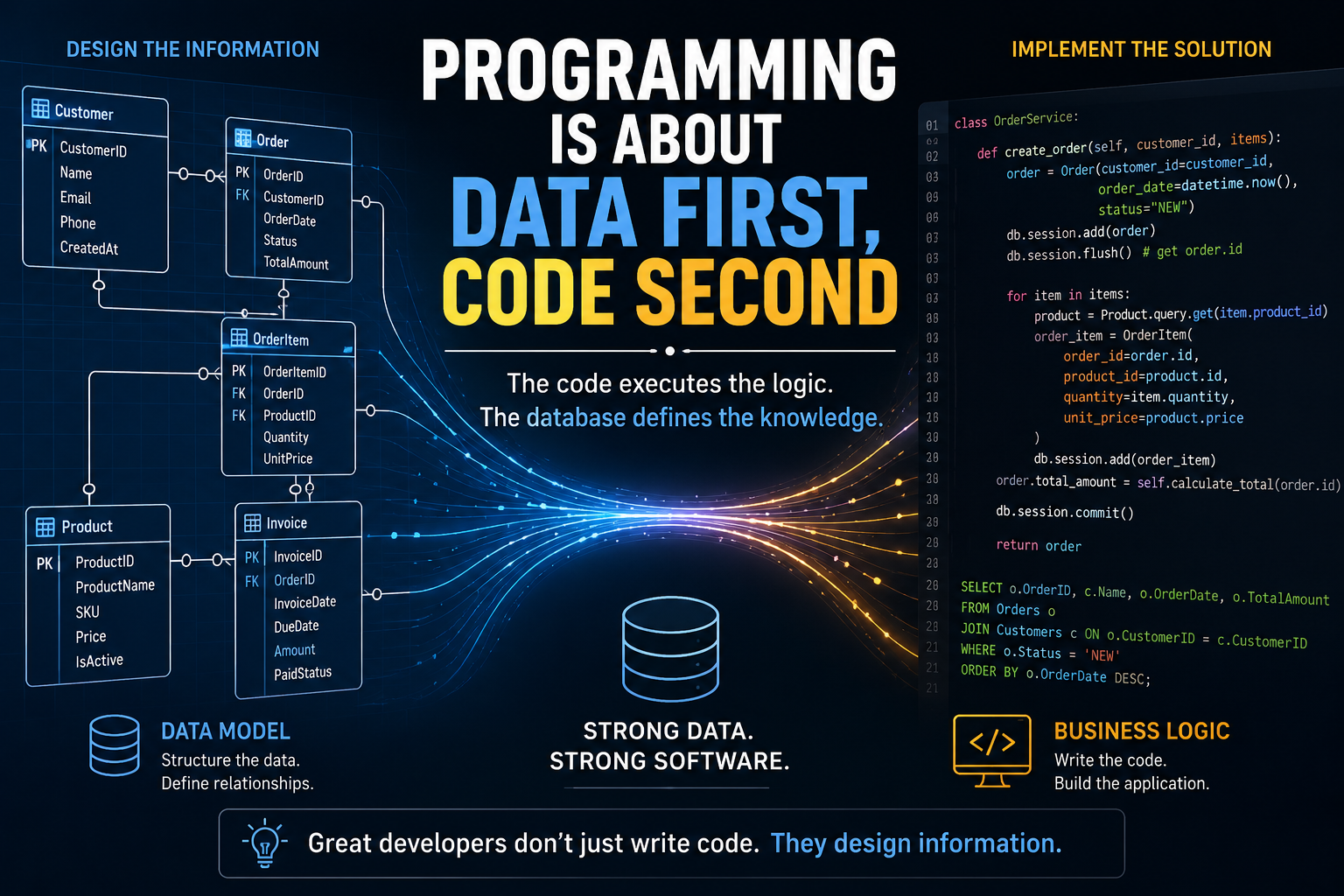
The truth is that most software applications exist to manage information.
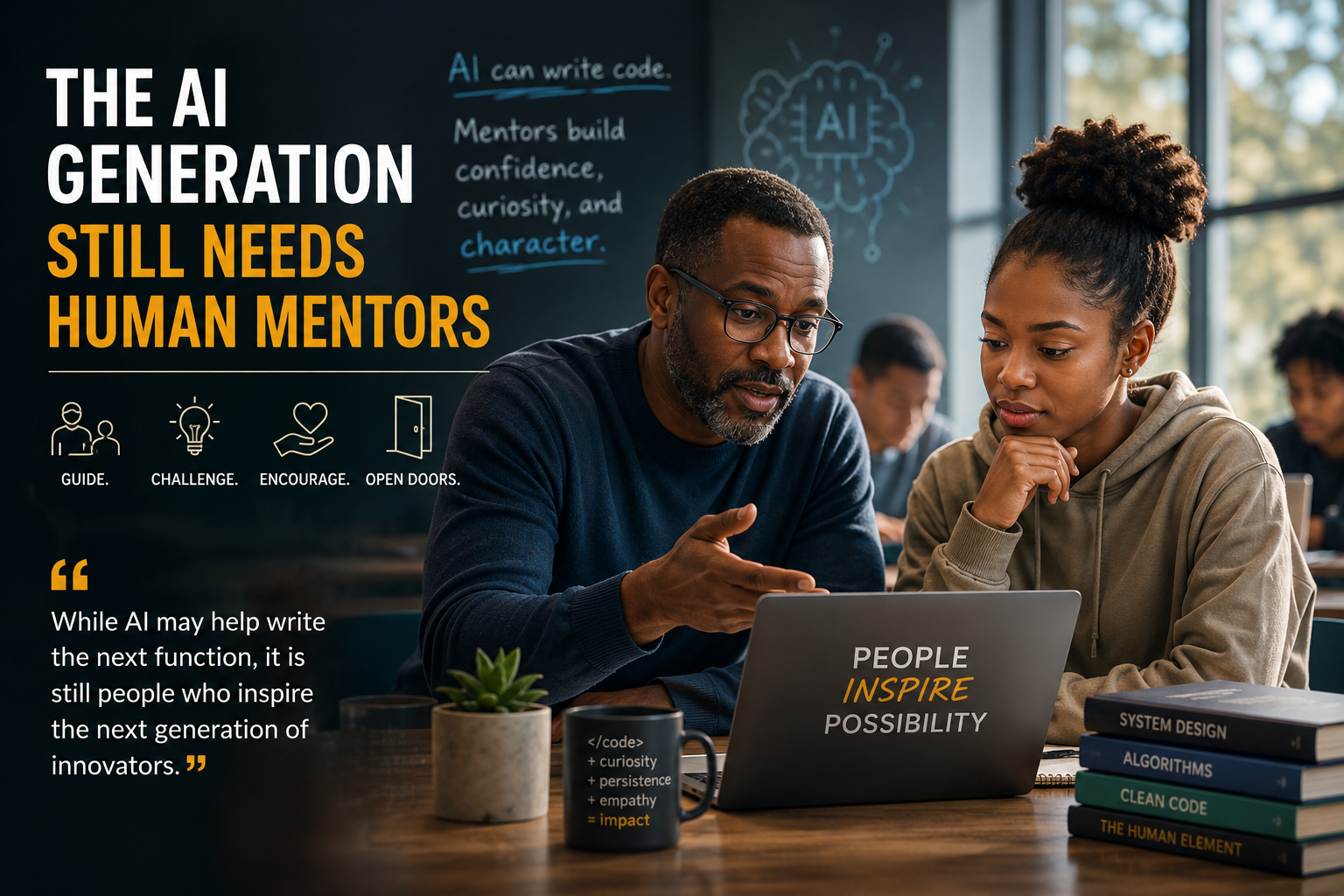
Artificial intelligence has become the newest member of nearly every software development team.
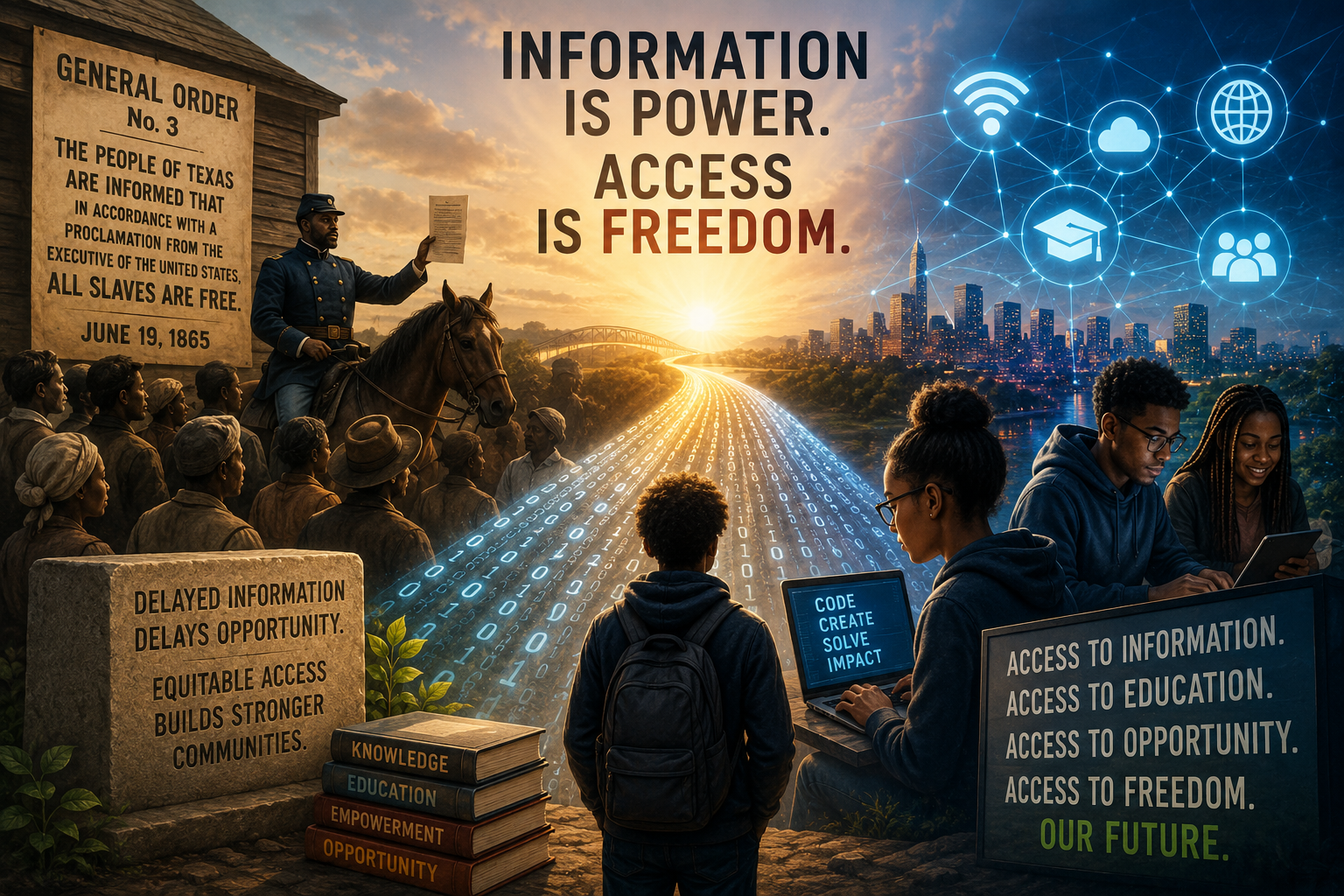
The true promise of computing is not found in the machines we build, but in the human potential we unlock when knowledge becomes accessible to everyone.

One of the reasons I value the MCT program so highly is that it represents more than technical knowledge.
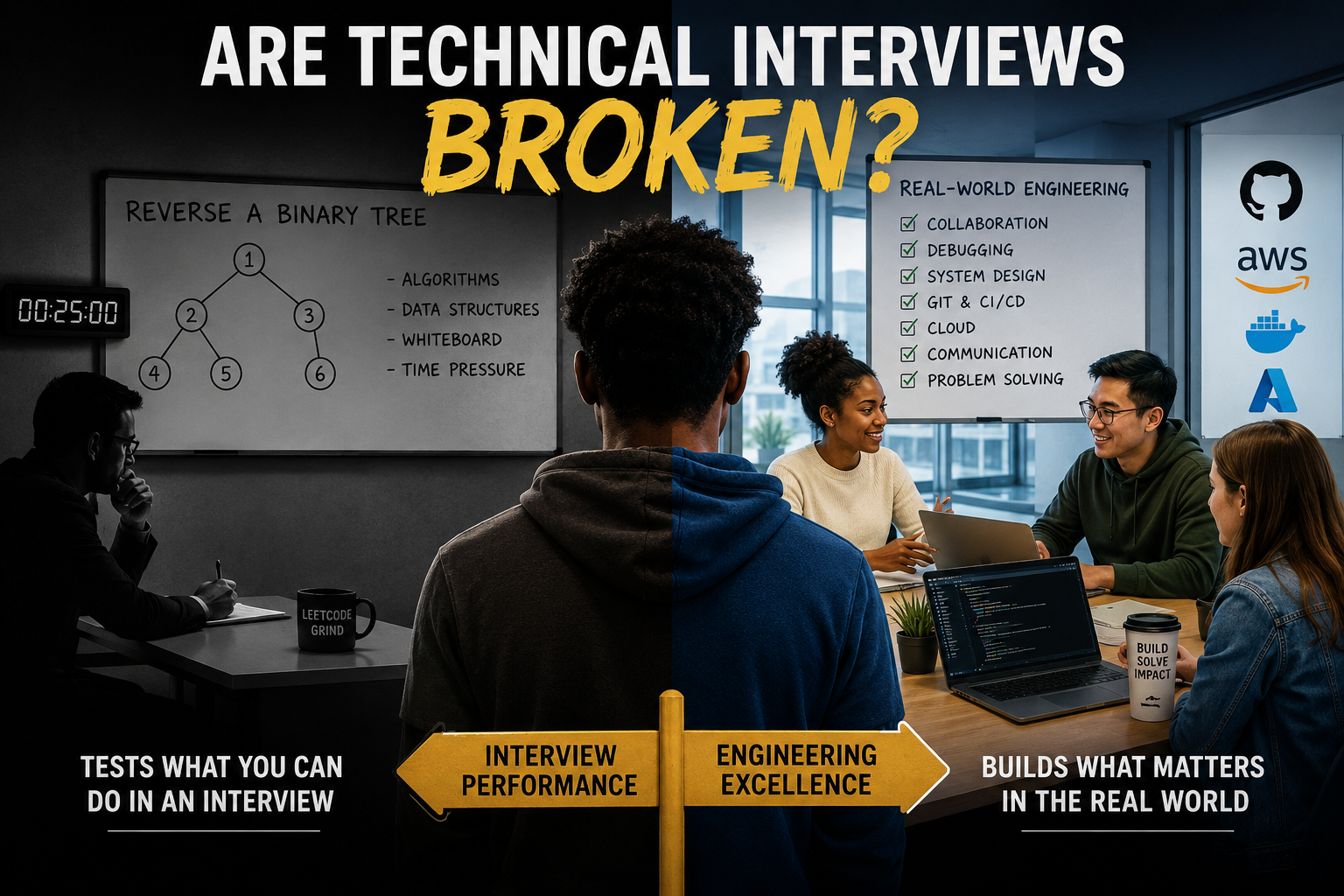
Software engineering is not simply coding.

Companies often promote the idea that technical skill alone determines success.
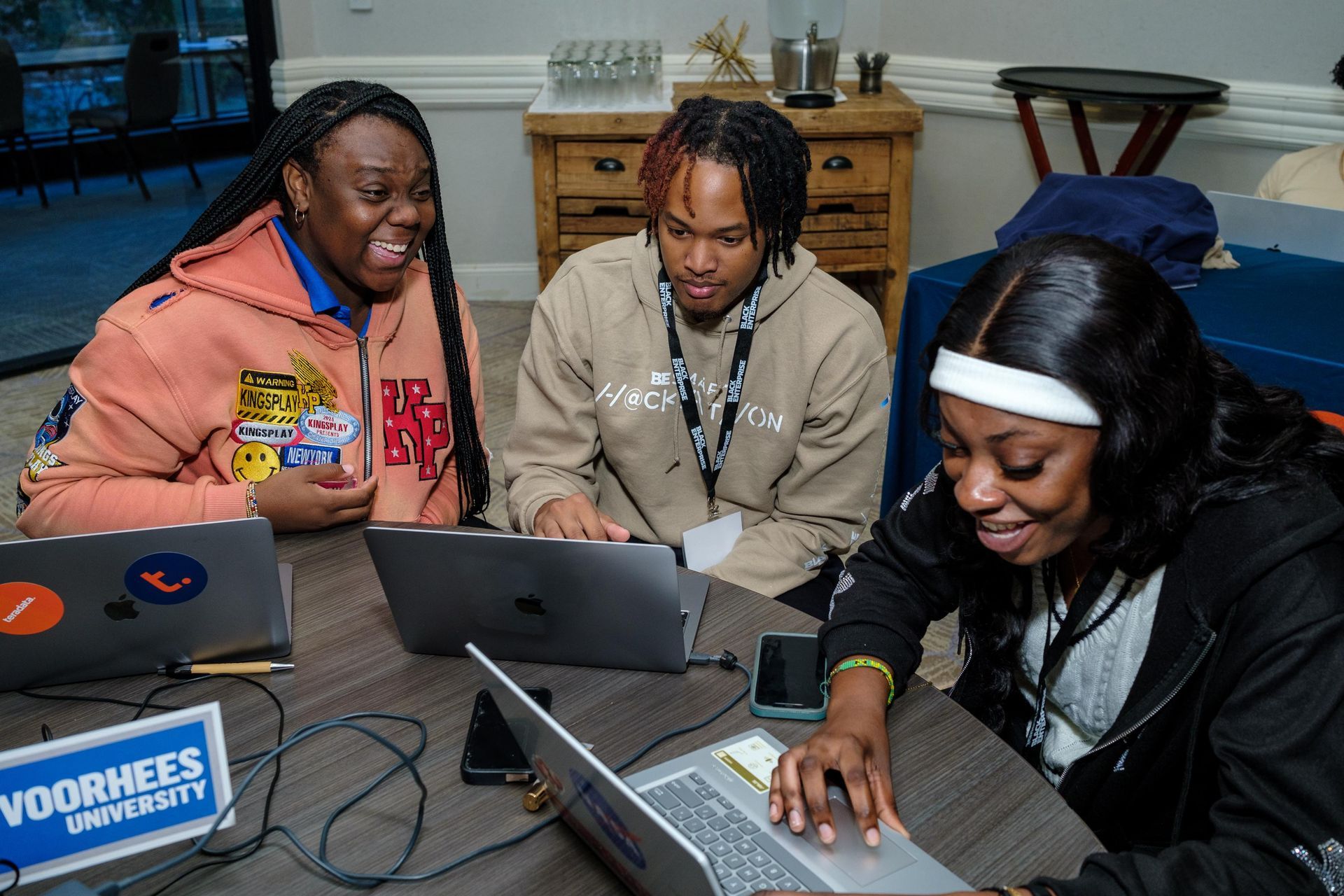
Hackathons also strengthen teamwork and communication skills.
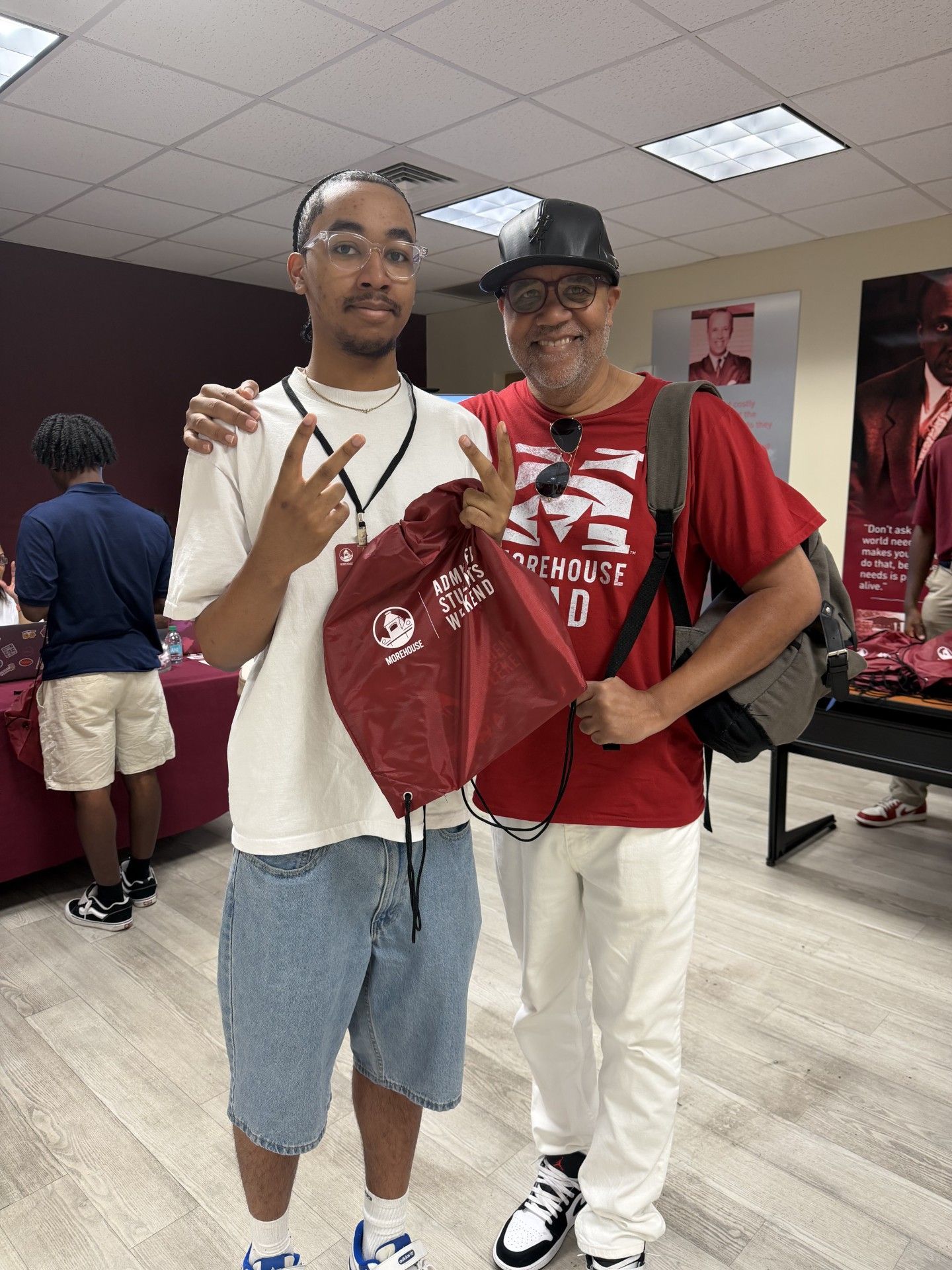
Stepping onto the campus of Morehouse College this past weekend for Admitted Students Day was more than a visit—it was a moment of reflection. As I watched young Black men walk with purpose across the yard, I found myself asking a simple but profound question: What would it have been like for me to study computer science here? My journey into computing was shaped in environments where I was often the only Black man in the room. That reality brings with it an unspoken weight—the need to prove you belong, the awareness of being watched, and sometimes, the quiet isolation that comes with underrepresentation. Standing at Morehouse, I realized that this burden is not a given. It is a condition of the environment. At Morehouse, the environment is different by design. Here, Black men are not anomalies—they are the standard. I imagined what it would feel like to learn algorithms, data structures, and software development in a space where my identity was not questioned but affirmed. Where excellence is expected, not in spite of who you are, but because of it. As a computer science professor, I understand the academic rigor required to succeed in this field. There is no shortcut through recursion, no bypass around debugging, no substitute for disciplined problem-solving. But what struck me during my visit is how much context matters. When students are free from the psychological burden of proving they belong, they can redirect that energy toward mastering the material. They can collaborate more openly, ask questions more freely, and take intellectual risks without fear. I also thought about legacy. At Morehouse, students walk the same grounds as Martin Luther King Jr.. That kind of history does something to a person. It raises the bar—not just academically, but personally. It invites students to see their education not just as a pathway to a career, but as preparation for impact. Leaving campus, I felt inspired—but also reflective. I cannot rewrite my journey, but I can appreciate what spaces like Morehouse offer the next generation. For a Black male pursuing computer science, it is more than a degree. It is an opportunity to develop skill, confidence, and identity in alignment. And that combination is powerful.