
The US Economy Needs More Black and Brown Talent in Tech
Dr. Kai Dupe • July 23, 2021
There is big money in your future if you join the STEM movement.

The future financial success of America is to a large degree, dependent on this country’s ability to train and persuade more people of color to pursue careers in the technology field.
Let me explain.
America is becoming brown. Many have referred to this as “the browning of America. It is from these ethnic groups that will soon make up half of the U.S. population by 2050. Tech industries and education technology programs should be intentional about grooming now — in order to address the shortage of diverse talent in STEM. This way, we can avoid the impending talent shortage, and instead work towards systems that present long-term training and environmental solutions.
At the same time activists are fighting for a fair and just census process, economists and leading labor strategists are also actively working to influence policy. The hope is that the U.S. economic plan for the next decade or two will offer real results for the shortcomings we see in our current vastly disproportionate workforce.
In each of these conversations, both the 2020 census and economic policy plans under consideration, decision makers must recognize the impact of the ever-changing tech world. The investments that we make to advance software development and education technology today, will determine our ability to sustain the U.S. economy for years to come.
School educators, city officials and congresspersons must act now. Continuing to improve the simple aptitude or technical skills required to deliver good product is still a necessity, however, my research
suggests our leaders have to implement more comprehensive solutions, in the classroom and across offices in STEM fields, that take into account ways to teach young Black and Brown talent how to emotionally, socially, spiritually and technically master the technology and science fields.
While completing my dissertation Coding While Black, and speaking with tech professionals from every sector of the industry, it became very clear to me that stress from environmental and social inequalities in the industry stifles quality of work and creativity. This is counteractive to the curriculum and changes in diversity we claim to be striving toward.
Until policymakers, business leaders and educators commit to this new wave of talent development in the industry, Black and Brown professionals should work to accelerate their learning by reading primary sources written by experts and by attending speaking engagements and conferences where information can be acquired first hand. This allows for the individual to make more educated decisions about the best ways for them to maneuver in the industry.
Simply put, there is big money in your future if you join the STEM movement. You are capable of working in technology. These skills are powerful and the barriers to entry are low. Demand, however, is becoming increasingly high. Any institution or community leader would be wise to invest heavily in young talent, of every background, in order to see a revolutionary economic boost for themselves and those around them, especially in the years to come.
A mentor gives you advice. A sponsor creates opportunities.
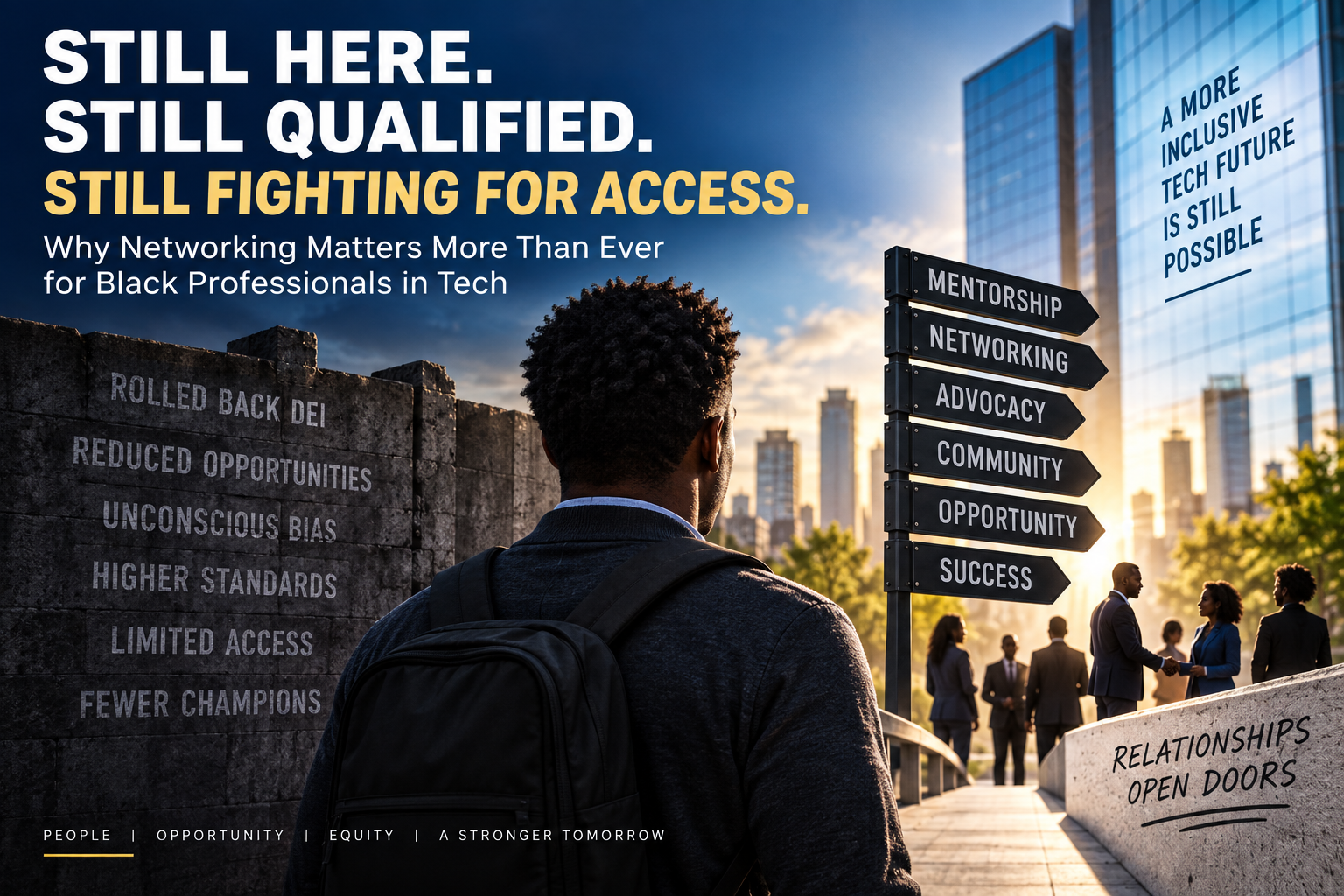
Representation alone will not solve the persistent racial disparities in computing.
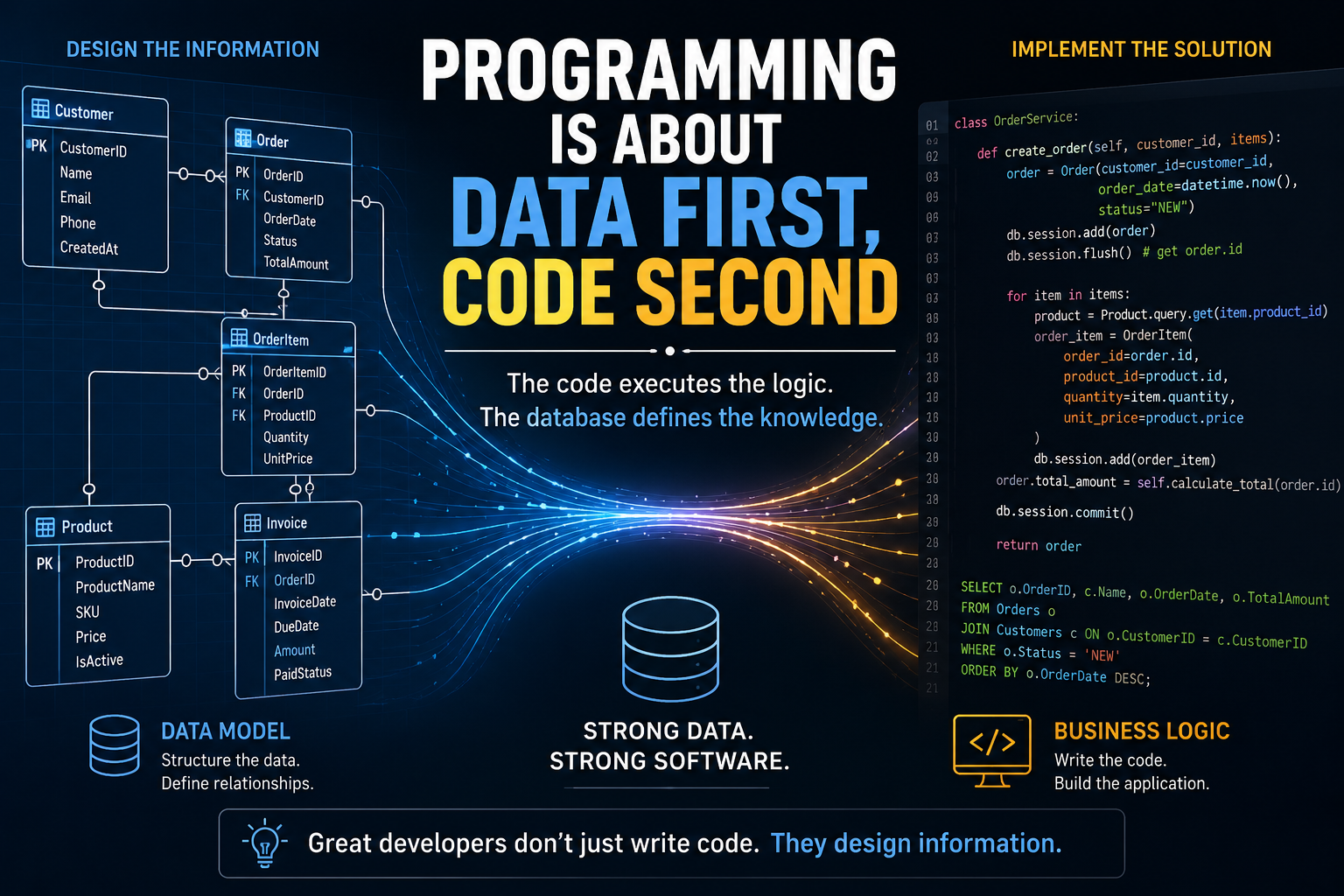
The truth is that most software applications exist to manage information.
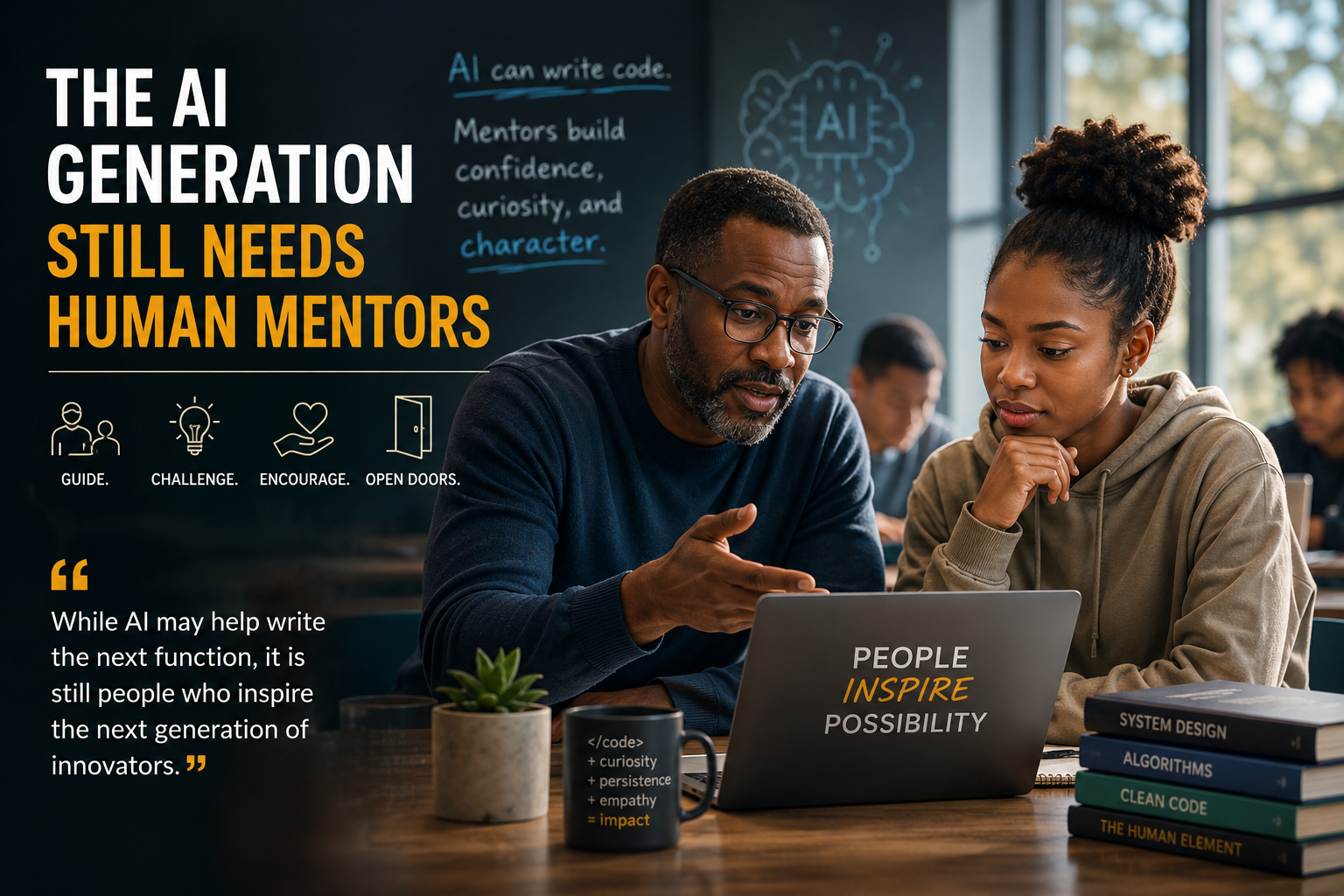
Artificial intelligence has become the newest member of nearly every software development team.
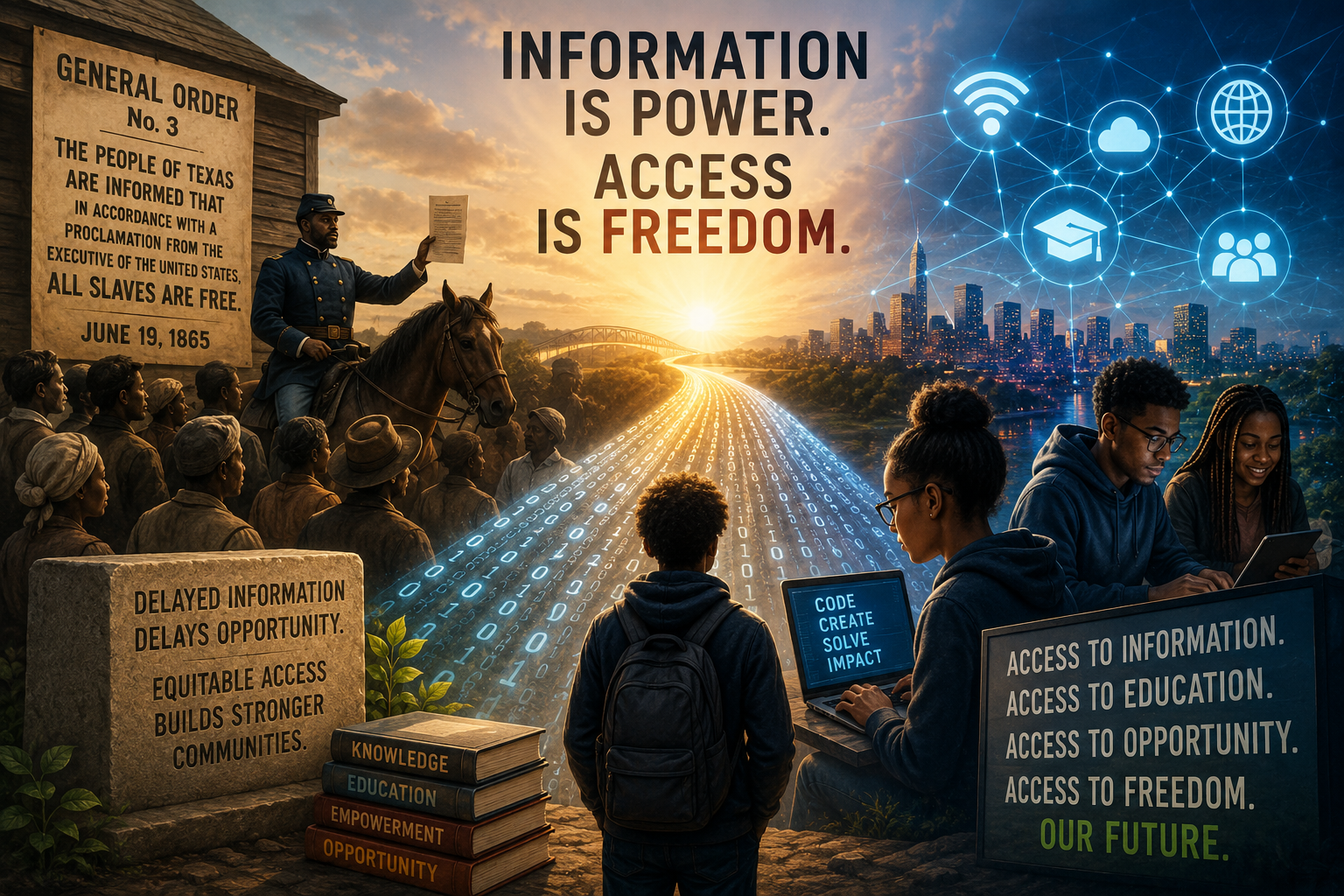
The true promise of computing is not found in the machines we build, but in the human potential we unlock when knowledge becomes accessible to everyone.

One of the reasons I value the MCT program so highly is that it represents more than technical knowledge.
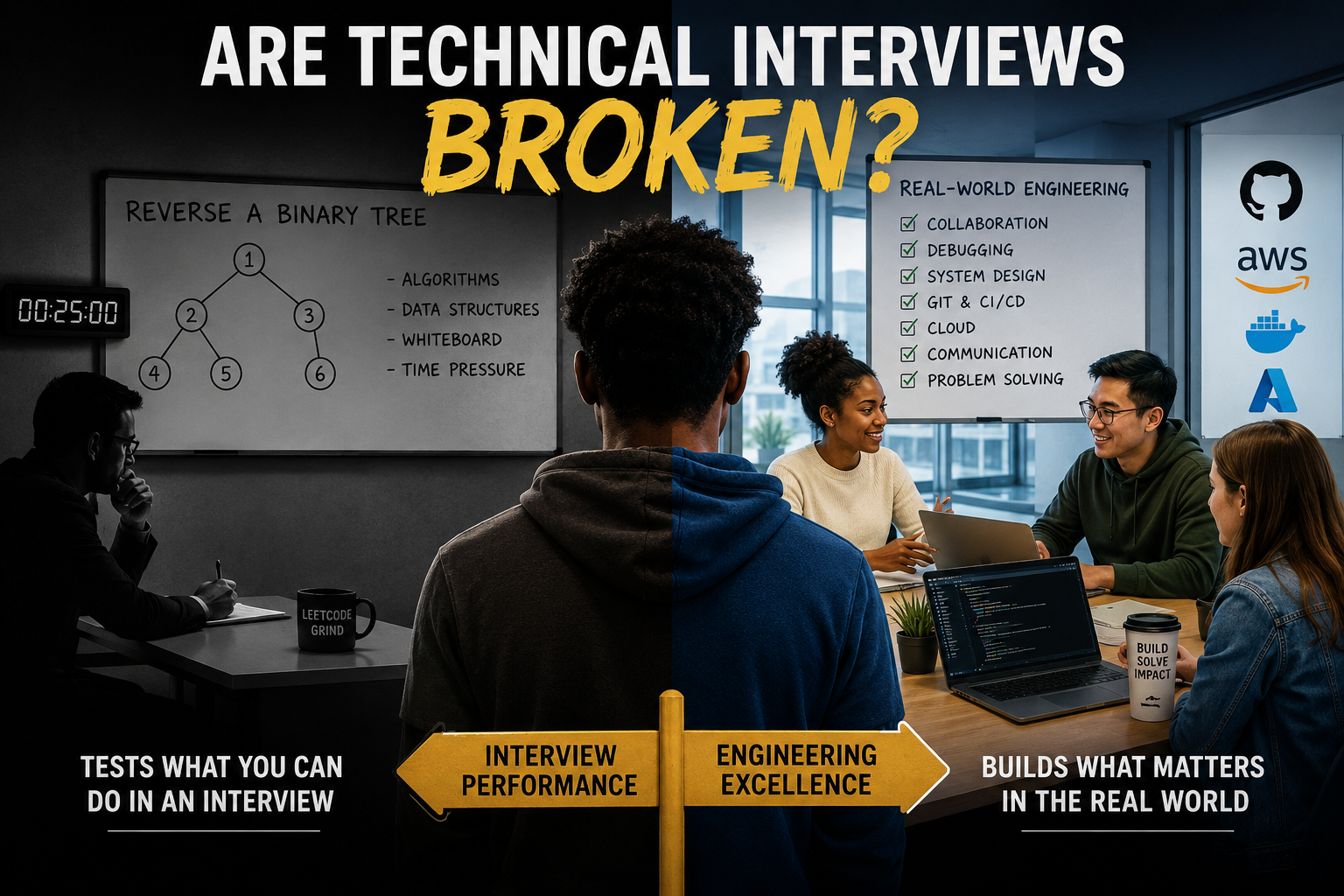
Software engineering is not simply coding.
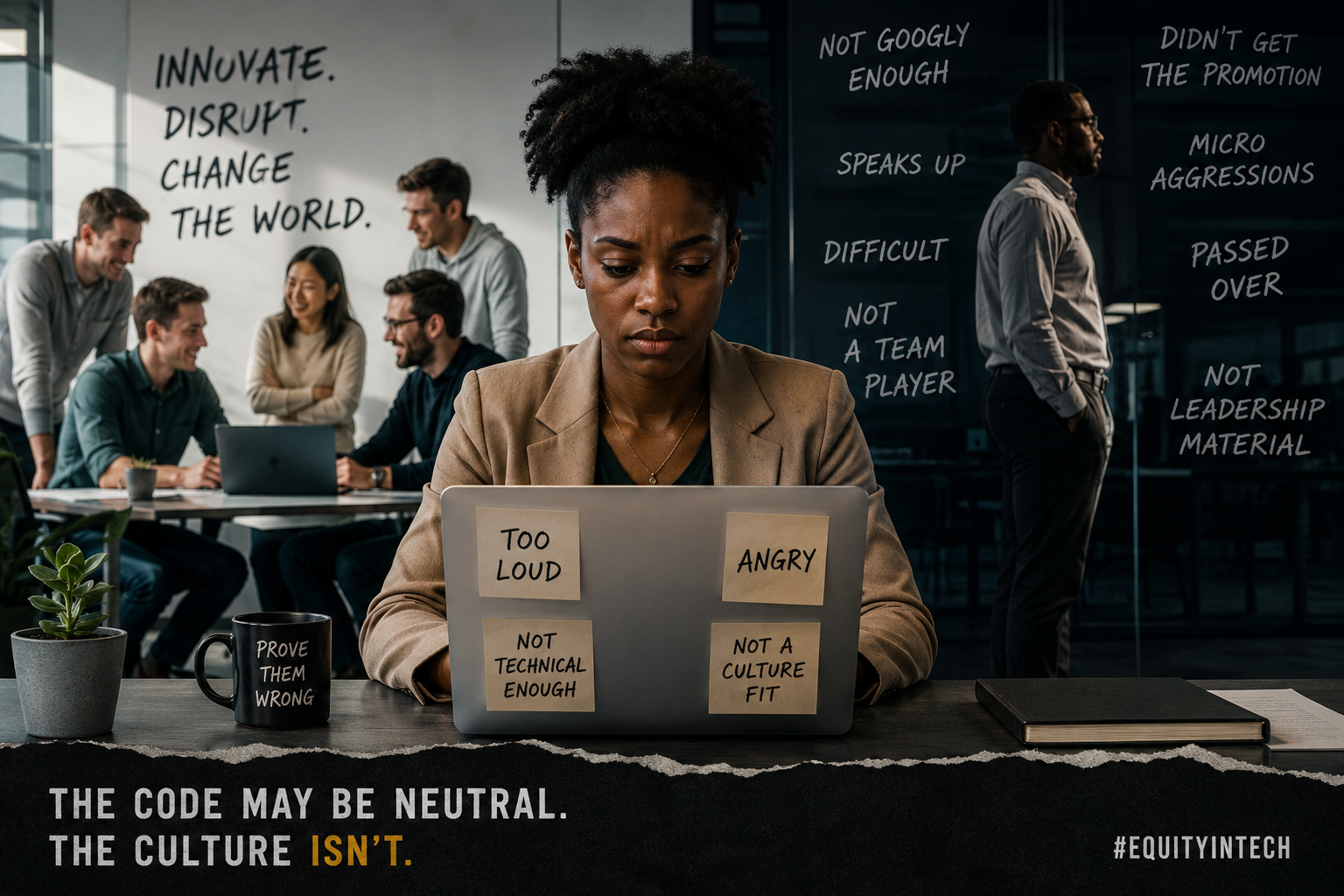
Companies often promote the idea that technical skill alone determines success.
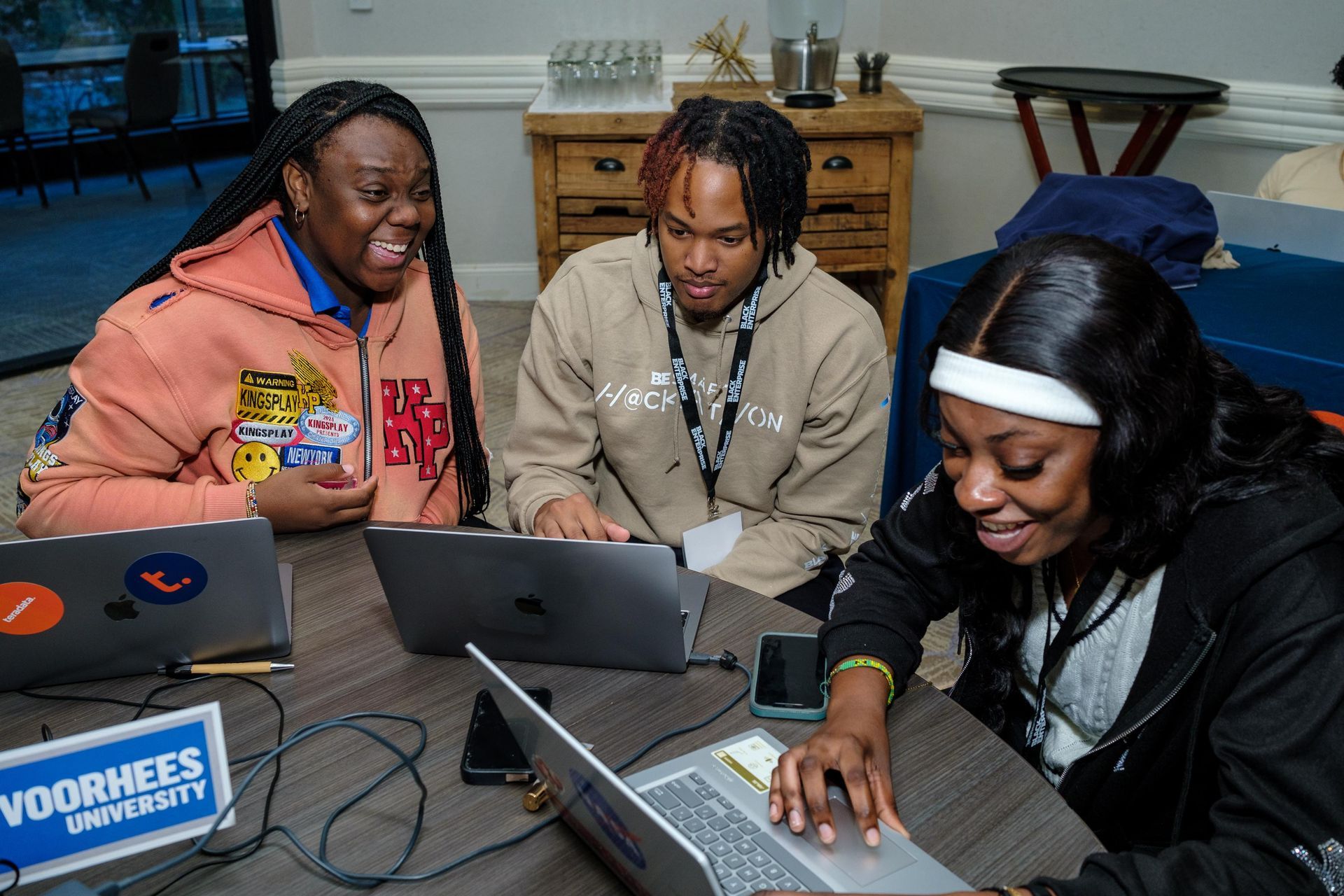
Hackathons also strengthen teamwork and communication skills.
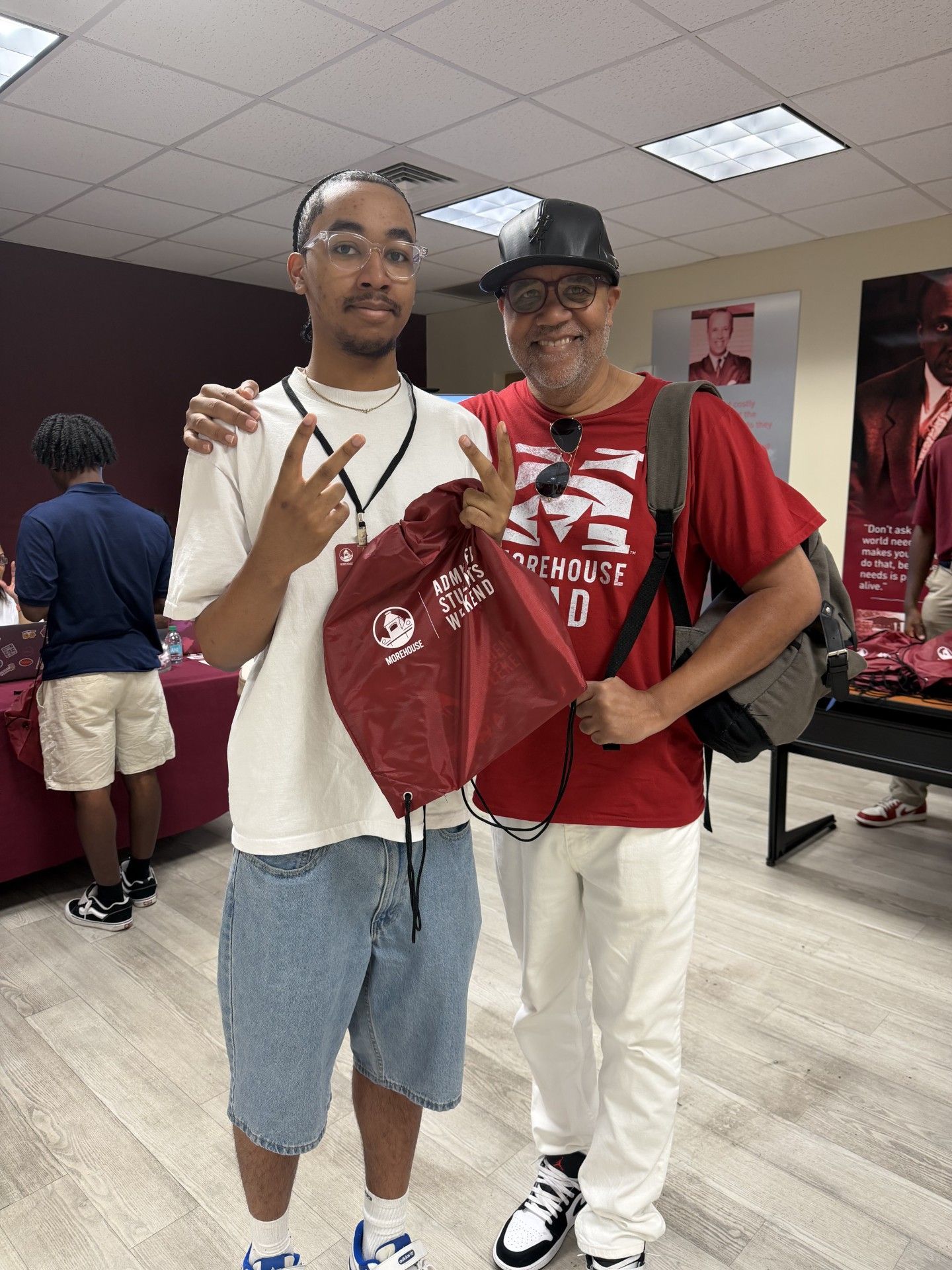
Stepping onto the campus of Morehouse College this past weekend for Admitted Students Day was more than a visit—it was a moment of reflection. As I watched young Black men walk with purpose across the yard, I found myself asking a simple but profound question: What would it have been like for me to study computer science here? My journey into computing was shaped in environments where I was often the only Black man in the room. That reality brings with it an unspoken weight—the need to prove you belong, the awareness of being watched, and sometimes, the quiet isolation that comes with underrepresentation. Standing at Morehouse, I realized that this burden is not a given. It is a condition of the environment. At Morehouse, the environment is different by design. Here, Black men are not anomalies—they are the standard. I imagined what it would feel like to learn algorithms, data structures, and software development in a space where my identity was not questioned but affirmed. Where excellence is expected, not in spite of who you are, but because of it. As a computer science professor, I understand the academic rigor required to succeed in this field. There is no shortcut through recursion, no bypass around debugging, no substitute for disciplined problem-solving. But what struck me during my visit is how much context matters. When students are free from the psychological burden of proving they belong, they can redirect that energy toward mastering the material. They can collaborate more openly, ask questions more freely, and take intellectual risks without fear. I also thought about legacy. At Morehouse, students walk the same grounds as Martin Luther King Jr.. That kind of history does something to a person. It raises the bar—not just academically, but personally. It invites students to see their education not just as a pathway to a career, but as preparation for impact. Leaving campus, I felt inspired—but also reflective. I cannot rewrite my journey, but I can appreciate what spaces like Morehouse offer the next generation. For a Black male pursuing computer science, it is more than a degree. It is an opportunity to develop skill, confidence, and identity in alignment. And that combination is powerful.